Table of Contents
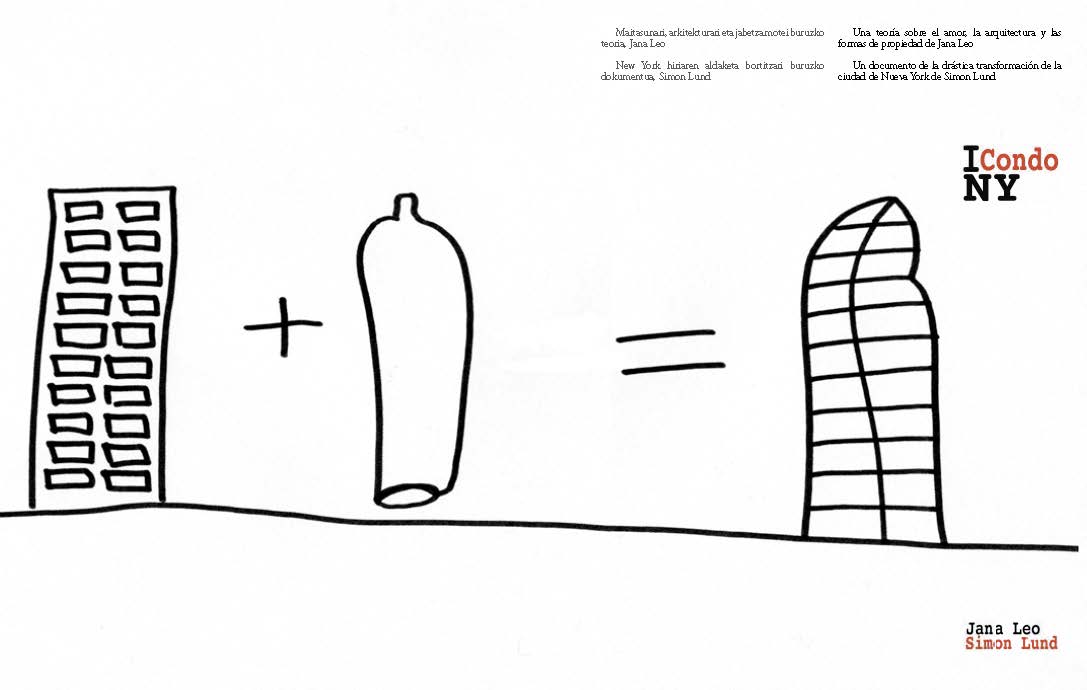
PART I – Introduction: Why a Condo? The American Dream of Homeownership / From the Single-Family Home to the Couple’s Apartment / Condo-Condom: Love Under Control / Your Partner Is the Adventure
PART II – Condos and Co-ops: Two Forms of Ownership What Is a Condominium? / Zone Control in Co-ops and Condominiums / An Investment or a Home to Live In / Retirement / The “L” Line. The “L” of Love / The Suburbanization of the City
PART III – The Architecture of Condos and Co-ops Going Unnoticed / The Render / Personal Property / “Condo Shame” / Skin or Facade / A City Without Streets PART IV – What Lies Behind the Condo? “I (love) NY” / The concentration of crime and its relocation within buildings / “I (love) NY”
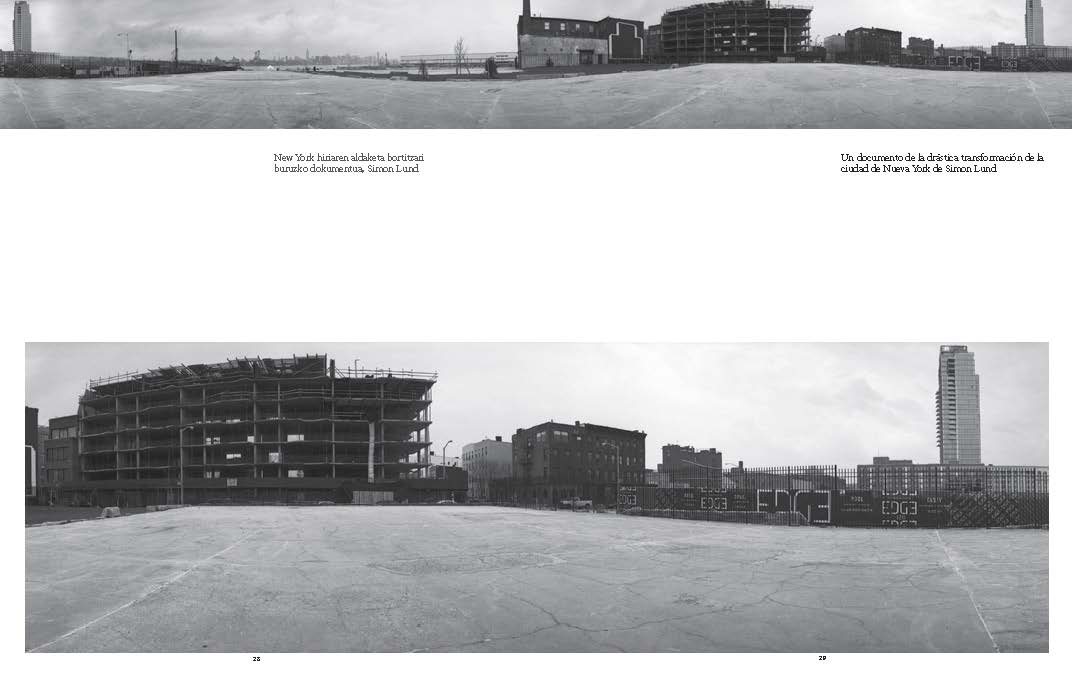
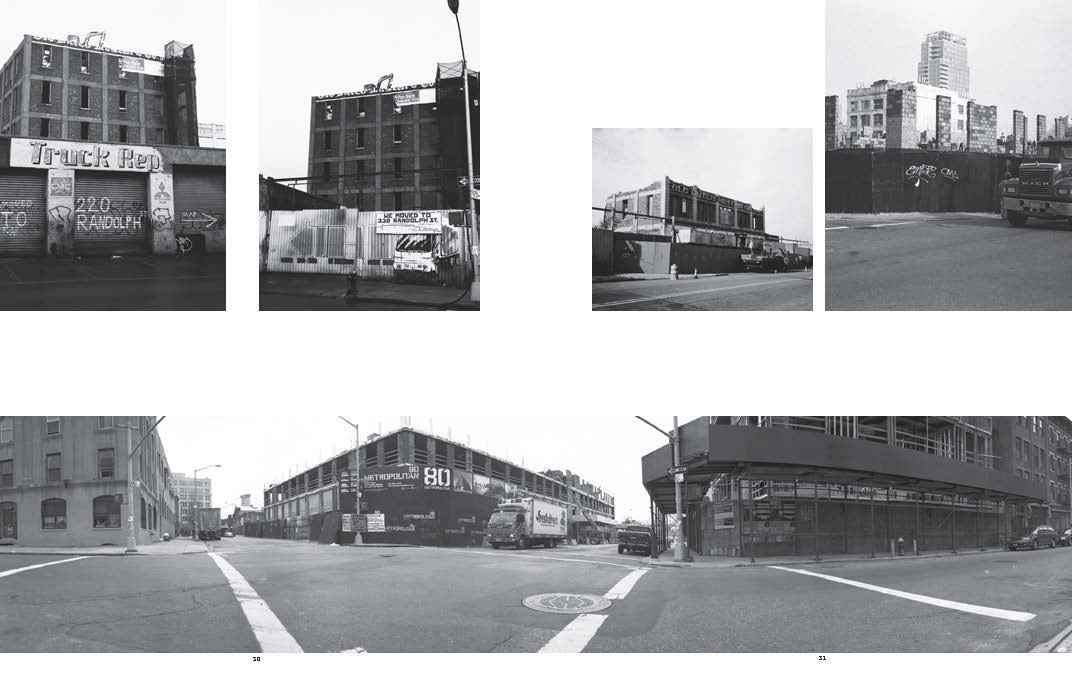
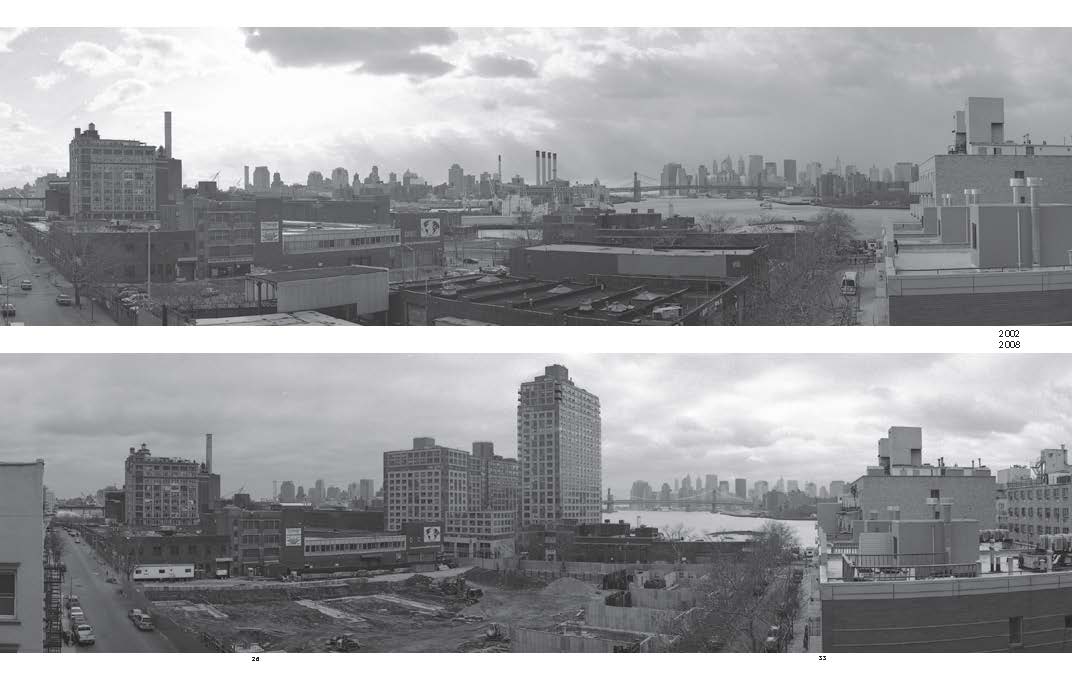
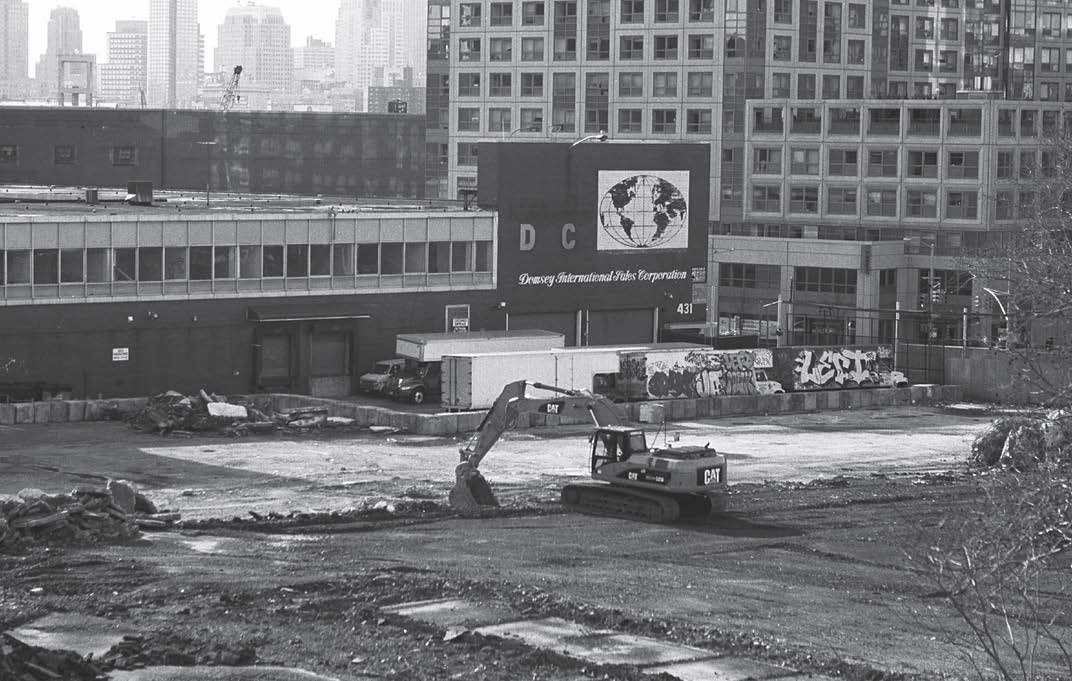
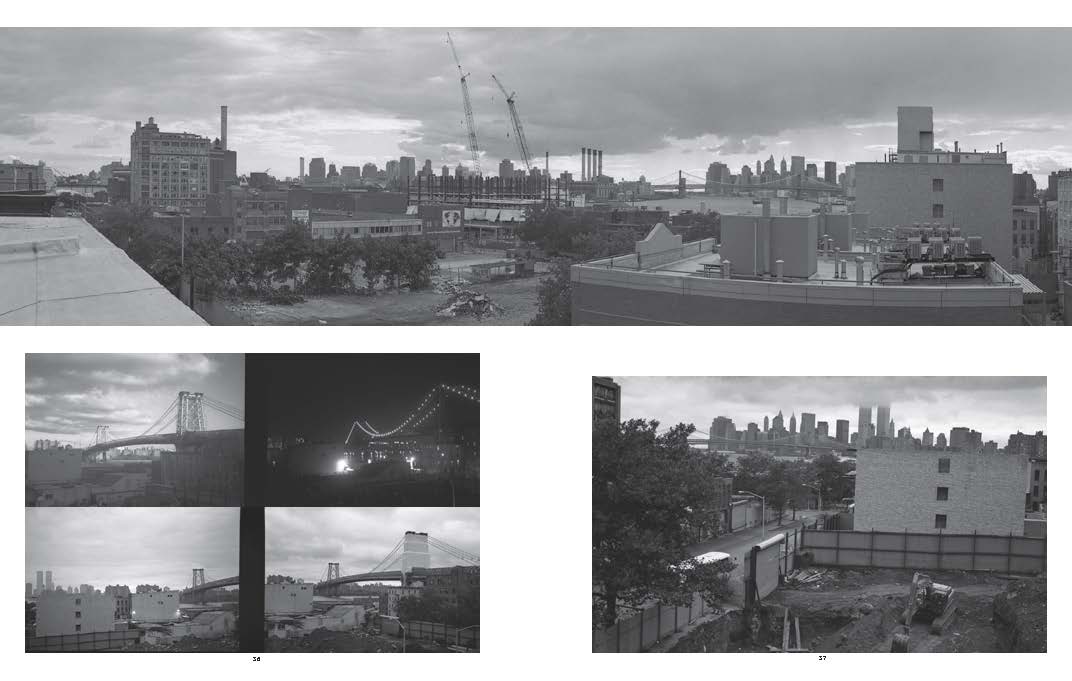
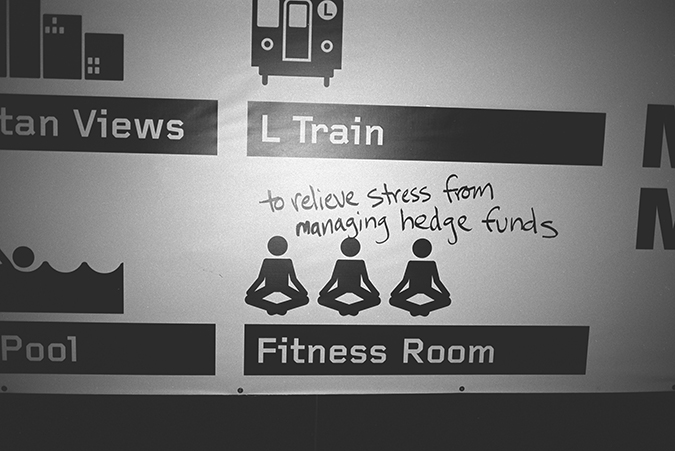
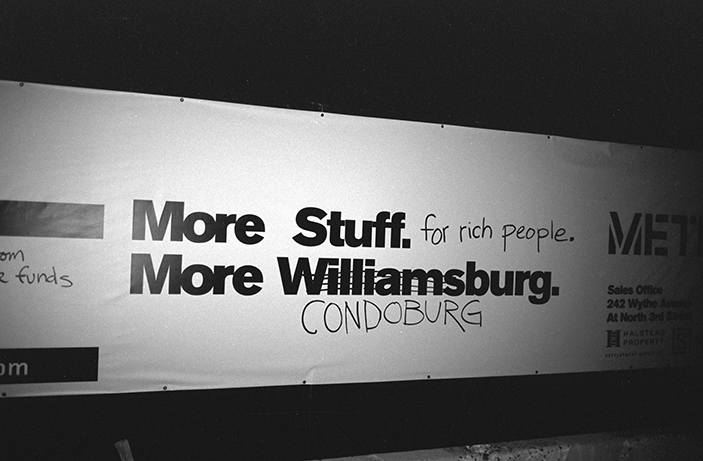
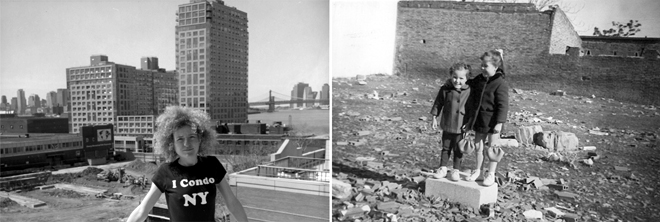
The American Dream of Home. The house as home, an emblem of the American Dream, is nothing more than an image. Home is only “home” for those who, instead of questioning the customs, morals, and culture in which they live, accept the dream of home. The house is the physical manifestation of this dream-image. But like any idea that takes shape, it cannot materialize without losing something in the process; like any dream, it will fade, losing its reality along with consciousness. However, the idea of home remains as the frozen image of a dream. In reality, the house becomes a gilded cage for those who acquire wealth, or a torture for those who do not. In either case, the house is a trap. The consideration of the house as an icon of home has a negative connotation for those who are homeless. They find themselves without the stability of a residence, and also with a profound sense of detachment. The homeless, trapped by the idea of ”home,” are burdened by homelessness and in constant search of a home. For those who own a house, when they mistake the house for a home, the house is the only place where they feel free. But the house becomes a cage, a physical enclosure they cannot leave. For them, the primary concern is losing their house, not their freedom. From the single-family home to the couple’s apartment. The awareness of the house trap could explain why the ideal of home in the United States—the single-family home in the residential periphery or “suburb”—is now extending to the condominium apartment, and how the idea of freedom has shifted from being associated with “unity” to being associated with “retreat.” The emphasis is no longer on a group of people under a single roof, the family, but on a couple, secluded yet close to the world. Housing in the residential periphery requires long commutes and takes time and effort to maintain. The single-family home, which was the smallest unit of community, alive with activity, now appears as a burden. New residential developments and condominiums are advertised with the image of an idle couple: people in an inactive pose, sitting with a drink or reclining on a sofa who, rather than resting, seem to have withdrawn from the real world. It’s a frozen image that has a deathly quality. In the seventies, freedom manifested itself in relationships with others and participation in the world. In love and sex, being part of the other, not just of the other, was the highest expression of freedom and civilization. Now, freedom manifests itself through a lack of commitment. Love is still there, but understood in economic terms: possession and adoration. Love is a commodity that some use to measure their level of success. A provincial city, gentrification, and the suburbs within the city. In New York, during the real estate boom of the late nineties, when those who lived in the residential periphery returned to the city, many people lost their leases. This same process is repeating itself in the 2000s, but on a larger scale. The transformation of “I love New York” into “I condo New York” cynically reflects this dystopia. For some, love is about conquest. Now, New York is dominated by developers who blanket the city not with housing, but with icons. For a dwelling to be a home, it must be easy to leave and return to. If a home were meant to empower a person, providing both freedom and roots, and not just images of them, then the rules governing construction and sales would prioritize the values of connection and freedom over profit. On a practical level, if a home were considered a true vehicle for a dream, it wouldn’t be treated like any other commodity governed solely by market forces. A home is, in fact, a priority commodity in the economy—for developers, for investors, and for real estate agents.