Fundación MOSIS
-MOdelos y SIStemas;
Arte y Ciudad

Arte Corriente-MMMAP (nombre comercial: Art-rededor- MAP)

Description

Art-rededor Módulo 1 MAP
Description
Cards
Photos
Videos
Press articles
Funding, team, and credits
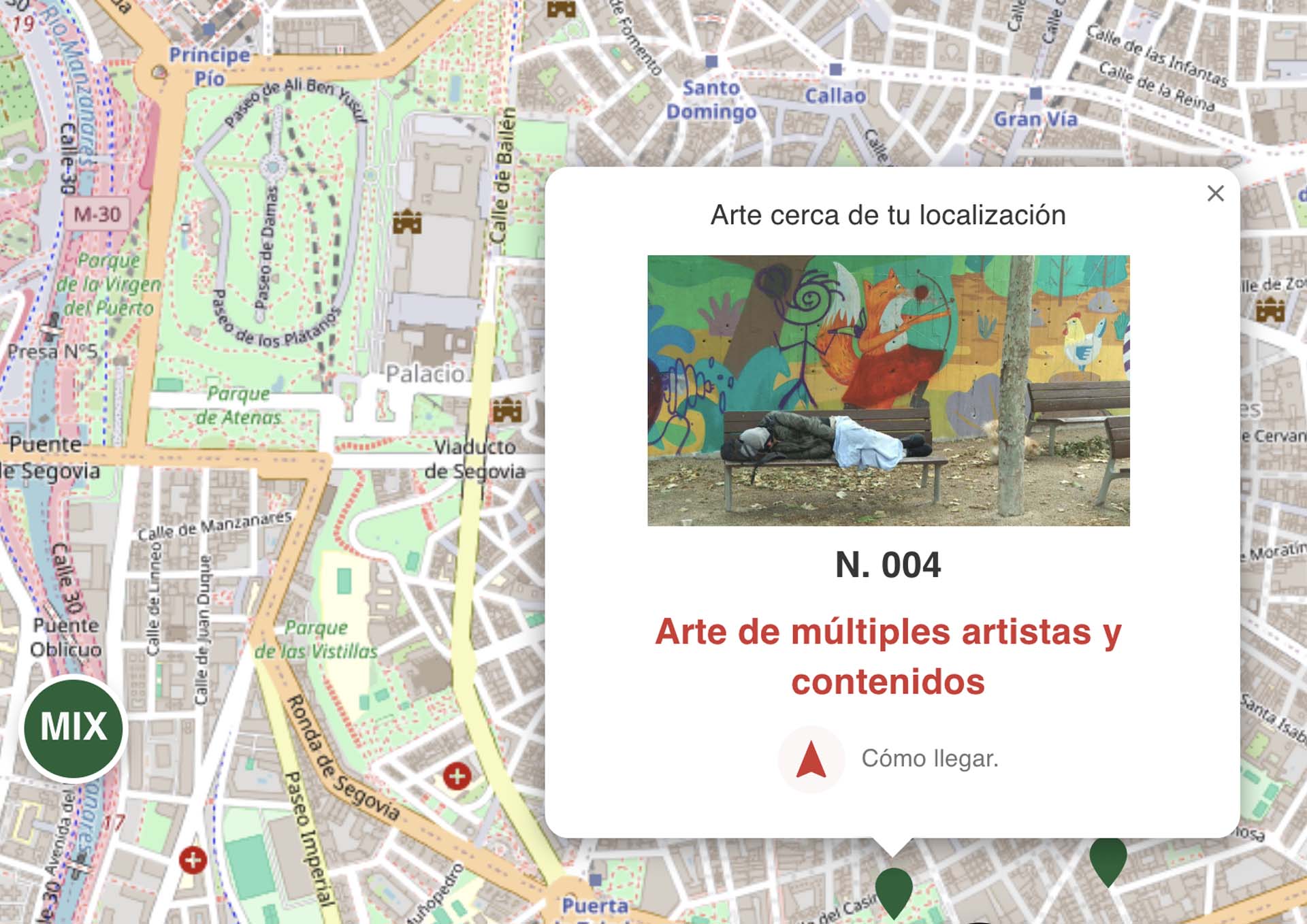
Art-rededor Módulo 2 MIX
Description
Photos
Funding, team, and credits
Book
Description
Cards
Videos
Photos
Press articles
Funding, team, and credits
Commemorative sculptures
Description
Cards
Photos
Funding, team, and credits
Exhibitions
Description
Cards
Photos
Videos
Program
Press articles
Funding, team, and credits
Visitarte Dissemination
Description
Cards
Photos
Vídeos
Program
Press articles
Funding, team, and credits
Meetings, presentations, conferences, and other events
Description
Cards
Photos
Vídeos
Program
Press articles
Programa Aceleración EAE
EAE Acceleration Program
Description
Cards
Funding, team, and credits

Arte Corriente-MMMAP (nombre comercial: Art-rededor- MAP)

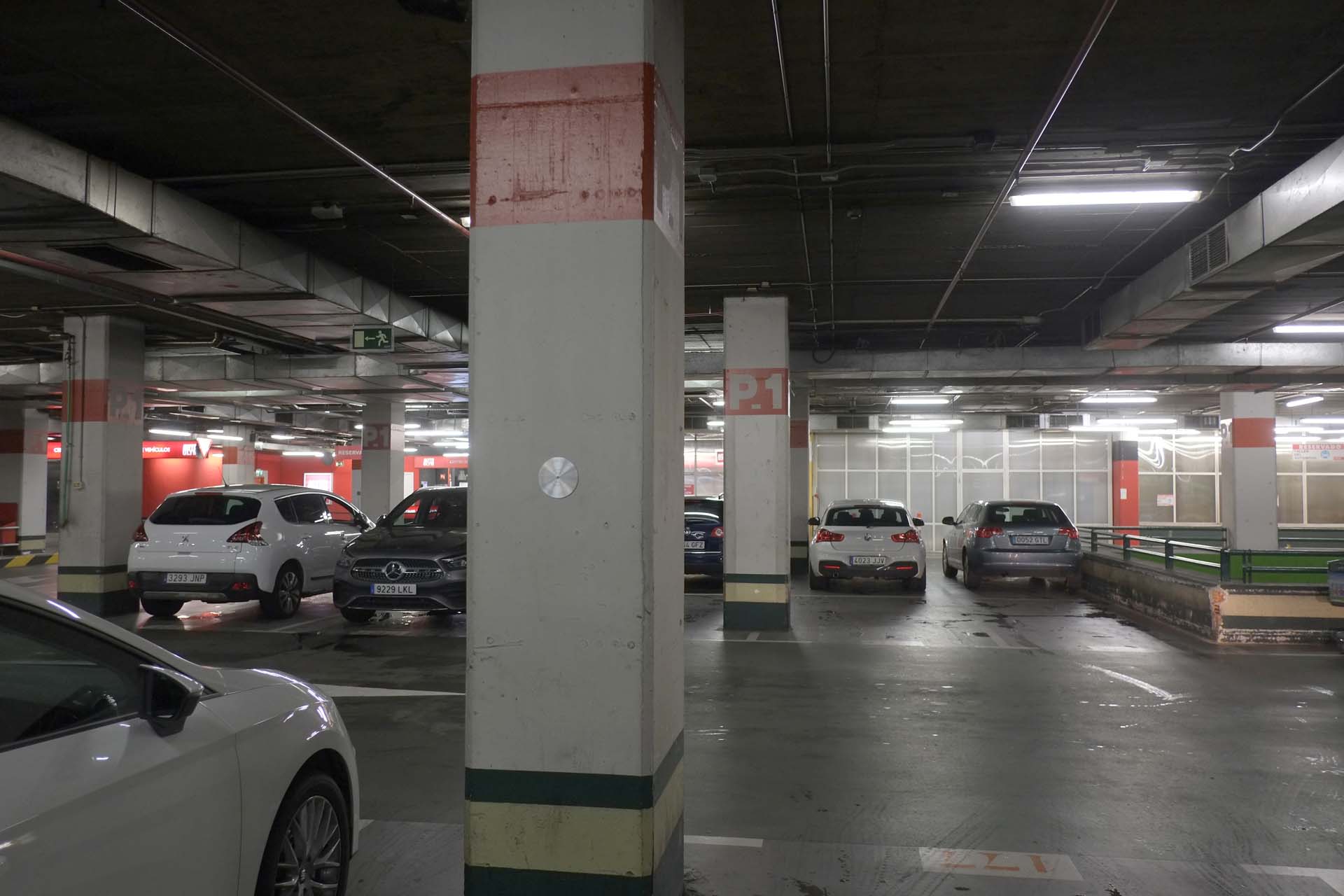
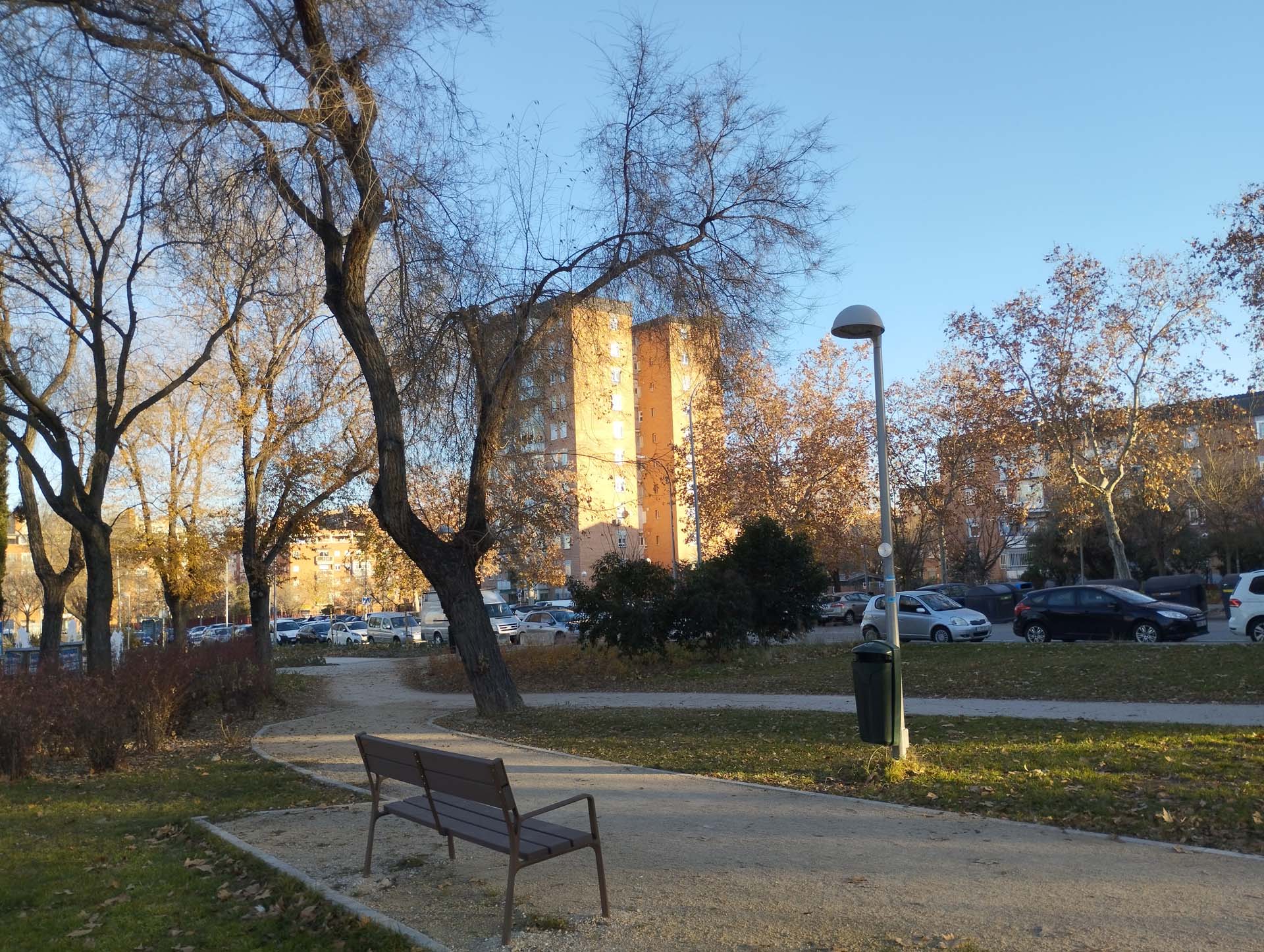
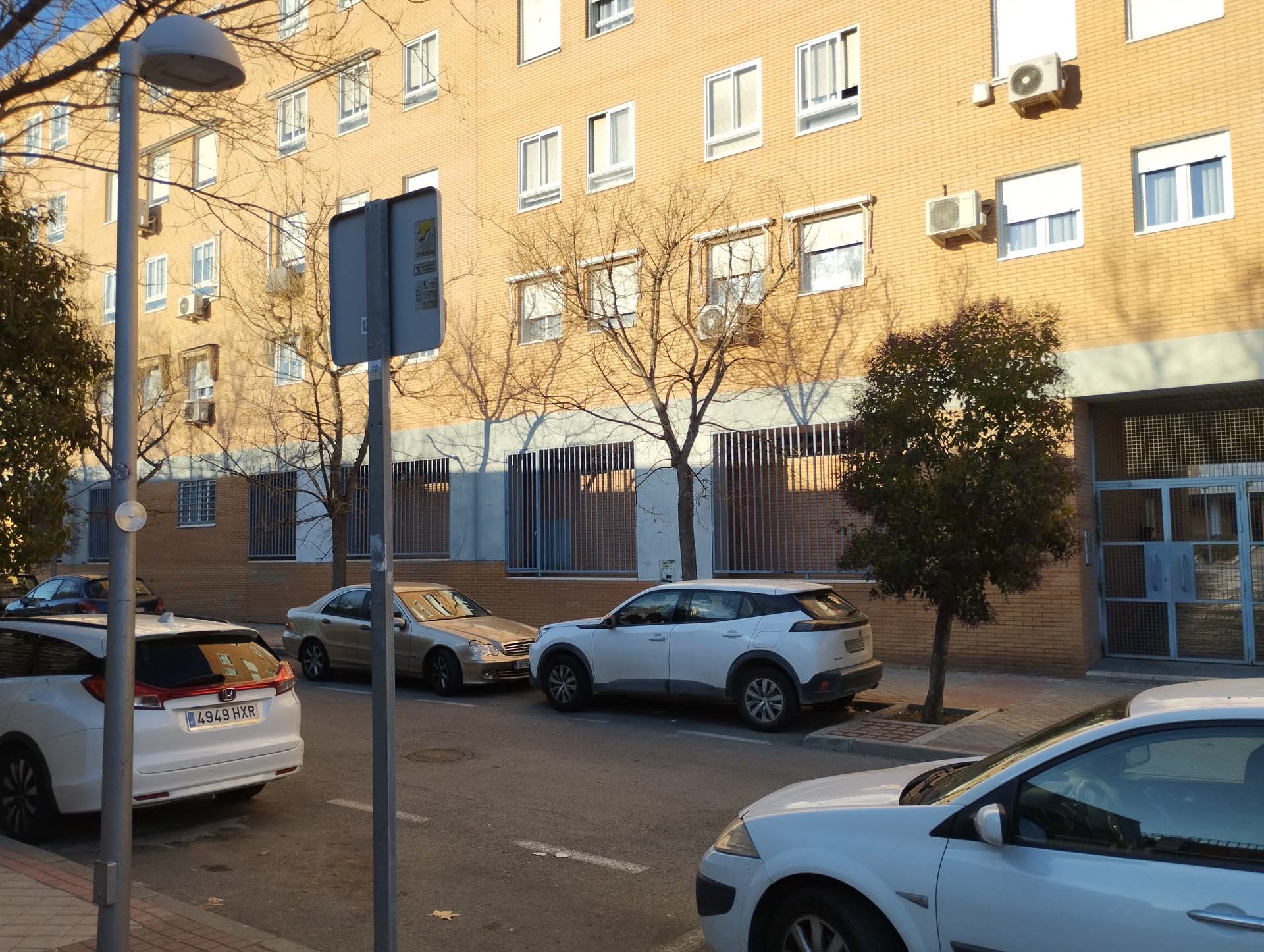
“Arte corriente” [Current/Everyday Art] refers to an art that is created in relation to daily life; this is not intended to frame “lo corriente” [the ordinary/current] as something of basic quality because, when accompanying the word “art”, the “ordinary” becomes exceptional. “Arte corriente” is the art that runs through homes and streets when the city itself becomes the museum, and it is the title of the project that MOSIS (Modelos y Sistemas; Arte y Ciudad) [Models and Systems; Art and City] has been working on for the past three years. “Arte Corriente-MMMAP (Mujeres Muertas a Manos de sus Parejas en Madrid, Comunidad)” [Current Art-WWDKBTP (Women Who Died Killed by Their Partners in Madrid, Region)], publicly known as Art-rededor-MAP (Mujeres Asesinadas por sus Parejas en Madrid, Comunidad), is a multi-year project (2023–2026) that consists of creating a platform to bring visibility to social issues of ordinary life through art. To achieve this, it brings art to the public within everyday spaces and times, focusing on topics relevant to social progress through an App featuring a virtual map centered on a specific theme.

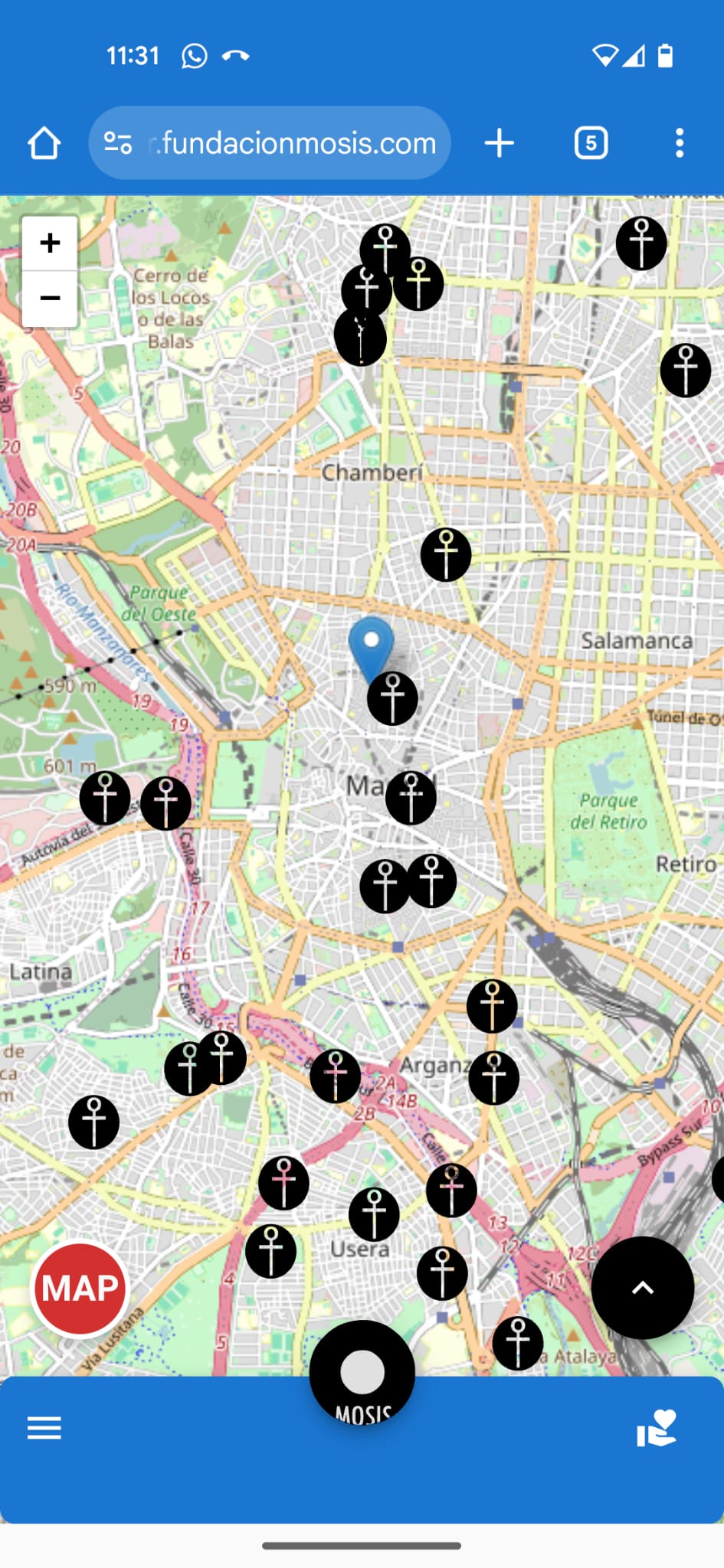
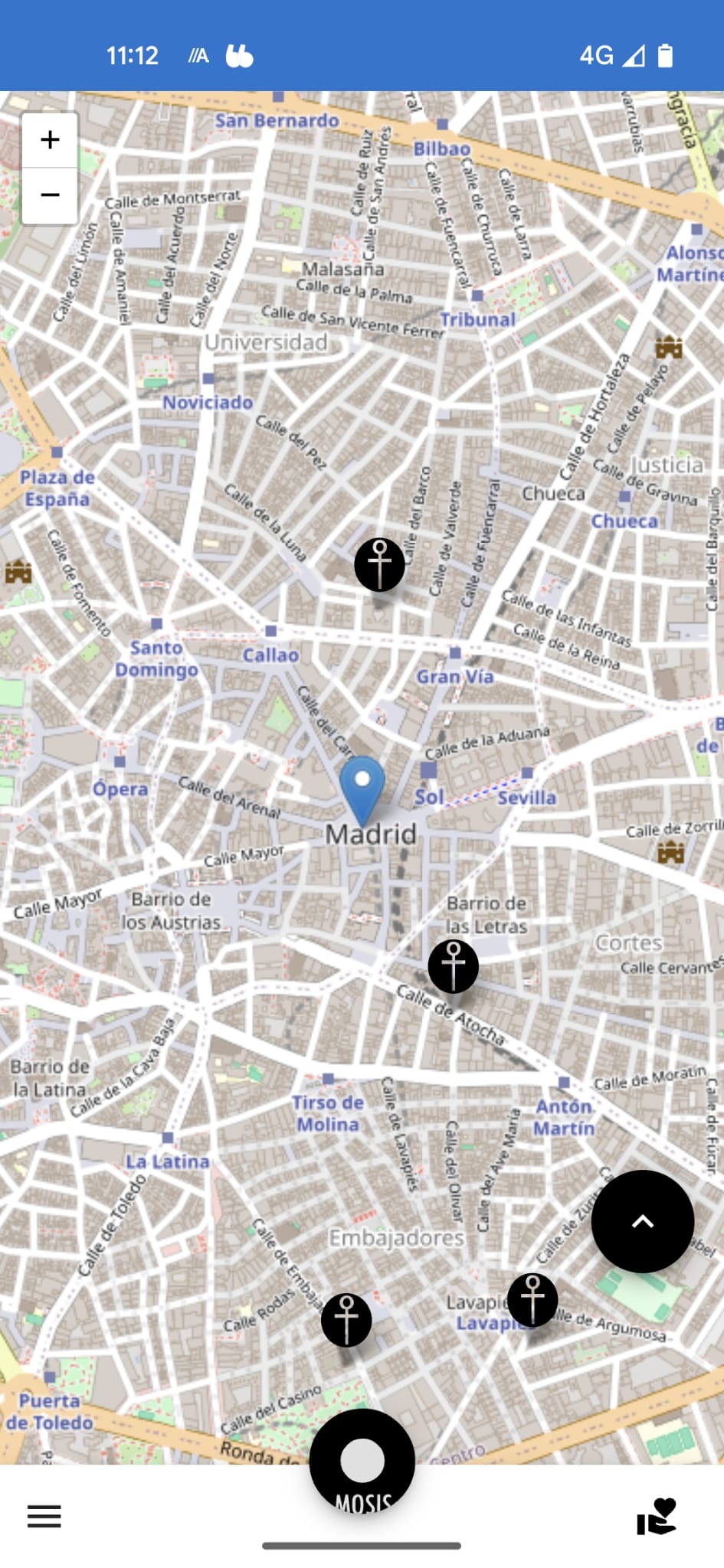
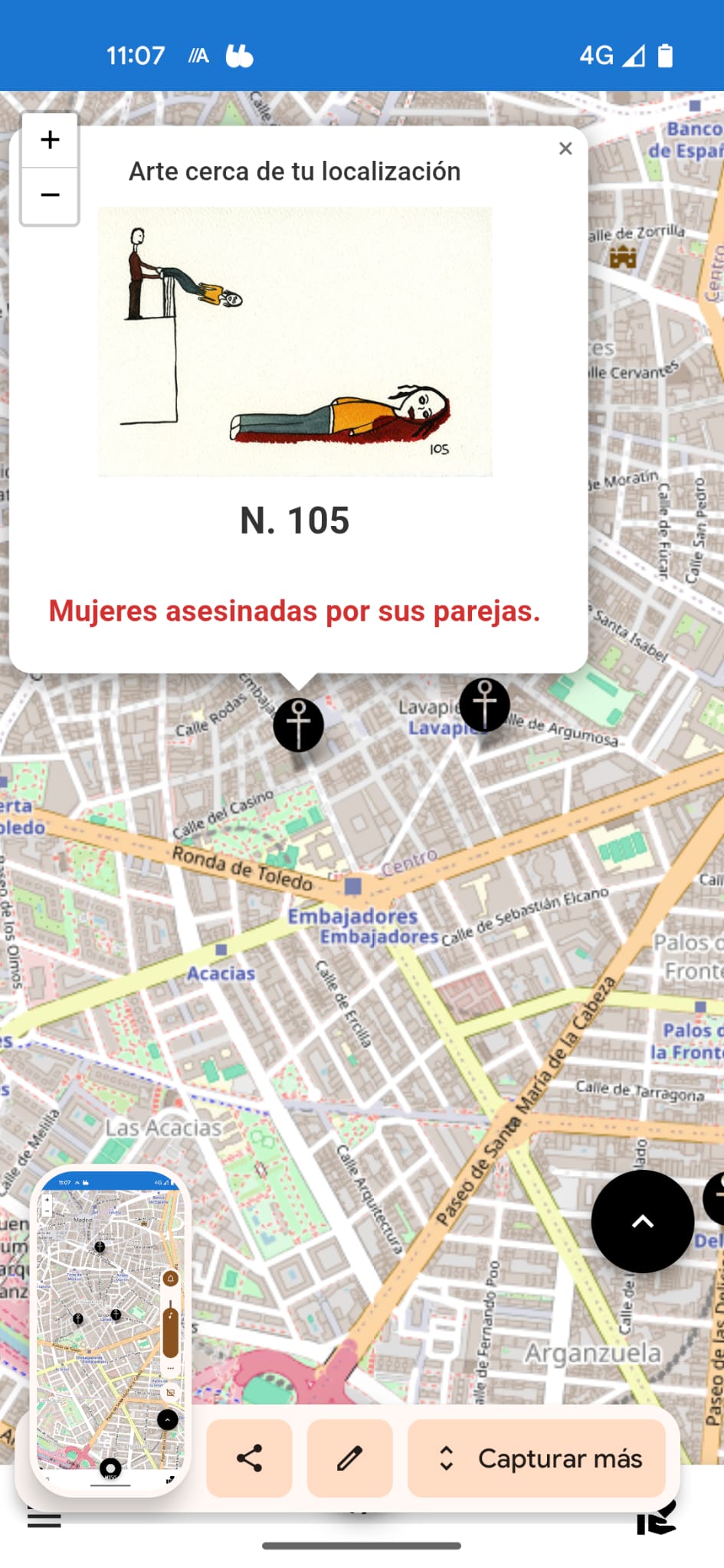
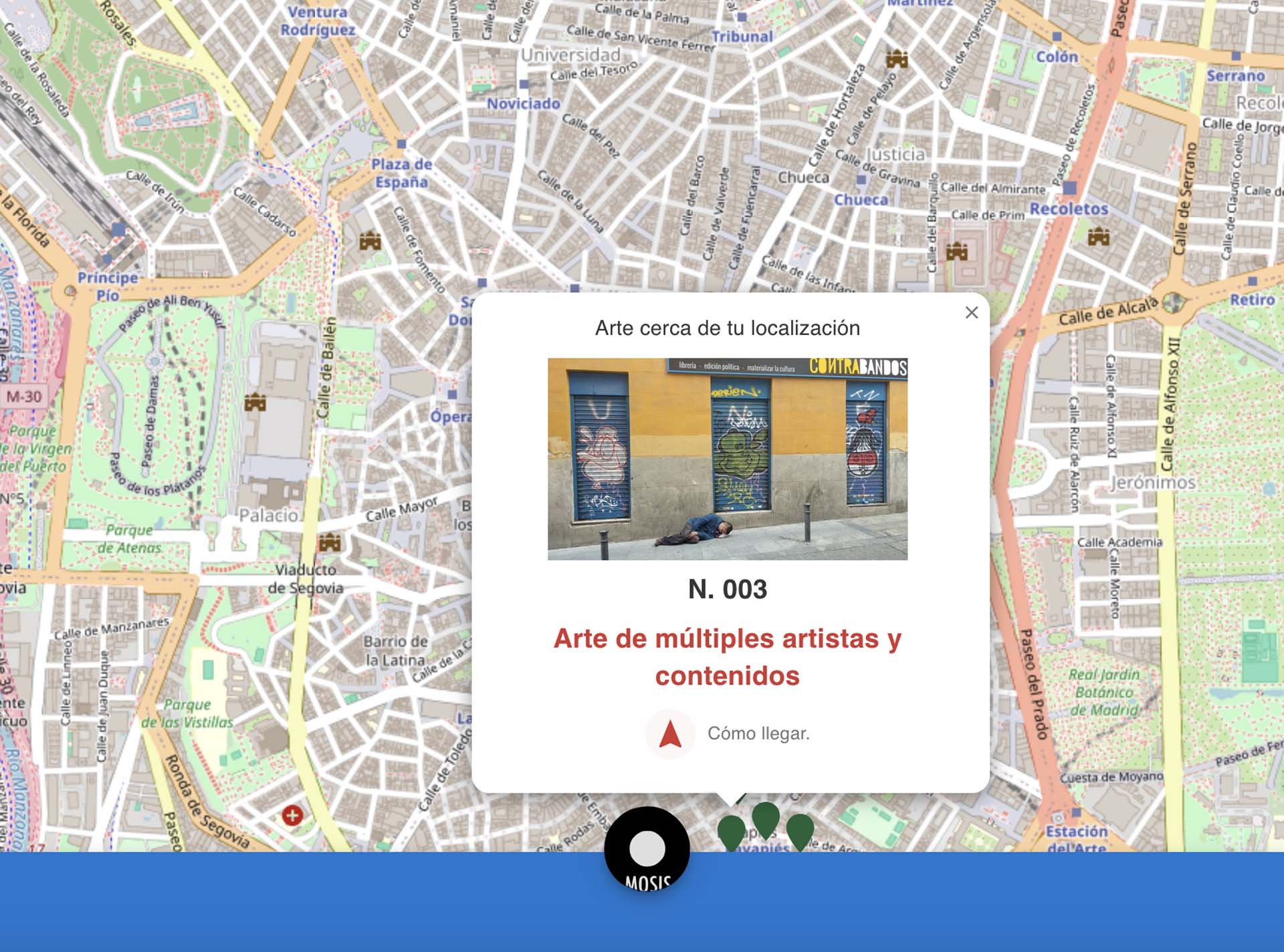
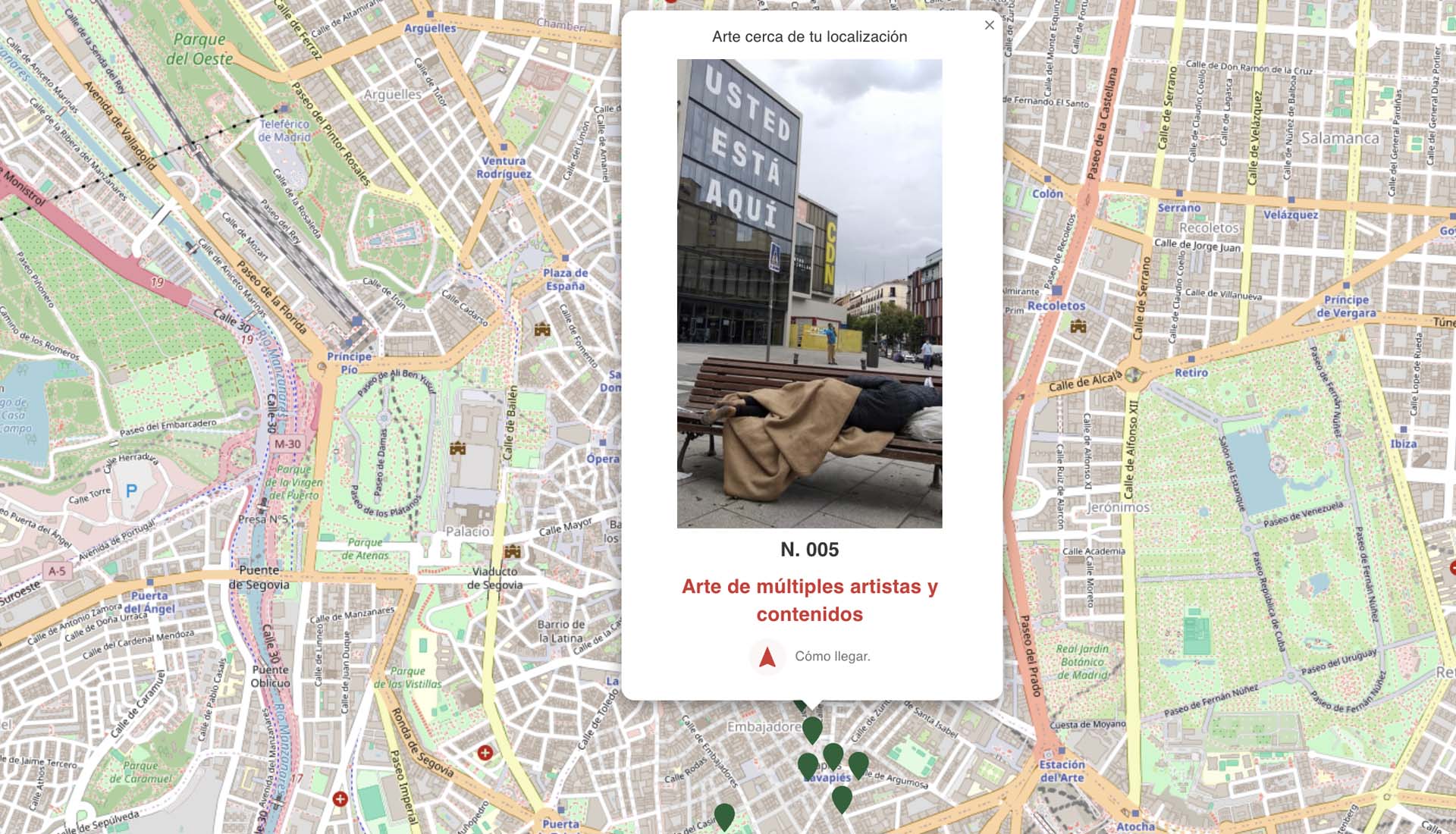
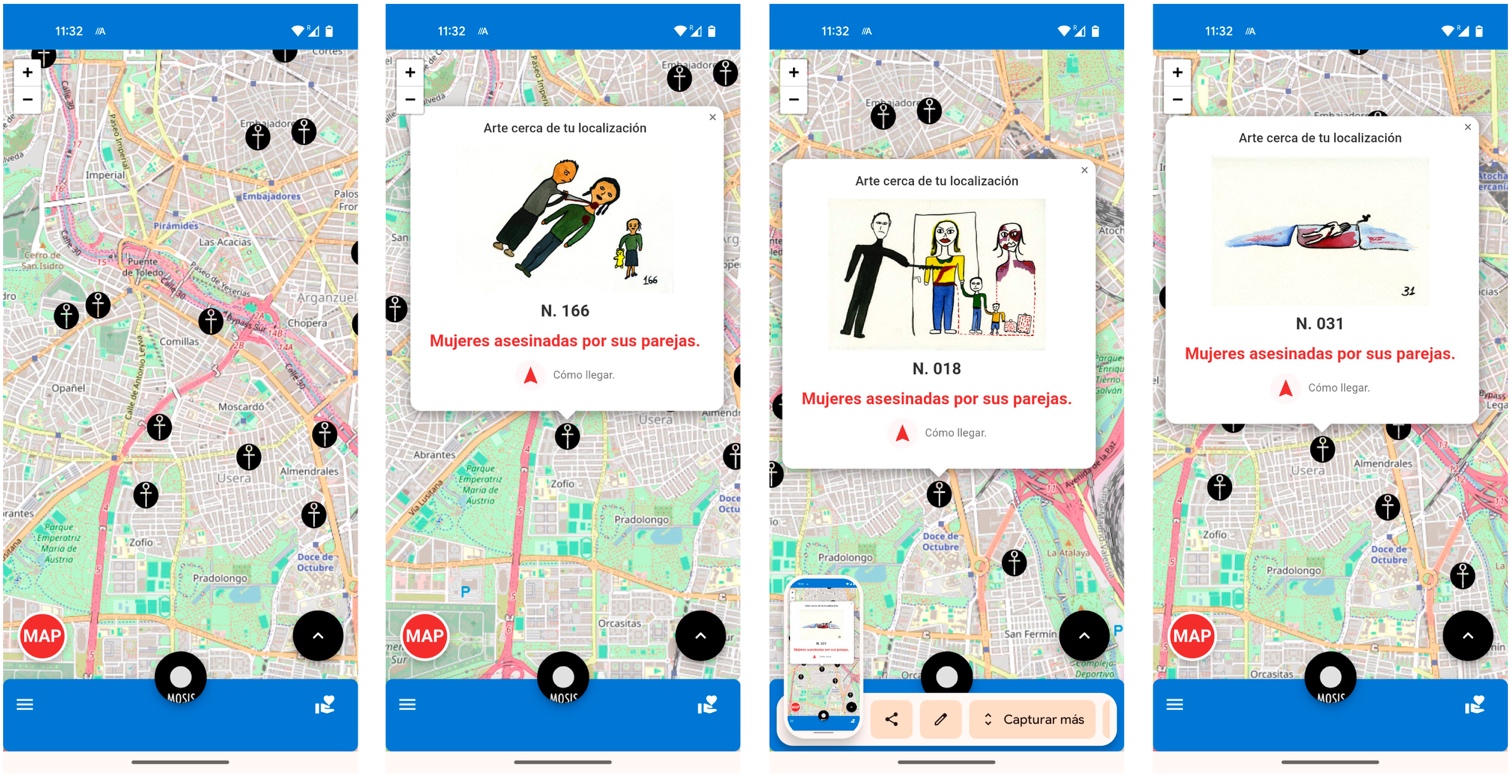
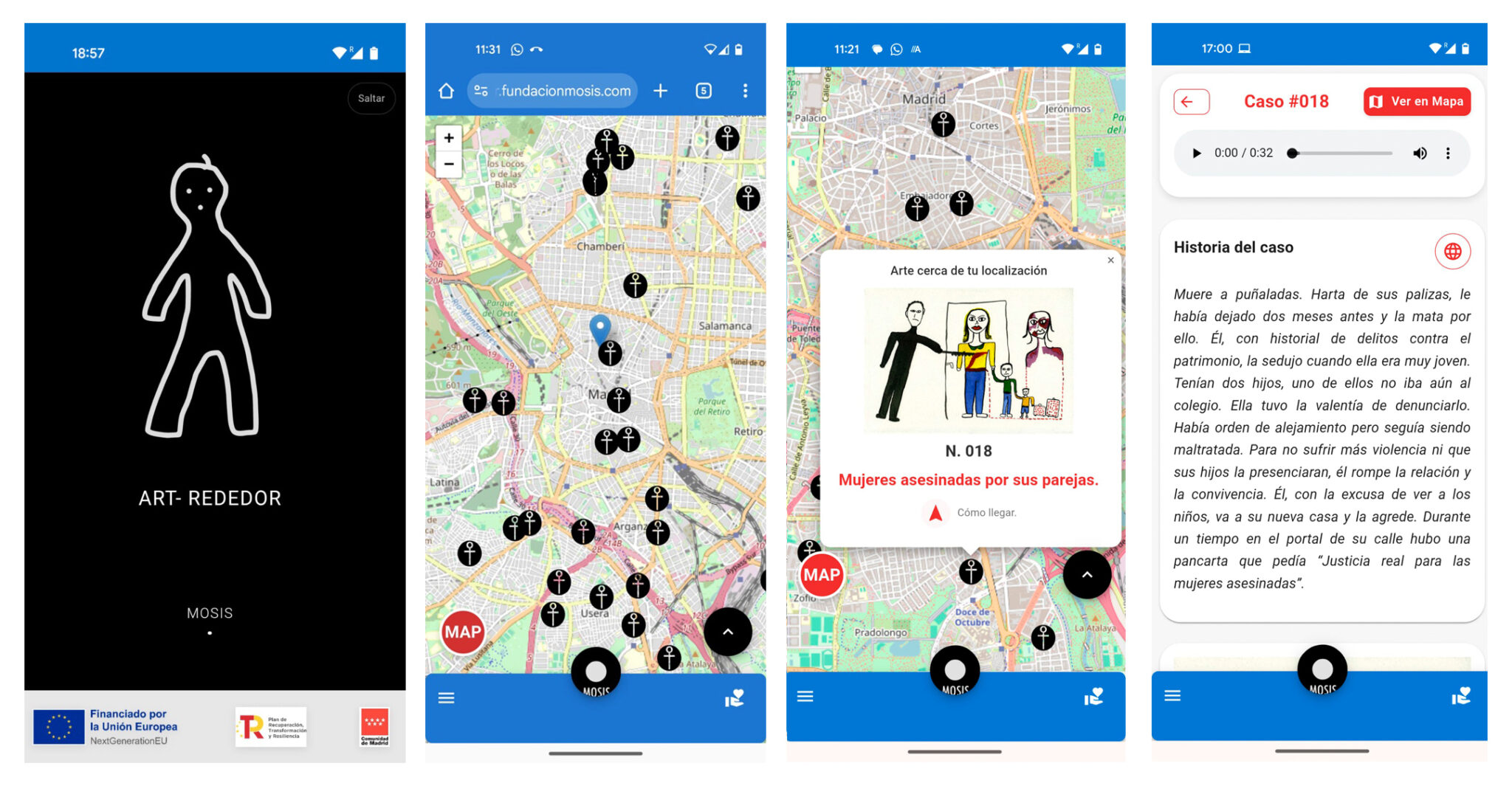
The virtual platform or web/app (Art-rededor) marks and records what happened on-site upon the map, associating it with a drawing, a narrative, a story, and in some cases, artistic interventions. These transform the city into a place of memory through art that is discovered while walking. Art-rededor helps people experience Madrid by reflecting on what occurred at any given location on any given day—events for which artists have created works to bring visibility to everyday social issues and themes relevant to social progress. Equipped with an interactive geo-locator, the app on the user’s phone provides information about what is surrounding their current position, putting both the incident and the art into context. It can be visited at the following URL: https://artrededor.fundacionmosis.com/.

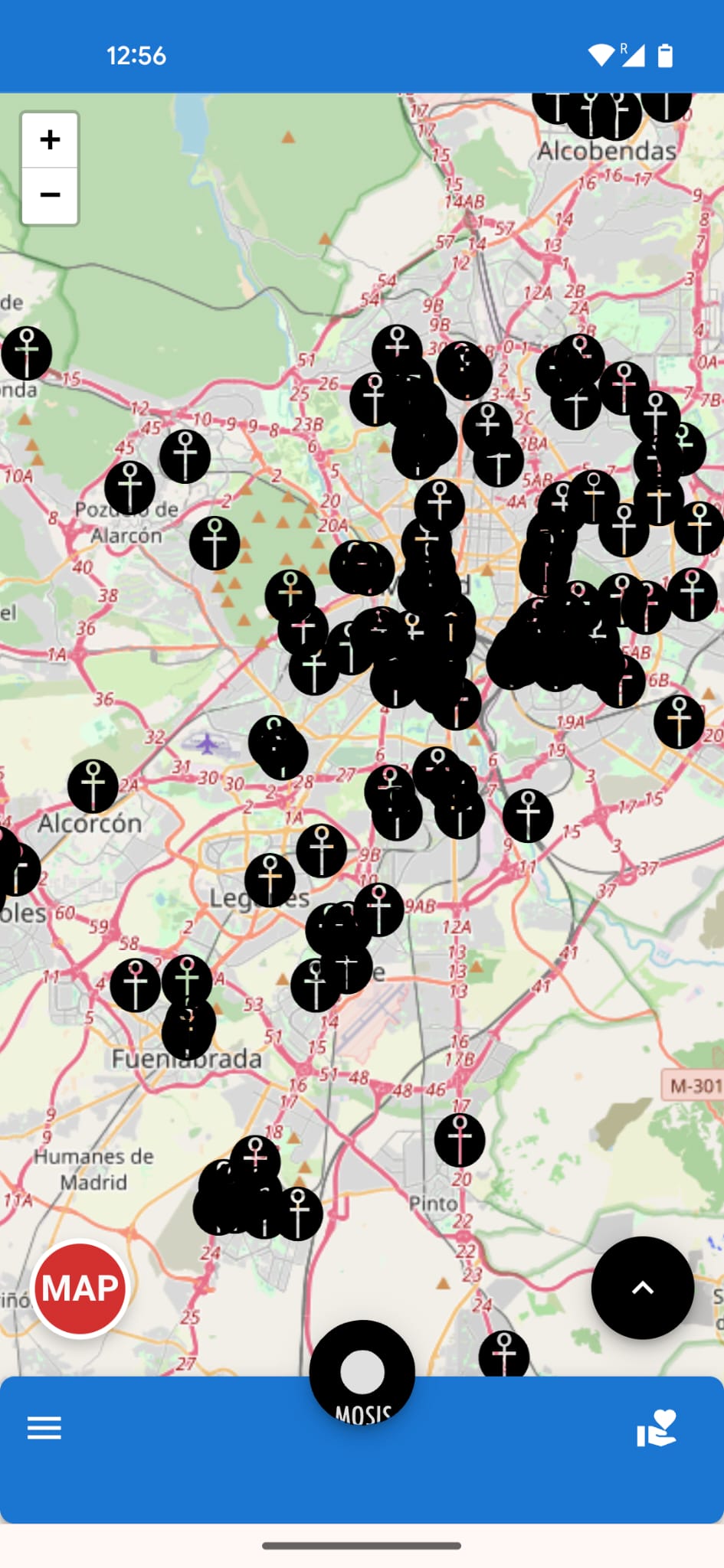
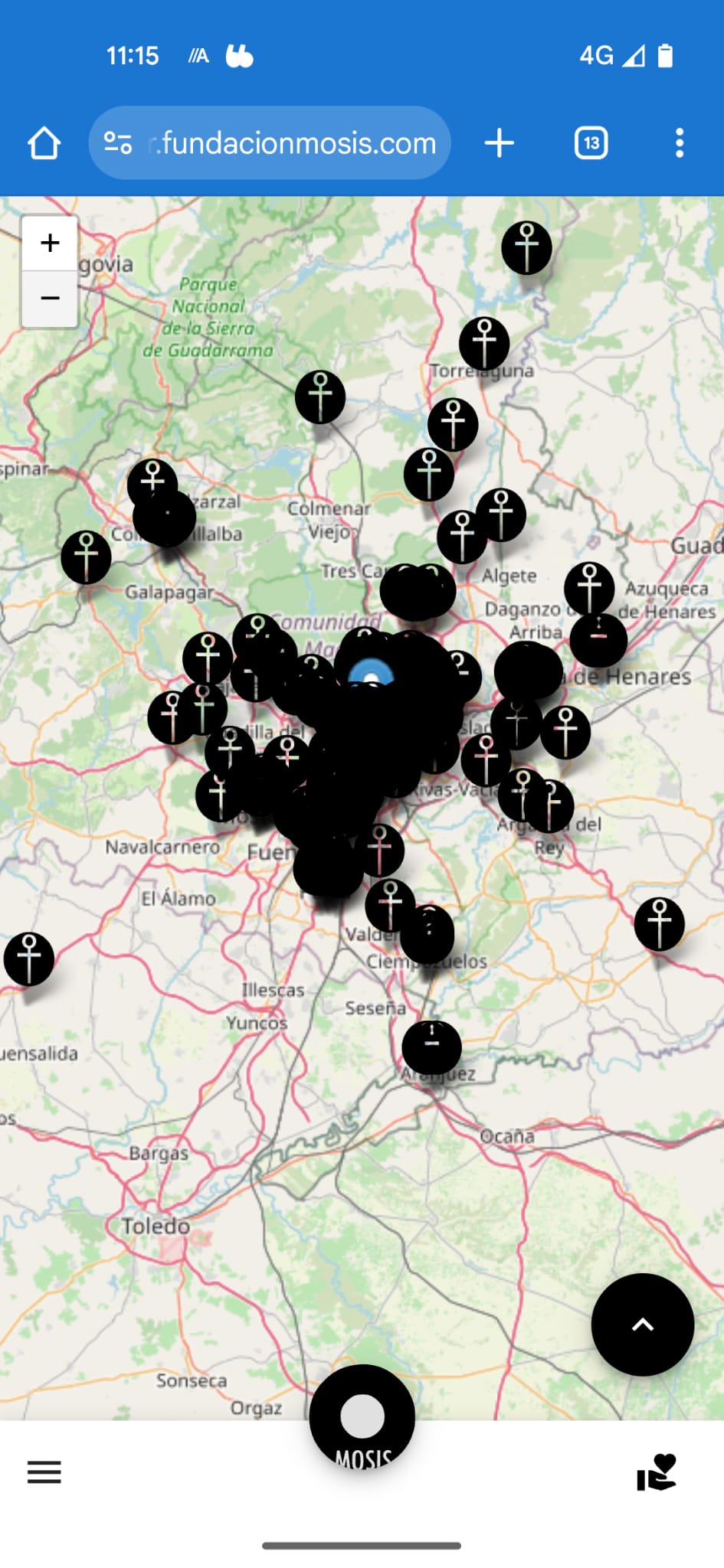
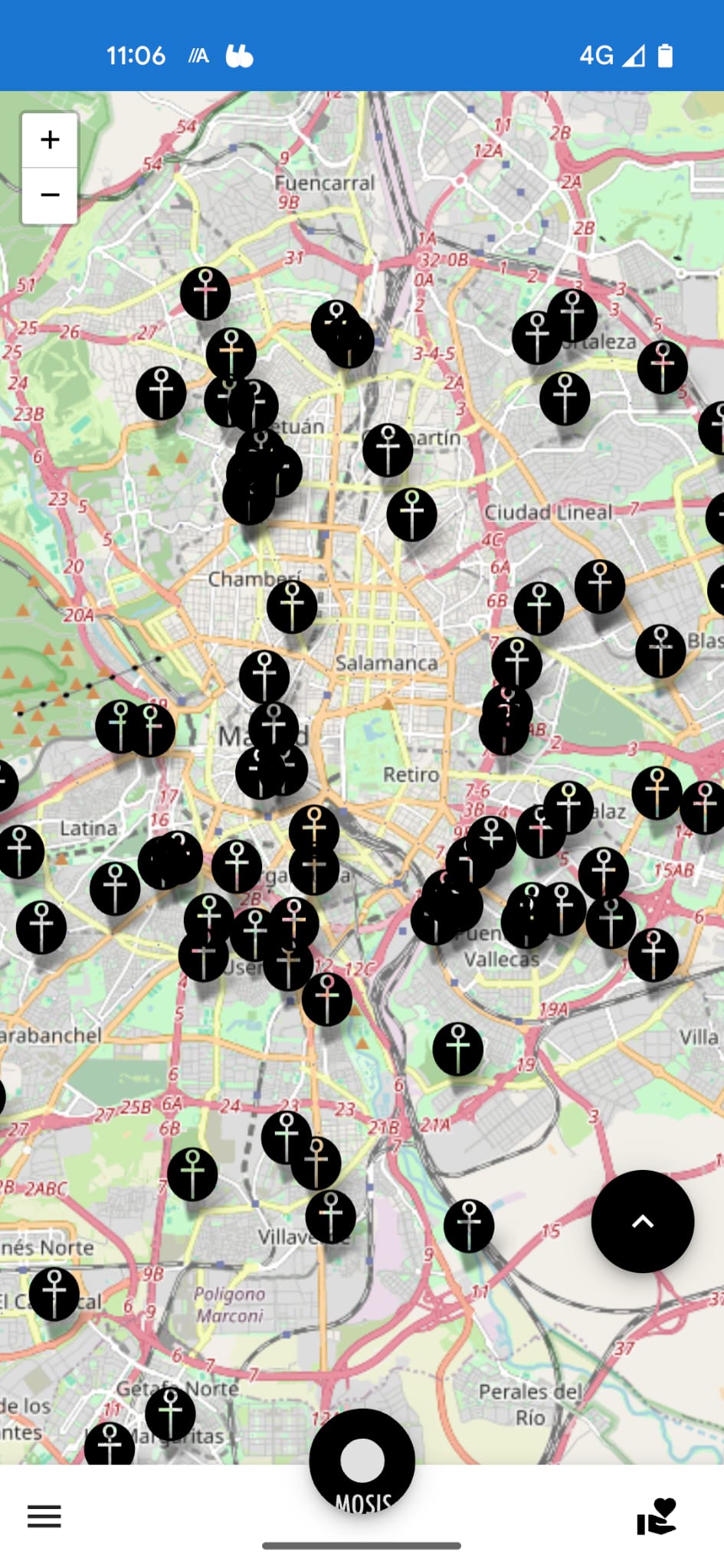
The core theme—or primary content—of this platform (Web/App) is gender-based violence, and the map is named M.A.P. because it logs the approximate location where each woman murdered by her partner was killed, offering a drawing and a narrative for each case. Equipped with an interactive geo-locator, the app on the user’s phone provides information about what is surrounding their current position, putting both the incident and the art into context, and turning the city into a sort of museum discovered while walking. All you need to do is visit this URL, download the App, and go to M.A.P.:

https://artrededor1map.fundacionmosis.com

The MOSIS Foundation (Models and Systems; Art and City) is a non-profit organization and an artistic production company that raises civic and social awareness through art, contextualizing urban situations and bringing art directly to the public. This is how Art-rededor was born: a map-based platform that displays art connected to events that occurred in a specific location, right around the neighborhood where you live or where you happen to be.

The project has been developed between 2023 and 2026. There have been several non-sequential milestones: (a) Attendance at a mentoring or acceleration program with EAE Business School; (b) The digitization of the database containing MOSIS’s visual archive on gender-based violence, which can now be used to produce cultural objects, ensuring the continuity of our activity; (c) the publication in book format of the first illustrated archive on gender-based violence in the Region of Madrid (1999–2020), a non-profit institutional dissemination tool that is also educational for training activities; (d) the creation of the Art-rededor Web/App, a GPS-connected platform that brings the user in situ to the art database, loaded with its primary content: MAP.

Project Subsidized by the Ministry of Culture, Tourism and Sports of the Region of Madrid, under the (PRTR) Recovery, Transformation and Resilience Plan, funded by the European Union (Next Generation EU).

Project carried out with the participation of Crea SGR.

Project carried out by the MOSIS team:
Research: Sergio Tombesi and Jana Leo de Blas
Concept, drawings, and texts: Jana Leo de Blas
Database and data processing: Sergio Tombesi
Data review: Borja Álvarez and Isabel Leo de Blas
Text editing: Isabel Leo de Blas
Proofreading: Isaac A. Sánchez Martín
Design: Gearóid Dolan and Jana Leo de Blas
Layout and Typesetting: Borja Álvarez Alonso
Production: Jana Leo de Blas
Videos: Oscar Villasante Ochoa and Simon Lund
Social Media: Cheché Yuguri and Borja Álvarez Alonso
Press / Media Relations: Beatriz Lucas Cabornero
Web: Simon Lund and Cristhian V. Ugo Rojas Rosas
Programming: José Enmanuel Castellanos Gonzalez
Commemorative sculptures: Simon Lund, Borja Álvarez Alonso, Jana Leo, and Isabel Leo
Administration: Sergio Tombesi

And by multiple occasional contributors, including: Cristhian V. Ugo Rojas Rosas, Sara Donoso, Francisco Almandoz Ríos, Margarita de Aizpuru, and others.
__________________________________________________
The MOSIS Foundation (Models and Systems; Art and City) is a non-profit organization and an artistic production company; its mission is to create art with civic and social awareness.
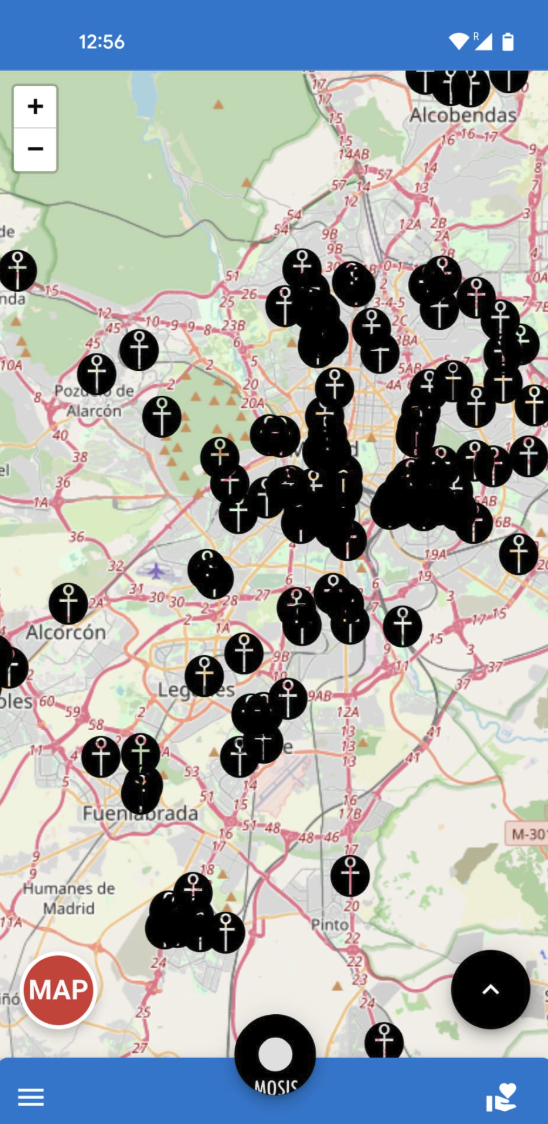

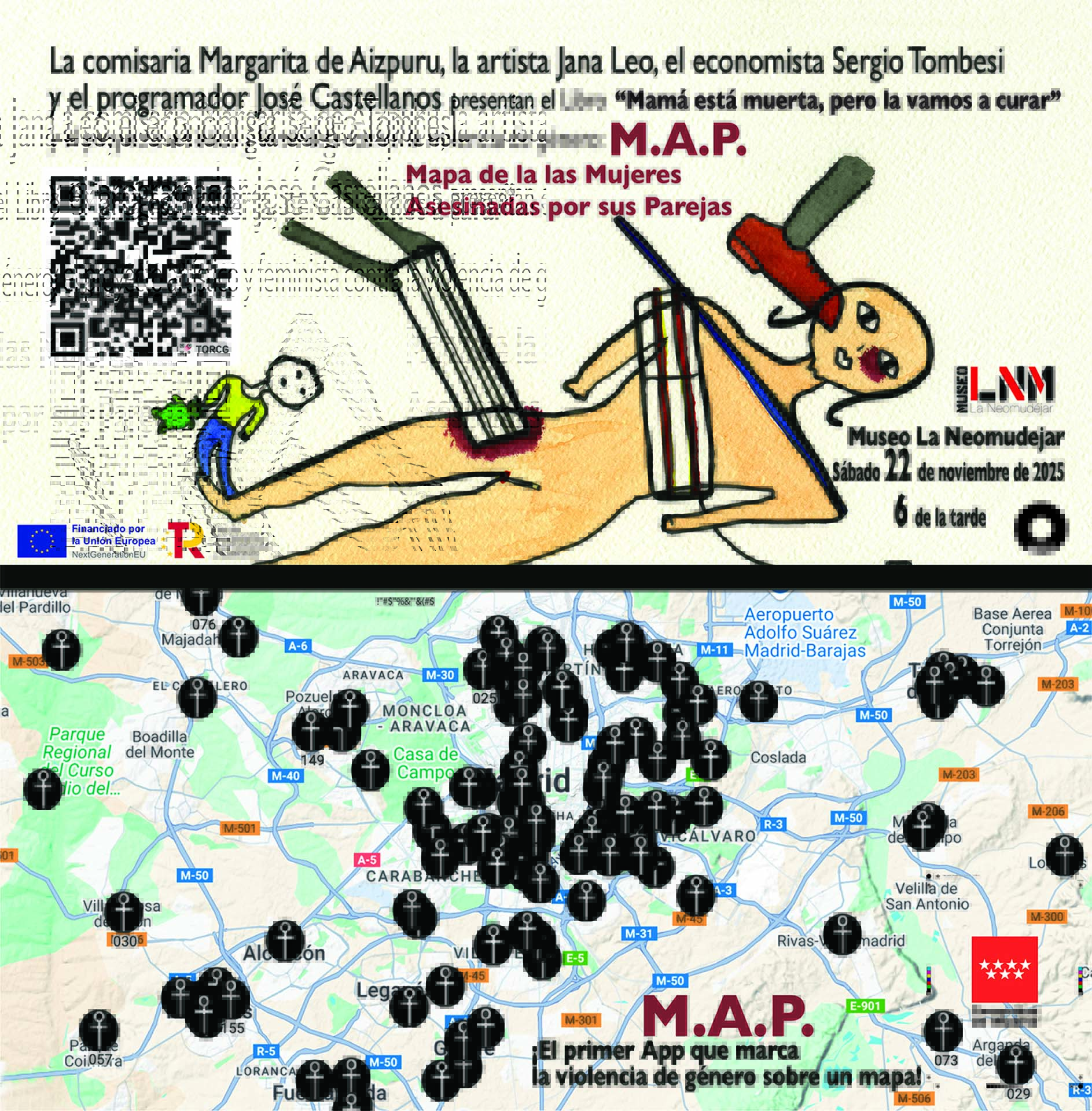
The first content of the Art-rededor App within the MOSIS Project, also known as: Current Art (MMMAP), is M.A.P. (Map of Women Murdered by their Partners). M.A.P. is the localized web version of the uxoricide archive: the 170 women who have been murdered by their husbands, or their male partners and ex-partners, in the Community of Madrid between 1999 and 2025. It notes the approximate location where each partner-inflicted murder took place, offering a short story—both written and recorded in audio—along with a drawing. To go directly to the M.A.P., follow this link (https://artrededor1map.fundacionmosis.com/).

While walking through the city looking at the artworks and re-reading the stories on the App, one imagines the presence of each person referred to by the art in the place where they lived. Having an image of the place helps to imagine how María, Natalia, Ana, Orfa, Inma, Concepción, etc., how each of them leaves her house, walks down the steps of the building’s entrance, and heads to the metro, or walks down the hill to go to the bakery, or goes shopping, or goes to work. These spaces are silent witnesses to the movements of the people within them, and although those people are no longer there, the spaces preserve their memory. The place is like a fabric, woven with the threads of memory of the daily movements of each person who inhabits or once inhabited them. This everyday space gains meaning not because of external attributes of the neighborhood, but because it holds the value of “having been there”—of being the place where one lives, regardless of what it is like, whether more central or less, more residential or less. It holds the value of each person’s life. And this is, without a doubt, the most valuable because it is irreplaceable.

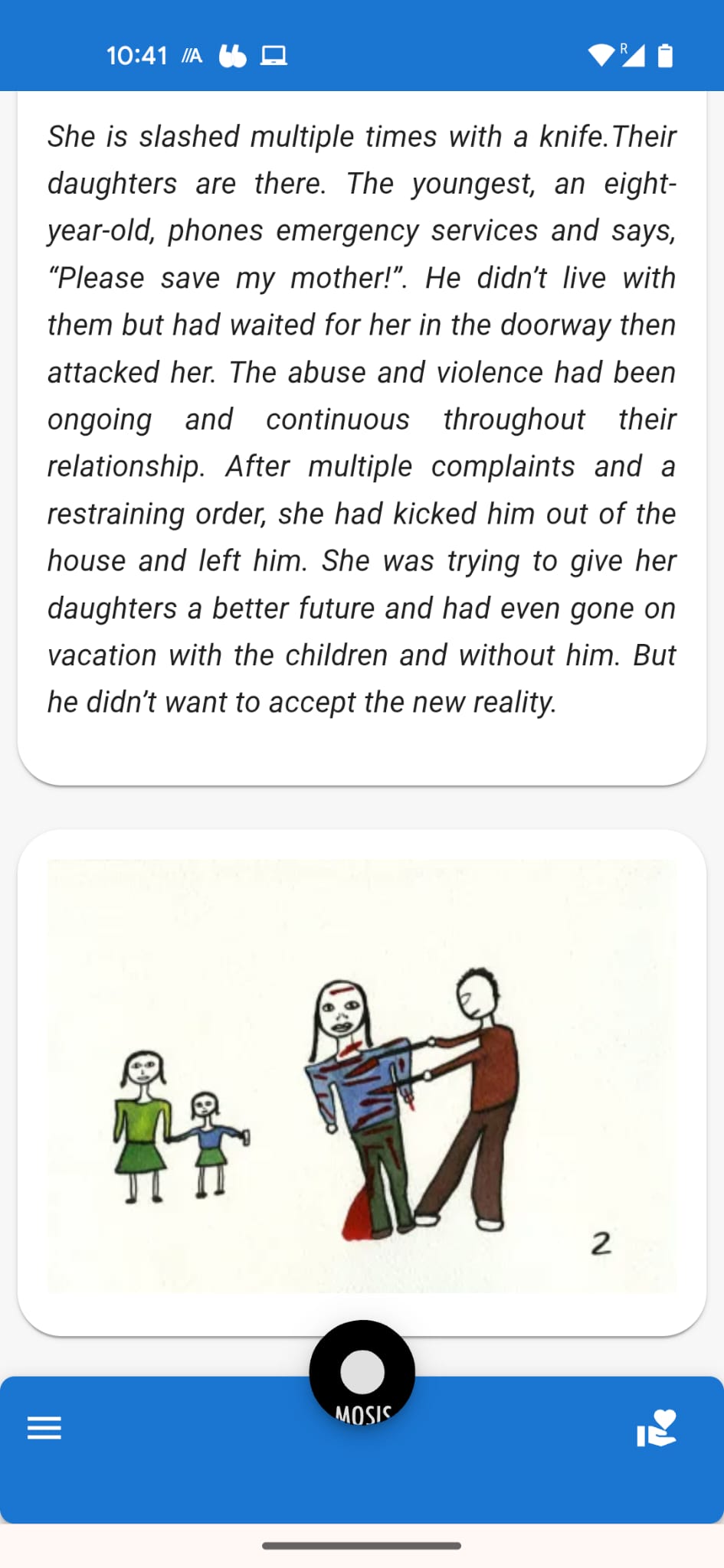
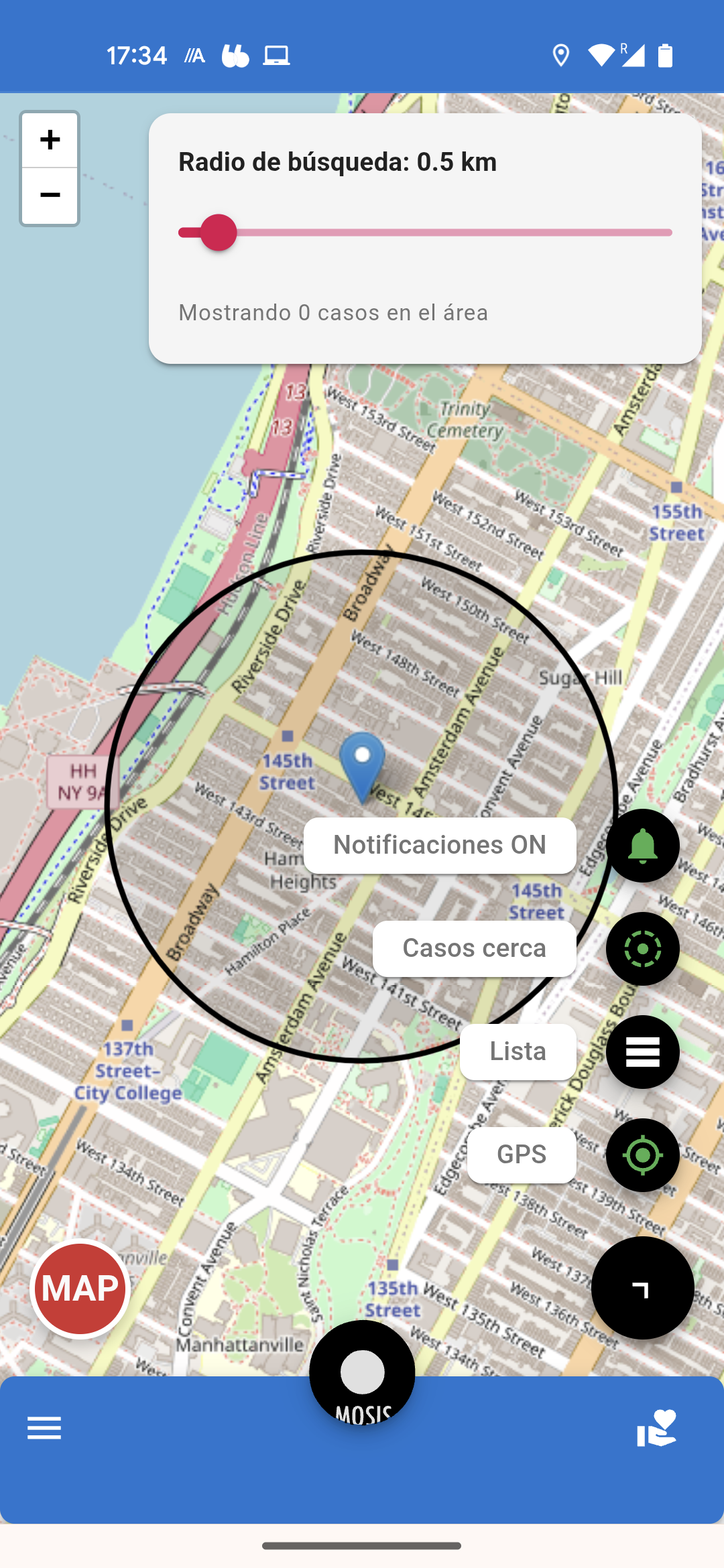
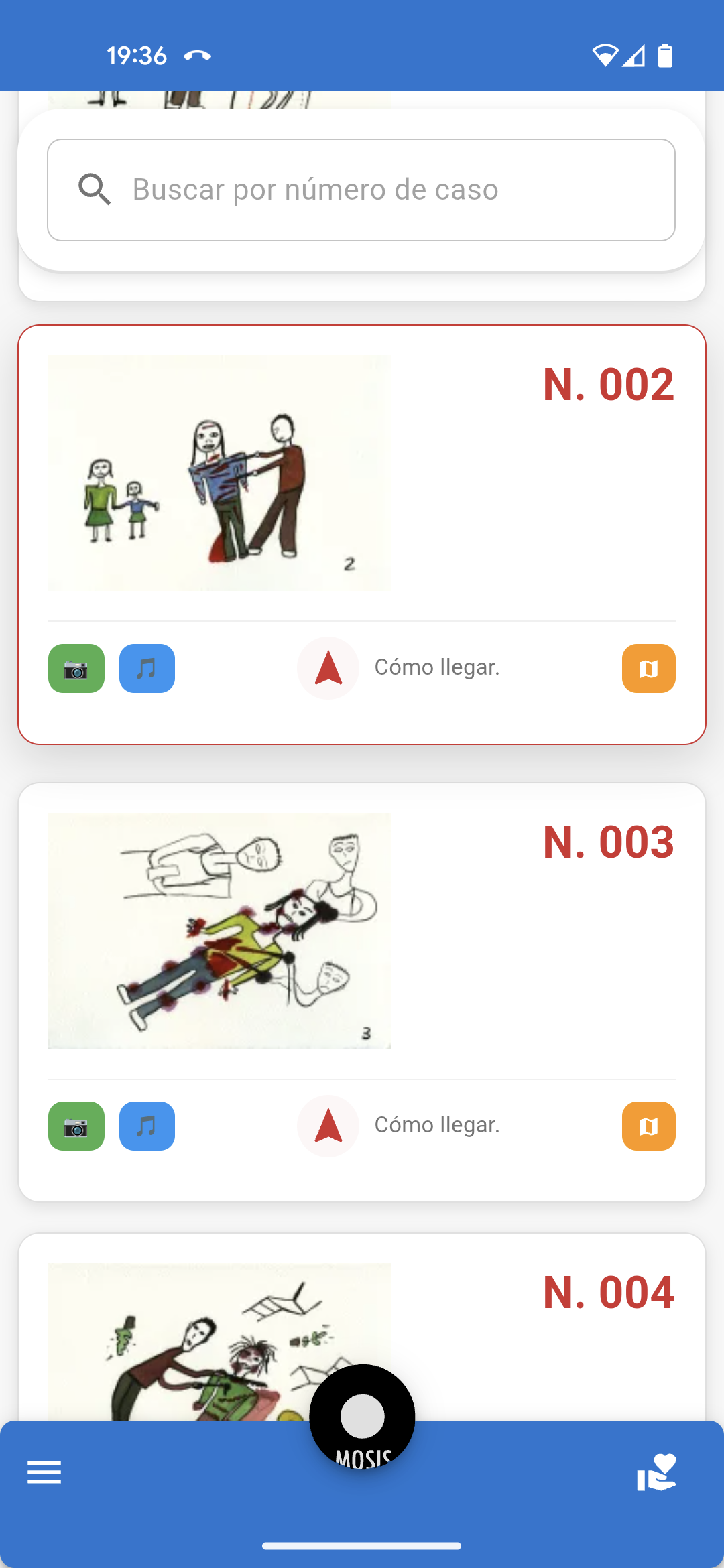
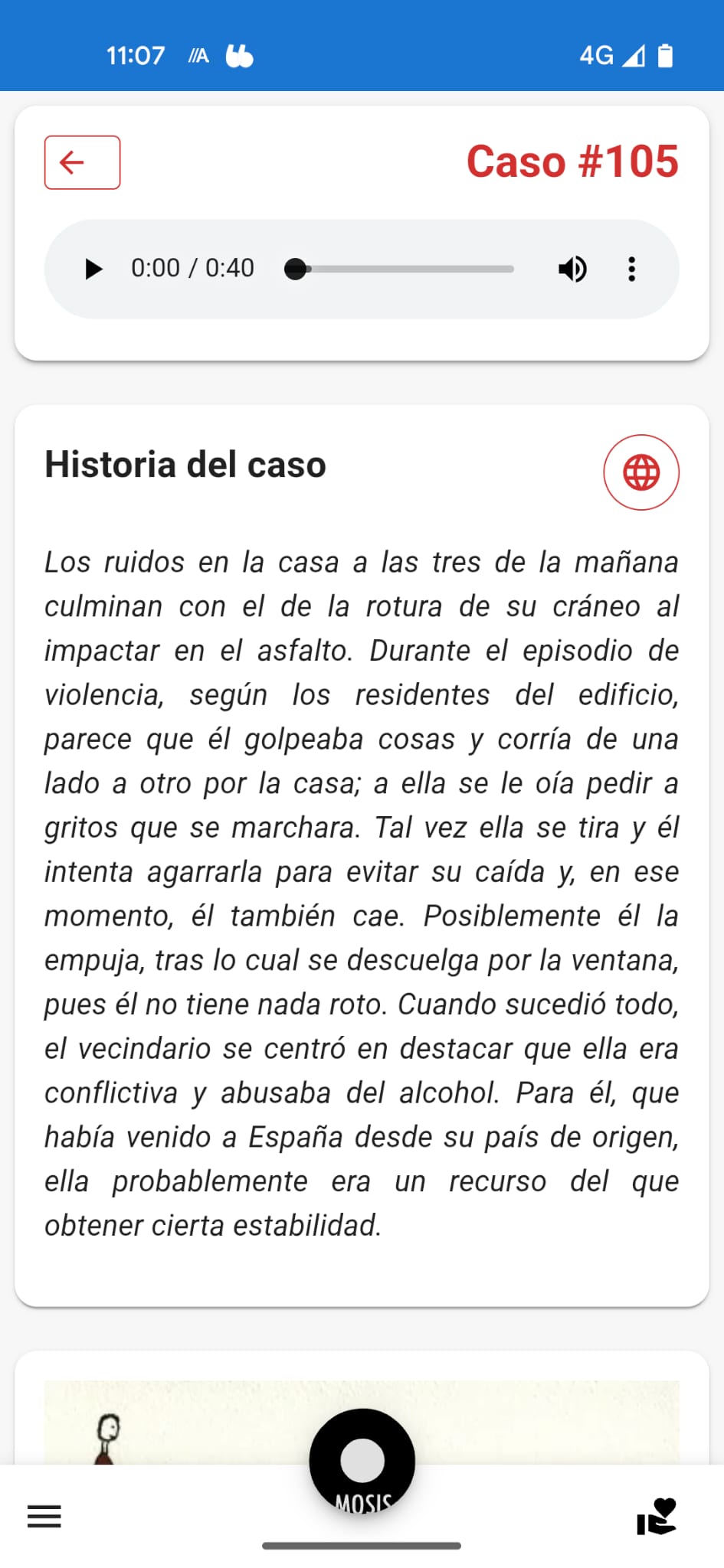
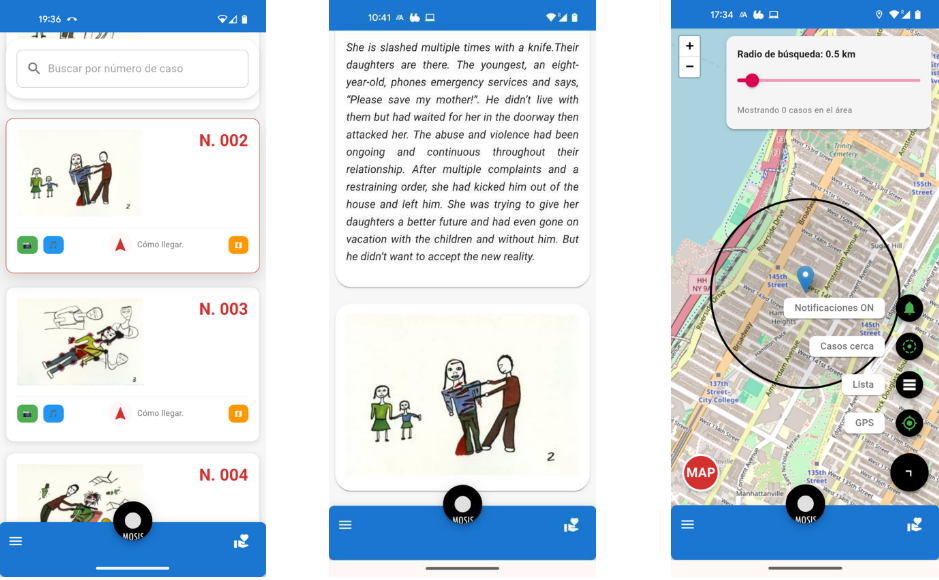
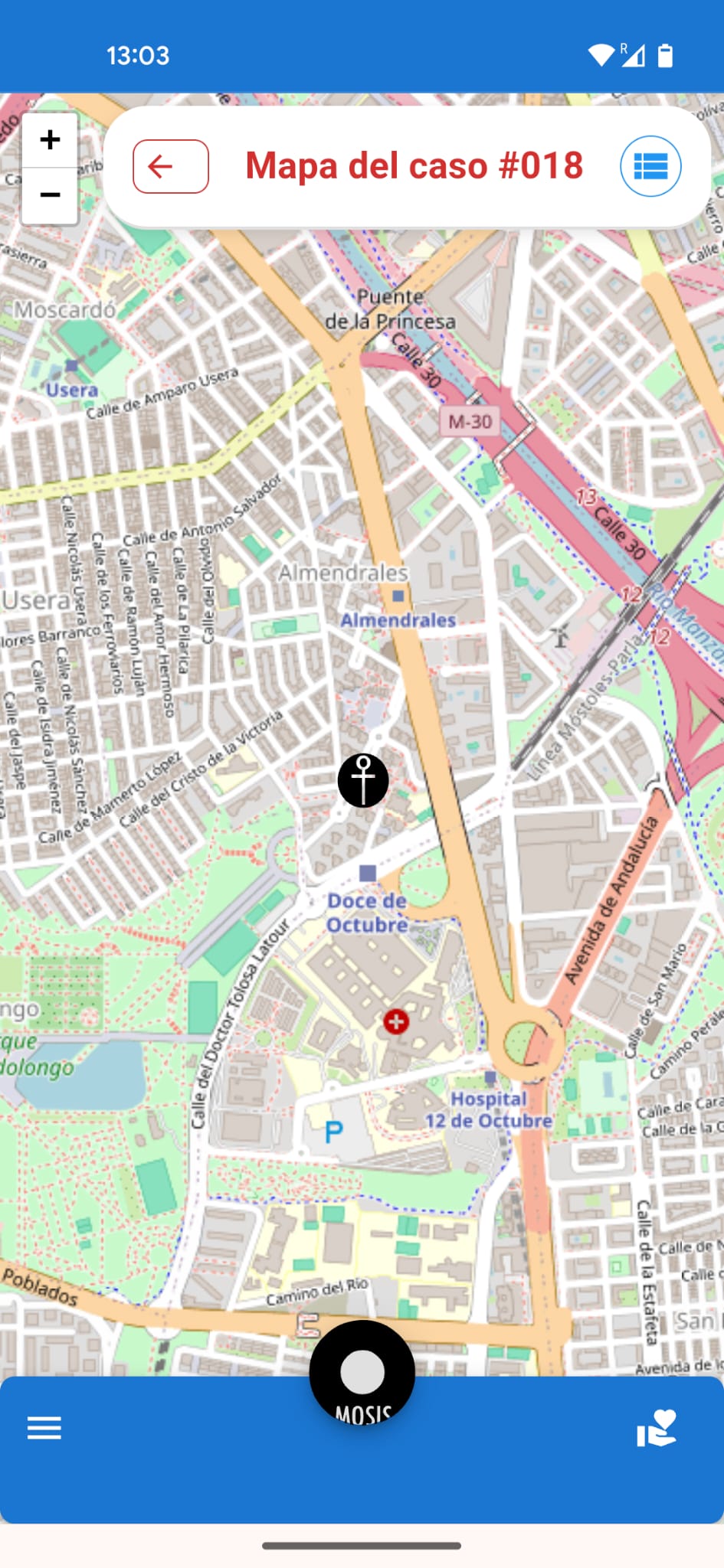
With the App activated on the phone and the GPS running, the user’s position is periodically checked against the database to determine which cases have occurred nearby. If there are any, the phone issues a notification alerting the user, who can then view a map of the surroundings showing where the cases are located. Art-rededor, M.A.P. (Map of Women Murdered by their Partners) is the localized web version of the uxoricide archive: the 170 women who have been murdered by their husbands, or their male partners and ex-partners, in the Community of Madrid between 1999 and 2025. The App can be browsed both as a map and as a list; when a case is clicked, it leads to a page with an audio track, a drawing, and a text, the latter with the option of an English translation. When “how to get there” is clicked, a new map opens that locates the case on the map. In the bottom left corner, an arrowhead icon appears; when you have Notifications and Nearby Cases enabled, and GPS ON (in green), it will send you an alert indicating the cases near your location.

With a minimal gesture—creating and installing artworks—it includes individual stories within the collective memory and views history as a continuous line rather than a rope with knots or monumental events. Specifically, an artwork about gender-based violence that is recognized while visiting the city creates a vision so that violence stops being conceived as a mere phenomenon (an event and its news report, reflected quantitatively in statistics) and is seen instead as a history of individuals and part of “History” with a capital H—that is, historical memory. Recognition is then a way to find a path that generates necessary structural changes. The M.A.P. icon is a juxtaposition of the cross (or death) icon and the woman icon to speak of the murder of women, and it was created by the artist Simon Lund to mark on the map deaths caused by gender-based violence, which we refer to as uxoricide.

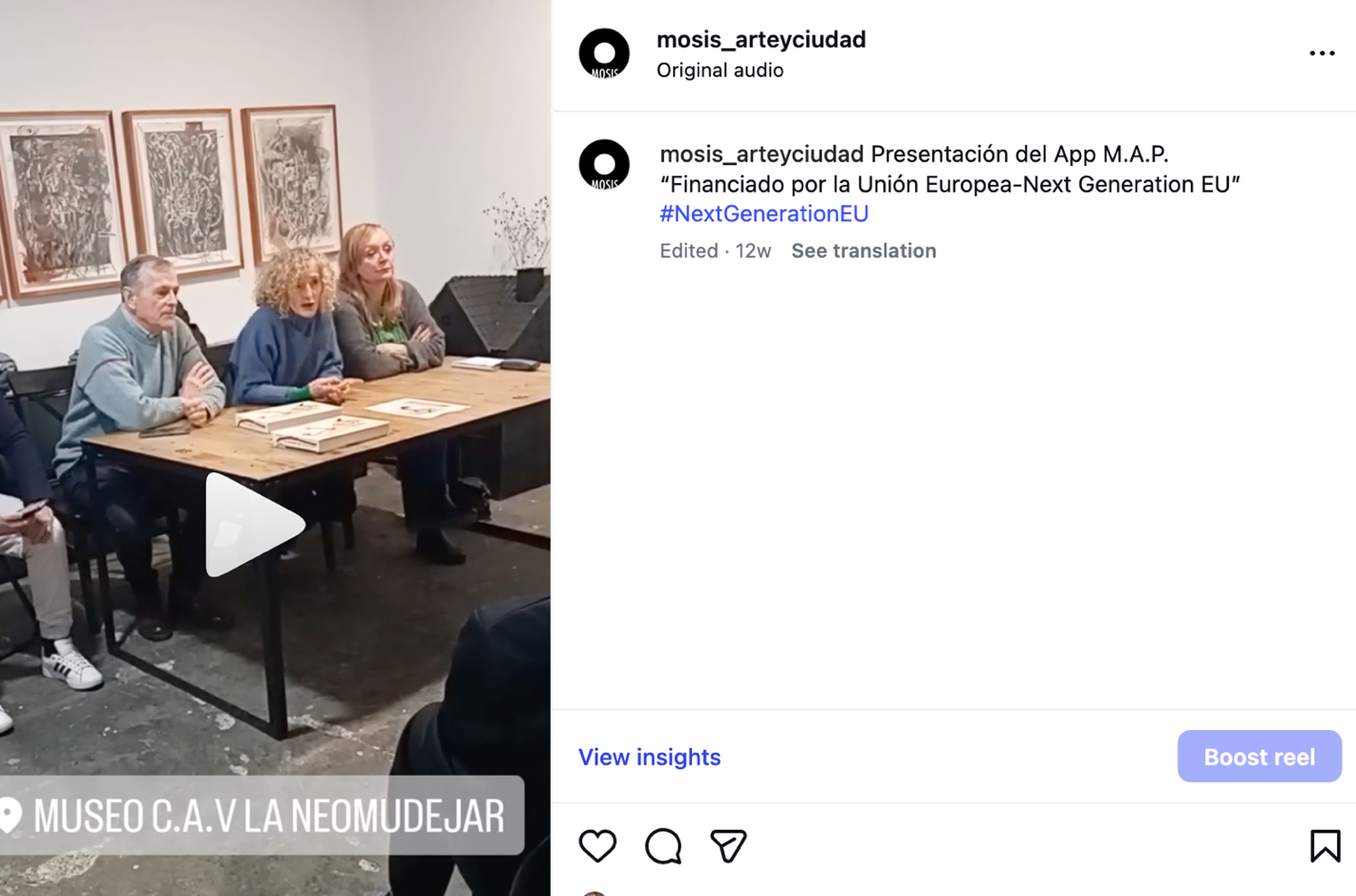
This first content of the App was presented in November 2025 at LaNeomudejar in Madrid, and there have been presentations in other venues on several occasions.

VIDEOMOSIS:https://www.youtube.com/watch?v=huSHKuwyTm0

Project subsidized by the Regional Ministry of Culture, Tourism, and Sports of the Community of Madrid, under the (PRTR) Recovery, Transformation, and Resilience Plan, funded by the European Union (NextGenerationEU).

Project carried out with the participation of crea SGR.


Project carried out by the MOSIS team:
Research: Sergio Tombesi and Jana Leo de Blas
Idea, drawings, and texts: Jana Leo de Blas
Database and data processing: Sergio Tombesi
Data review: Borja Álvarez and Isabel Leo de Blas
Text editing: Isabel Leo de Blas
Copy editing: Isaac A. Sánchez Martín
Design: Gearóid Dolan and Jana Leo de Blas
Layout and typesetting: Borja Álvarez Alonso
Production: Jana Leo de Blas
Videos: Oscar Villasante Ochoa and Simon Lund
Social Media: Cheché Yuguri and Borja Álvarez Alonso
Press: Beatriz Lucas Cabornero
Web: Simon Lund and Cristhian V. Ugo Rojas Rosas
Programming: José Enmanuel Castellanos Gonzalez
Commemorative sculptures: Simon Lund, Borja Álvarez Alonso, Jana Leo and Isabel Leo
Administration: Sergio Tombesi
And multiple occasional collaborators, including: Cristhian V. Ugo Rojas Rosas, Sara Donoso, Francisco Almandoz Ríos, Margarita de Aizpuru and others.


The MOSIS Foundation (Models and Systems; Art and City) is a non-profit organization and an art production company whose mission is to create art with civic and social awareness.
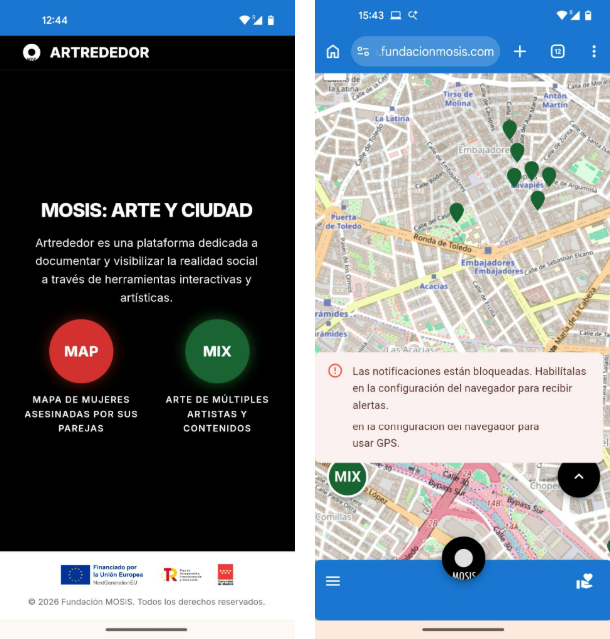
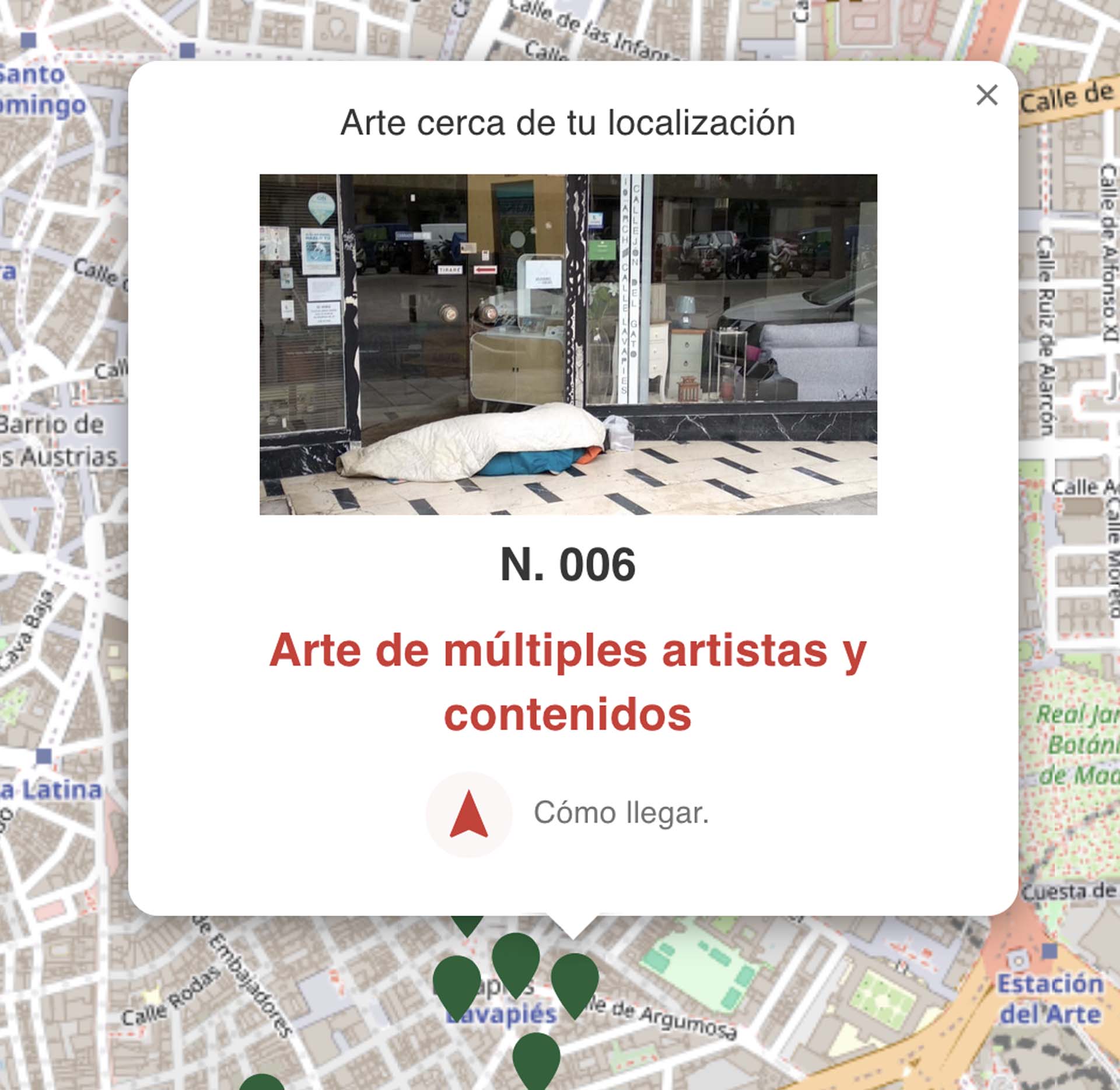
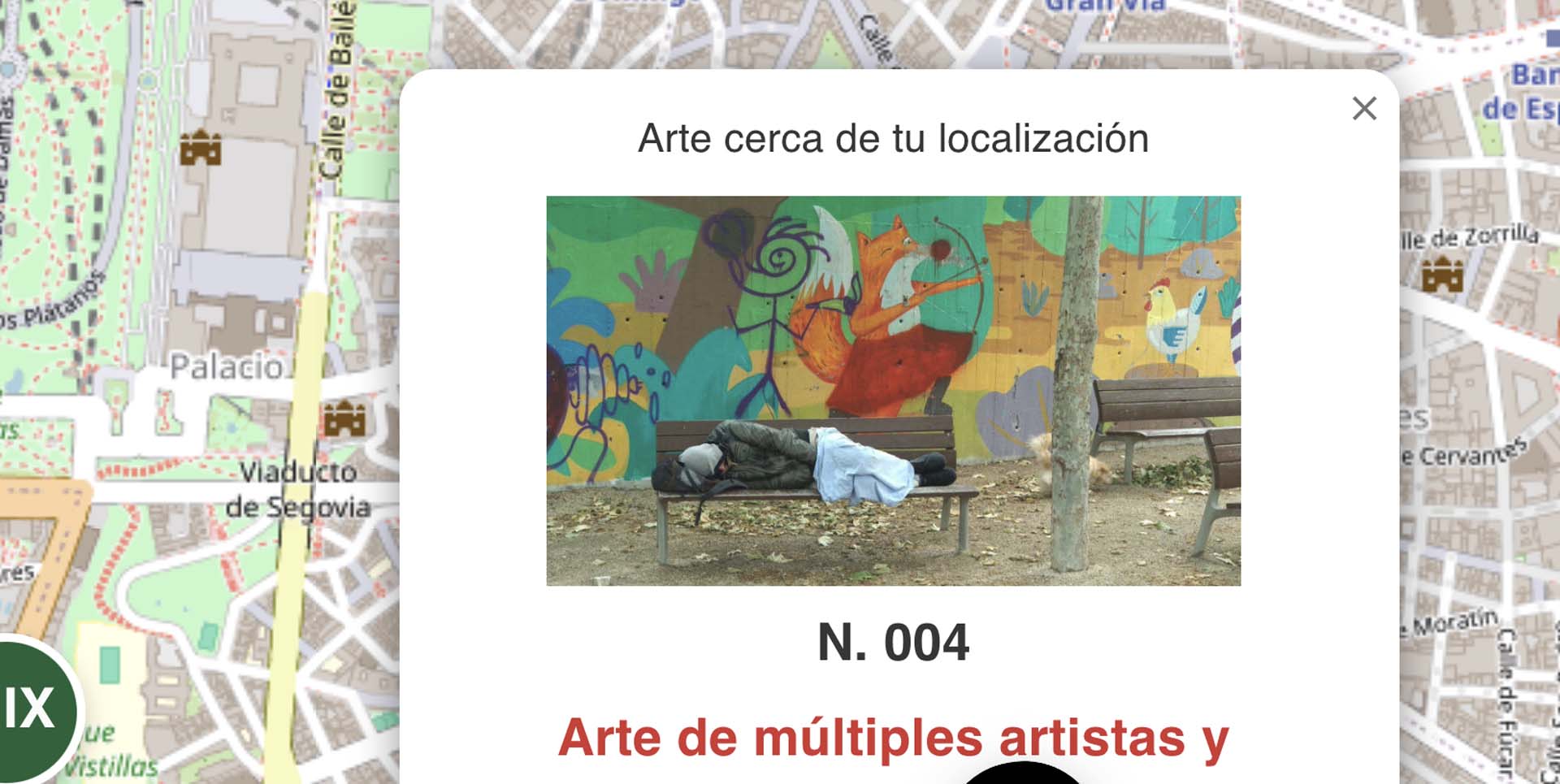
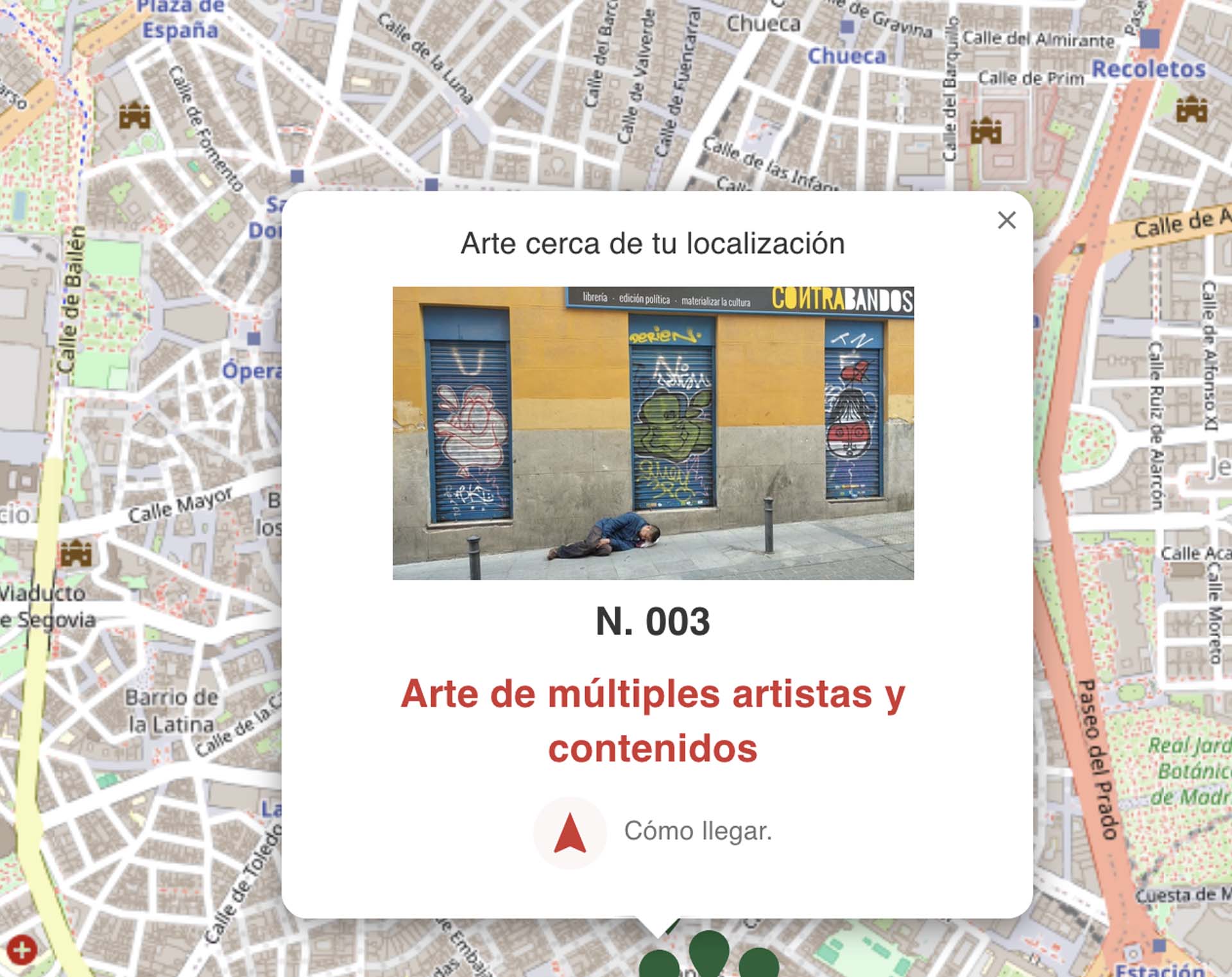
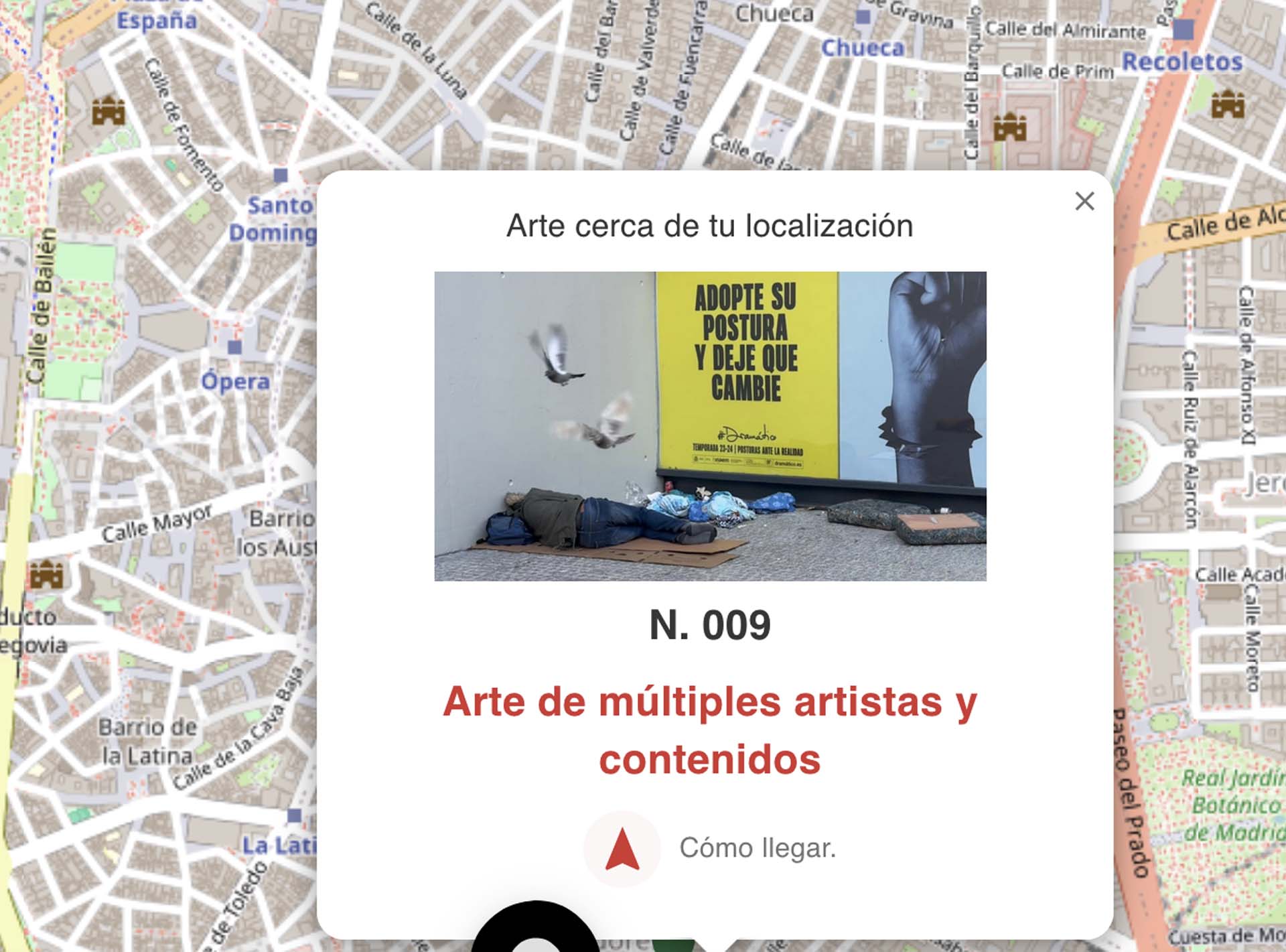
Art-rededor is a platform that hosts social art on the map where it occurred; it is art that refers to events that took place in the city, using it as a platform for its localized artworks. We have put it to work for other content by making it available to other artists and collectives, module 2 (called MIX). This platform is offered to other artists, collectives, or will host more content from MOSIS. Over time, Art-rededor will be a map with many layers of content, like an urban onion that records social reality through art.

The idea of making a web/App about social art, and specifically about art that originates from something that happened in a place, has the objective of considering the value of spaces for what happens in them and resisting giving value to what is attractive from a tourist perspective; that is why, beyond the App’s content of art with social impact, it is important to value spaces that are neither “picturesque” nor peculiar but are deeply meaningful and valuable for the life that takes place in them. On the other hand, localization has a lot to do with something that happens in a place, as it provides a contextualized and therefore profound vision of the event. This is what has led us to commit to “localization art,” the essence of which is in the Art-rededor App.

Making art of “place-making” (lugarización) or art that originates from something that happened in a place, instead of contributing to “touristifying” the city—even in its neighborhoods and peripheries—seeks to give value to spaces for the life that unfolds within them. It conceives the city as a space of people, deeply meaningful because of what happens to them. It is the quality of the human city versus the monumental city, the latter being a touristifiable, picturesque, and peculiar space. Localizing the event is not about stigmatizing the place, but about providing a contextualized and therefore profound vision of it, which helps capture the nature of the situation. We must reverberate the mantra of Situationism, an artistic movement of the 50s and 60s that emphasizes wandering and experience, encouraging walking the city and experiencing space as something emotional (psychogeography); for Situationism, it is the walk itself that distances the vision of the city from being a compendium of consumables and a merely functional urbanization.

Project subsidized by the Regional Ministry of Culture, Tourism, and Sports of the Community of Madrid, under the (PRTR) Recovery, Transformation, and Resilience Plan, funded by the European Union (NextGenerationEU).

Project carried out with the participation of crea SGR.

Research: Sergio Tombesi and Jana Leo de Blas
Idea, drawings, and texts: Jana Leo de Blas
Database and data processing: Sergio Tombesi
Data review: Borja Álvarez and Isabel Leo de Blas
Text editing: Isabel Leo de Blas
Copy editing: Isaac A. Sánchez Martín
Design: Gearóid Dolan and Jana Leo de Blas
Layout and typesetting: Borja Álvarez Alonso
Production: Jana Leo de Blas
Videos: Oscar Villasante Ochoa and Simon Lund
Social Media: Cheché Yuguri and Borja Álvarez Alonso
Press: Beatriz Lucas Cabornero
Web: Simon Lund and Cristhian V. Ugo Rojas Rosas
Programming: José Enmanuel Castellanos Gonzalez
Commemorative sculptures: Simon Lund, Borja Álvarez Alonso, Jana Leo and Isabel Leo
Administration: Sergio Tombesi
And multiple occasional collaborators, including: Cristhian V. Ugo Rojas Rosas, Sara Donoso, Francisco Almandoz Ríos, Margarita de Aizpuru and others.


The MOSIS Foundation, Models and Systems; Art and City is a non-profit organization and an art production company, its mission is to create art with civic and social awareness.

Authors; Jana Leo and Sergio Tombesi
Size 285 x 195 mm
300 pages
Hardcover and full color
ISBN 978-84-129076-0-5

Summary printed in the book: MOSIS tells the stories of 132 women murdered by their male partners, turning these events into literature and art. Each story opens a path to be moved by, to identify with, and to react to. By staging the death with a drawing and recounting the sequence of events in the text, I urge that prevention be directed toward instructing the abusers rather than the victims, who are often blamed for being victims. Many of the women in this archive did everything possible to avoid becoming victims of gender-based violence, and yet they were still murdered. A woman should not carry the burden of staying alert to avoid being a victim. The stories and drawings reveal the signs of abuse, the spiral of manipulation, and the modus operandi of the violent man. Exposing the patterns of aggression and showing, by contrast, what is missing—respect and support—is the simplest way to raise awareness so that a potential abuser does not become one, in fact.”

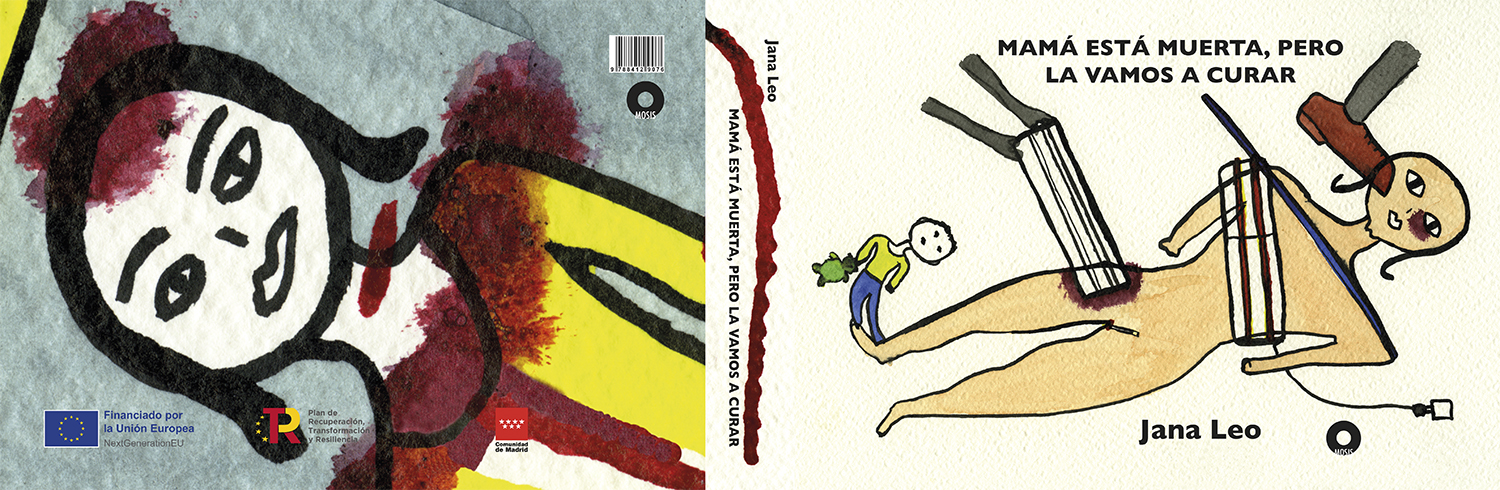
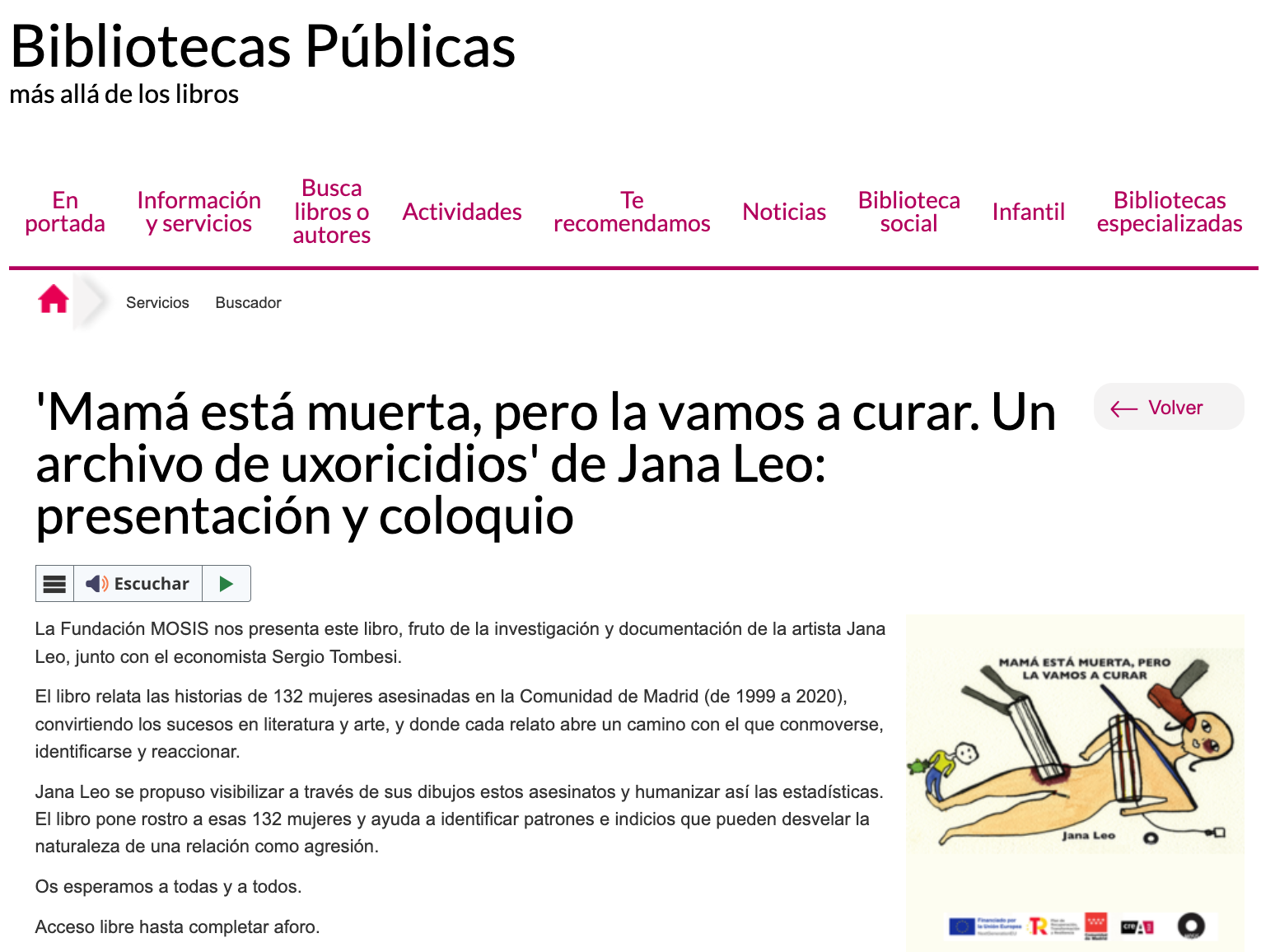
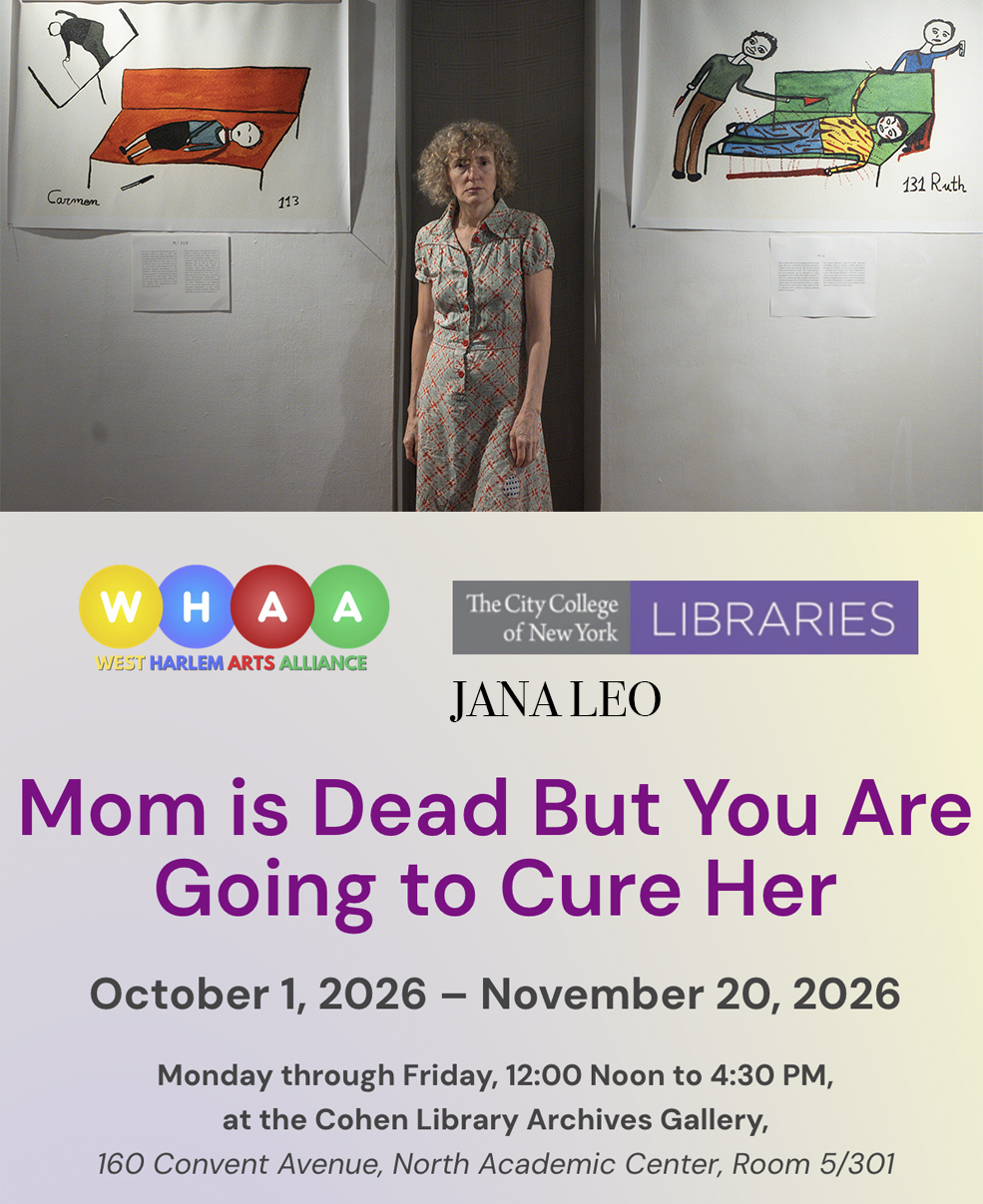
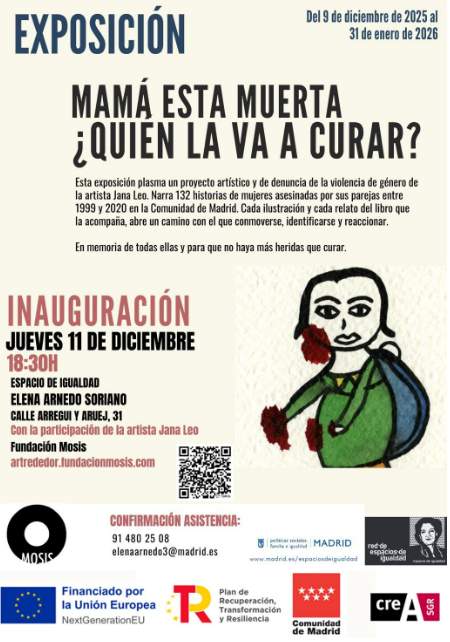
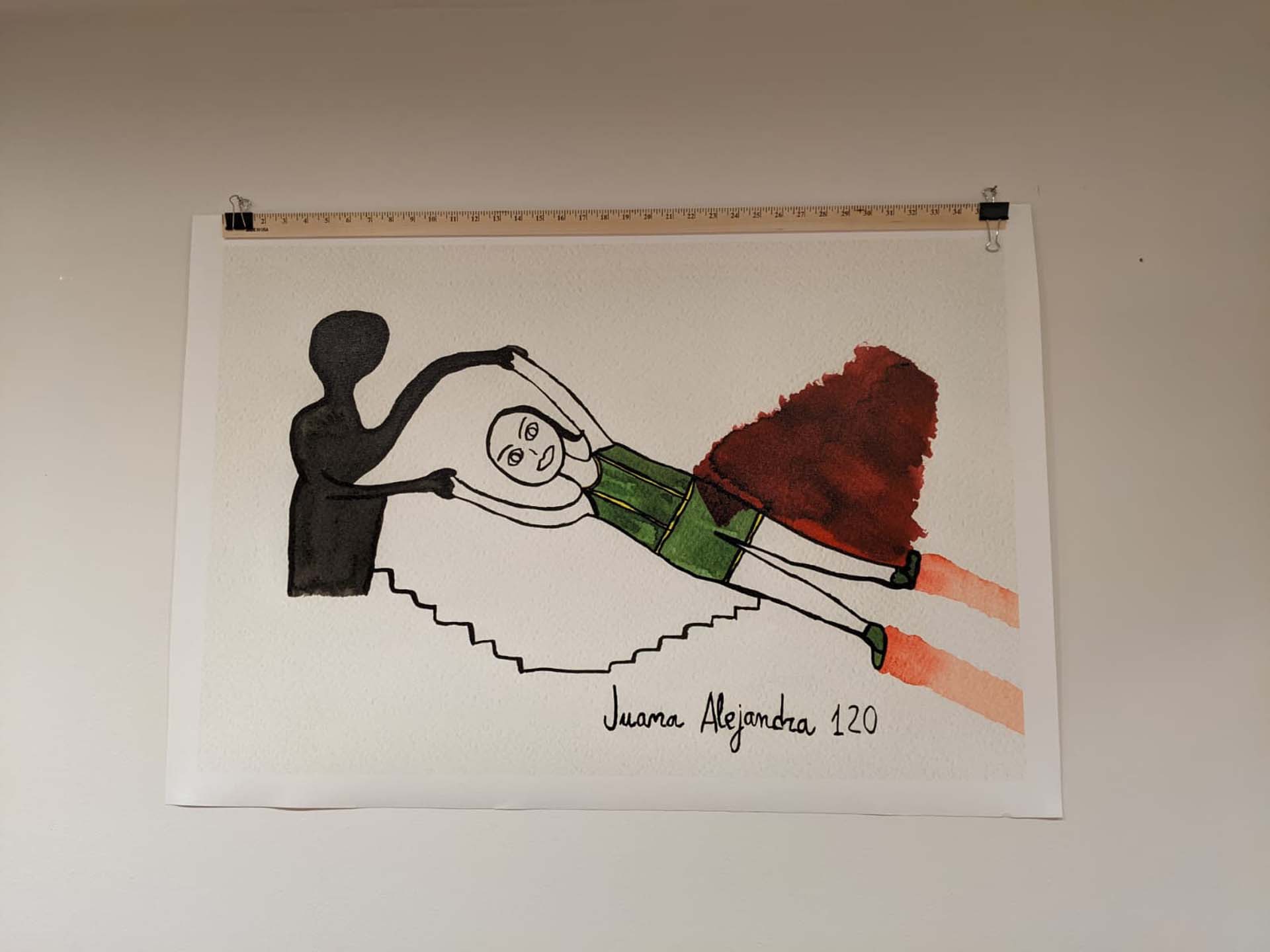
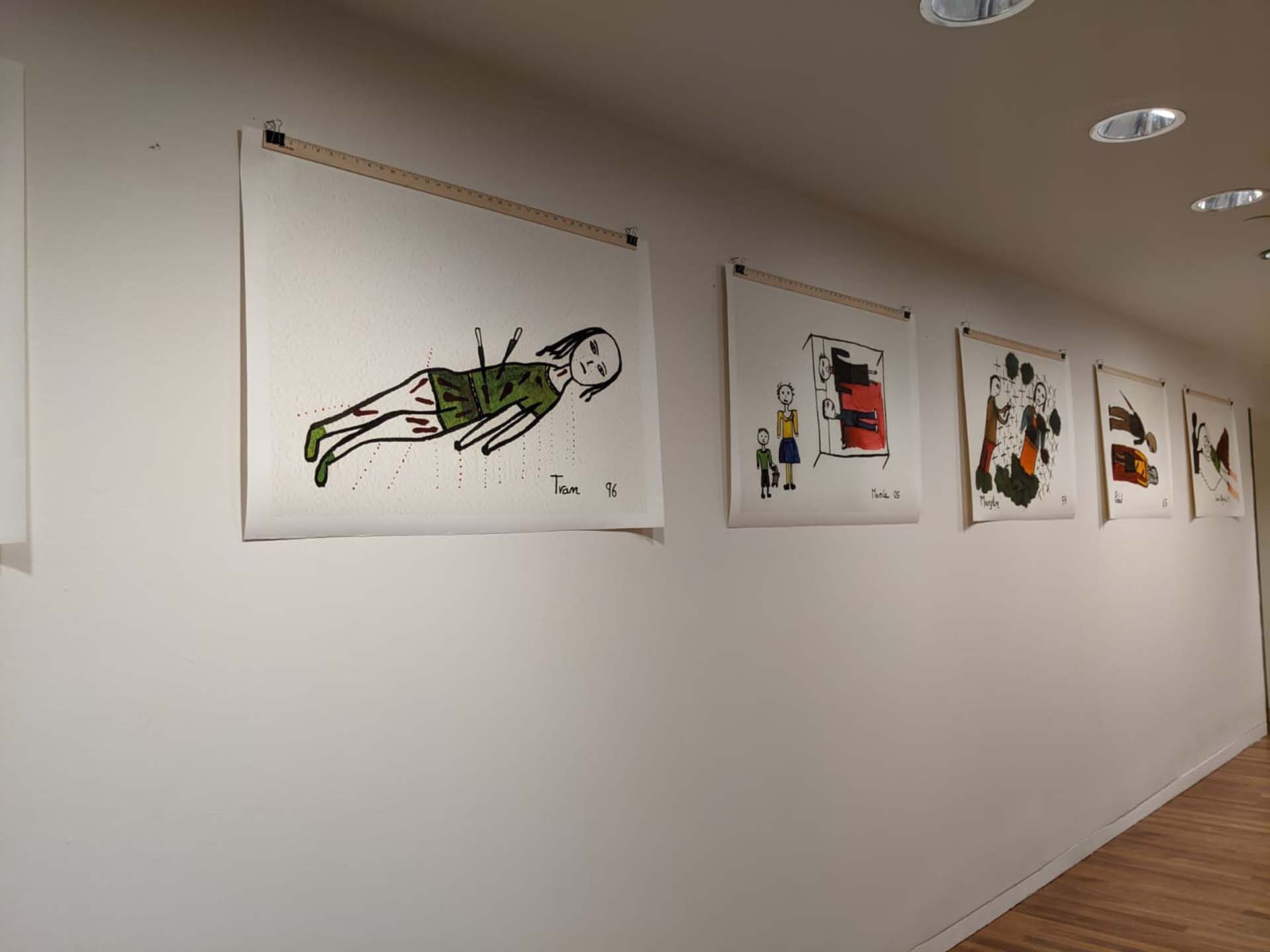
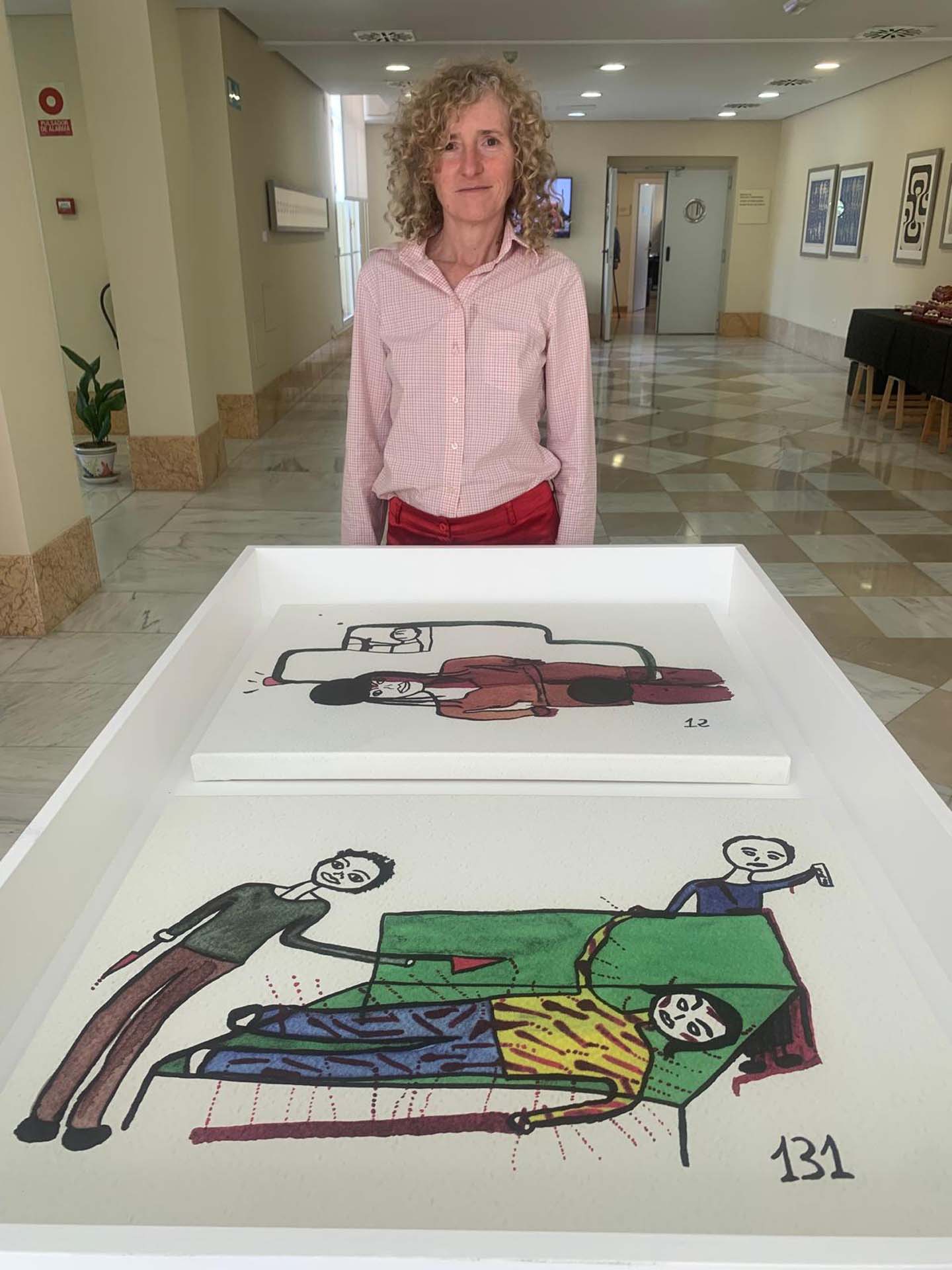
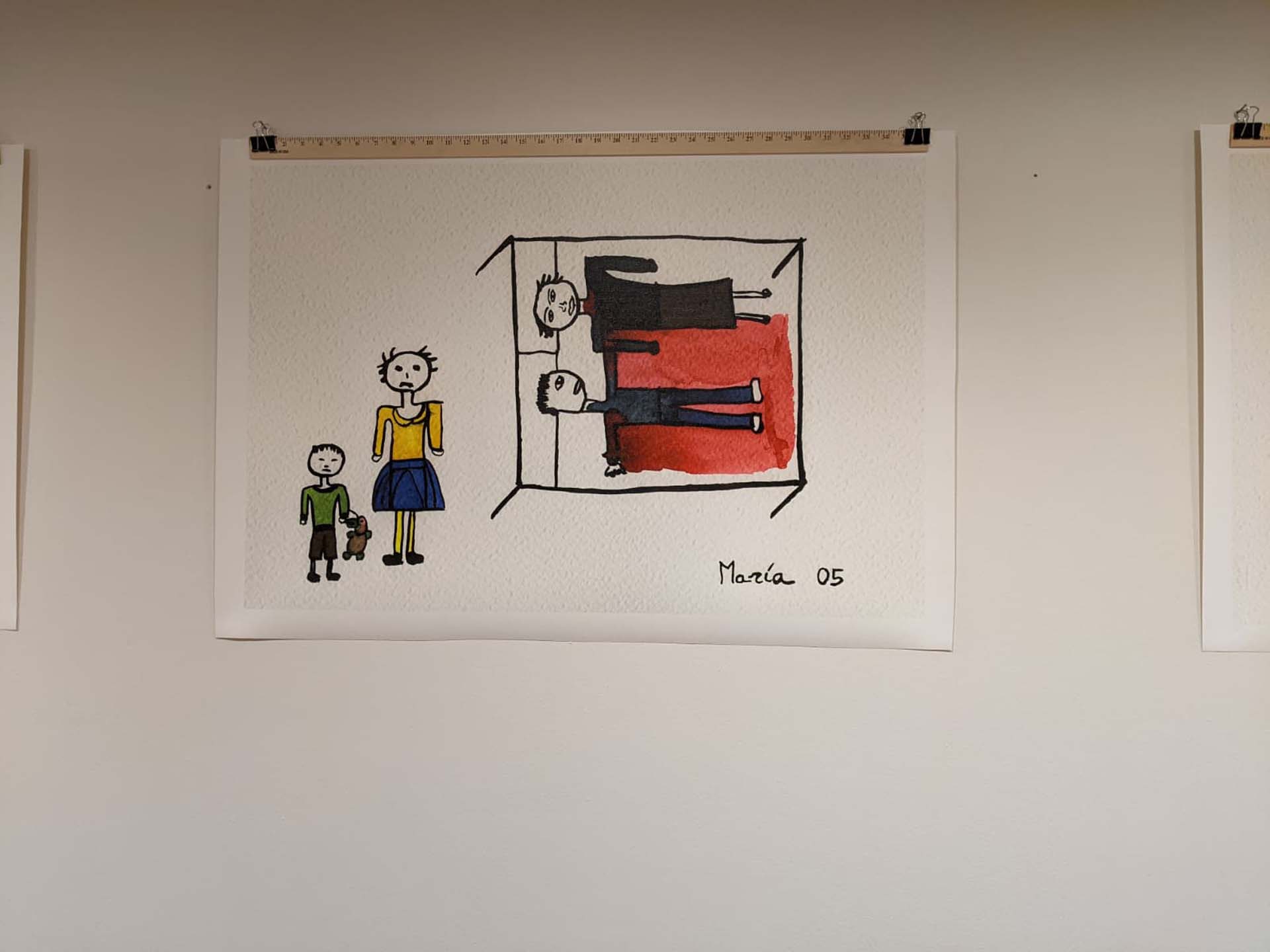
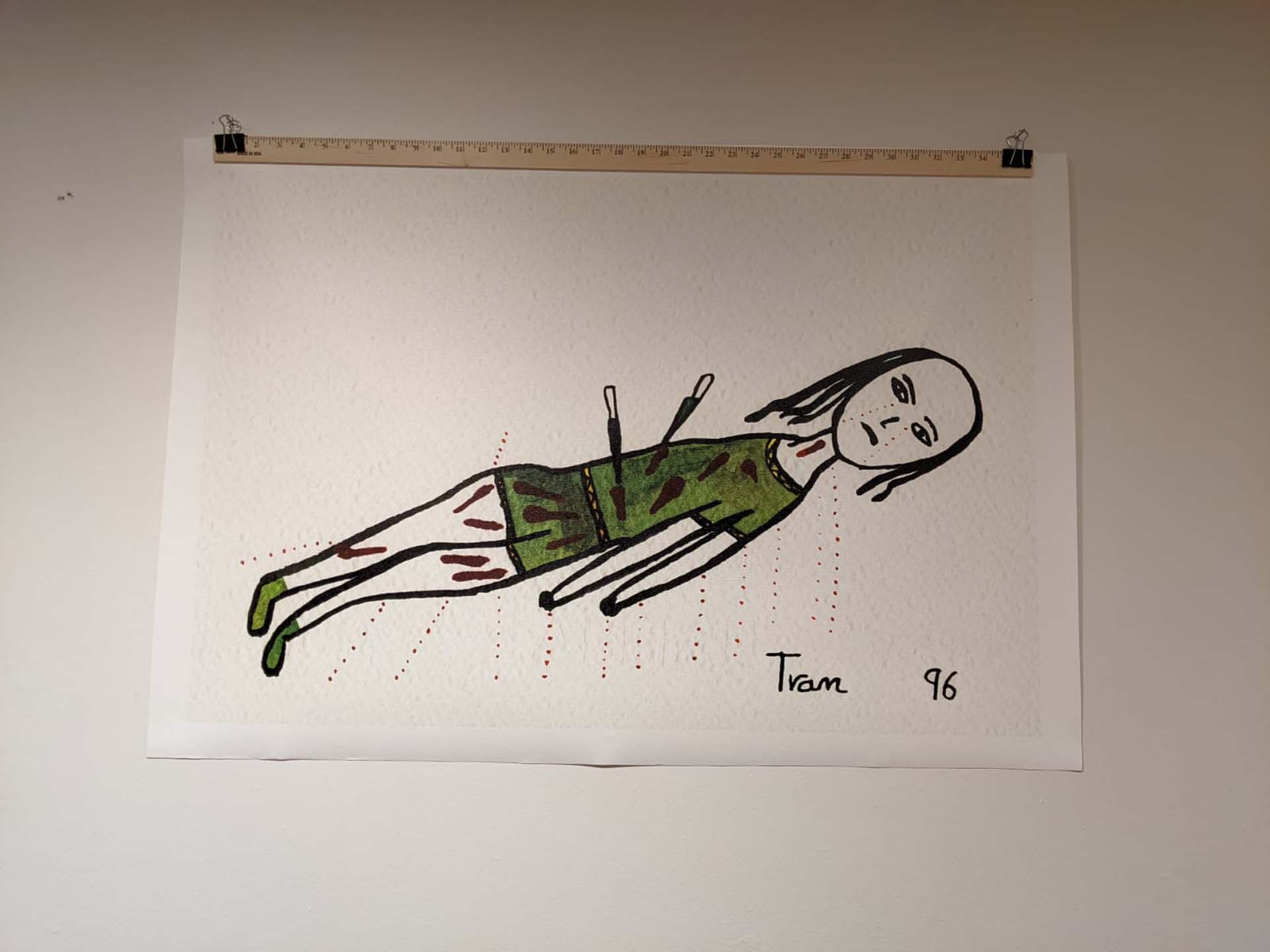
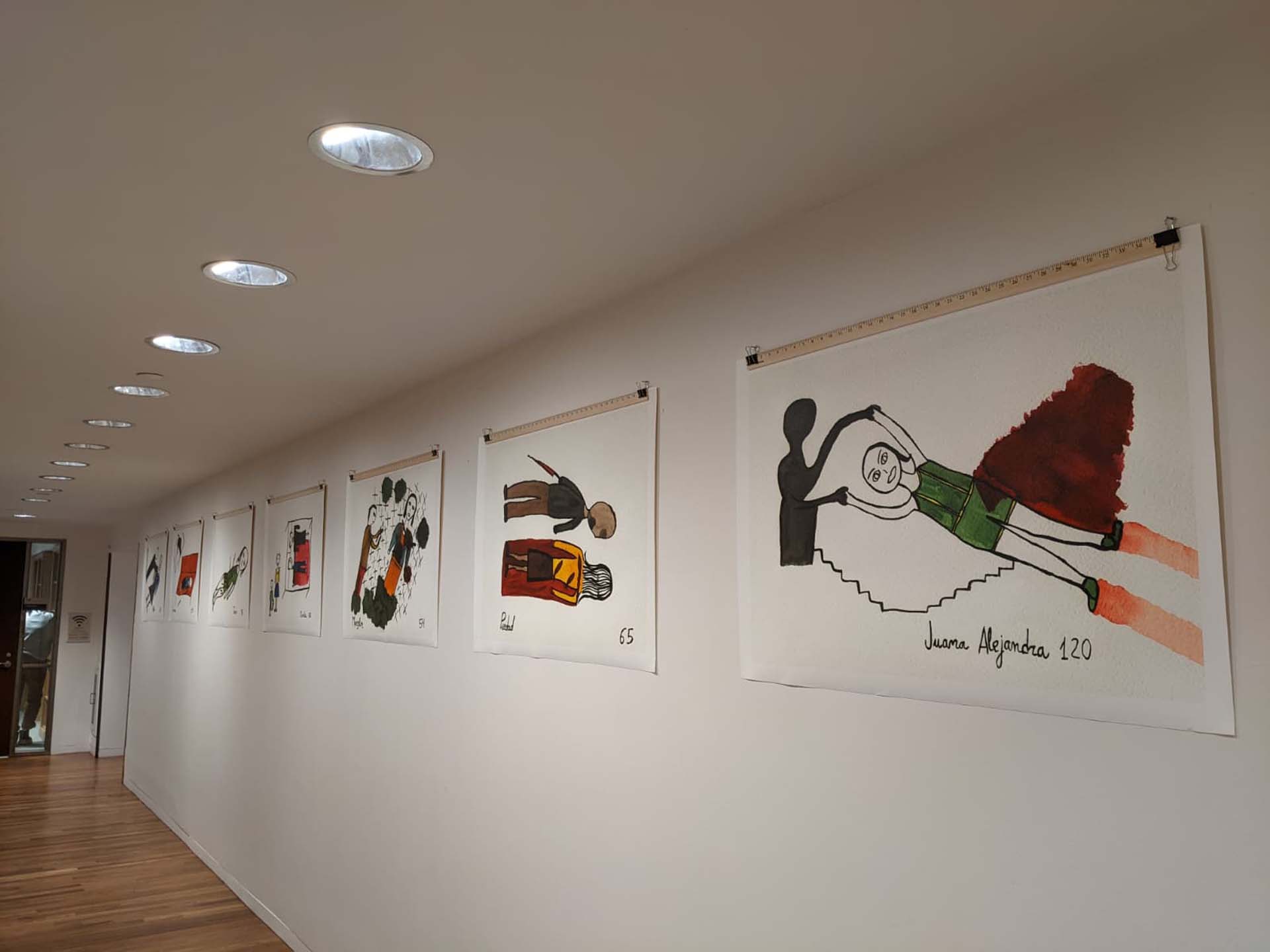
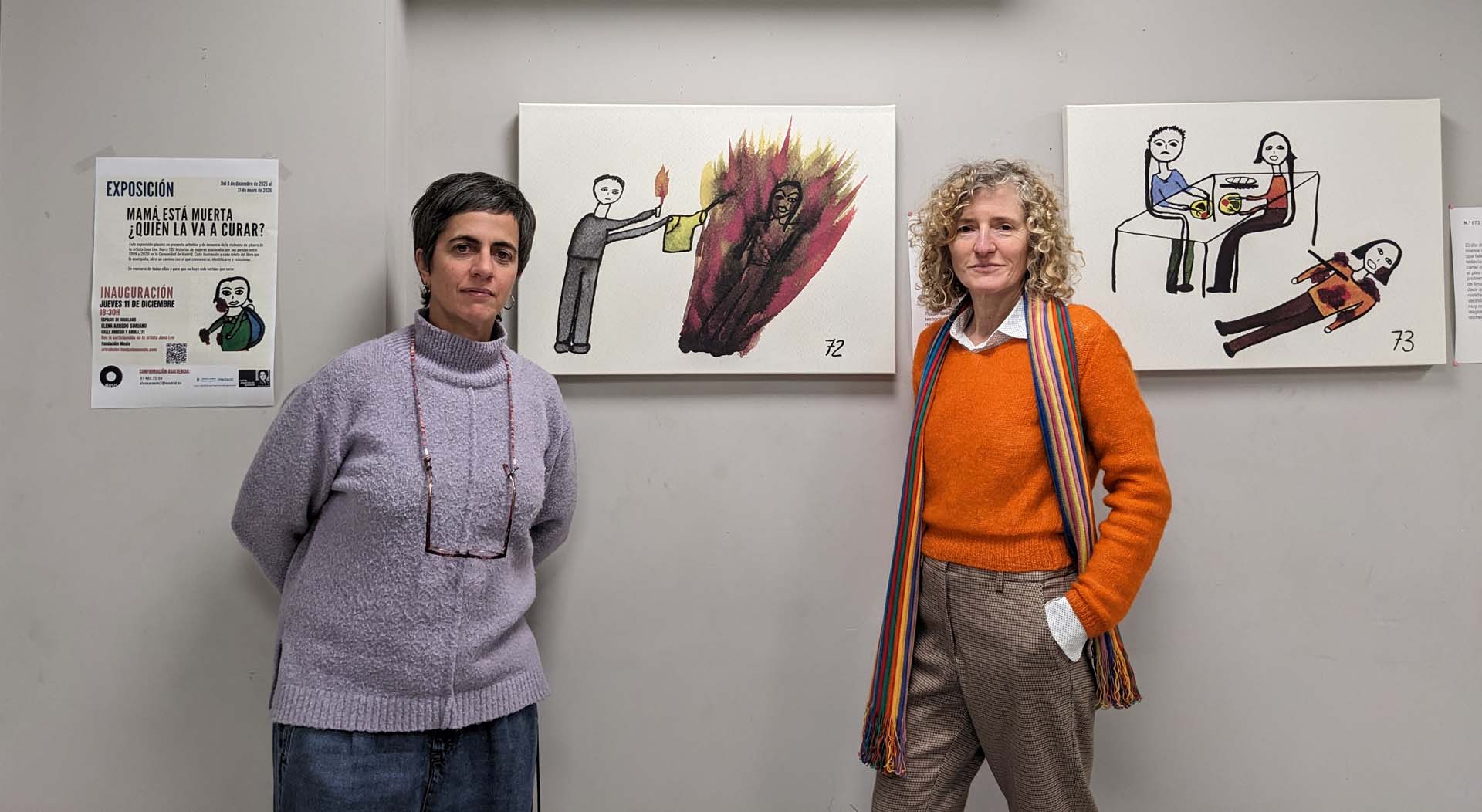
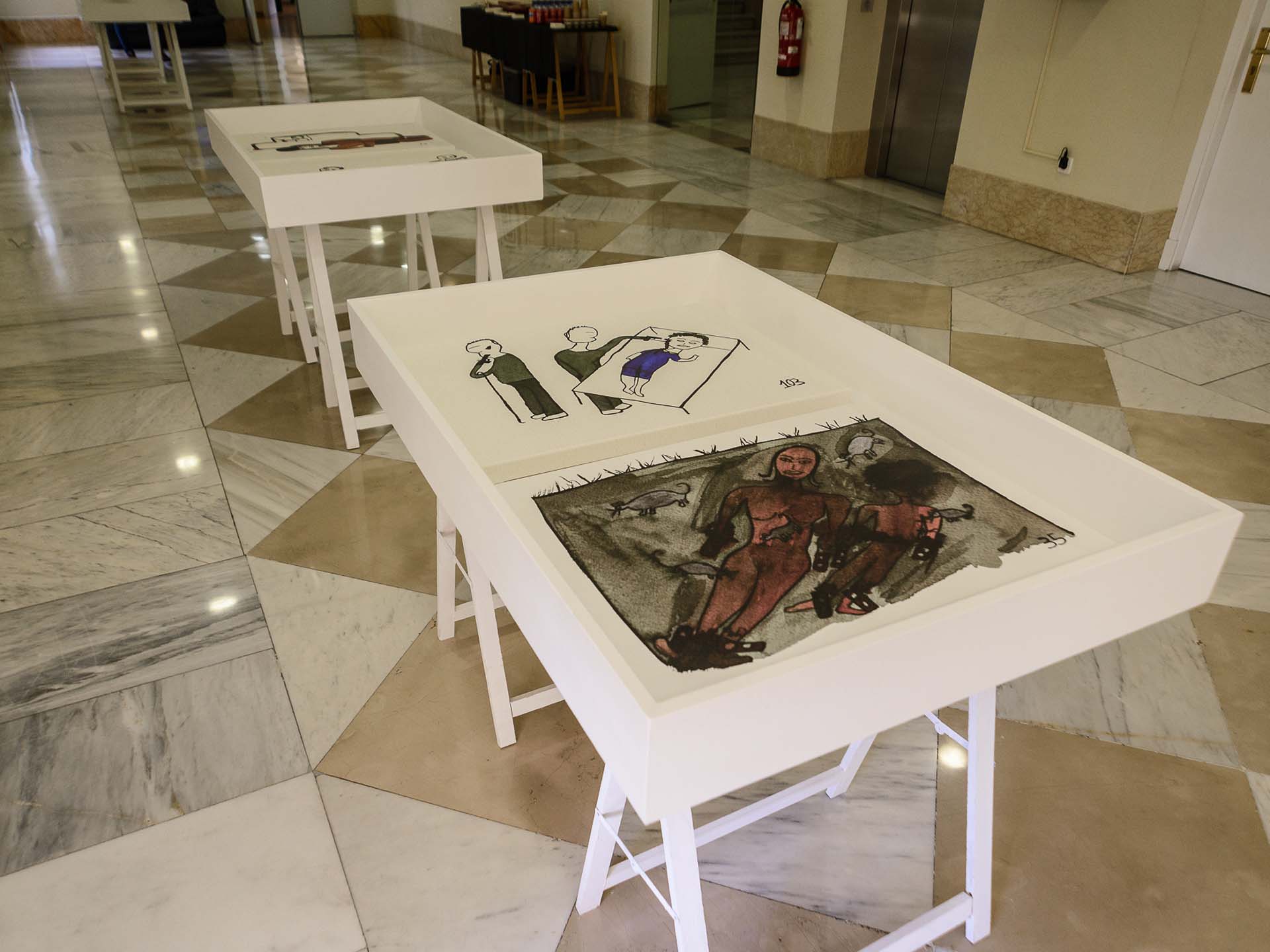
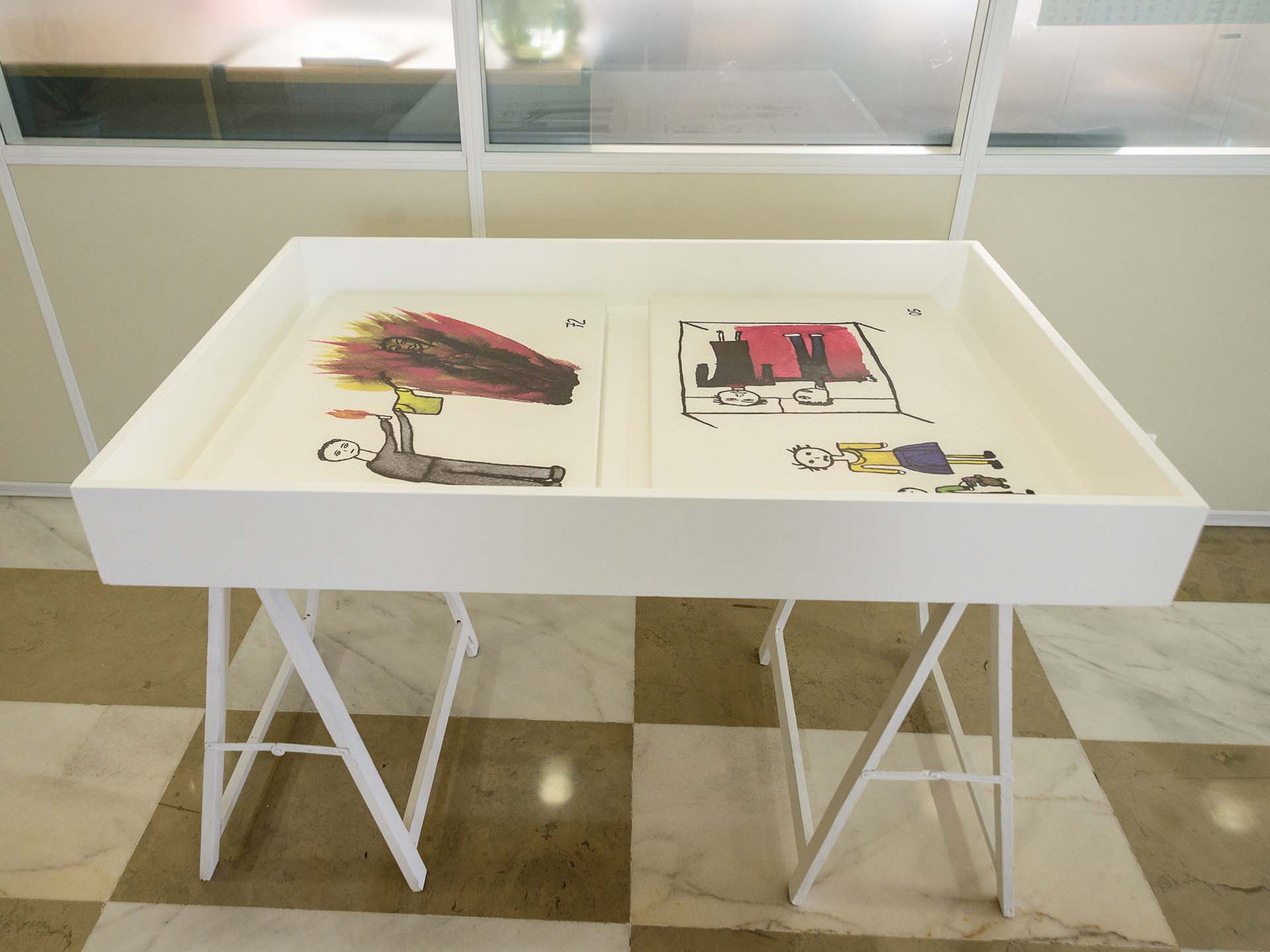
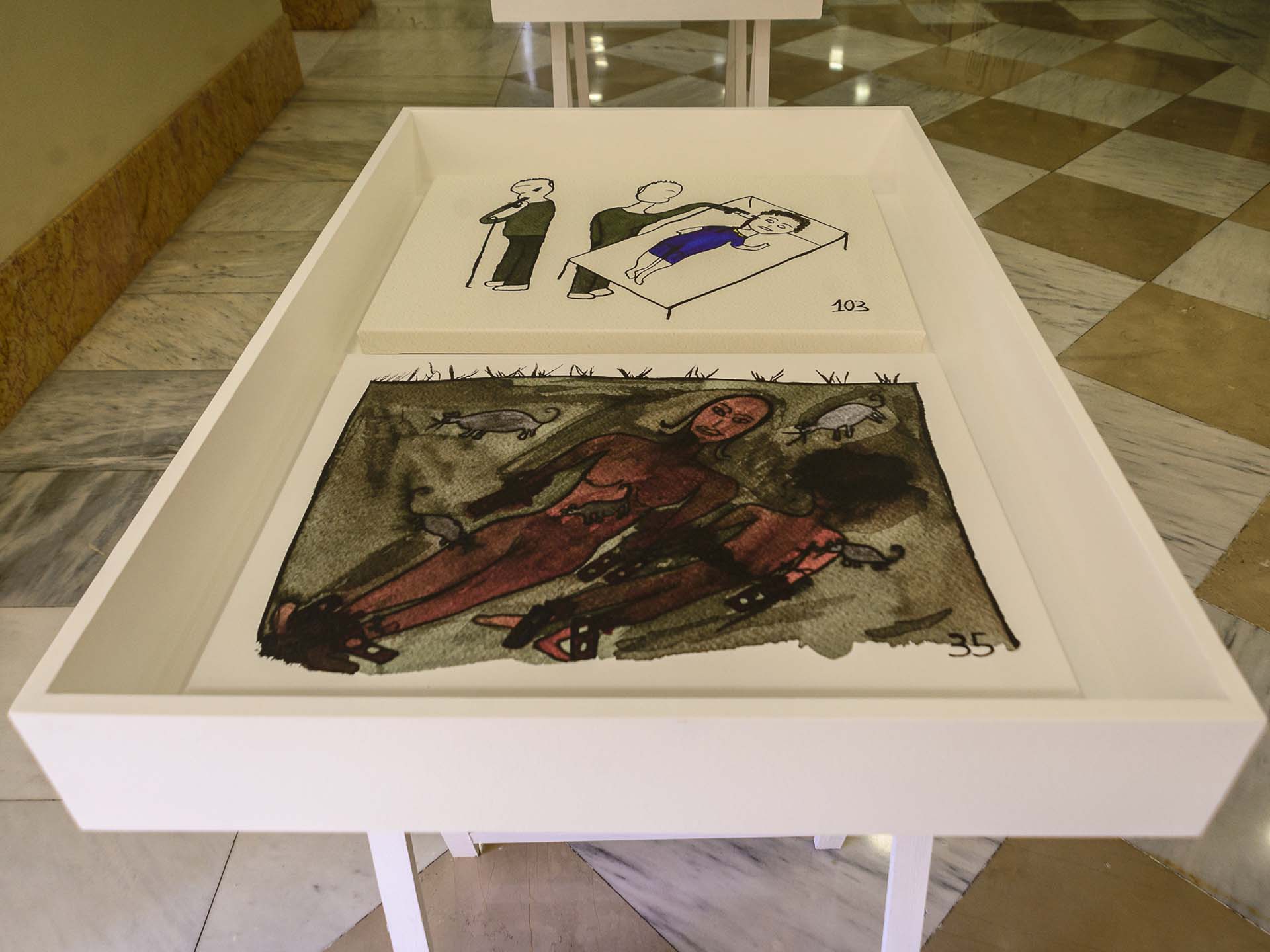
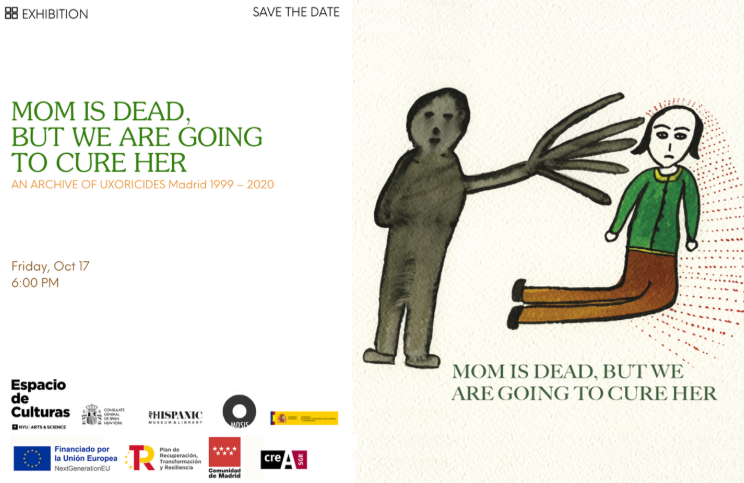
The book “Mom is dead, but we are going to cure her” puts a face to 132 women murdered by gender-based violence over 20 years and helps to identify patterns and clues that can reveal the nature of a relationship as an aggression. This book is the illustrated archive of the 132 women murdered by their male partners or ex-partners in the Community of Madrid between 1999 and 2020. The violent actions of these men reached the extreme of causing their deaths, but many were already inflicting violence on a continuous basis. Murders are the most visible part of gender-based violence. The book puts a face to those murdered by gender-based violence over 20 years and helps to identify patterns and clues that can reveal the nature of a relationship as an aggression. The violent actions of these men reached the extreme of causing their deaths, but many were already inflicting violence on a continuous basis. Murders are the most visible part of gender-based violence.

Jana Leo says: “On several occasions, I have had the feeling that having a partner can become dangerous: verbal contempt, psychological abuse, harassment, mistreatment, and death; a romantic relationship could be a threat because I can (because you can) lose dignity, independence, and life. Not only are assistance programs needed, but also awareness programs to prevent aggression so that there are no wounds to cure.

This uxoricide archive was created by MOSIS starting in 2020 and was published in 2024 in the form of a book. The archive or database containing information and graphic artwork has been turned into a book. Every day for several years, we have worked on the preparation and creation of the material or content for the web/app, the book, and the database itself. For its publication, a strict anonymization process was carried out by removing data (such as the age of their children or the name of the company where they worked) and changing the language so it would not be recognized by internet search engines using words similar to those that appeared in the media. In recent years, we carried out and directed the tasks of archiving, rewriting content, creating artistic material, retouching and improving it, scanning images, digitalizing the database, conversion methods from Excel to a webpage, design, etc… everything leading up to a printed book, which features a double-page spread for each case.

Premium printing (as a cultural object for dissemination and representation) with the funders’ logos, in a traditional offset printing press, with hand-sewn binding and 300-gram paper. Illustrated book, hardcover, and full color. The book is conceived as (1) an object of dissemination and the star advertising piece for the project and MOSIS, (2) a tool for workshops-colloquiums-talks, (3) a catalog of the archive of women murdered by their male partners for a specialized audience to consult in libraries, and (4) an example of how a project, subsidized by a company, could turn out if it had a different content.

VIDEOMOSIS:https://youtu.be/HixQRtpGJxg

VIDEOMOSIS:https://youtu.be/tu8kC0VyhqE

VIDEOMOSIS:https://youtu.be/c_QPSKzge1s

VIDEOMOSIS:https://youtu.be/cedmd8KHqAI

VIDEOMOSIS:https://youtu.be/cedmd8KHqAI

VIDEOMOSIS:https://youtu.be/_3v54YzAc44

VIDEOMOSIS:https://youtu.be/y1DYLOc8KUE

October and November 2025

Mom is dead, but we are going to cure her

Book by Jana Leo and Sergio Tombesi

In the following newspapers:


Screenshot
Screenshot

Project subsidized by the Regional Ministry of Culture, Tourism, and Sports of the Community of Madrid, under the (PRTR) Recovery, Transformation, and Resilience Plan, funded by the European Union (NextGenerationEU).

Project carried out with the participation of crea SGR.

Project carried out by the MOSIS team:

Research: Sergio Tombesi and Jana Leo de Blas
Idea, drawings, and texts: Jana Leo de Blas
Database and data processing: Sergio Tombesi
Data review: Borja Álvarez and Isabel Leo de Blas
Text editing: Isabel Leo de Blas
Copy editing: Isaac A. Sánchez Martín
Design: Gearóid Dolan and Jana Leo de Blas
Layout and typesetting: Borja Álvarez Alonso
Production: Jana Leo de Blas
Videos: Oscar Villasante Ochoa and Simon Lund
Social Media: Cheché Yuguri and Borja Álvarez Alonso
Press: Beatriz Lucas Cabornero
Web: Simon Lund and Cristhian V. Ugo Rojas Rosas
Programming: José Enmanuel Castellanos Gonzalez
Commemorative sculptures: Simon Lund, Borja Álvarez Alonso, Jana Leo and Isabel Leo
Administration: Sergio Tombesi

And multiple occasional collaborators, including: Cristhian V. Ugo Rojas Rosas, Sara Donoso, Francisco Almandoz Ríos, Margarita de Aizpuru and others.


The MOSIS Foundation, Models and Systems; Art and City is a non-profit organization and an art production company, its mission is to create art with civic and social awareness.

Small commemorative sculptures: Life Plaque

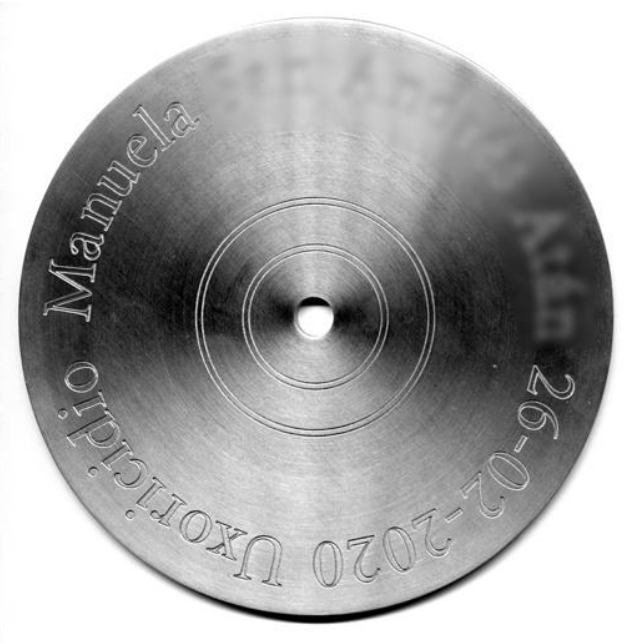
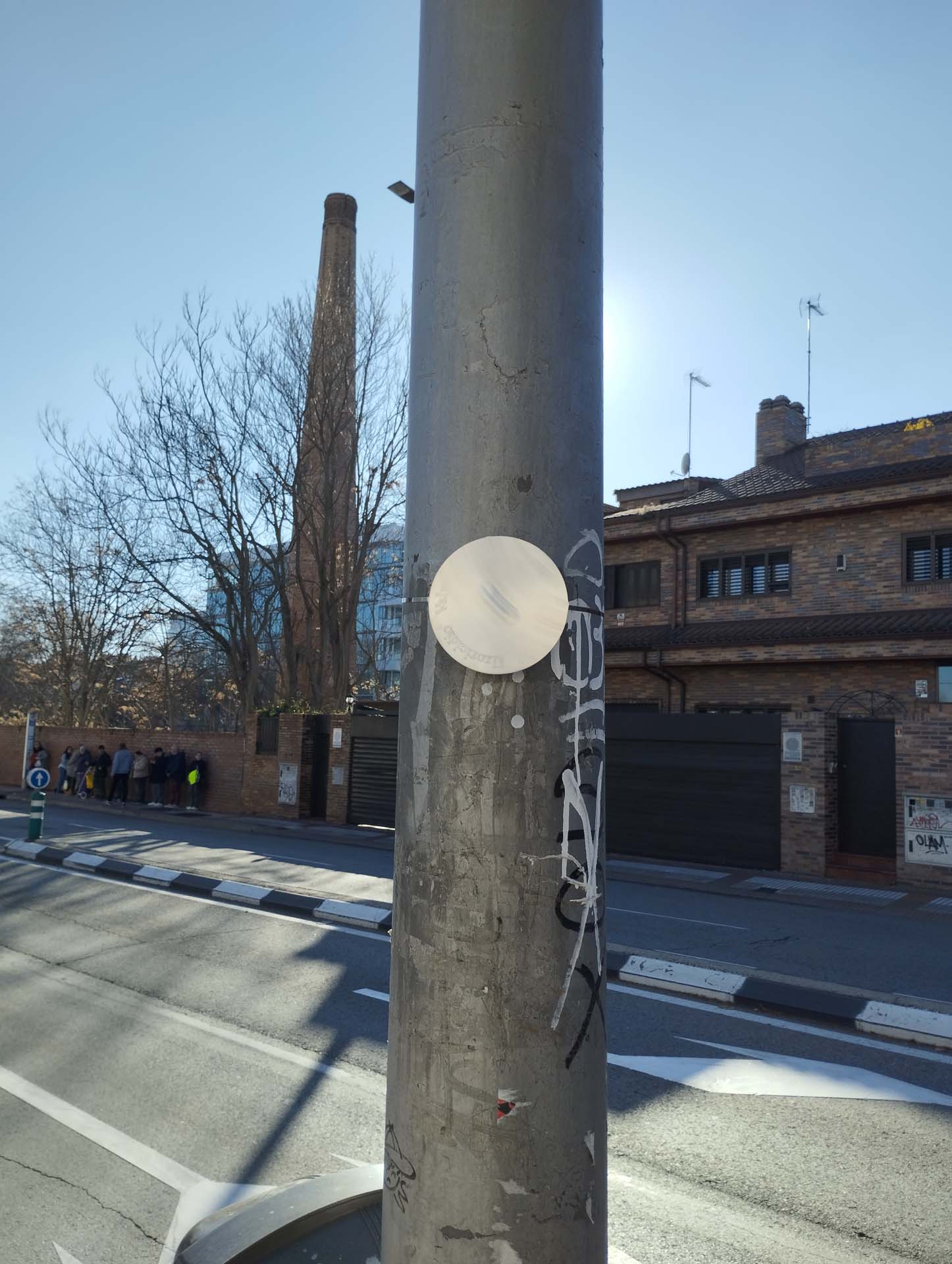
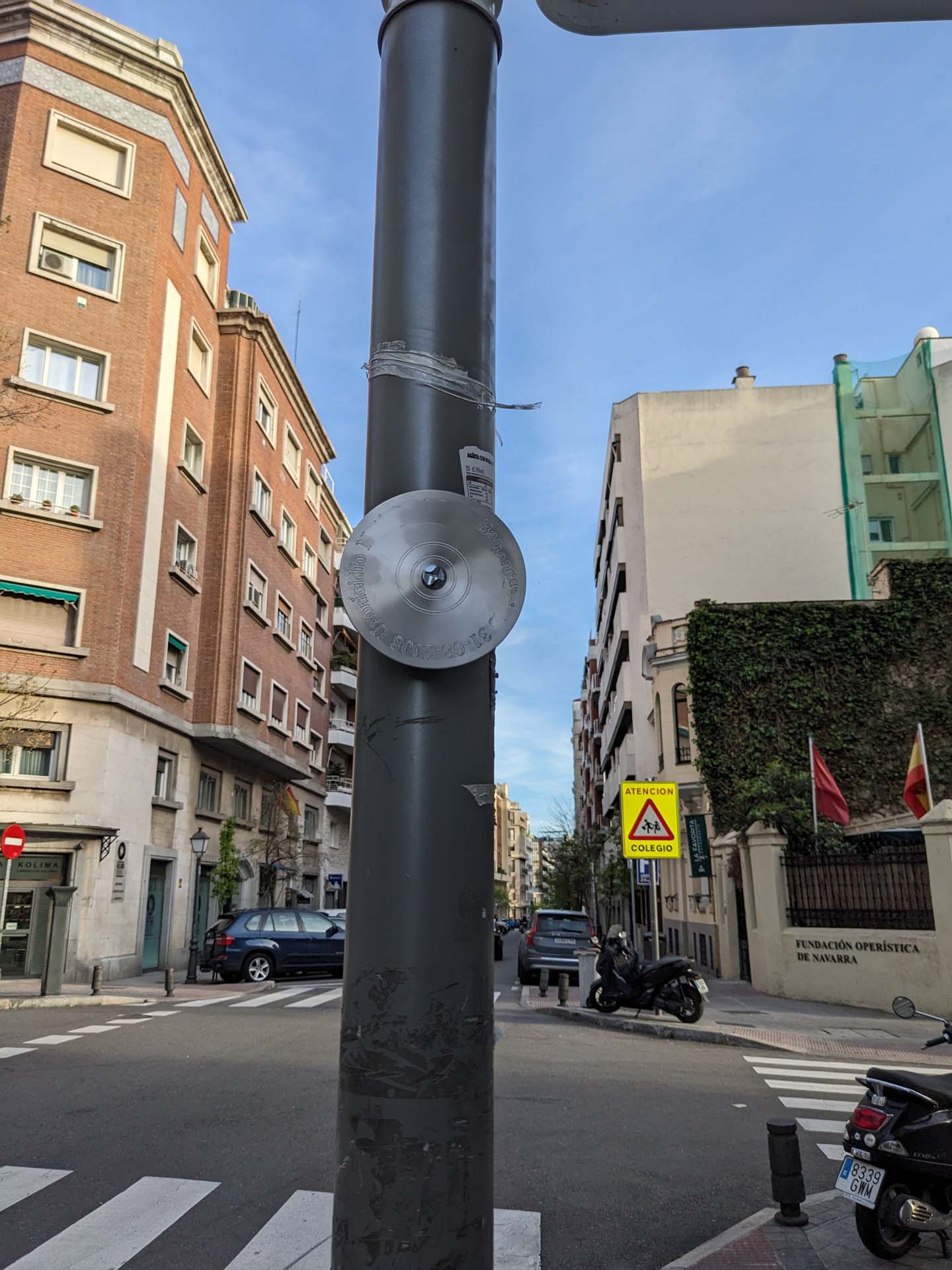
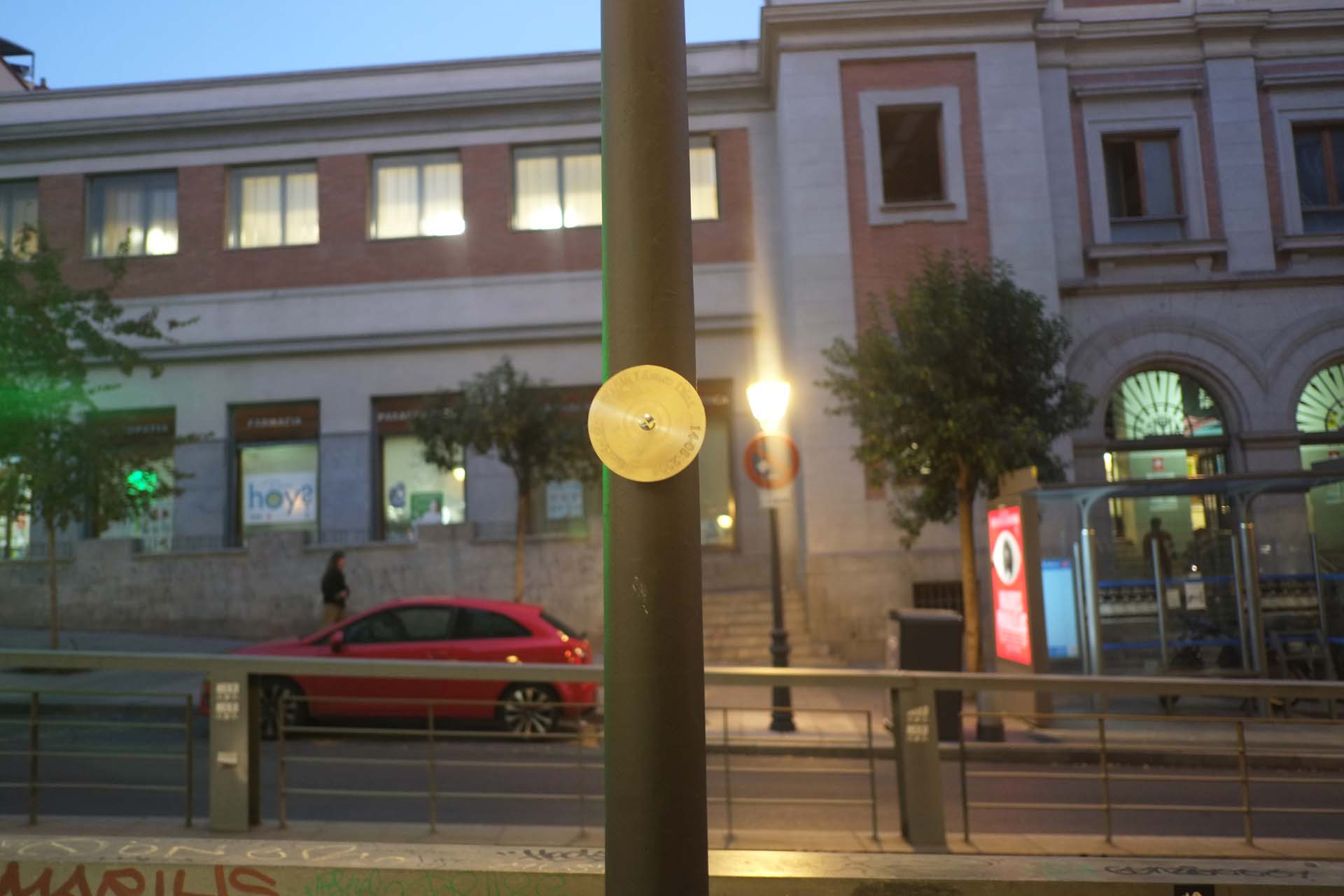
Memory is life; true, only in a metaphorical sense, but making the life of memory extend (since physical life was cut short) is the goal of the commemorative sculptures or “life plaques.” These commemorative sculptures or “Life Plaques” have been created by the artist Simon Lund, who made the prototype, conceived by Jana Leo, and drawn by Borja Álvarez Alonso. The “life plaque” is a design for an urban funerary monument for the women who lost their lives at the hands of their male partners, and it is a way to extend, in memory, the life that they did not have in reality. Simon Lund, who had already made the prototype, has also designed the best way for their positioning, following the necessary processes for them to become part of the urban street furniture displayed in public spaces. The sculptures or “life plaques” will be screwed (with a non-reversible thread screw) to a metal piece and placed using a 2mm steel zip tie or strap that leaves no mark on the surface to which it is attached.

Family members are offered the possibility of accessing a commemorative plaque at no cost to the families, thereby preserving the memory of a woman who passed away, murdered by gender-based violence. This is a pilot project; contact has been made with associations and other entities to publicize it, as it is very difficult for relatives to learn about the initiative. an initial launch was done by installing them and, once in place, removing them within a very short period so that the plaque itself serves as an advertisement for the commemorative sculpture offer and as a test of the relatives’ reaction. The results vary greatly: one family expressed that they do not want any marking in the neighborhood (in which case there is none), while another relative has contacted to get a copy of the book and has expressed their desire to start the procedures as soon as possible for the permanent installation of the plaque with their cousin’s name and the date of her death near the place where she lived and where it happened.

Apart from their final placement in the urban space, they are designed, made, and available for exhibition in cultural and civic centers. These exhibitions have a different meaning because the plaques are not near the places of death nor where the relatives live, but in an exhibition hall as an art object alongside other plaques. Thus, in addition to being an act of individual memory, it is an act of community and a recognition that gender-based violence exists and that a large part of its motivation relates to a sense of ownership over the female partner; for this reason, on the “life plaque,” next to the full name and the date of death, is the word uxoricide. Strictly speaking, when exhibited in a cultural space, it is a piece of mediation art that connects a social reality in an unusual way, which is why it is art. This idea that the sculptures are a work of art is supported by the fact that they are distinct and individual, not a serialized object like a book or a t-shirt. Center exhibitions also publicize the concept and help make it known, enabling people from the victim’s close environment to find out about this initiative. There was an exhibition at La Neomudéjar Museum in March 2026.

Technical Description: 157 metal plaques, made of aluminum, 127mm in diameter and 3mm thick, with an 8mm hole in the center. Aluminum alloy 1682. CNC milled engraving. The thickness of this plaque is 1/8 of an inch, which in millimeters is approximately 3 mm. Plaque edges: Waterjet cut, clean cut. Engraving: The plaque is polished and engraved with a milling machine so that the incision is deep. It is not painted. A FreeHand-type software was used for the drawings.

The plaque has been blurred on the last names for identity purposes.

Idea by Jana Leo; prototype by Simon Meredith Lund; technical drawing by Borja Alvarez. Installations, removals, and photographs by Isabel Leo and Borja Alvarez.

Project subsidized by the Regional Ministry of Culture, Tourism, and Sports of the Community of Madrid, under the (PRTR) Recovery, Transformation, and Resilience Plan, funded by the European Union (NextGenerationEU).

Project carried out with the participation of crea SGR.

Project carried out by the MOSIS team:

Idea: Jana Leo
Database: Sergio Tombesi
Drawing: Borja Álvarez and Isabel Leo de Blas
Prototype: Simon Lund


The MOSIS Foundation, Models and Systems; Art and City is a non-profit organization and an art production company, its mission is to create art with civic and social awareness.
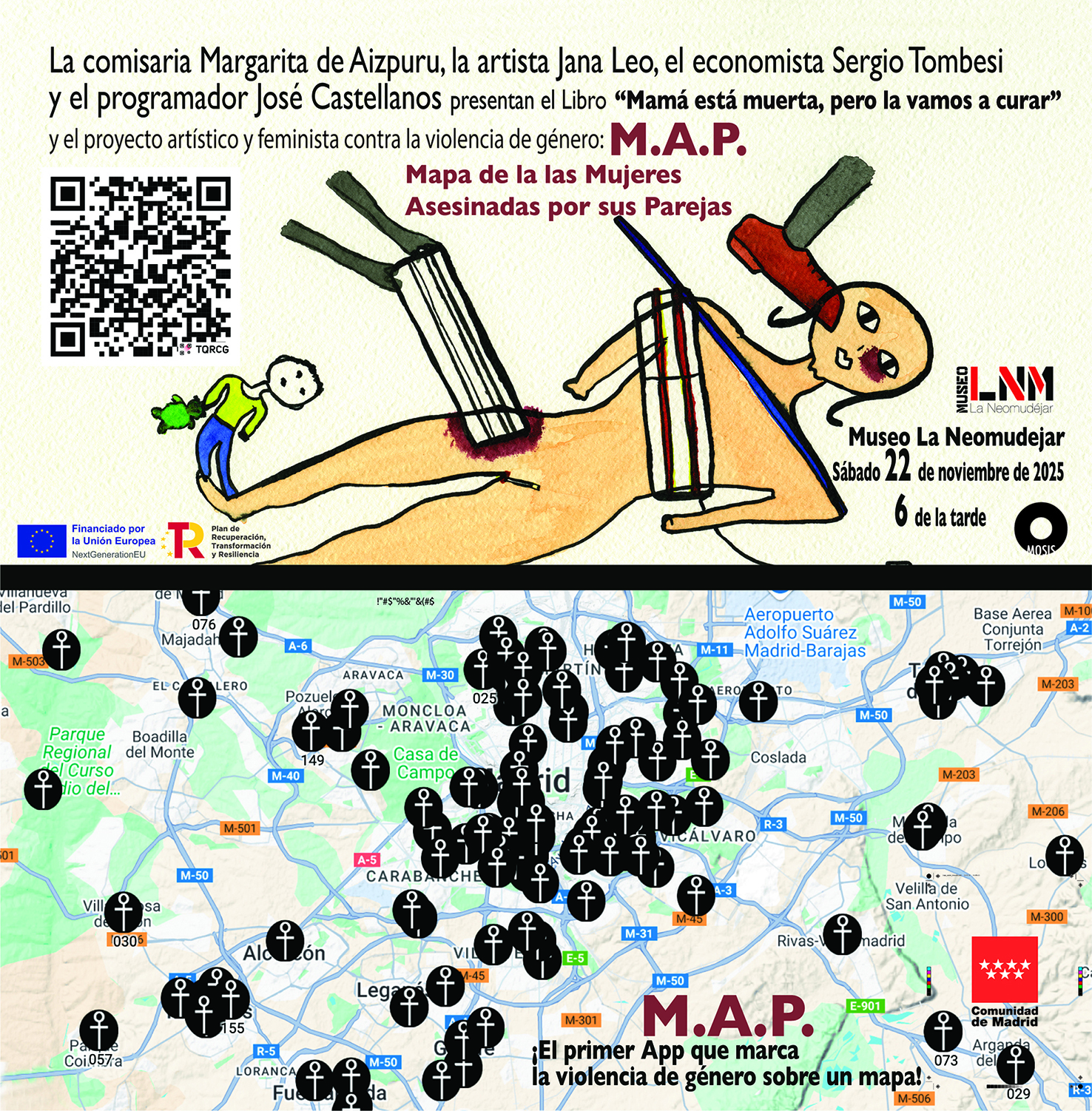
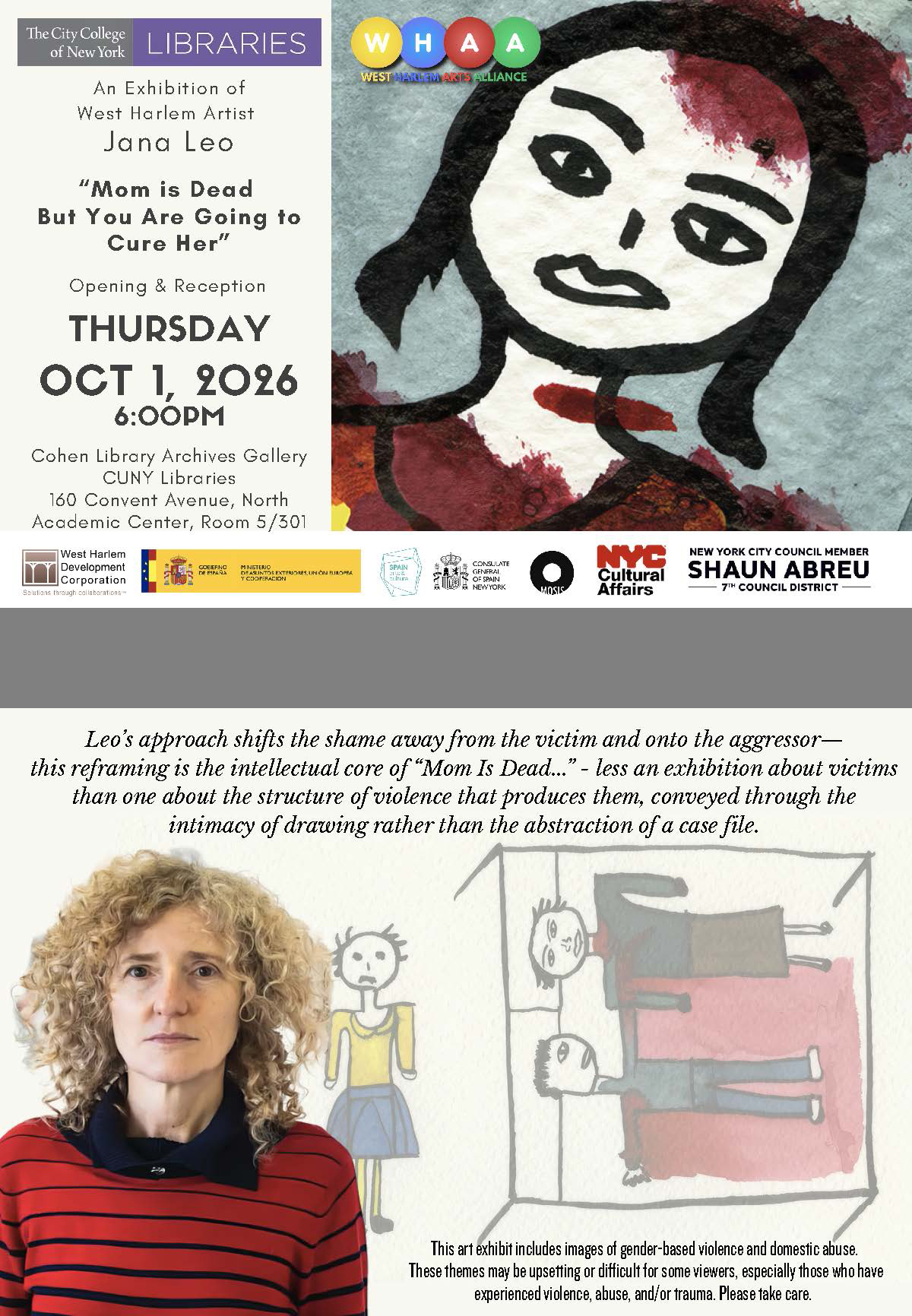
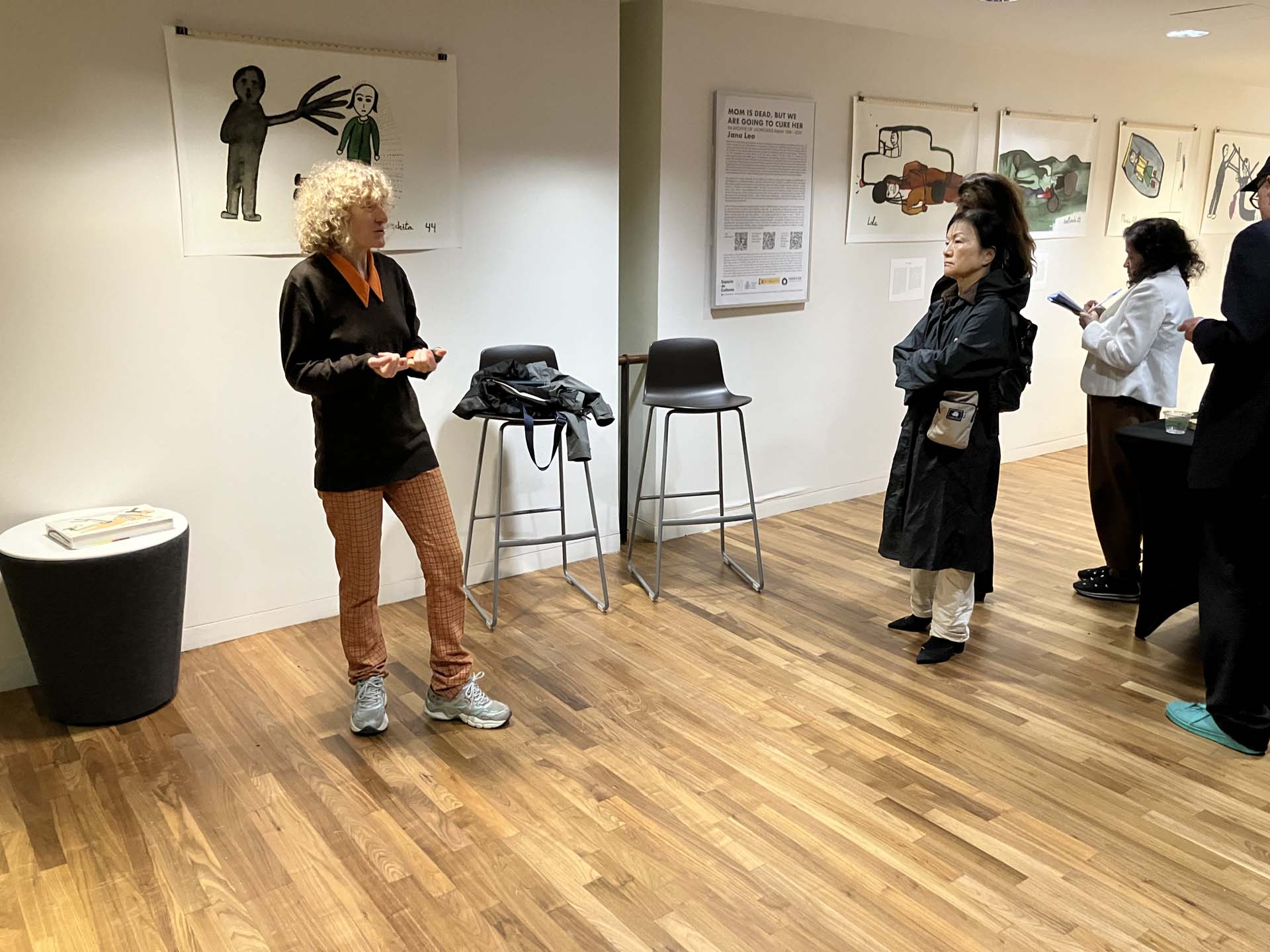
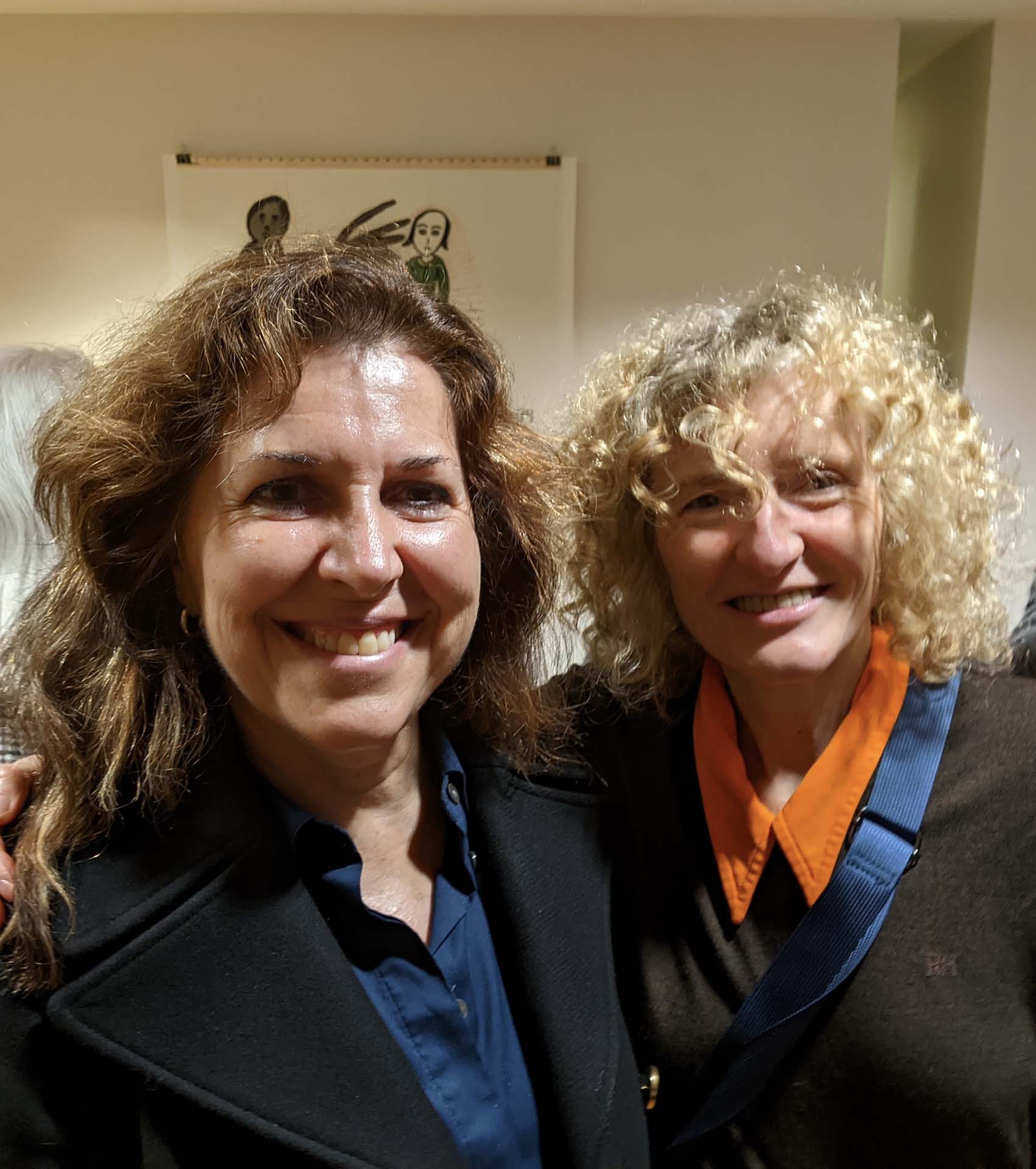
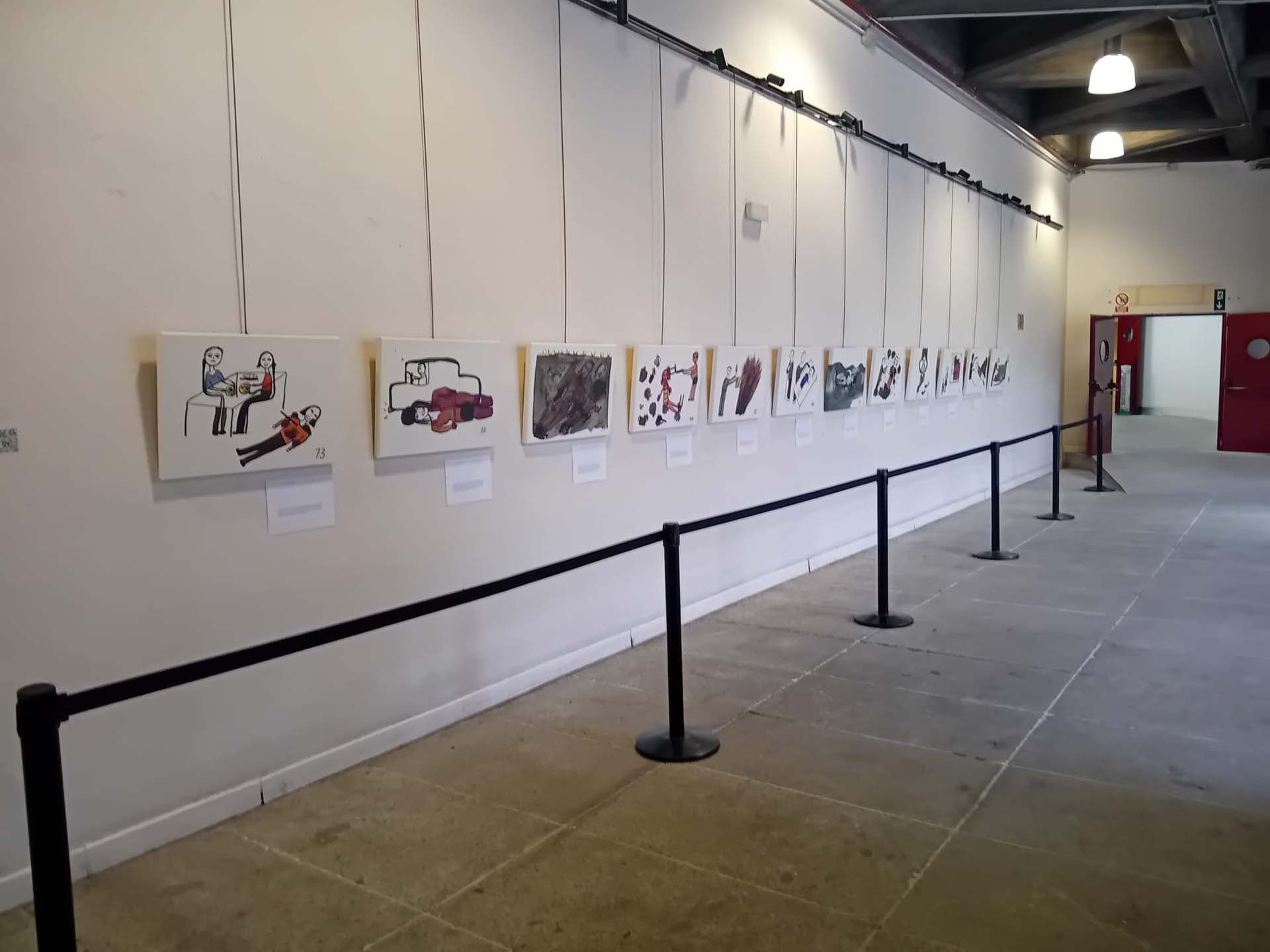
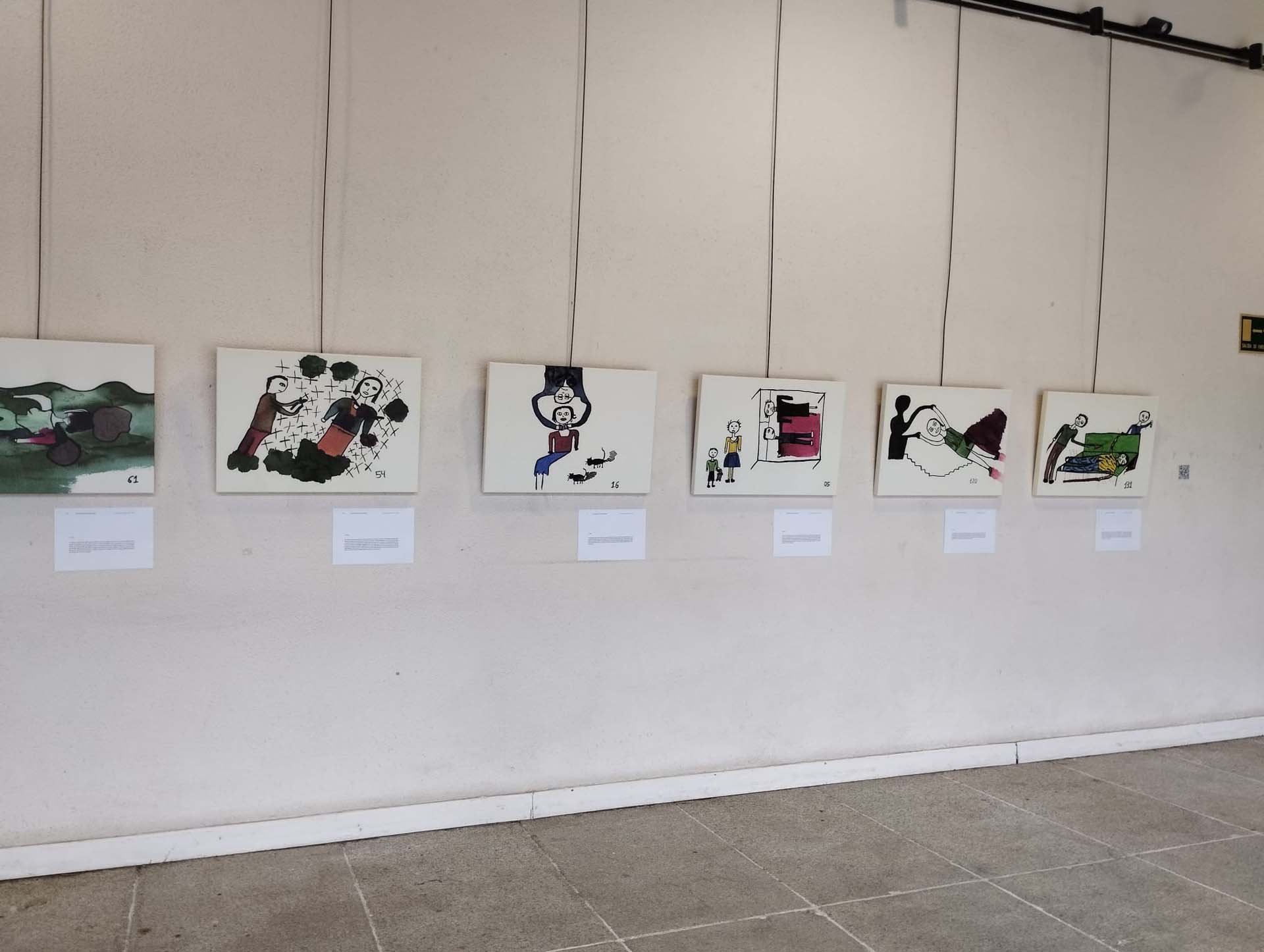
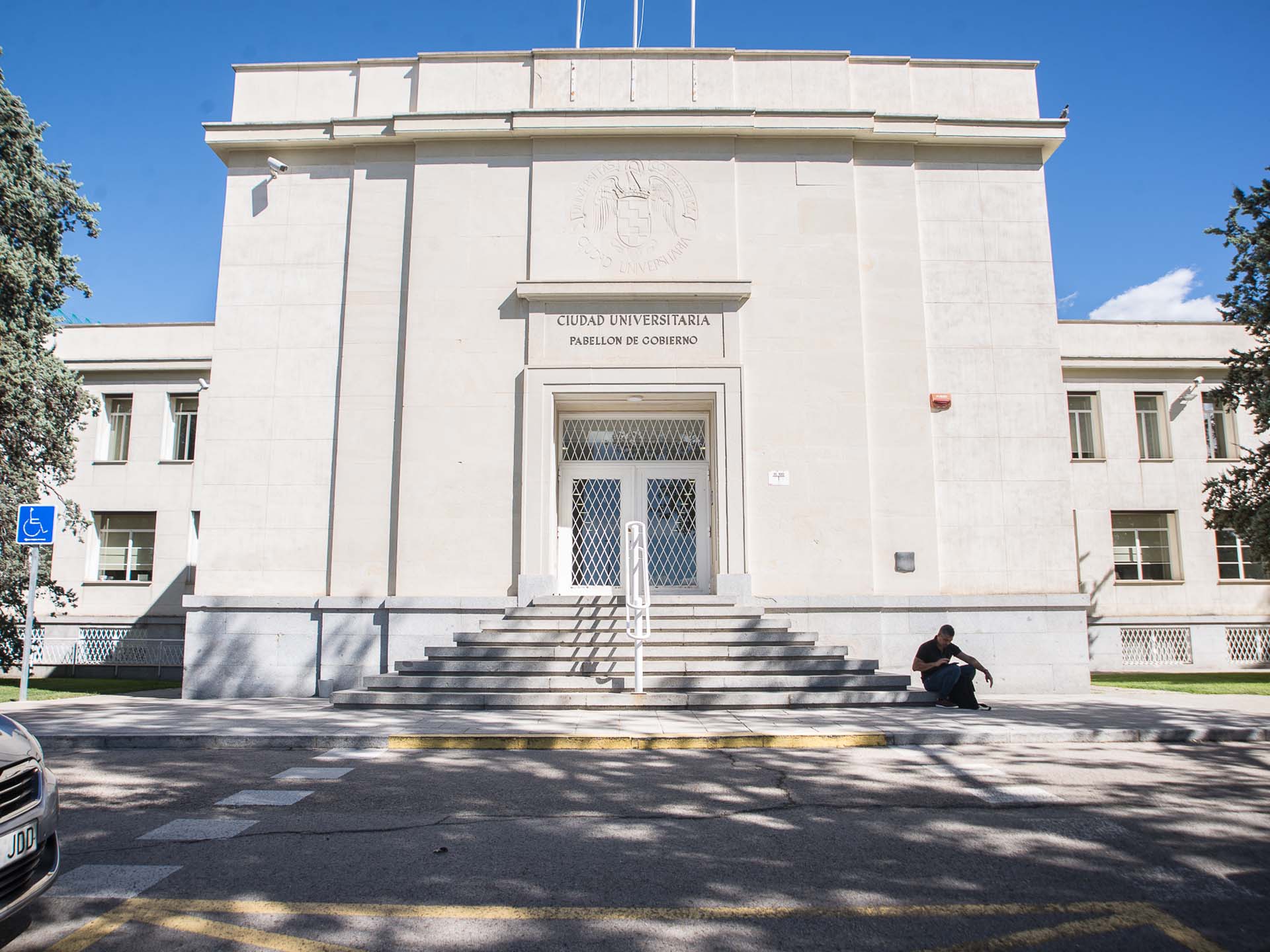
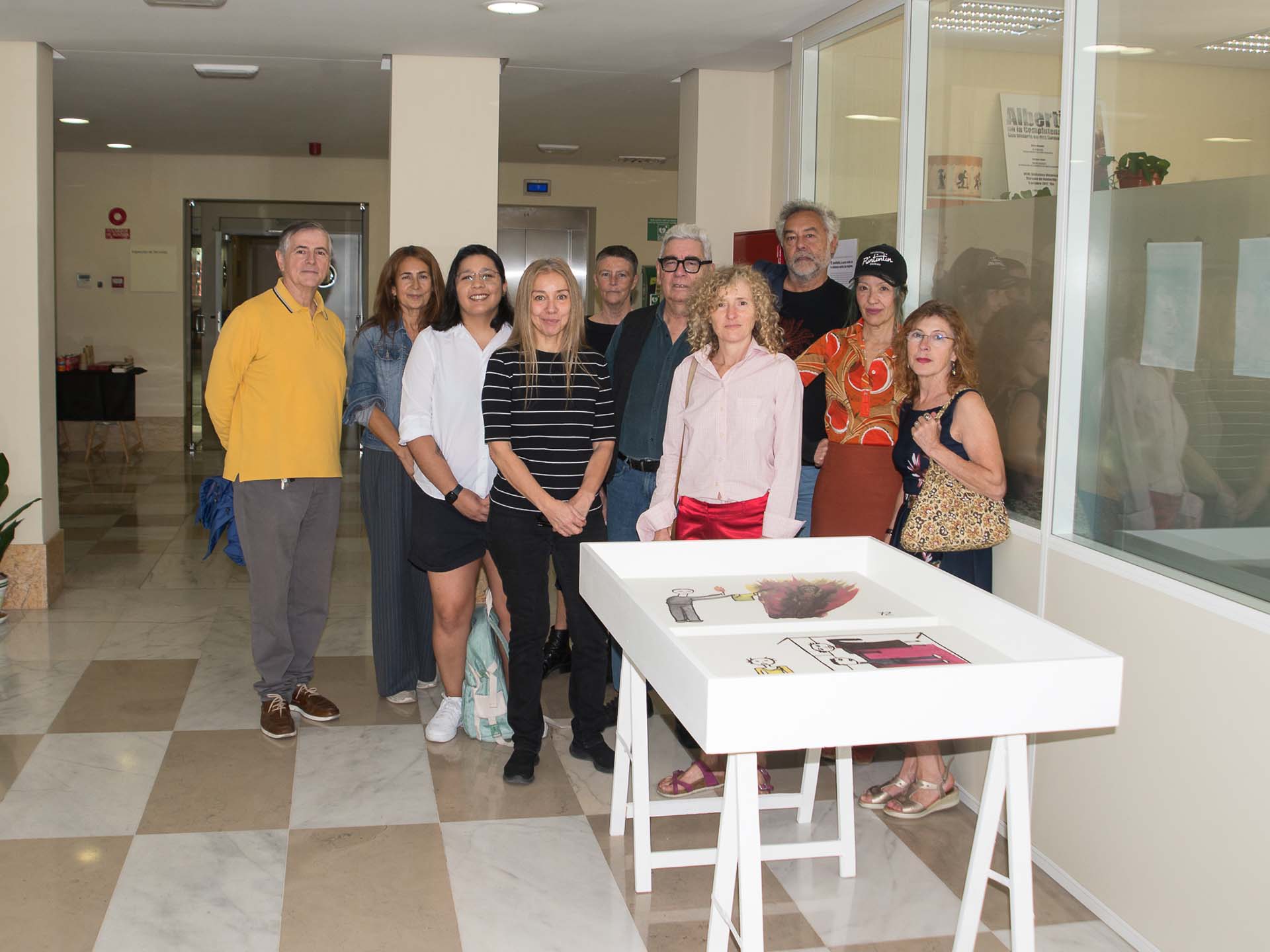
We have carried out two types of actions: (direct publicity) through the MOSIS Newsletter and social media, and (indirect publicity) through the book and its accompanying awareness campaigns or the App (MAP) featuring guest artist Jana Leo. As the author of the drawings and thanks to her recognition in the art and gender field, she has drawn audiences to the created events. Activities include exhibitions, micro-workshops, guided tours, and presentations at cultural centers and museums in Madrid and New York to promote the project, and to disseminate the MOSIS archive through both the book and the App.

We list the most important ones:

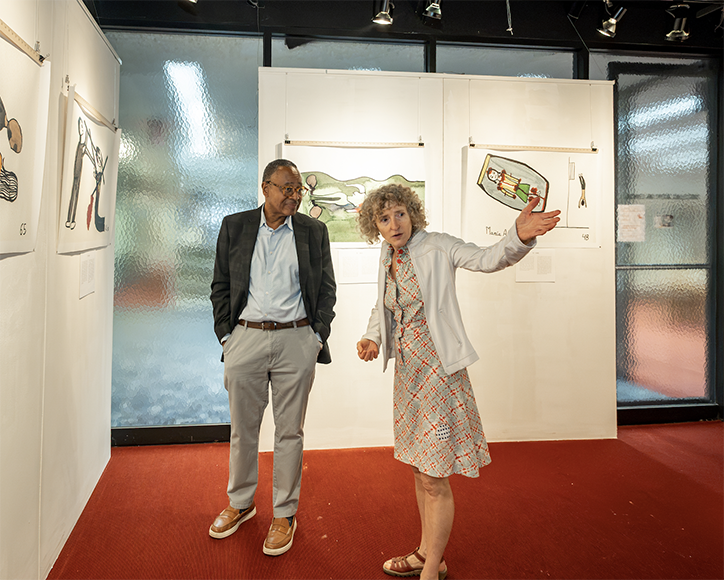
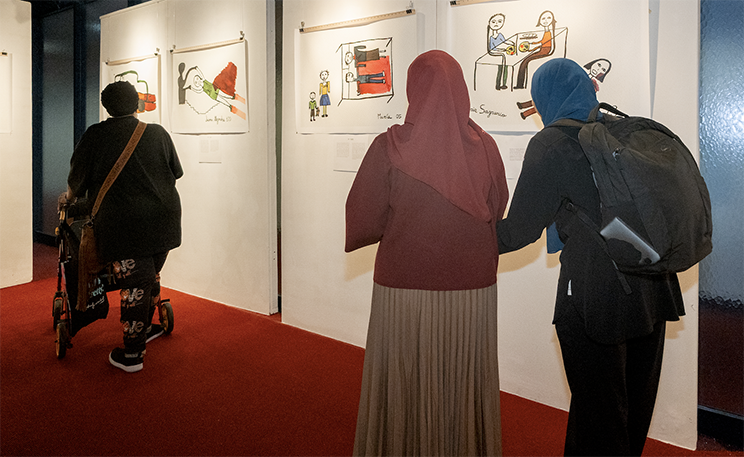
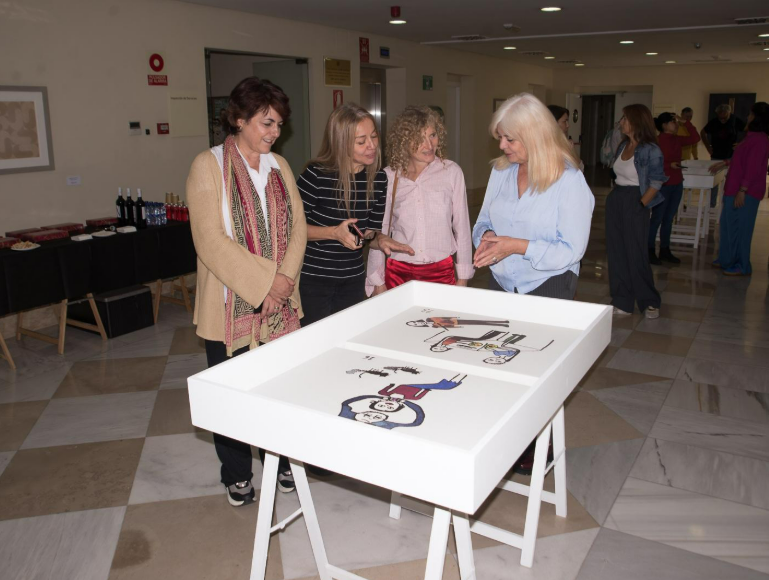
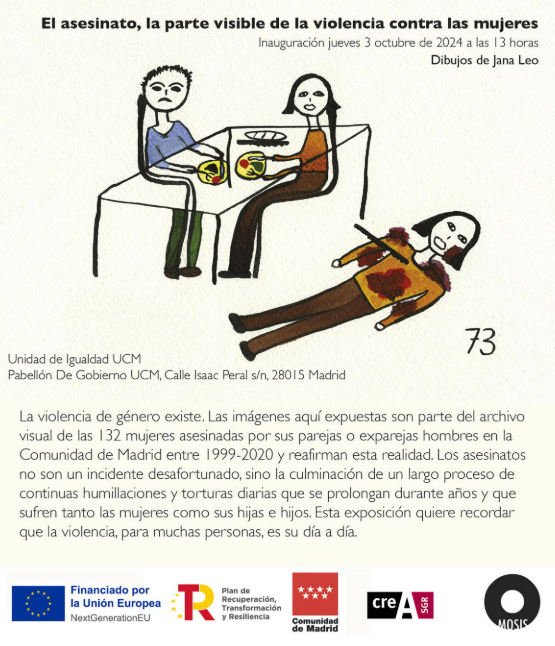
  • Equality Unit, Complutense University of Madrid. “Murder, the visible part of violence against women.” Thursday, October 3, 2024, at 1 p.m.
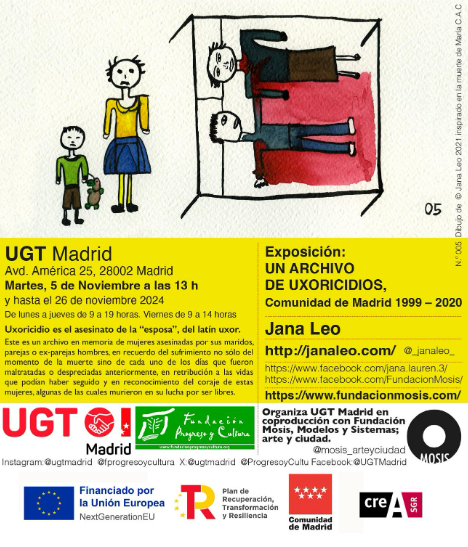
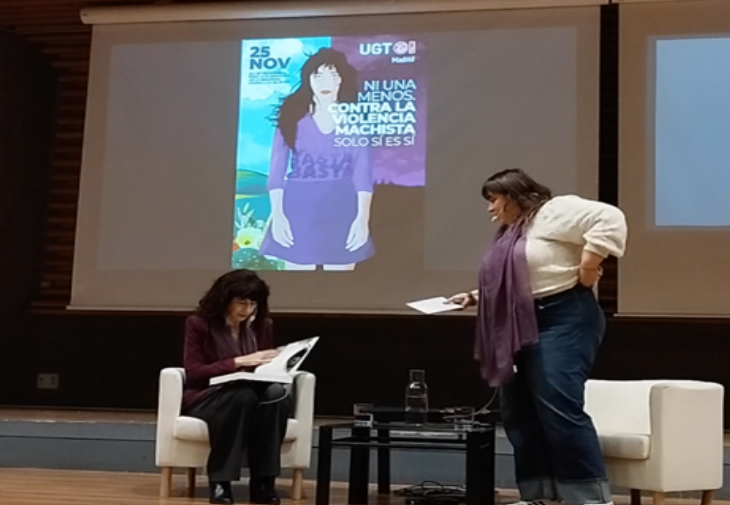
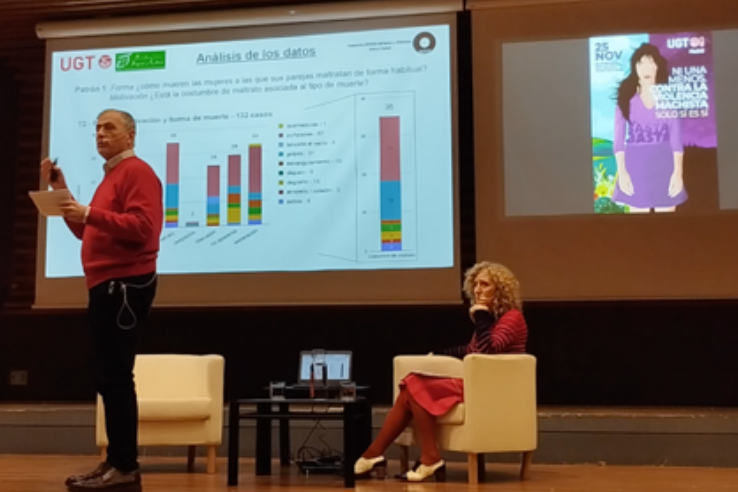
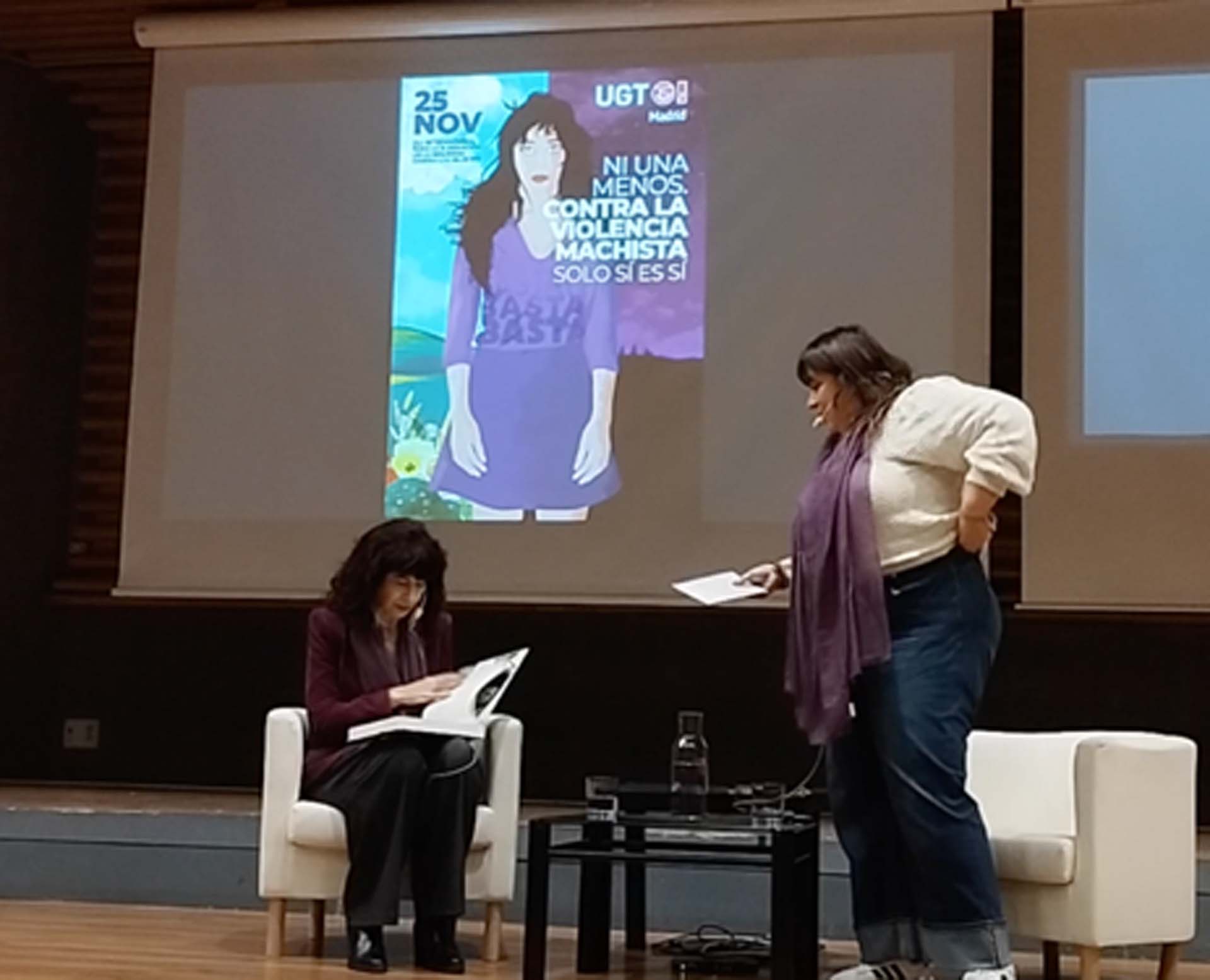
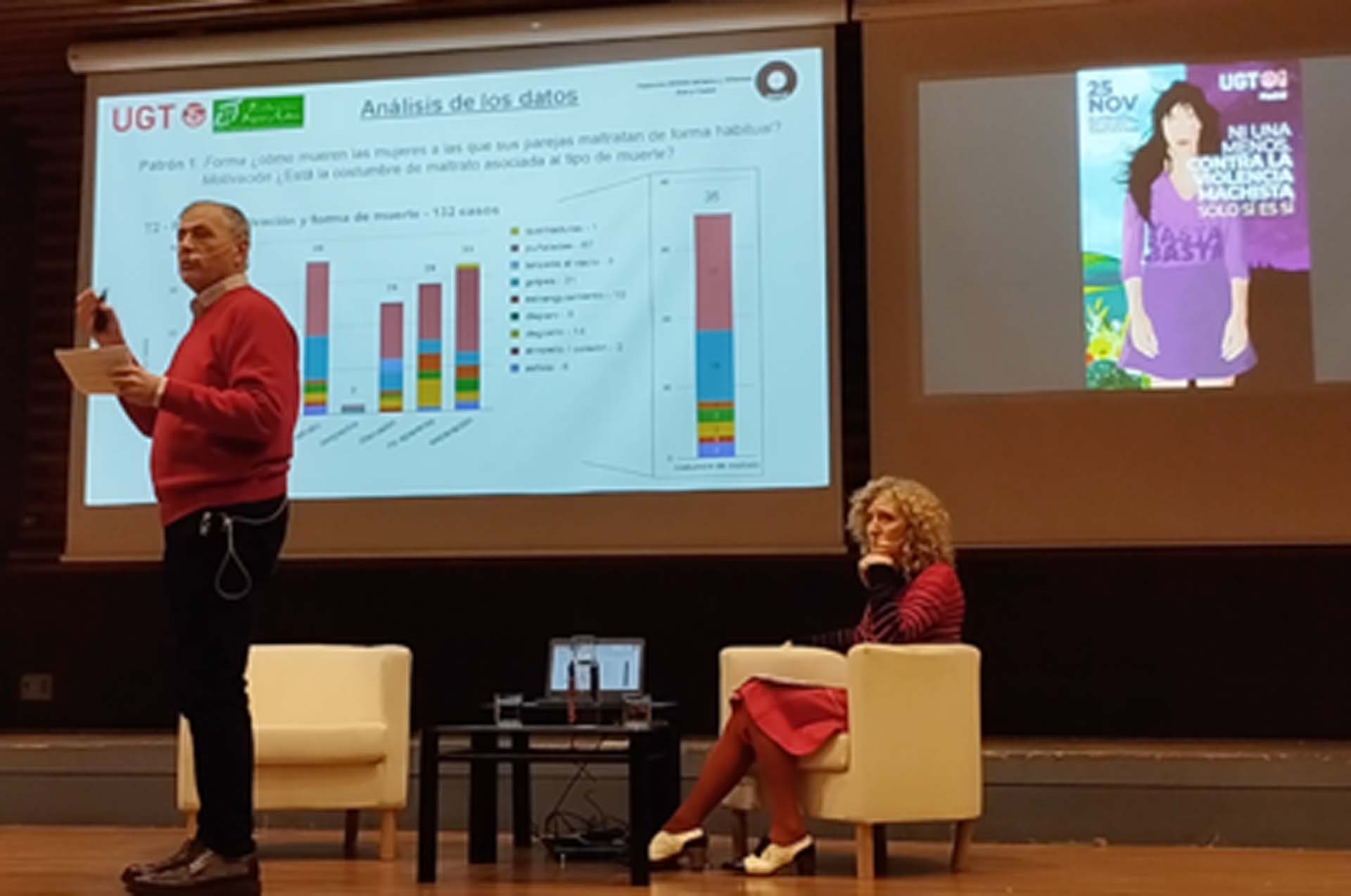
  • Presentation at UGT Madrid, November 22, 2024. Sergio Tombesi and Jana Leo: Clues, Patterns, and Myths of gender-based violence based on the research of 132 women murdered by their partners in Madrid. The director of UGT shows our book, “Mom is dead, but we are going to cure her,” to the Minister of Equality, Ana Redondo García.
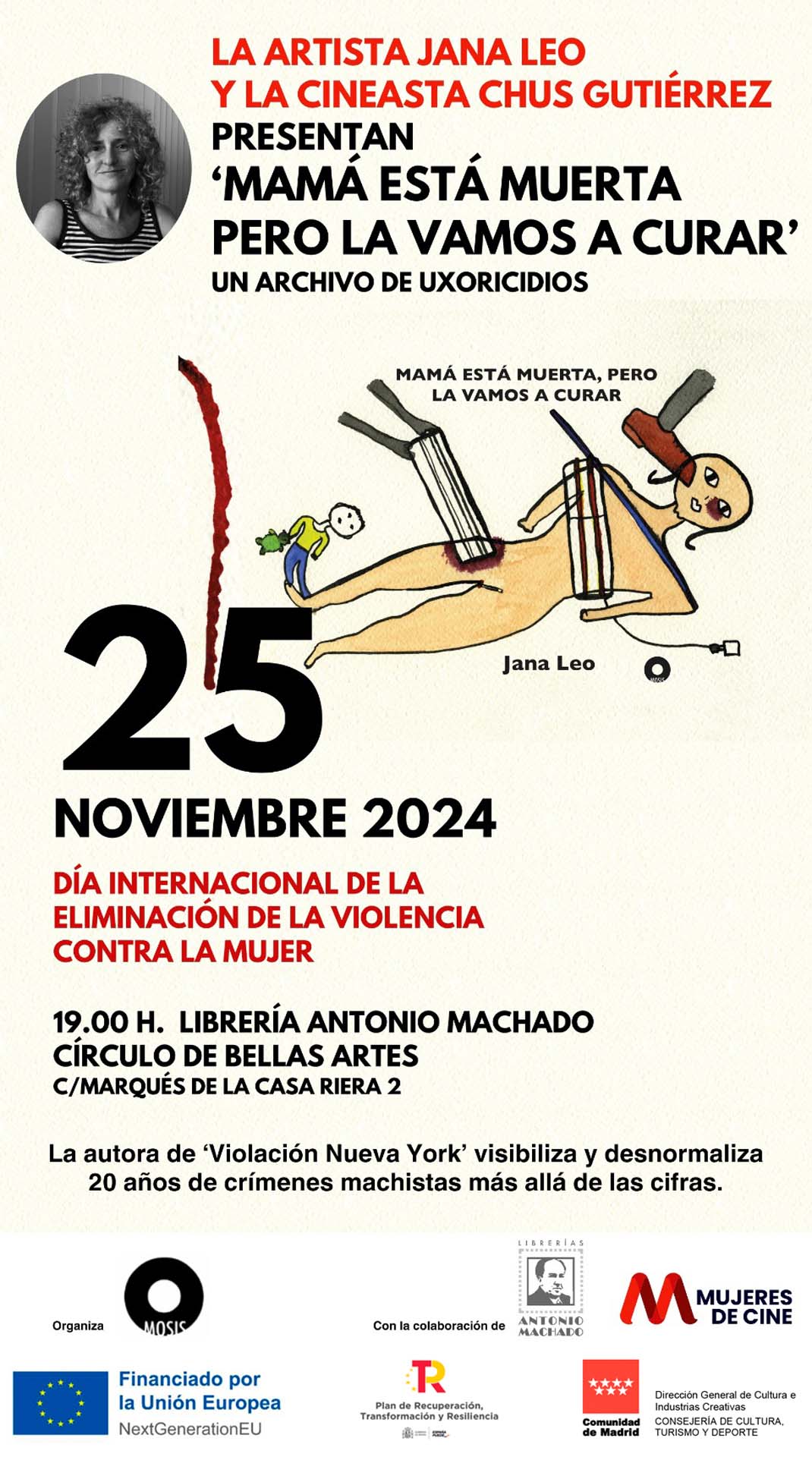
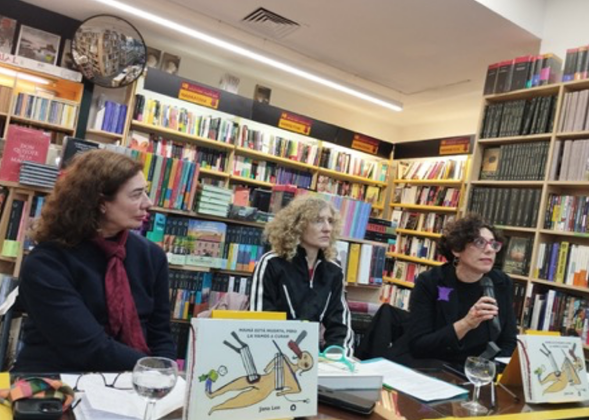
  • Book Presentation: “MAMÁ ESTÁ MUERTA, PERO LA VAMOS A CURAR” with Chus Gutiérrez and Beatriz Lucas at the Círculo Antonio Machado bookstore, Madrid, November 25, 2024.
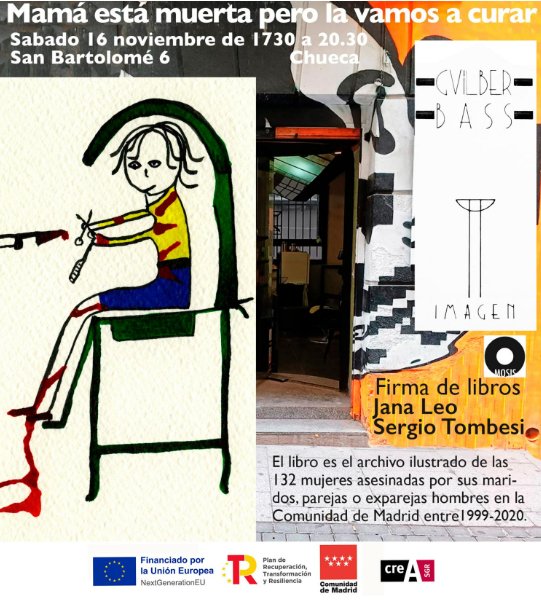
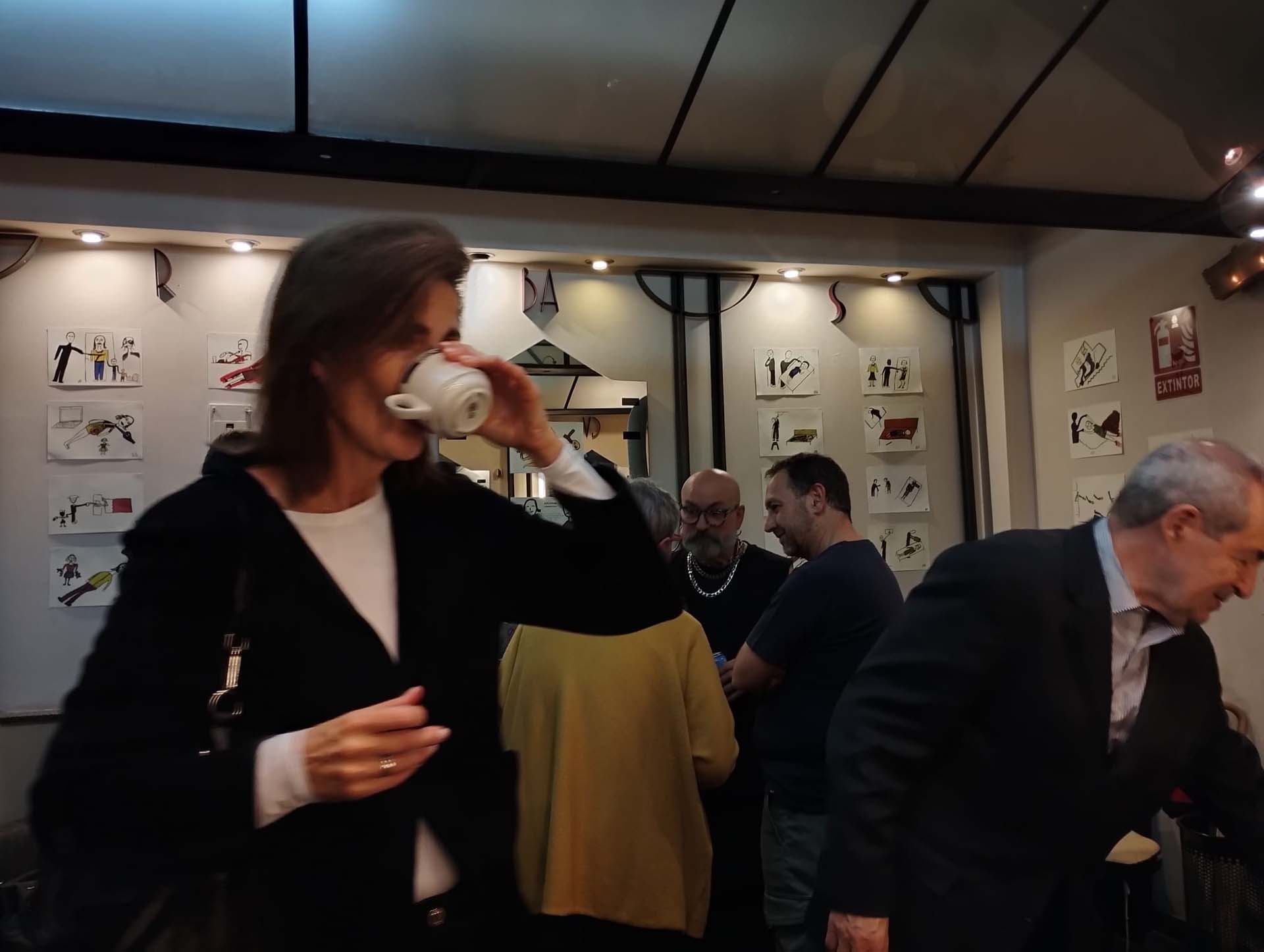
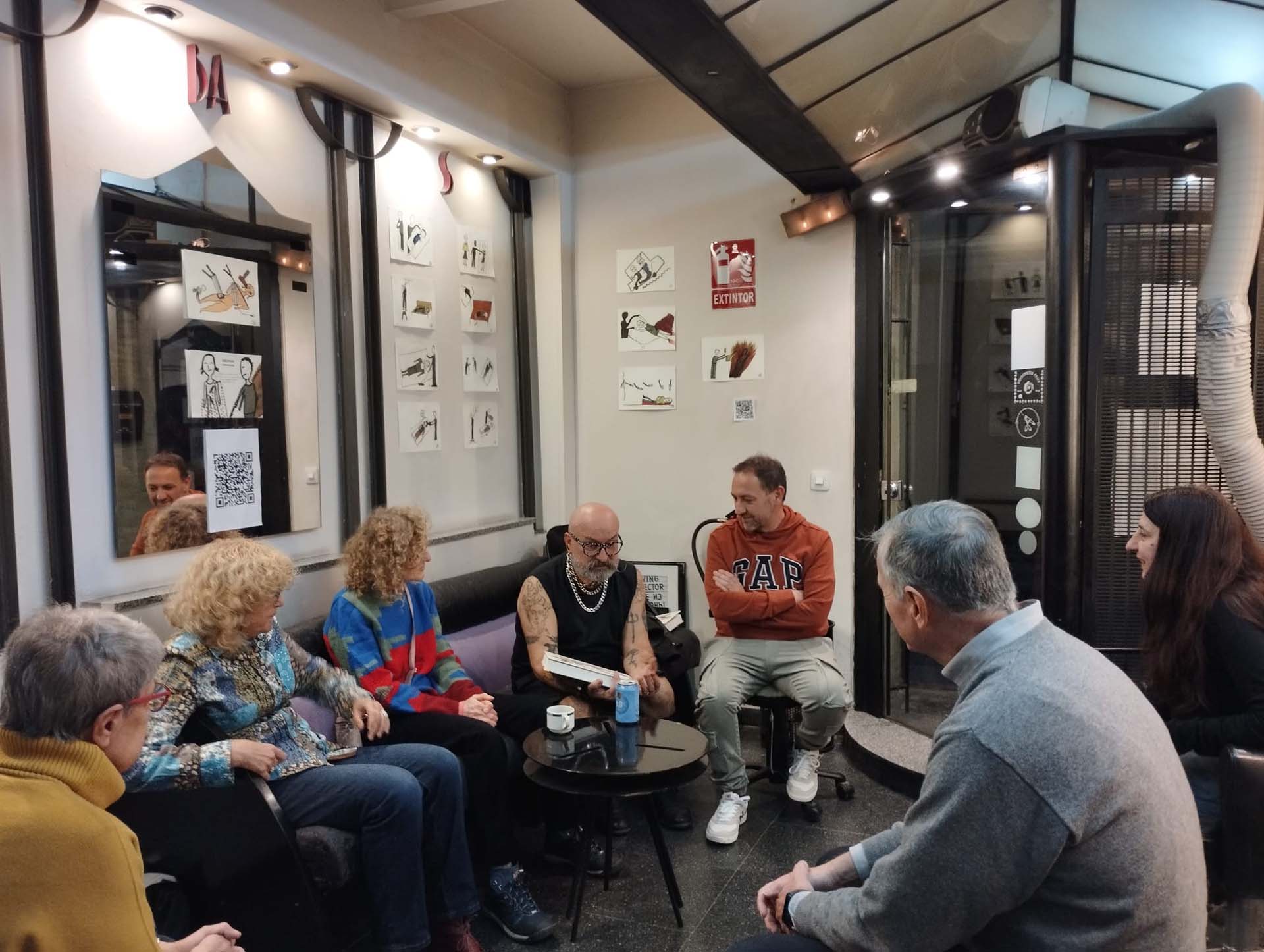
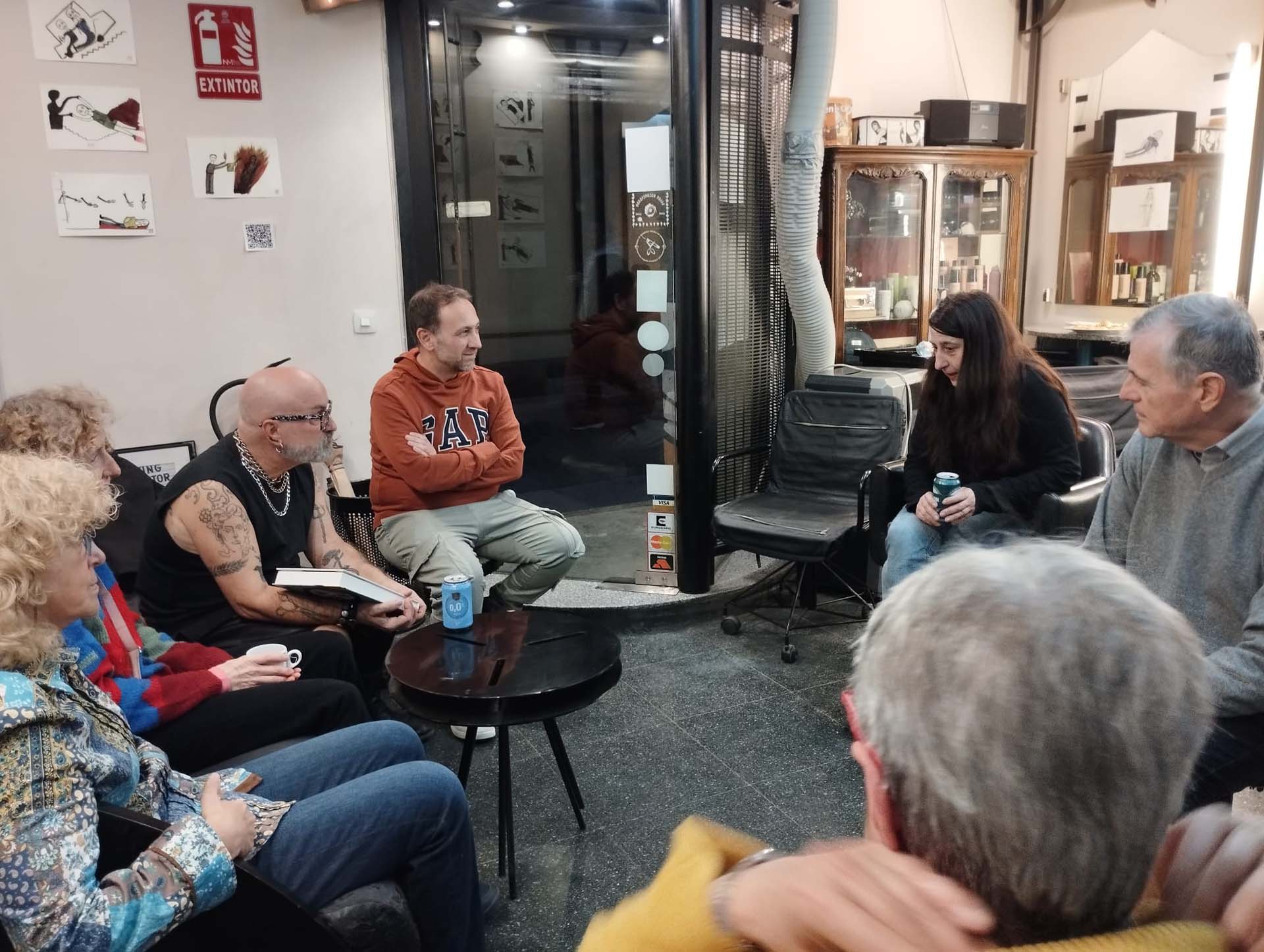
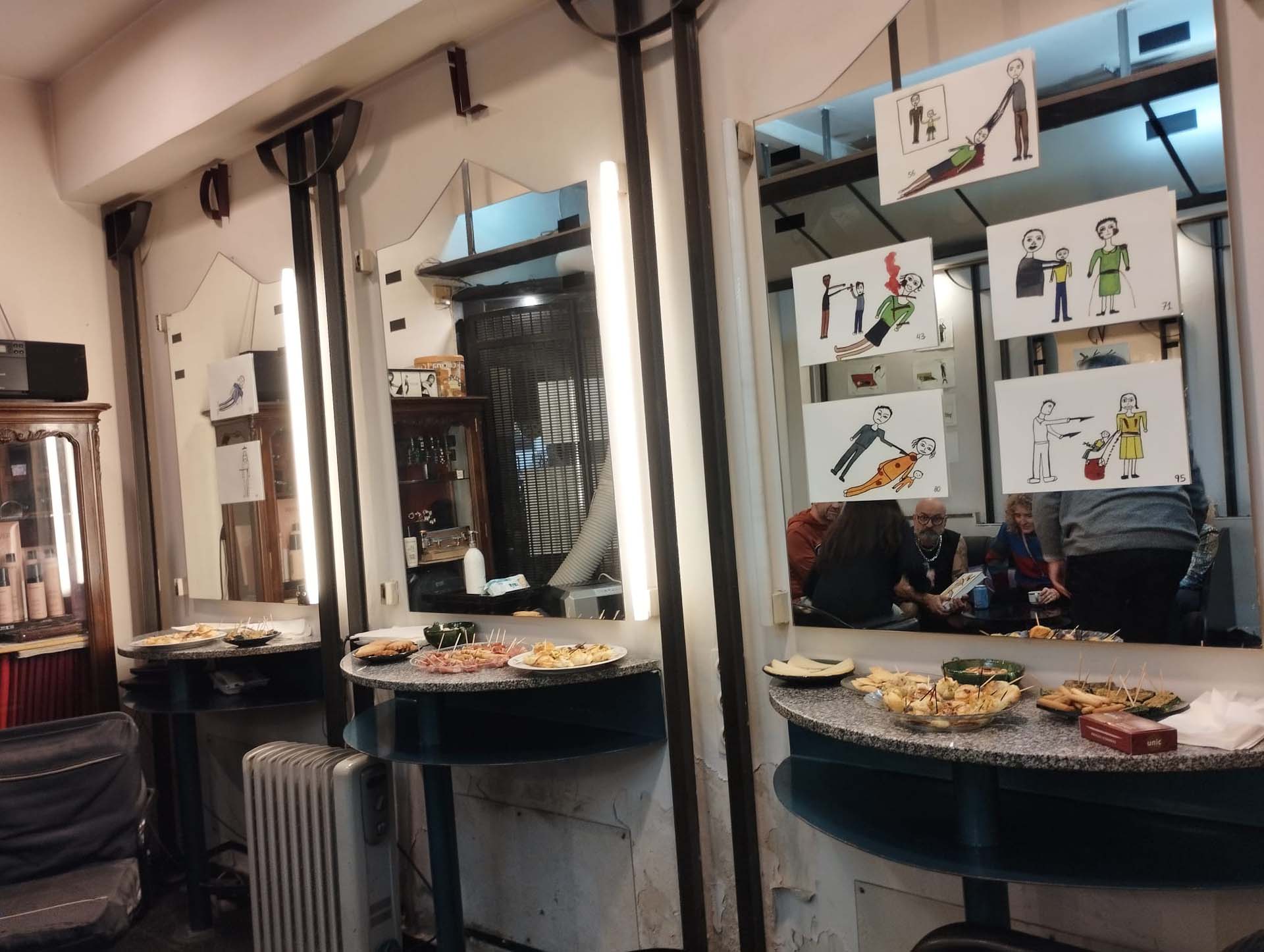
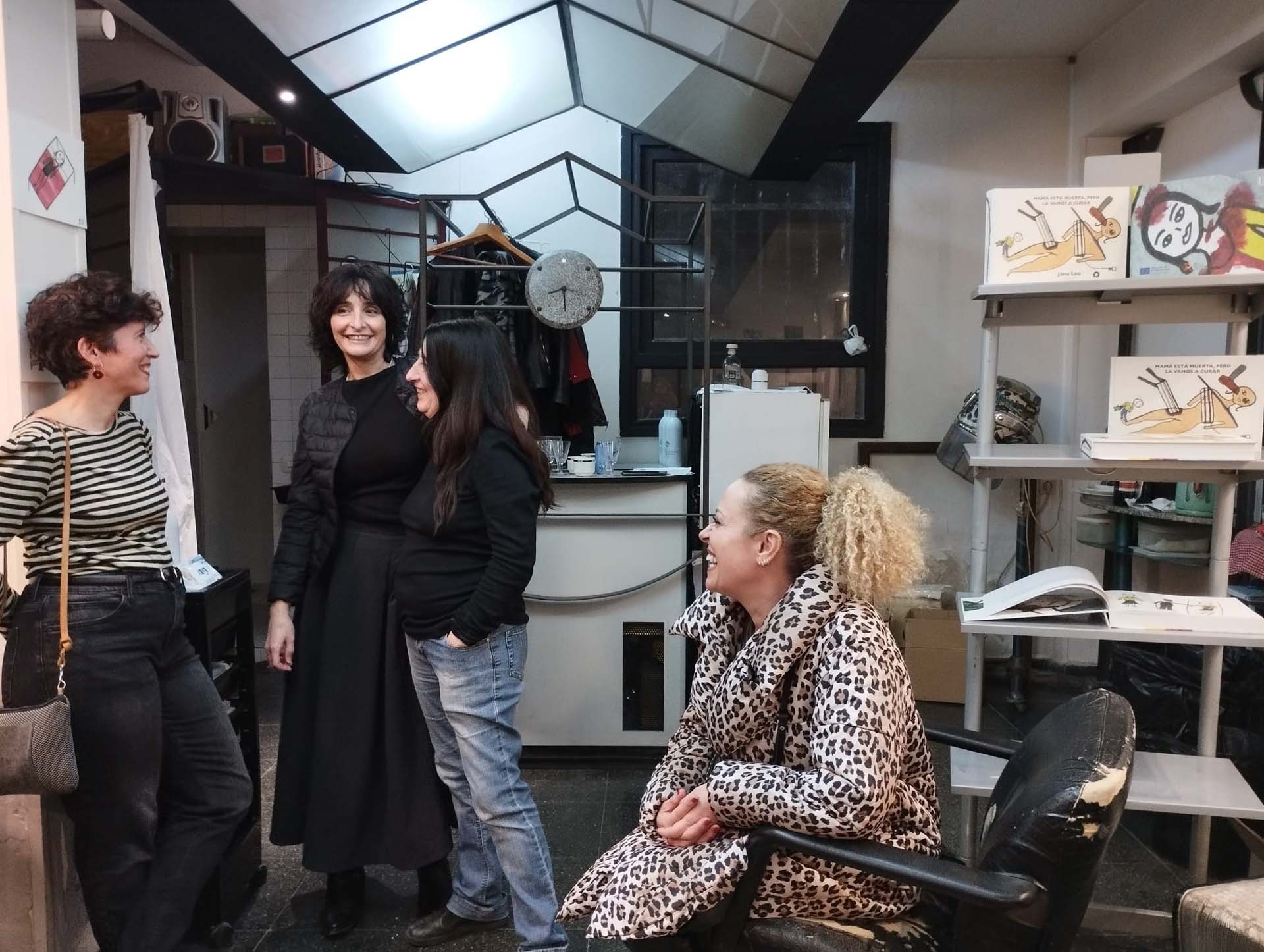
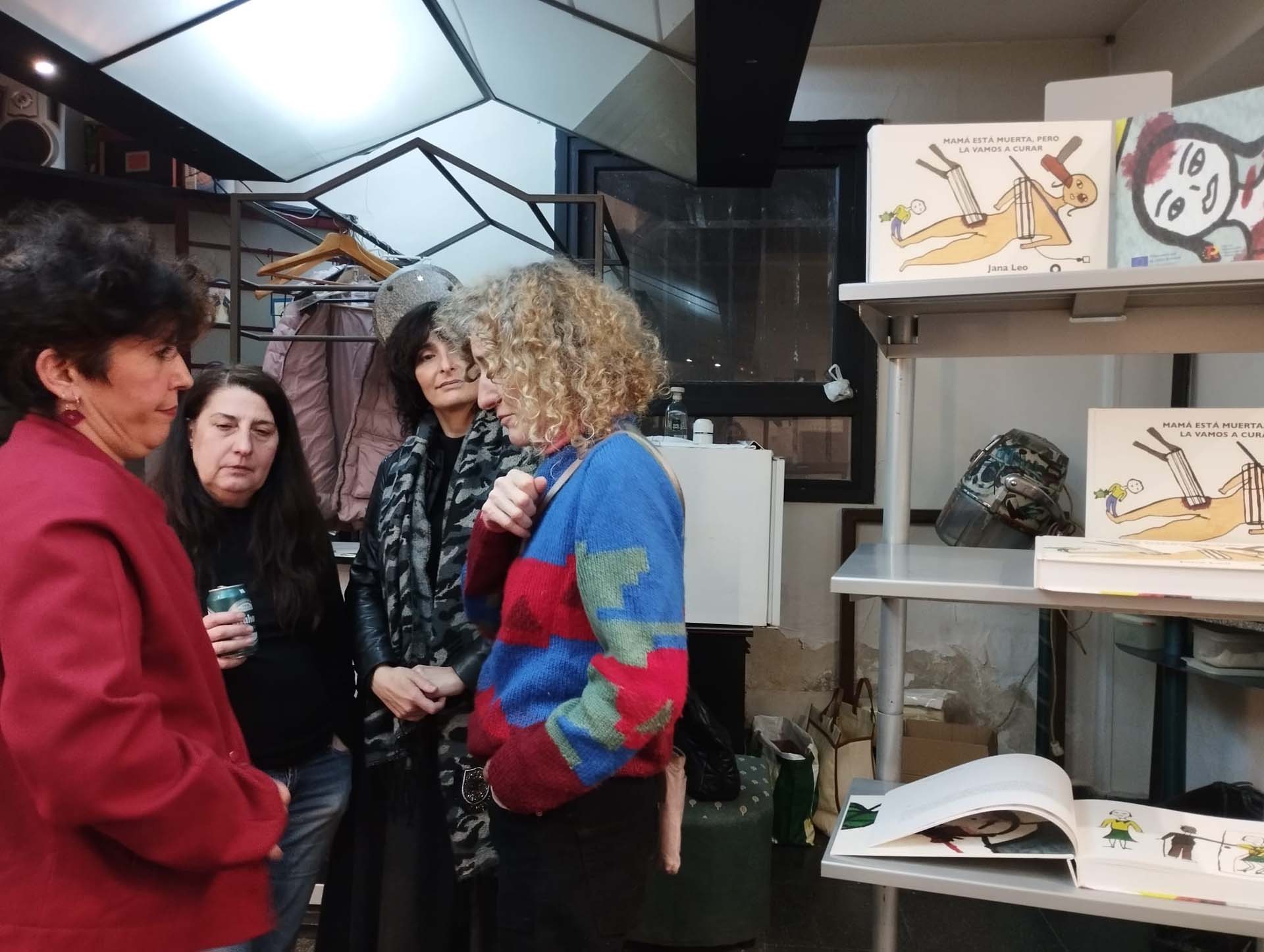
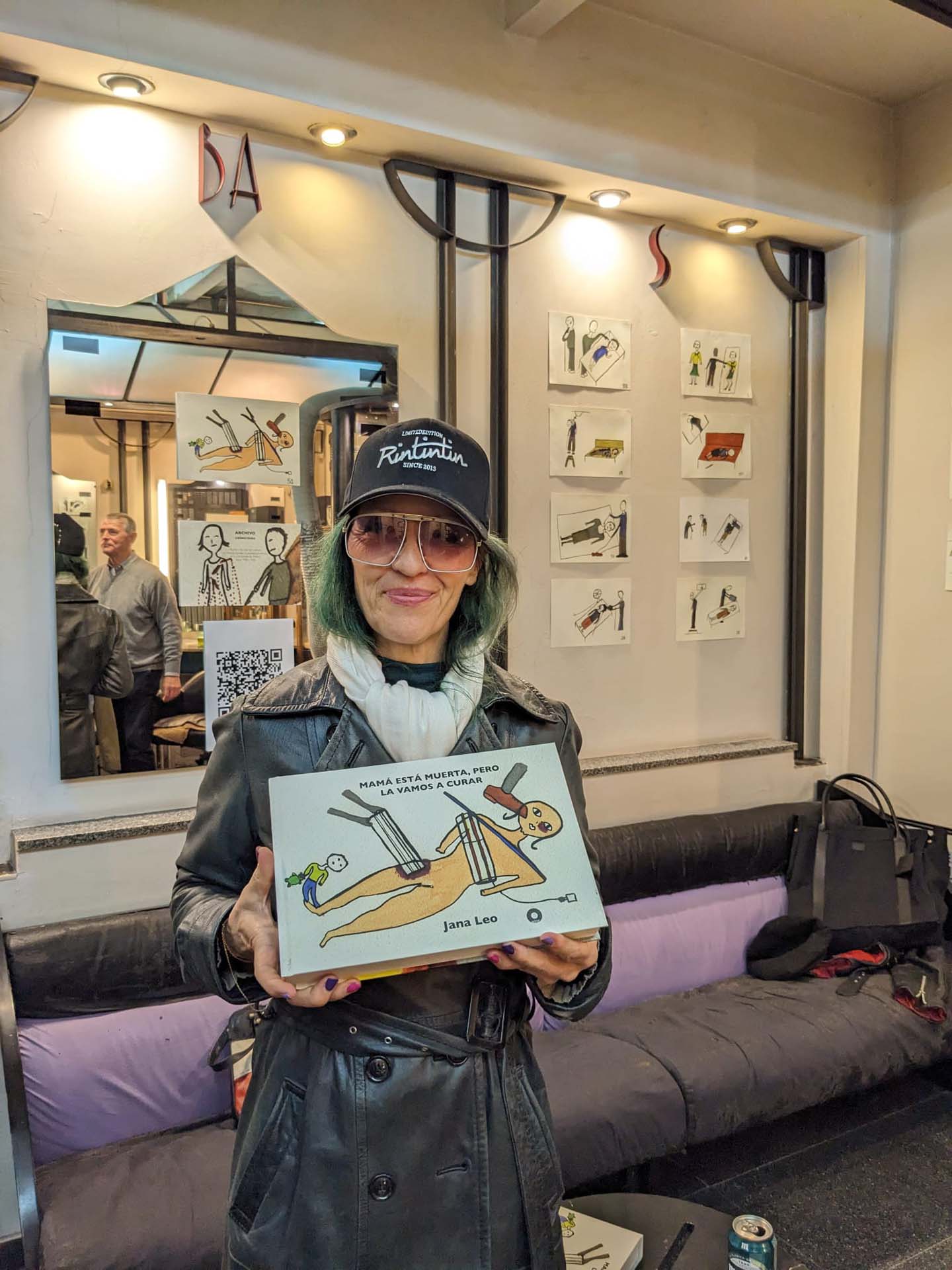
  • Colloquiums at hair salons, including an event for delivering the books to the people who donated to Mosis, held at Guilber Bass in Chueca. Saturday, November 16, 2024.
  • Event at the Juan Carlos I Center at NYU (New York University), October 22, 2025.
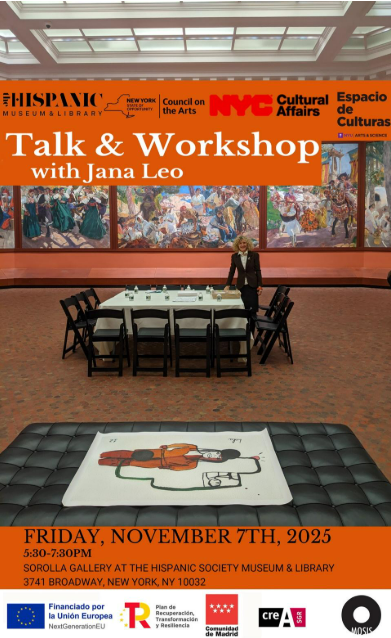
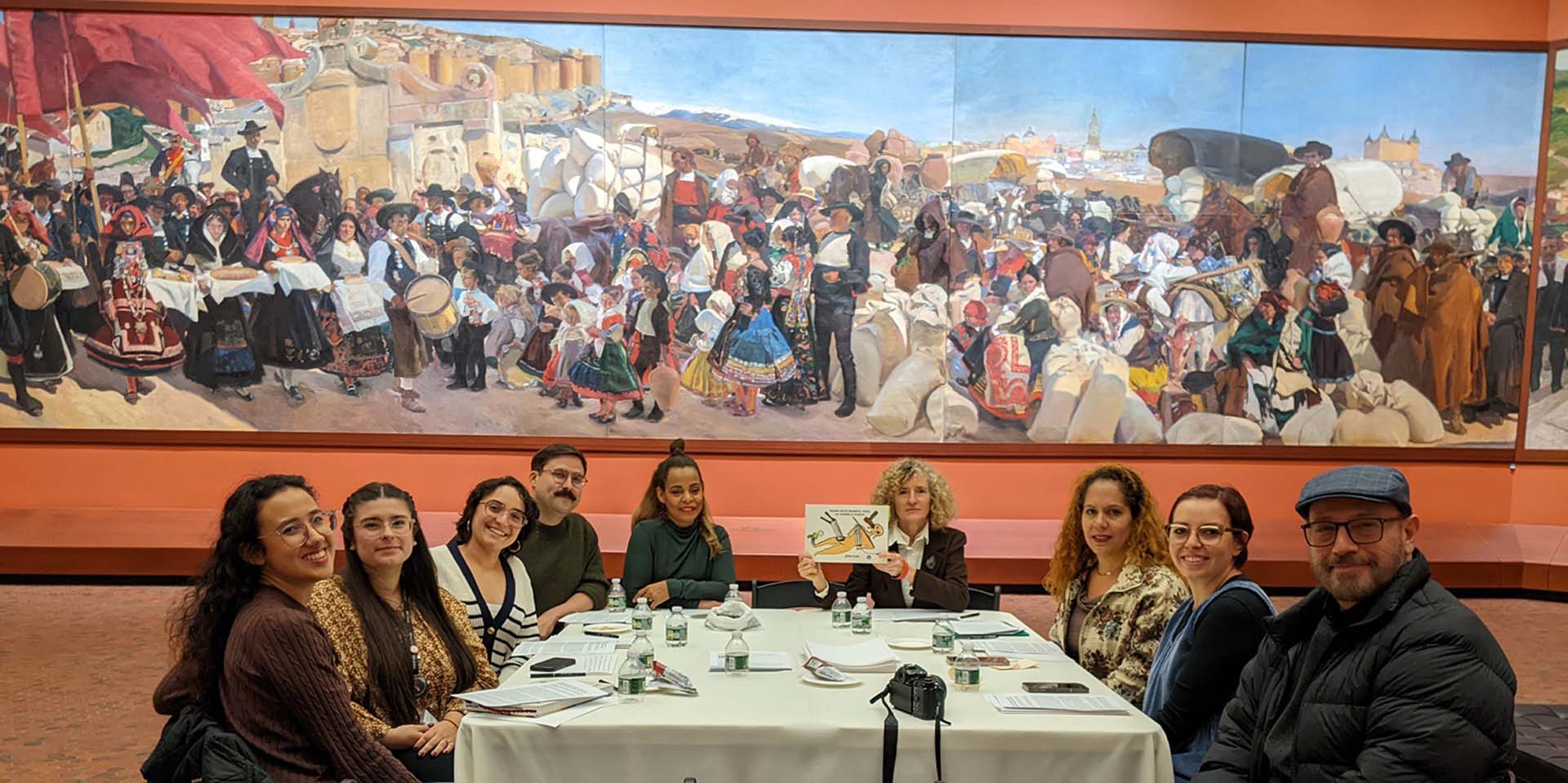
  • Exhibition/workshop event at the Hispanic Society of America on November 7, 2025, New York.
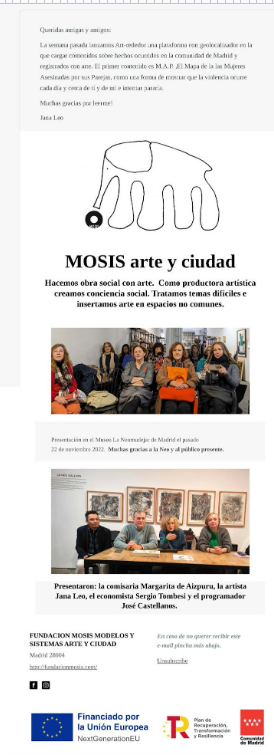
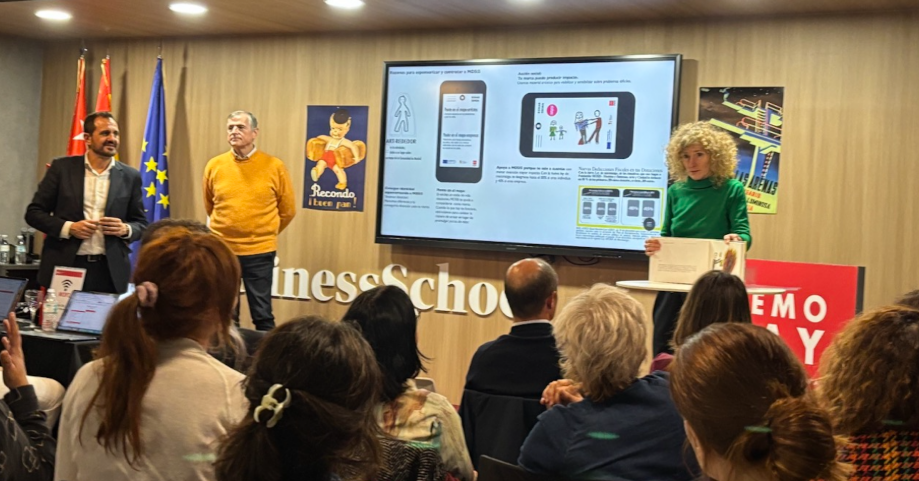
  • App Presentation at LaNeomudejar Museum in Madrid, November 22, 2025.
  • Guided visits, or tours visiting the locations with the help of the App’s map.
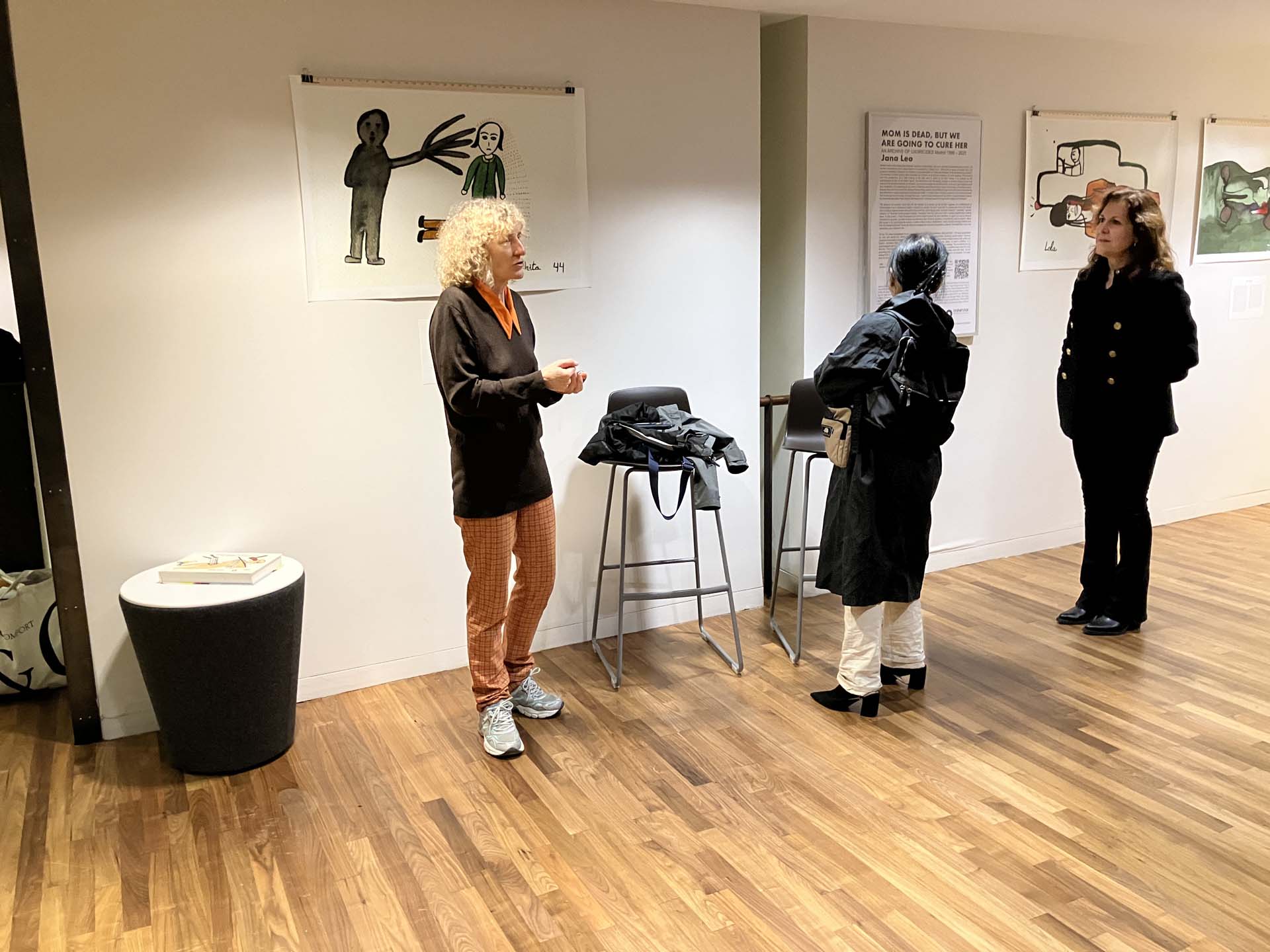
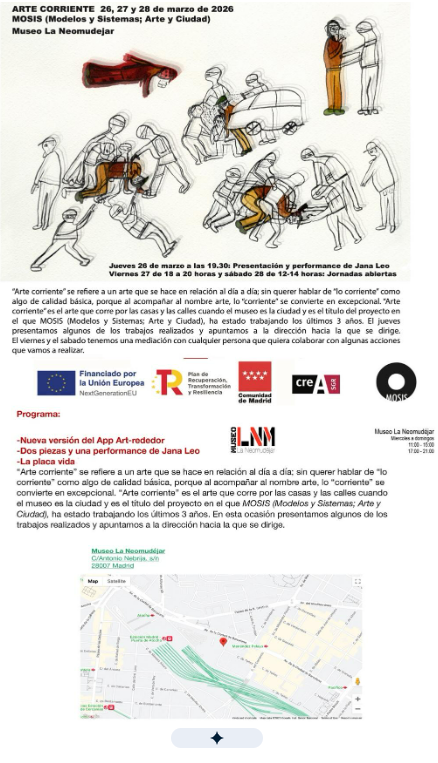
  • Conference on the project at LaNeomudejar Museum on March 26, 27, and 28, 2026, which compiles all the elements and the three years of the project, exhibiting and sharing them.

PRESS (October and November 2025)

Mom is dead, but we are going to cure her

Book by Jana Leo and Sergio Tombesi


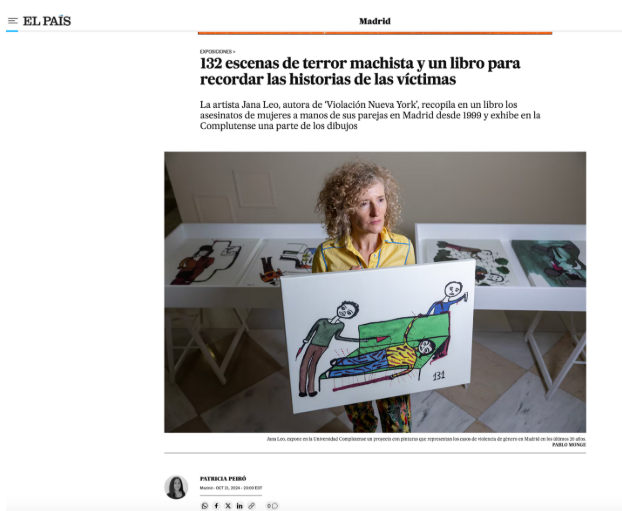
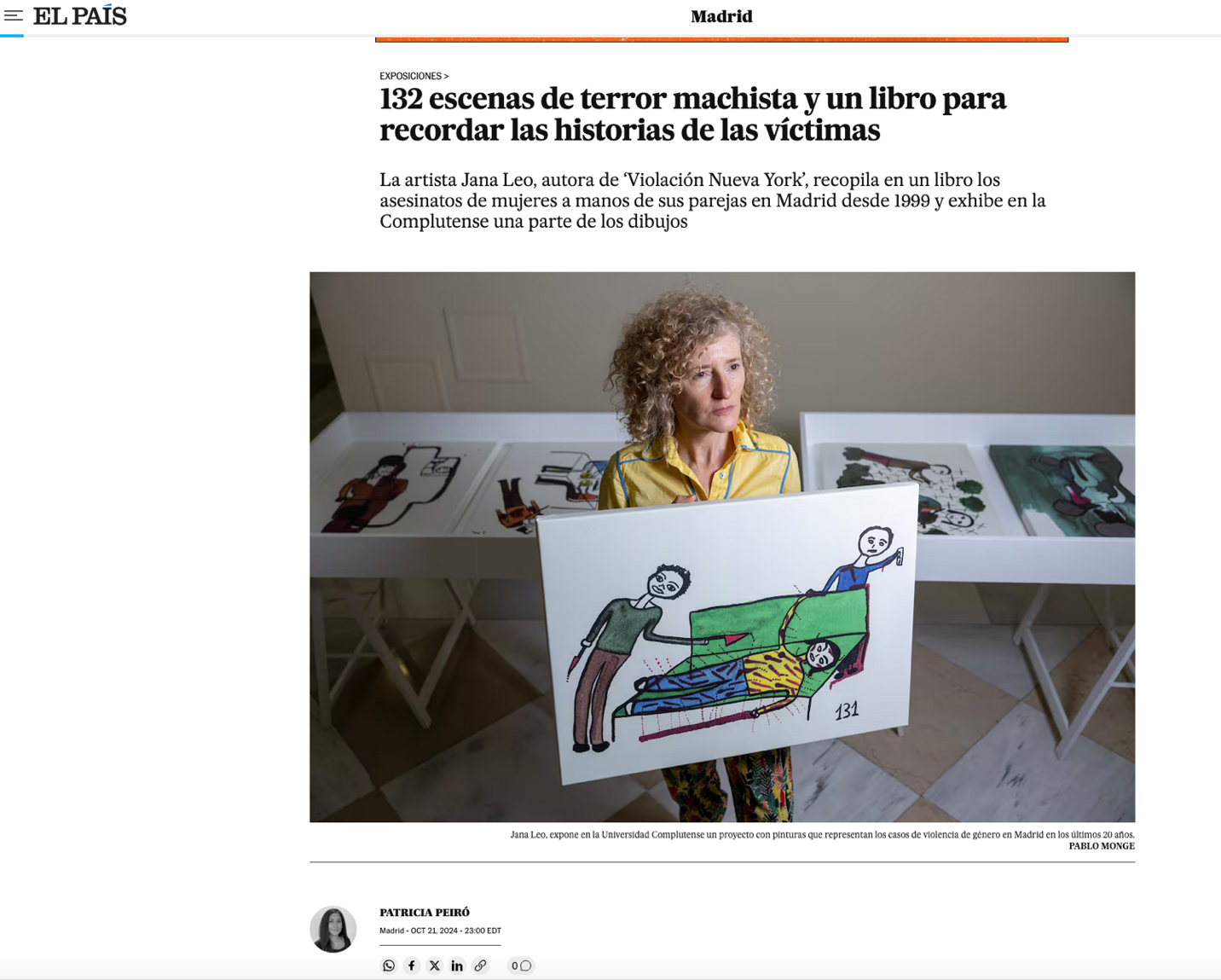
Patricia Peiró, Madrid – OCT 21, 2024

132 scenes of male chauvinist terror and a book to remember the victims’ stories

https://elpais.com/espana/madrid/2024-10-22/132-escenas-de-terror-machista-y-un-libro-para-recordar-las-historias-de-las-victimas.html


  Sofía Villanueva Valdovino | Madrid – November 22, 2024

Jana Leo narrates 132 stories of gender-based violence in an archive-book

https://efeminista.com/jana-leo-narra-132-historias-violencia-genero-libro-archivo/


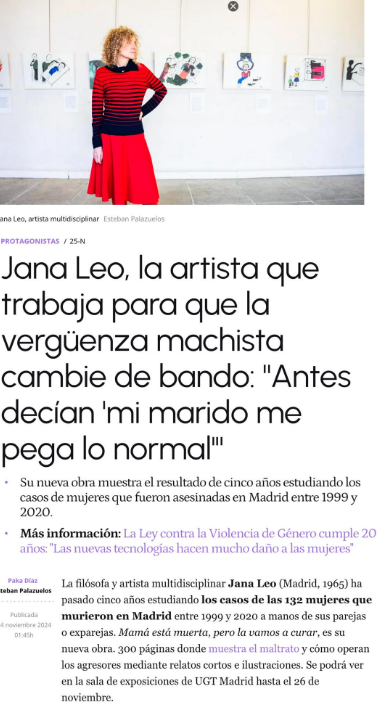
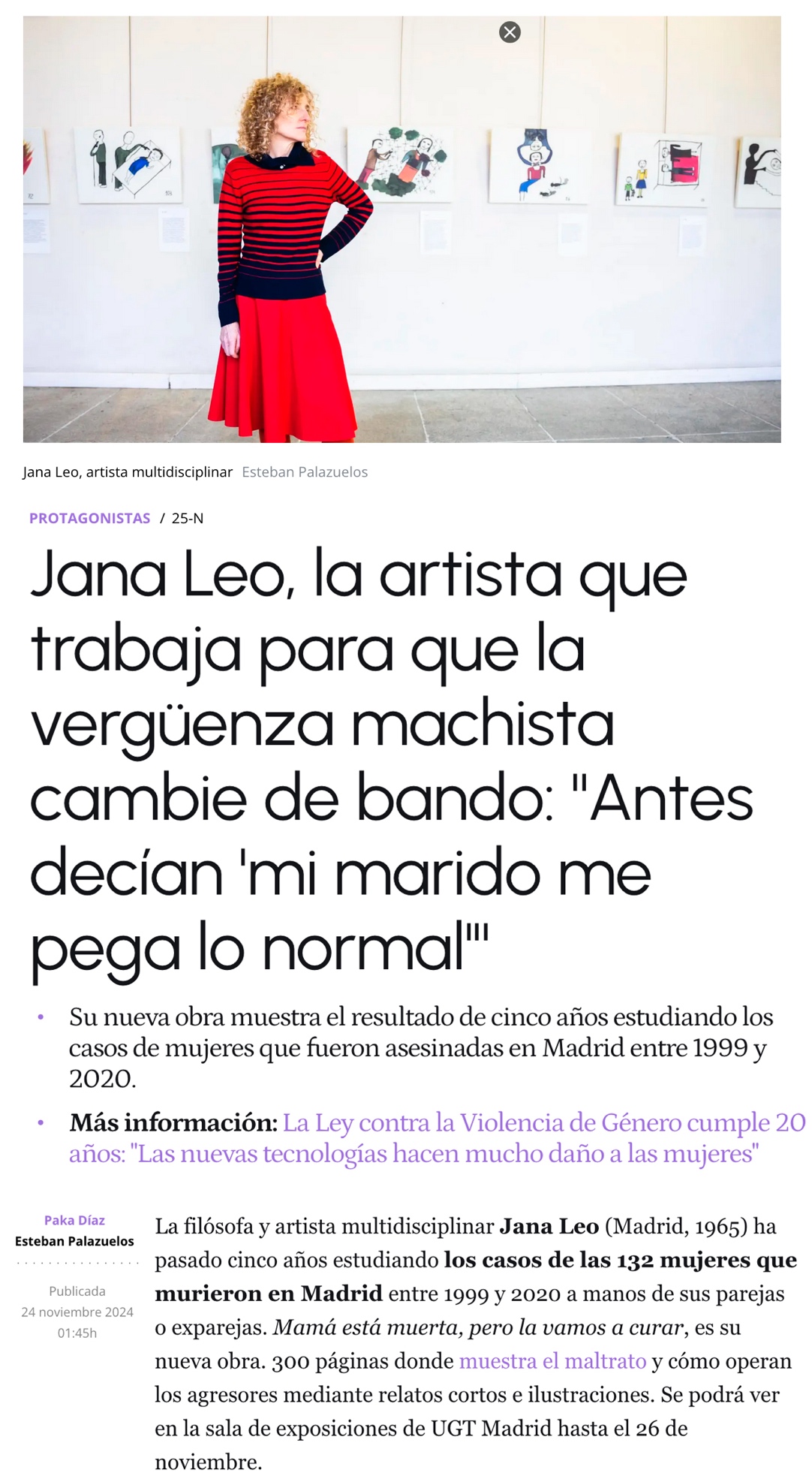
El español, Maga, protagonists 25N Text by Paka Díaz and photographs by Esteban Palazuelos. November 24, 2024. Jana Leo, the artist working so that chauvinist shame changes sides: “Before they used to say ‘my husband hits me the normal amount'”

https://www.elespanol.com/mujer/protagonistas/20241124/jana-leo-artista-trabaja-verguenza-machista-cambie-bando-decian-marido-pega-normal/903160061_0.html


Jana Leo | November 25, 2024. El país, Opinion, Tribune:

Ten signs that your partner could end up killing you

https://elpais.com/opinion/2024-11-25/diez-indicios-de-que-tu-pareja-te-puede-acabar-matando.html


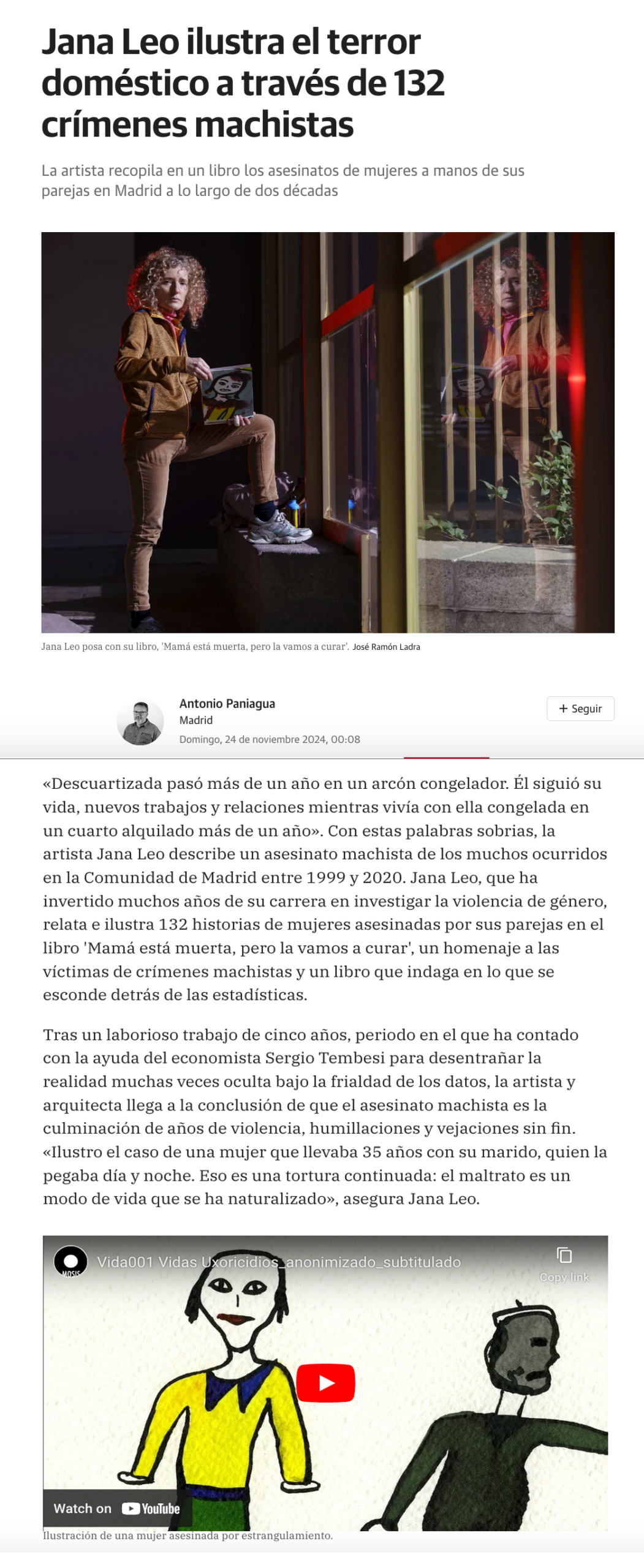
Jana Leo illustrates domestic terror through 132 chauvinist crimes

Antonio Paniagua, Madrid, Sunday, November 24, 2024, 00:08

In the following newspapers:

https://www.elnortedecastilla.es/sociedad/jana-leo-20241119191436-ntrc.html

https://www.ideal.es/sociedad/jana-leo-20241119191436-ntrc.html

https://www.burgosconecta.es/sociedad/jana-leo-20241119191436-ntrc.html

https://www.diariosur.es/sociedad/jana-leo-20241119191436-ntrc.html

https://www.lasprovincias.es/sociedad/jana-leo-20241119191436-ntrc.html

https://www.laverdad.es/sociedad/jana-leo-20241119191436-ntrc.html

https://www.elcorreo.com/sociedad/jana-leo-20241119191436-ntrc.html

https://www.diariovasco.com/sociedad/jana-leo-20241119191436-ntrc.html


Público, Silvia Estébanez Merino Madrid 30/11/2024

Jana Leo, artist: “Campaigns must be aimed at educating men not to aggress, not women to avoid becoming victims”

https://www.publico.es/sociedad/jana-leo-artista-campanas-deben-dirigidas-educar-hombre-no-agreda-no-mujer-no-victima.html#md=modulo-portada-fila-de-modulos:4×15-t1;mm=mobile-big


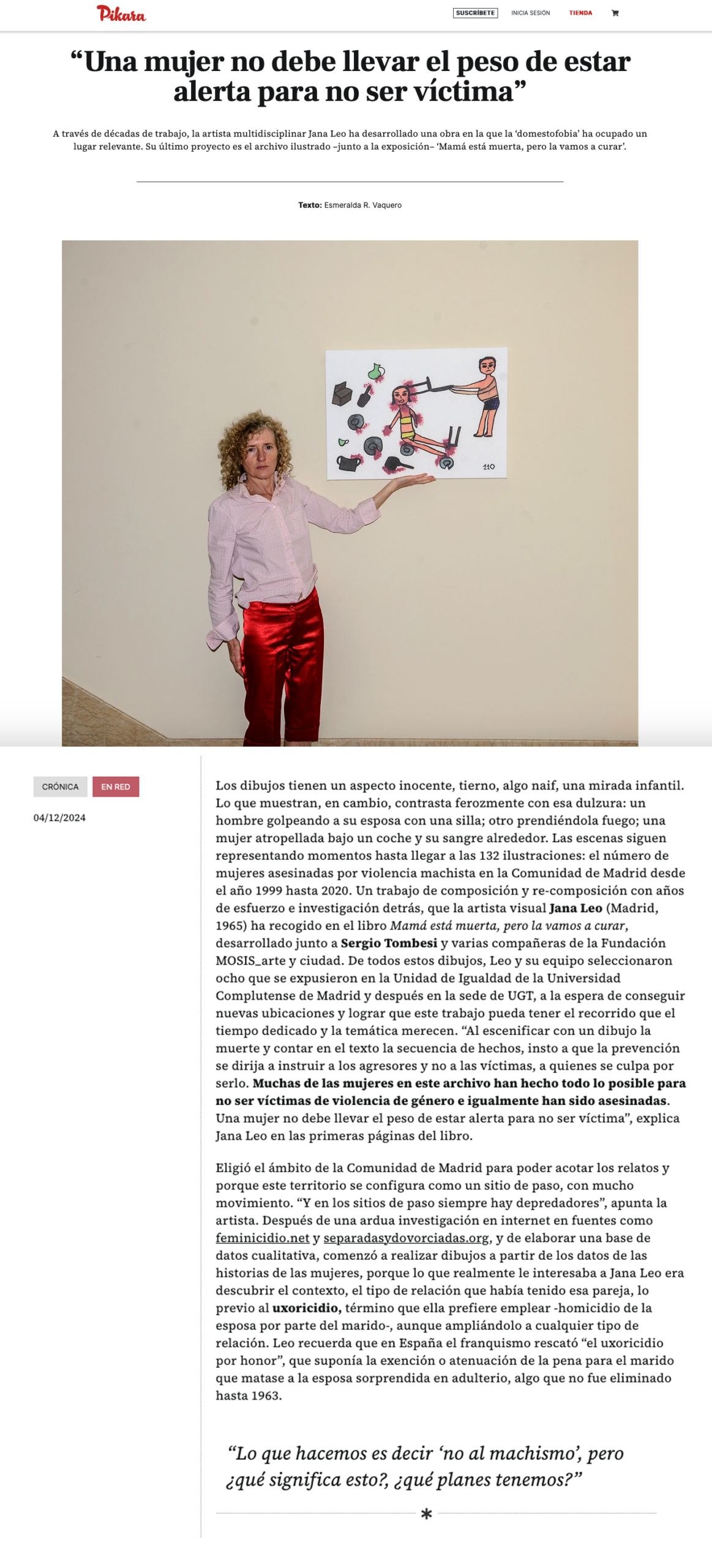
Pikara Magazine 04/12/2024, Esmeralda R. Vaquero

“A woman should not carry the burden of staying alert to avoid being a victim”

https://www.pikaramagazine.com/2024/12/una-mujer-no-debe-llevar-el-peso-de-estar-alerta-para-no-ser-victima/?utm_campaign=golpe-42-colaboradoras&utm_medium=email&utm_source=acumbamail


La razón Marina Cartagena 23/12/2024

“More than figures: faces of the victims of chauvinism”

https://www.larazon.es/madrid/mas-que-cifras-rostros-victimas-machismo_202412236768c25aaf21750001fecf0f.html


Project subsidized by the Regional Ministry of Culture, Tourism, and Sports of the Community of Madrid, under the (PRTR) Recovery, Transformation, and Resilience Plan, funded by the European Union (NextGenerationEU).

Project carried out with the participation of crea SGR.


Project carried out by the MOSIS team:

Research: Sergio Tombesi and Jana Leo de Blas
Idea, drawings, and texts: Jana Leo de Blas
Database and data processing: Sergio Tombesi
Data review: Borja Álvarez and Isabel Leo de Blas
Text editing: Isabel Leo de Blas
Copy editing: Isaac A. Sánchez Martín
Design: Gearóid Dolan and Jana Leo de Blas
Layout and typesetting: Borja Álvarez Alonso
Production: Jana Leo de Blas
Videos: Oscar Villasante Ochoa and Simon Lund
Social Media: Cheché Yuguri and Borja Álvarez Alonso
Press: Beatriz Lucas Cabornero
Web: Simon Lund and Cristhian V. Ugo Rojas Rosas
Programming: José Enmanuel Castellanos Gonzalez
Commemorative sculptures: Simon Lund, Borja Álvarez Alonso, Jana Leo and Isabel Leo
Administration: Sergio Tombesi
And multiple occasional collaborators, including: Cristhian V. Ugo Rojas Rosas, Sara Donoso, Francisco Almandoz Ríos, Margarita de Aizpuru and others.


The MOSIS Foundation, Models and Systems; Art and City is a non-profit organization and an art production company, its mission is to create art with civic and social awareness.
 

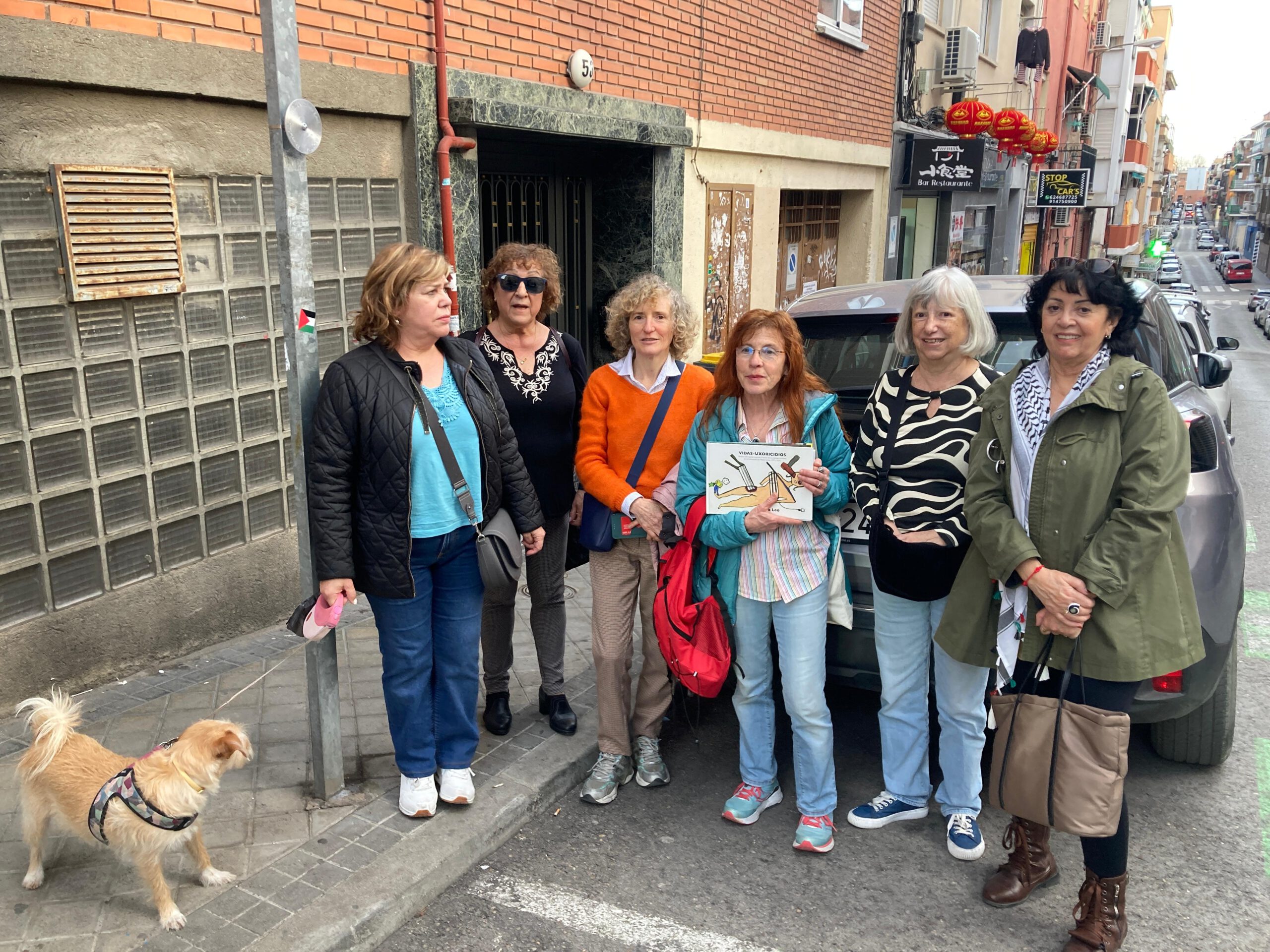
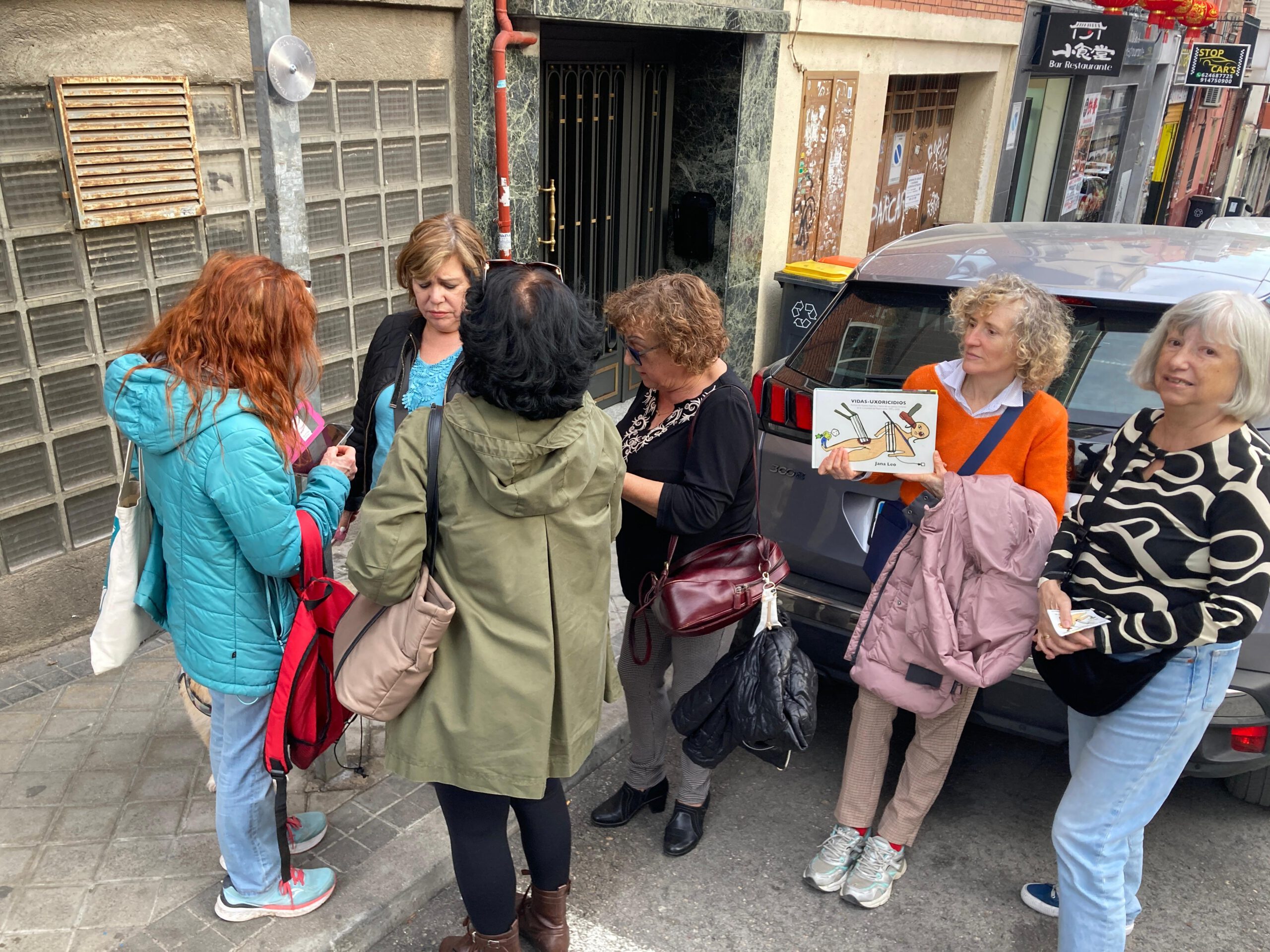
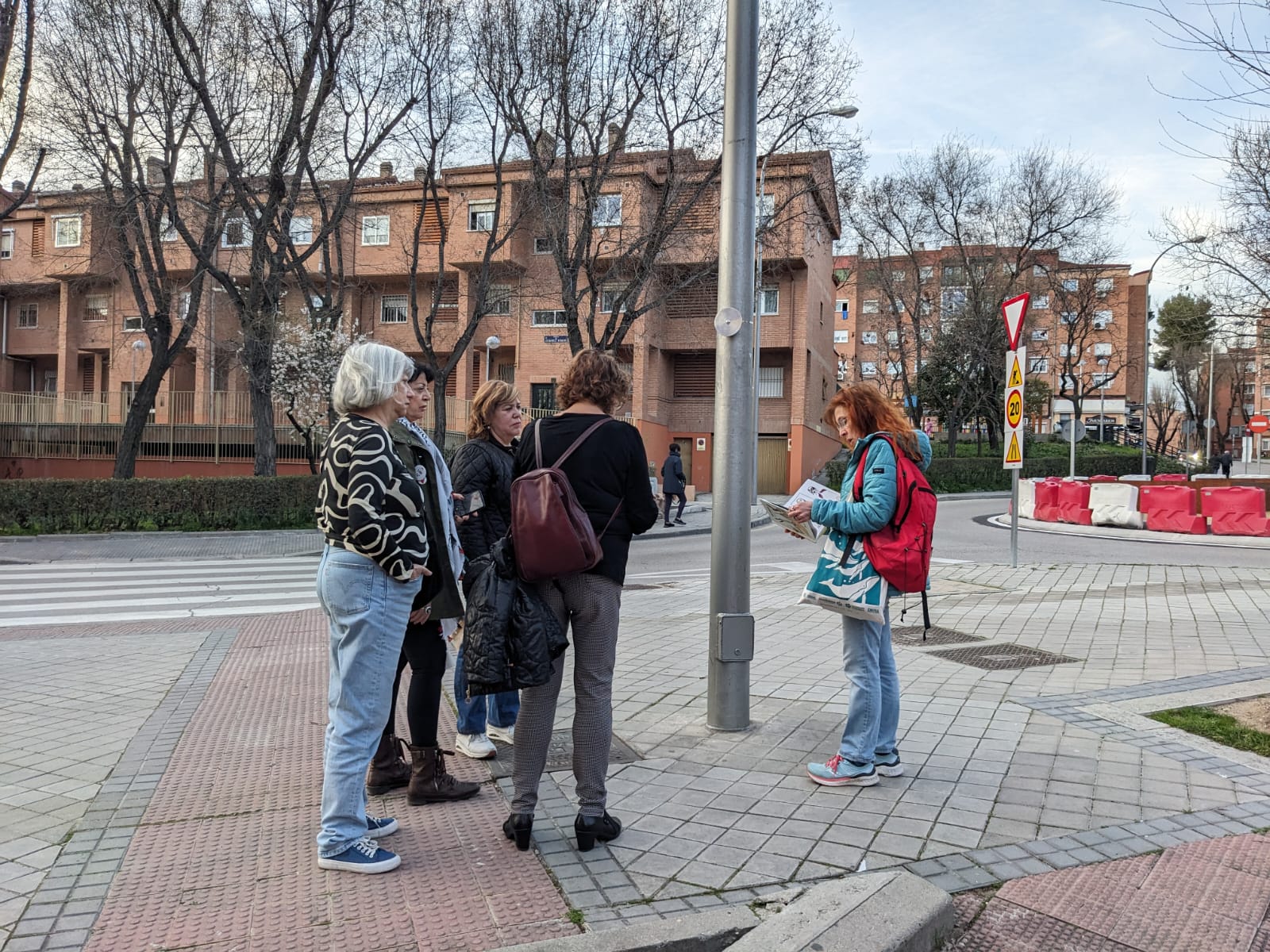
Another activity developed around the App and the sculptures has been what we call: Visitarte, which is a physical guided tour of art and memory at the place where the event occurred, assisted by the first App with a geolocator for gender-based violence. VISITARTE is a tour of art and memory at the place where the event occurred, assisted by the first App with a geolocator for gender-based violence, alongside a presentation of the book that archives 132 uxoricides.

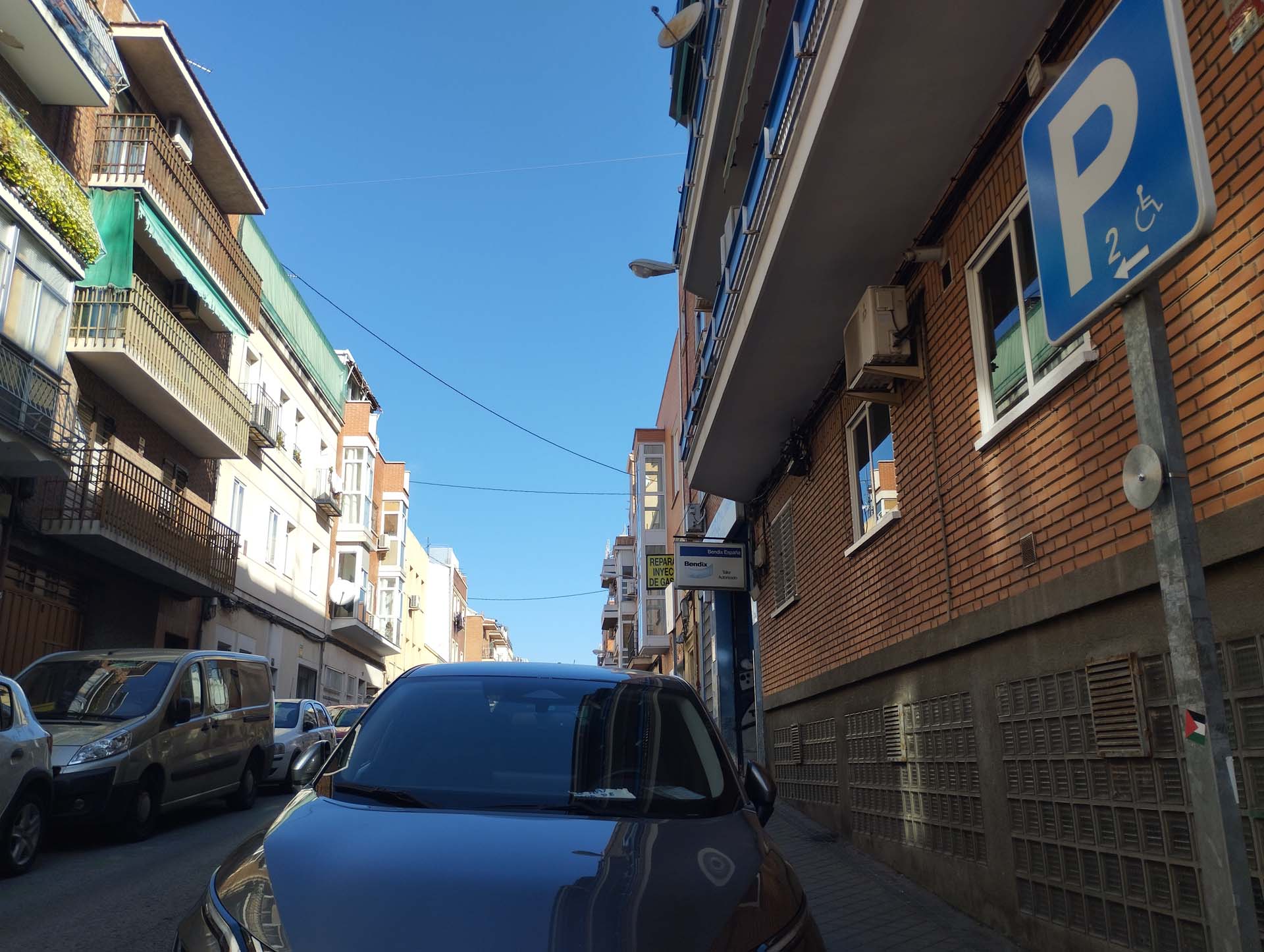
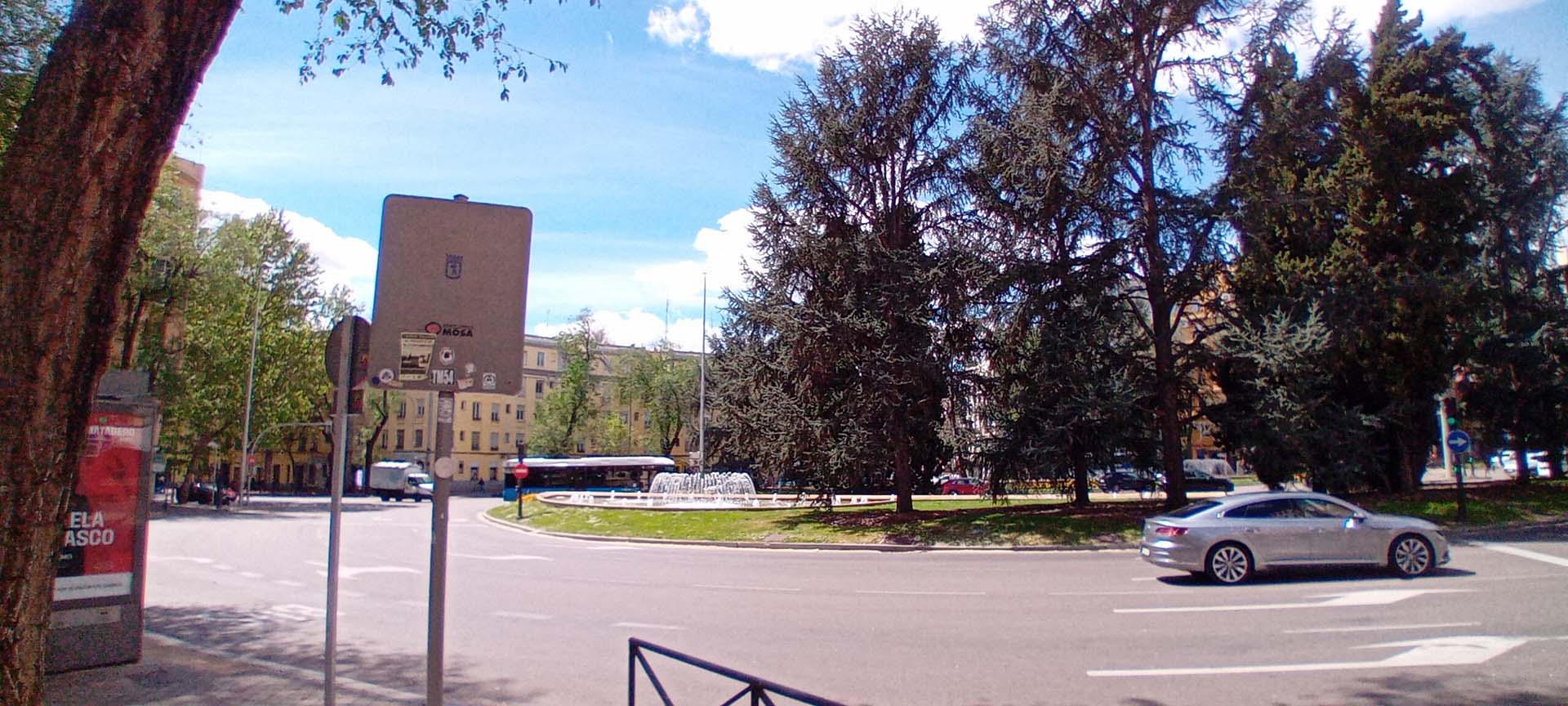
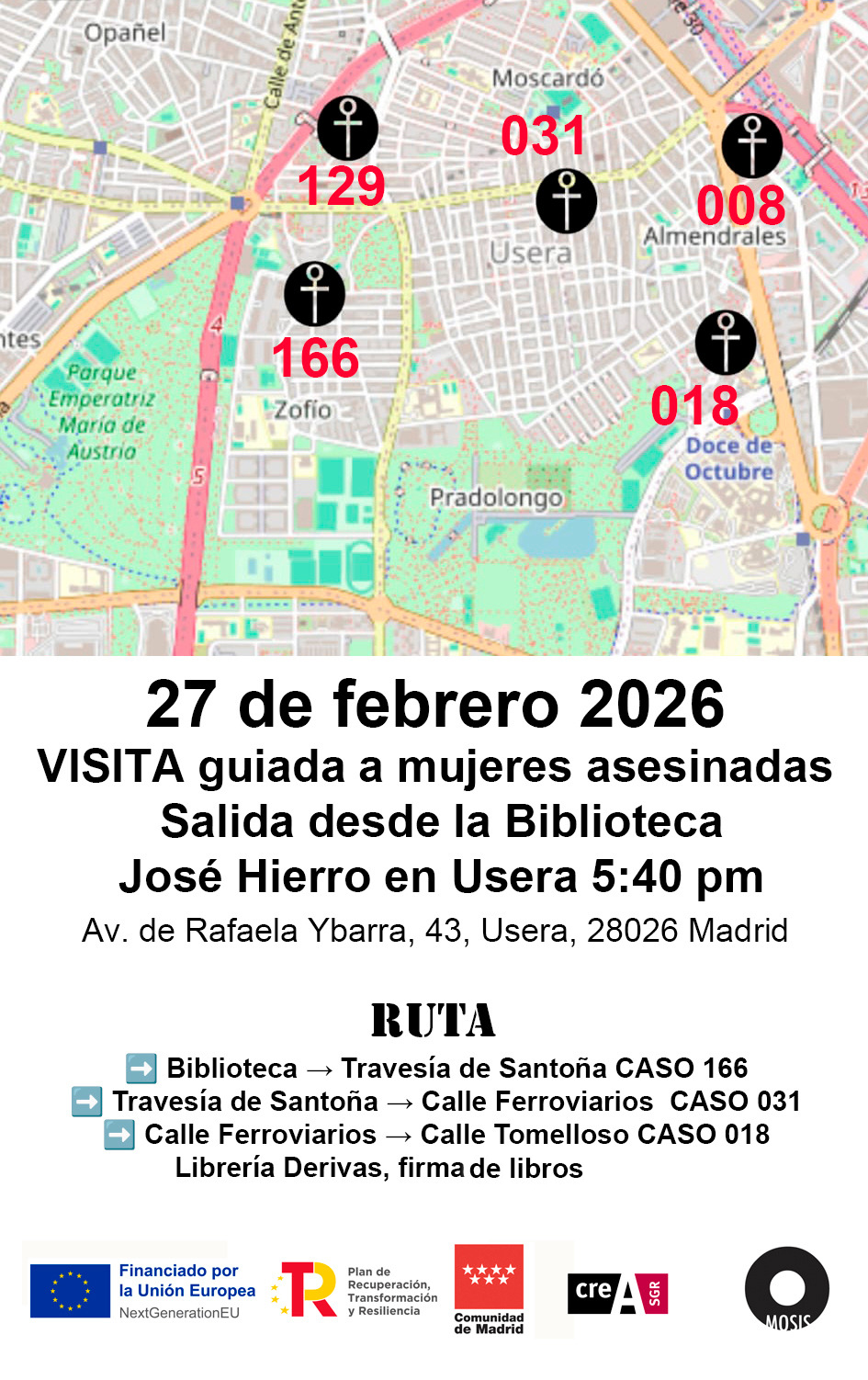
This activity is currently in a prototype phase, and the routes carried out have served as a learning process that will allow the launch of this activity in the future. In some cases, the visits are timed to coincide with the temporary installations of several “life plaques,” which are put up and taken down during the walk or over the following days. For example, the first guided route through Usera visits cases 018, 031, and 166, accompanied by leaders of local associations. Furthermore, we have carried out other types of artistic installations surrounding public art, inviting artists who have enabled the art to engage in a dialogue with the public and the public sphere. For instance, the media walks/events conducted by invitation of the press and with a restricted call alongside the artist Jana Leo offer a reading of the city as the result of a system that violates and exploits. Inspired by her book Rape New York, Jana Leo takes a journey from the violence of “real estate harassment” (using rape as a strategy to force someone to leave their home) to the exploration of interpersonal violence and its location, either inside the home or near it. Thus, she speaks of “domestophobia”—the fear of violence that occurs within the domestic space—challenging the perception of the home as a safe place for women.

Here, as an example, is the Usera itinerary, a guided route through Usera to three of the locations where women were murdered by their partners, paying a visit to their memory.

ROUTE

1. Usera José Hierro Library
17:00 – 17:50

  • Library → Travesía de Santoña CASE 166
    On foot
    8–10 min
    2 Travesía de Santoña
    18:00 – 18:08
  • Travesía de Santoña → Calle Ferroviarios CASE 031
    Recommended public transport
    15–18 min
    3 Calle Ferroviarios
    18:26 – 18:34
  • Calle Ferroviarios → Calle Tomelloso CASE 018
    EMT Bus or Metro + short walk.
    15–20 min
    Estimated completion time: 19:00

The MOSIS Foundation (Models and Systems; Art and City), conceived by the artist Jana Leo, is a non-profit organization and an art production company that creates civic and social awareness through art, contextualizing situations within the city and bringing art to the citizens. This is how Art-rededor was born: the platform featuring a map that shows art in relation to something that occurred in a specific place.


Project subsidized by the Regional Ministry of Culture, Tourism, and Sports of the Community of Madrid, under the (PRTR) Recovery, Transformation, and Resilience Plan, funded by the European Union (NextGenerationEU).

Project carried out with the participation of crea SGR.


Project carried out by the MOSIS team:

Research: Sergio Tombesi and Jana Leo de Blas
Idea, drawings, and texts: Jana Leo de Blas
Database and data processing: Sergio Tombesi
Data review: Borja Álvarez and Isabel Leo de Blas
Text editing: Isabel Leo de Blas
Copy editing: Isaac A. Sánchez Martín
Design: Gearóid Dolan and Jana Leo de Blas
Layout and typesetting: Borja Álvarez Alonso
Production: Jana Leo de Blas
Videos: Oscar Villasante Ochoa and Simon Lund
Social Media: Cheché Yuguri and Borja Álvarez Alonso
Press: Beatriz Lucas Cabornero
Web: Simon Lund and Cristhian V. Ugo Rojas Rosas
Programming: José Enmanuel Castellanos Gonzalez
Commemorative sculptures: Simon Lund, Borja Álvarez Alonso, Jana Leo and Isabel Leo
Administration: Sergio Tombesi
And multiple occasional collaborators, including: Cristhian V. Ugo Rojas Rosas, Sara Donoso, Francisco Almandoz Ríos, Margarita de Aizpuru and others.


The MOSIS Foundation, Models and Systems; Art and City is a non-profit organization and an art production company, its mission is to create art with civic and social awareness.
  • UGT Madrid, November 22, 2024 as part of its 25N campaign. Clues, Patterns, and Myths of gender-based violence based on the research of 132 women murdered by their partners in Madrid. Presented by Sergio Tombesi and Jana Leo. The director of UGT shows our book, Mom is dead, but we are going to cure her, to the Minister of Equality, Ana Redondo García.

The director of UGT shows our book, Mom is dead, but we are going to cure her, to the Minister of Equality, Ana Redondo García.

Mom is dead, but we are going to cure her at the David Gistau Library

March 2, 2026

Event link: https://madrid.es/go/PresentacionColoquio2marzo

David Gistau Municipal Public Library (Salamanca)
AVENIDA TOREROS, 5 28028 MADRID Neighborhood /
District GUINDALERA / SALAMANCA Phone 91 724 08 04

-Colloquiums at hair salons, including an event for delivering the books to the people who donated to Mosis, held at Guilber Bass in Chueca. Saturday, November 16, 2024.

  • Event at the Juan Carlos I Center at NYU (New York University), October 22, 2025
  • Exhibition/workshop event at the Hispanic Society of America on November 7, 2025, New York.
  • App Presentation at LaNeomudejar Museum in Madrid, November 22, 2025.
  • Conference on the project at LaNeomudejar Museum on March 26, 27, and 28, 2026, which compiles all the elements and the three years of the project, exhibiting and sharing them.

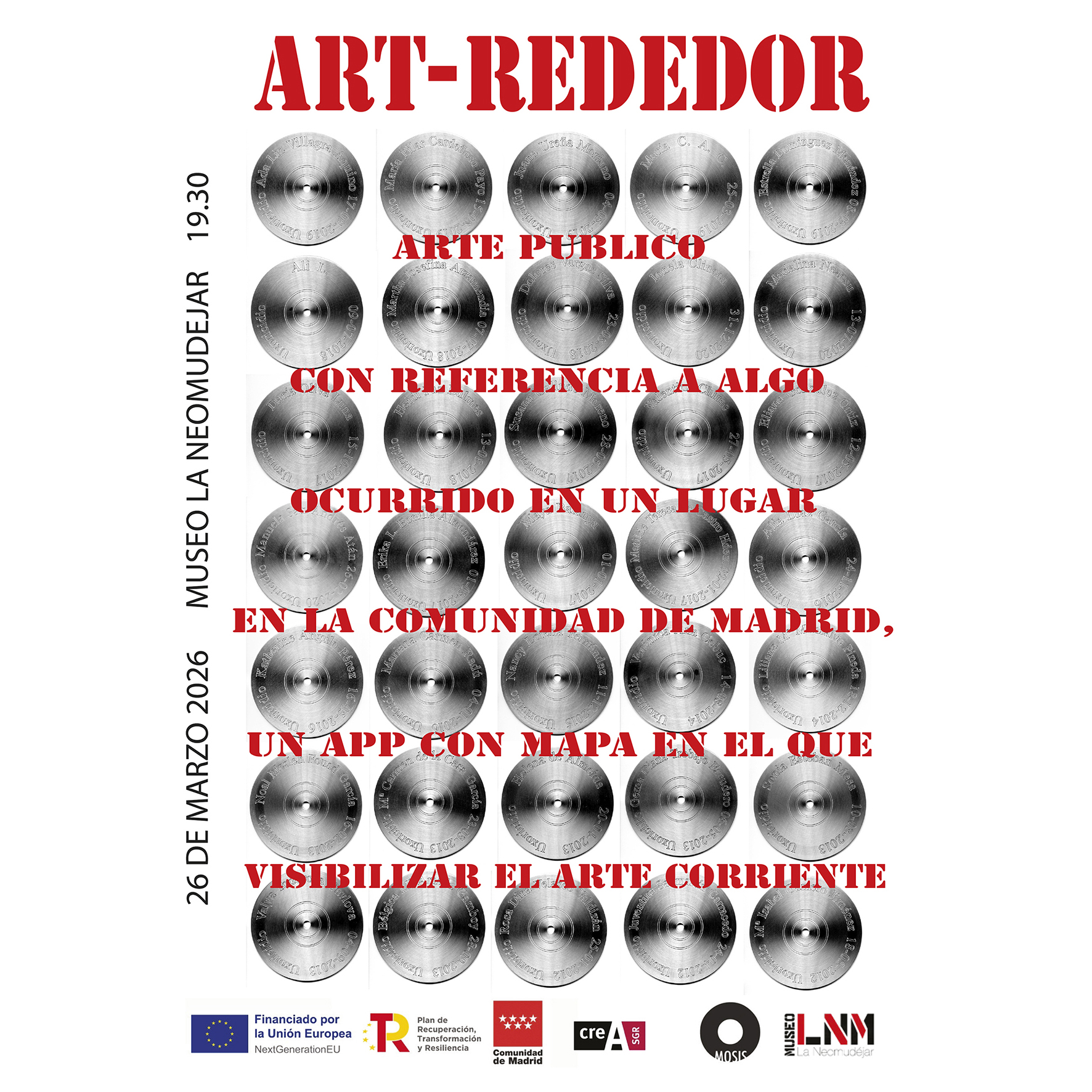
CURRENT ART March 26, 27, and 28, 2026

Presented by: MOSIS (Models and Systems; Art and City) and Colectivo Constancia.
At La Neomudejar Museum, Madrid C. de Antonio Nebrija, S/N, Retiro, 28007 Madrid

Thursday, March 26 at 7:30 p.m.: Presentation, performance, and conversation

Program:

-New version of the App Art-rededor

-Two pieces and a performance by Jana Leo

-Exhibition of the commemorative sculptures or life plaques

“Current Art” refers to an art that is made in relation to the everyday life; not meaning to speak of “the current” as something of basic quality, because when accompanying the word art, “current” becomes exceptional. “Current art” is art that runs through homes and streets when the city is the museum, and it is the title of the project that MOSIS (Models and Systems; Art and City) has been working on for the past 3 years. On this occasion, we present some of the work completed and point toward the direction it is heading. We start with the latest: the new version of our App Art-rededor, which hosts social art, making it available to artists working on events that occurred in the city as a platform for their localized artworks. We continue with “current art” in the present historical context, 2026, which addresses how the exceptional has become the everyday. A brief performance follows. And finally, a walk through the exhibition of the monumental sculptures or life plaques.

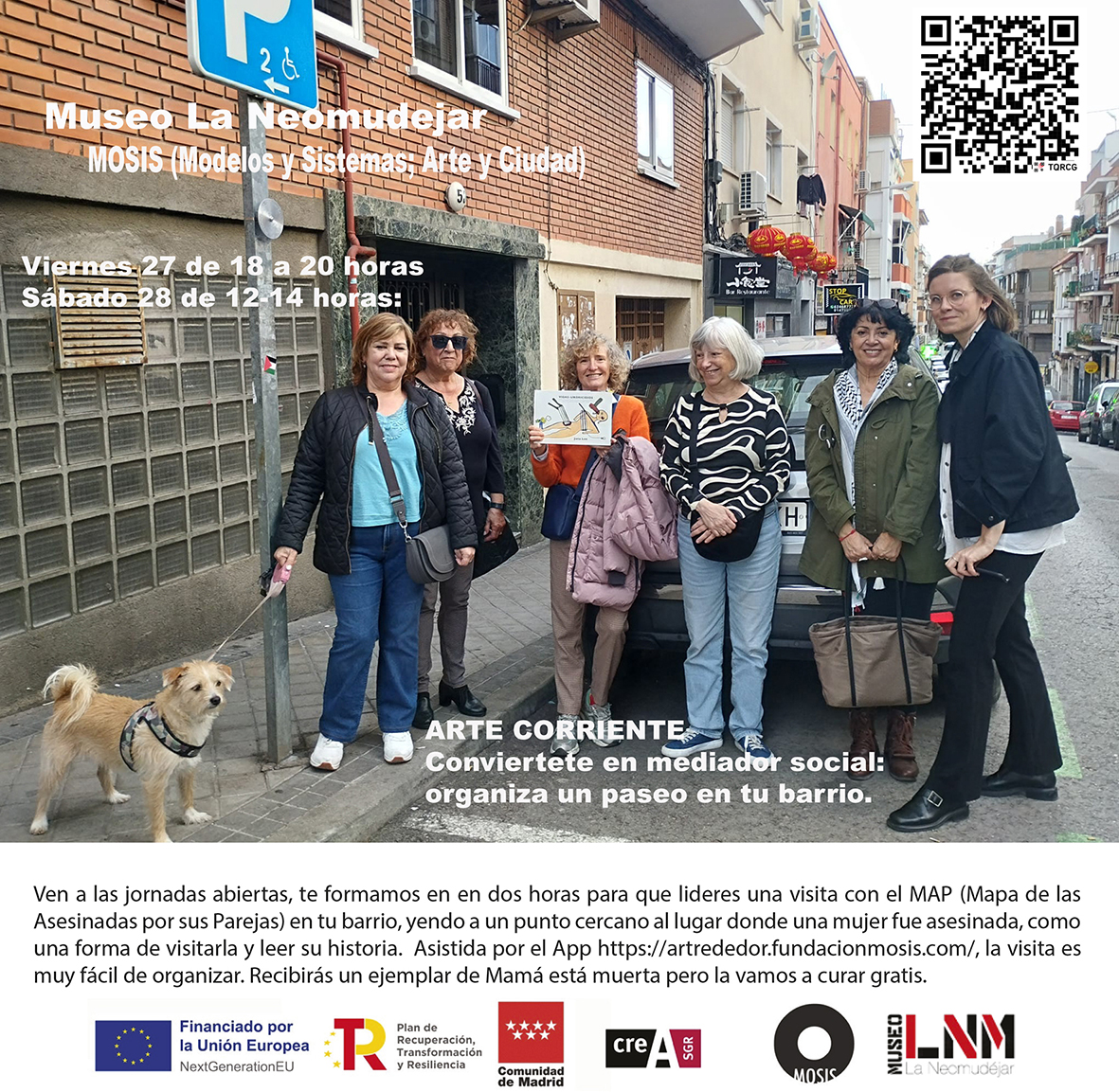
Friday, March 27 from 6 to 8 p.m. and Saturday, March 28 from 12 to 2 p.m.: Open conference sessions asking for your collaboration

Current art sits between conceptual art and what is known as mediation art or social practice. In this direction, I have led the book “Mom is dead, but we are going to cure her” and the Web/App: Artrededor. Now, with this event, the production of the project comes to a close and gives way to its launch regarding its community aspects. We are putting out a call for collaboration. We are looking for collaborators to keep the project alive. If you are interested, come to La Neomudéjar Museum on the days mentioned above. How can you collaborate?:

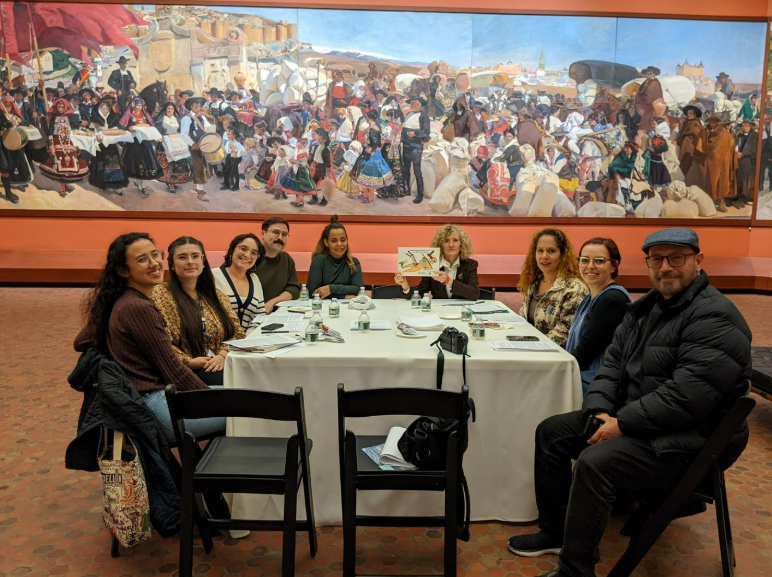
-Lead a tour with the MAP (Map of Women Murdered by their Partners) in your neighborhood, going to a point near the location where a woman was murdered, as a way to visit her and read her story.

-Pick up a book donated by MOSIS and bring it to a library in one of the following towns, where at least one woman has been murdered by her partner: Alcalá de Henares, Alcobendas, Alcorcón, Aranjuez, Arganda del Rey, Brunete, Ciempozuelos, Collado Villalba, El Atazar, El Escorial, El Molar, Fuenlabrada, Fuente el Saz del Jarama, Getafe, Las Rozas, Leganés, Loeches, Mejorada del Campo, Móstoles, Parla, Pinto, Pozuelo de Alarcón, Rivas Vaciamadrid, San Sebastián de los Reyes, Torrejón de Ardoz, Torrelaguna, Tres Cantos, Valdemoro, Villanueva de la Cañada, Villarejo de Salvanés, Villaviciosa de Odón.

MOSIS (Models and Systems; Art and City) was conceived by the artist Jana Leo in Madrid, 2008. Current Art (MMMAP) is a project subsidized by the Regional Ministry of Culture, Tourism, and Sports of the Community of Madrid, under the (PRTR) Recovery, Transformation, and Resilience Plan, funded by the European Union (NextGenerationEU) and carried out with the participation of crea SGR.


A renovation of the identity, equipment, website, and presence of MOSIS has been carried out. Right now, we have an IT structure: computers, scanners, a projector, printers, and a virtual structure (POS/TPV) integrated into our websites, which allows us to carry out our activity in a professional manner as a business or cultural industry. We have more precisely defined the identity of MOSIS and have succeeded in improving our communication and user loyalty; we have an active newsletter and social media accounts, as well as a collaborate section (an open shop/virtual donation platform). The acquired hardware and software equipment provides us with a solid structure that allows us to carry out activities in a competitive and efficient manner.

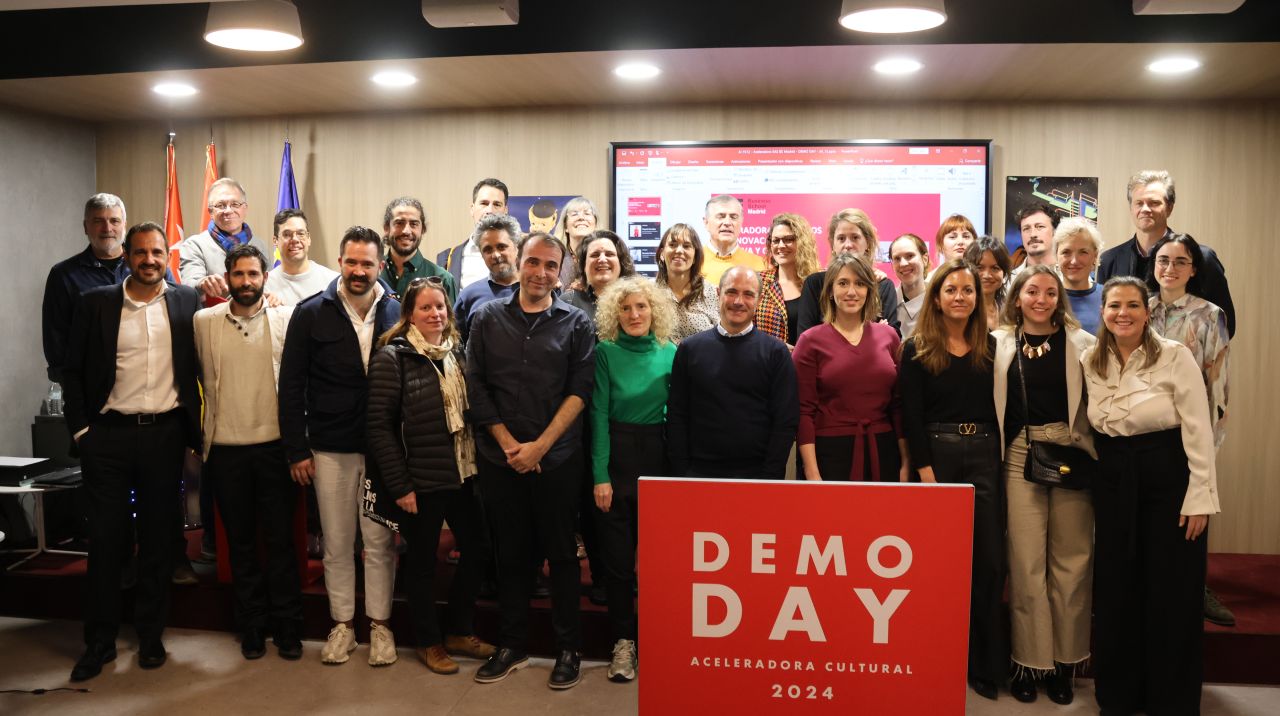
As required by the grants for the acceleration of creative and cultural innovation projects of the Community of Madrid with European funds, we have attended the acceleration program through mentoring sessions and workshops at EAE (Business School Madrid). Alongside visual arts professionals, marketing experts, legal specialists, and other experts, we have worked to improve the quality, visibility, and impact of our project and our cultural industry (MOSIS). Working every afternoon with daily mentoring and collective workshops at C/ Joaquín Costa, 41 and C/ Príncipe de Vergara, 156 28002 – Madrid. This project acceleration process began on February 20, 2024, and ended on December 10, 2024, with the presentation of our proposal to EAE. Thanks to the mentorships, we have sought to improve the functioning of the foundation as a creative business, defining it as a non-profit art production company.


Project subsidized by the Regional Ministry of Culture, Tourism, and Sports of the Community of Madrid, under the (PRTR) Recovery, Transformation, and Resilience Plan, funded by the European Union (NextGenerationEU).

Project carried out with the participation of crea SGR.


Project carried out by the MOSIS team:

Research: Sergio Tombesi and Jana Leo de Blas
Idea, drawings, and texts: Jana Leo de Blas
Database and data processing: Sergio Tombesi
Data review: Borja Álvarez and Isabel Leo de Blas
Text editing: Isabel Leo de Blas
Copy editing: Isaac A. Sánchez Martín
Design: Gearóid Dolan and Jana Leo de Blas
Layout and typesetting: Borja Álvarez Alonso
Production: Jana Leo de Blas
Videos: Oscar Villasante Ochoa and Simon Lund
Social Media: Cheché Yuguri and Borja Álvarez Alonso
Press: Beatriz Lucas Cabornero
Web: Simon Lund and Cristhian V. Ugo Rojas Rosas
Programming: José Enmanuel Castellanos Gonzalez
Commemorative sculptures: Simon Lund, Borja Álvarez Alonso, Jana Leo and Isabel Leo
Administration: Sergio Tombesi
And multiple occasional collaborators, including: Cristhian V. Ugo Rojas Rosas, Sara Donoso, Francisco Almandoz Ríos, Margarita de Aizpuru and others.


The MOSIS Foundation, Models and Systems; Art and City is a non-profit organization and an art production company, its mission is to create art with civic and social awareness.
Arte Corriente-MMMAP (nombre comercial: Art-rededor- MAP)