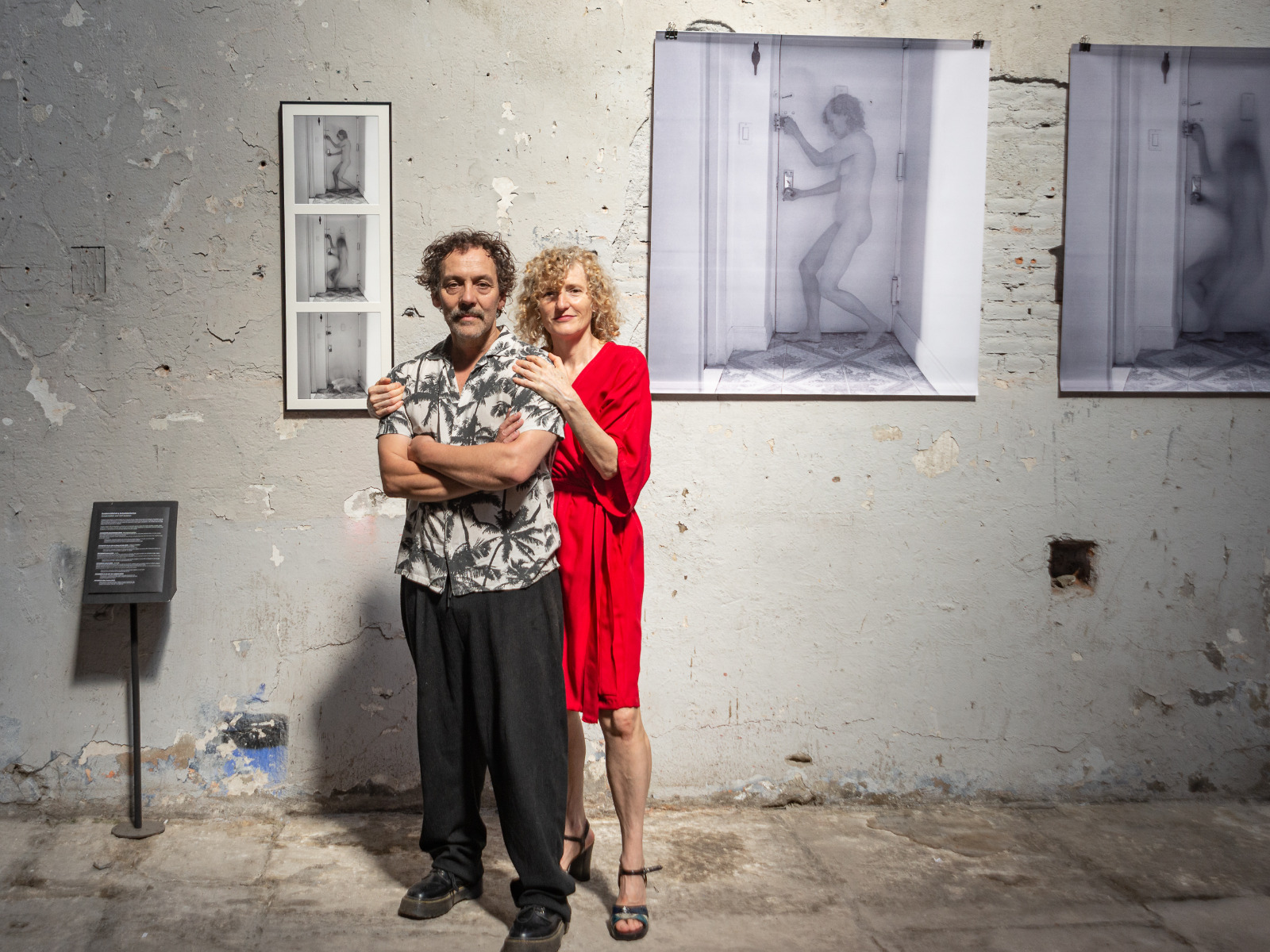
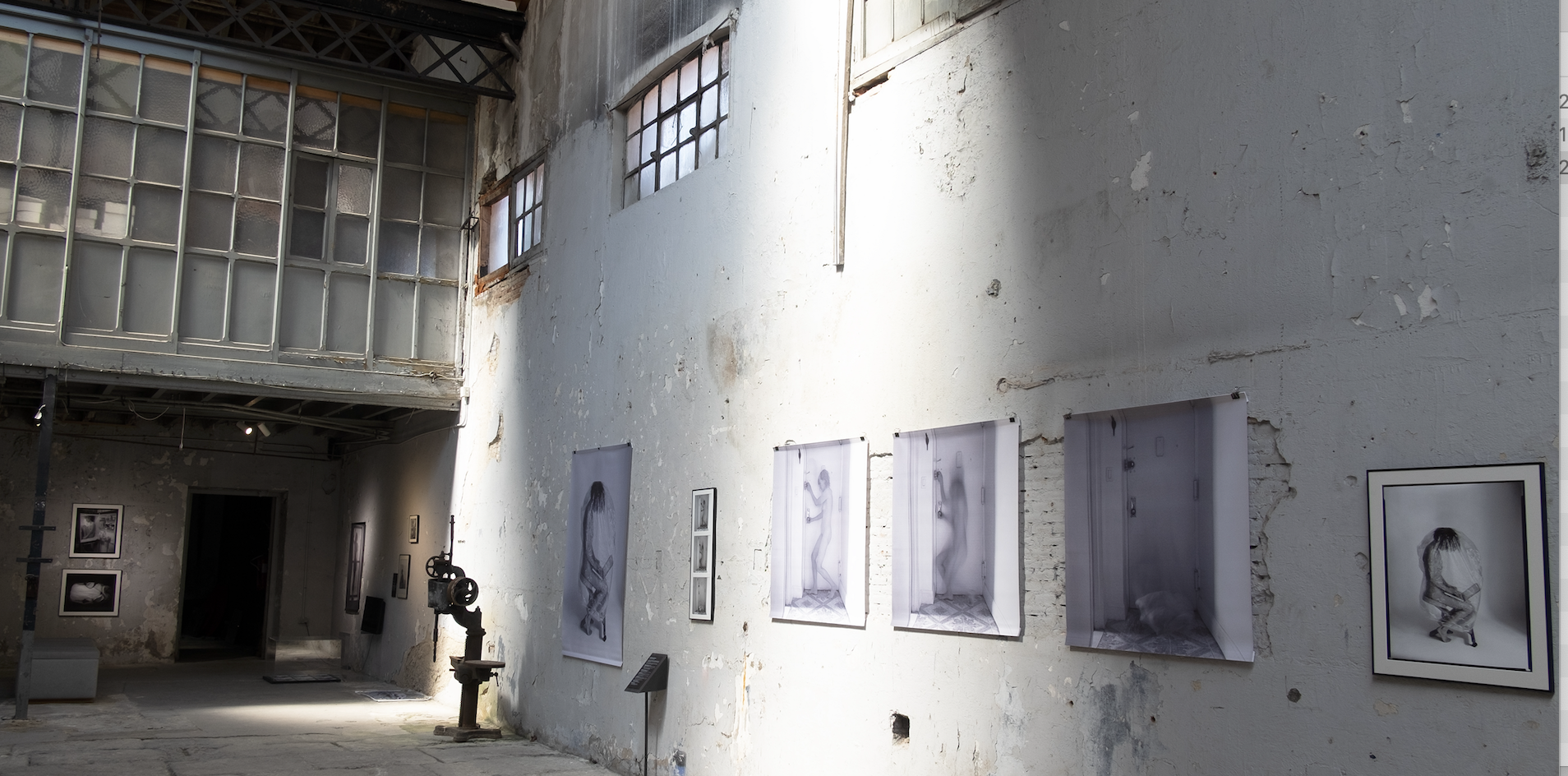
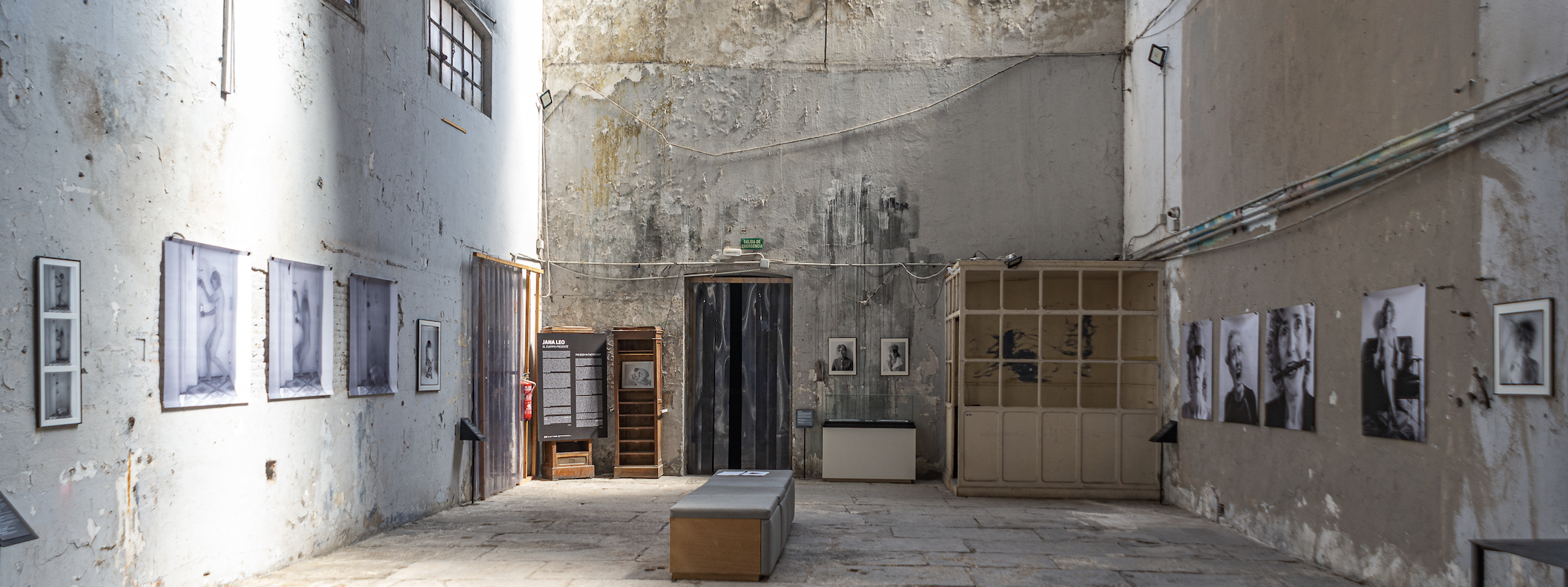
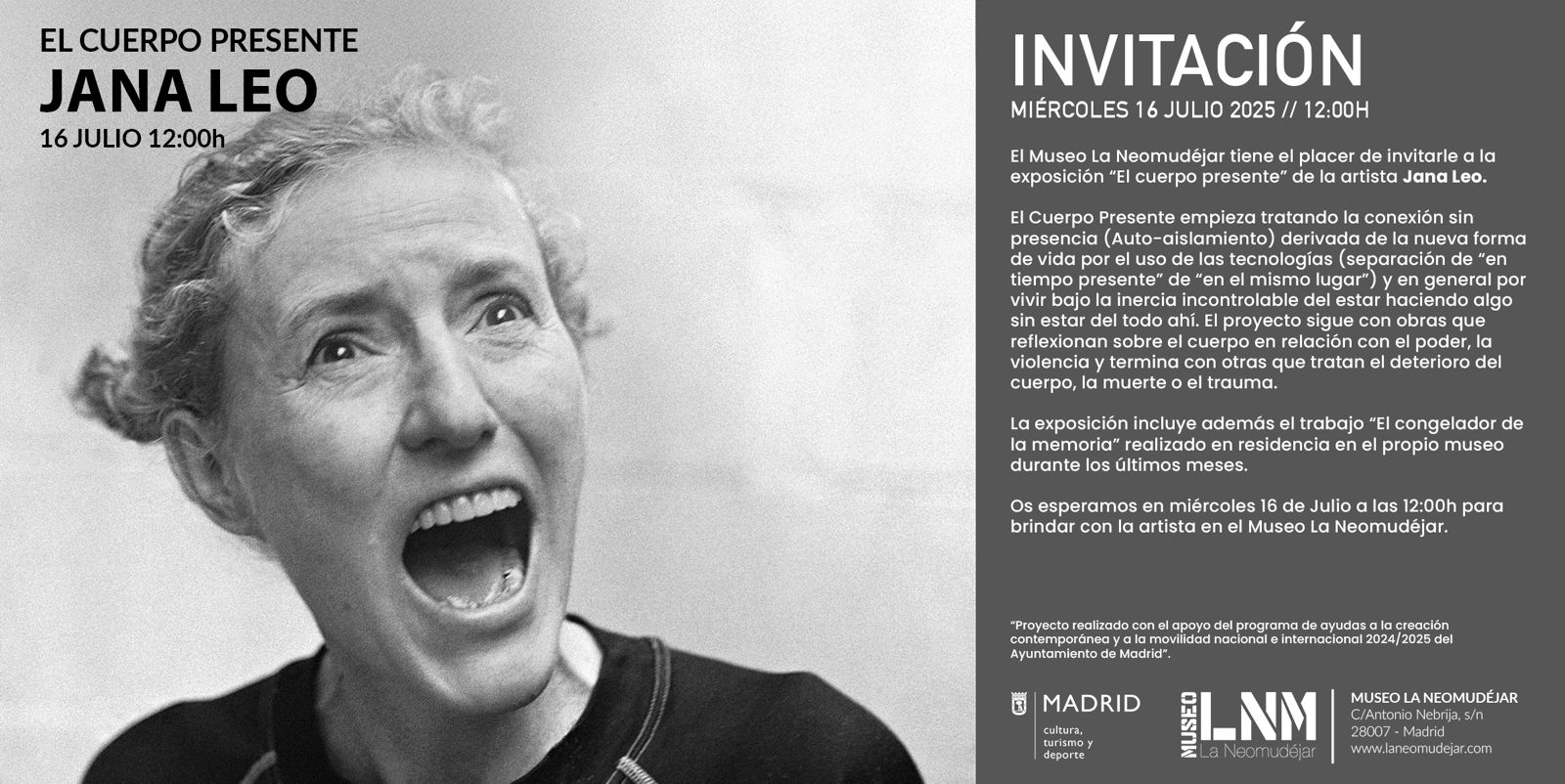
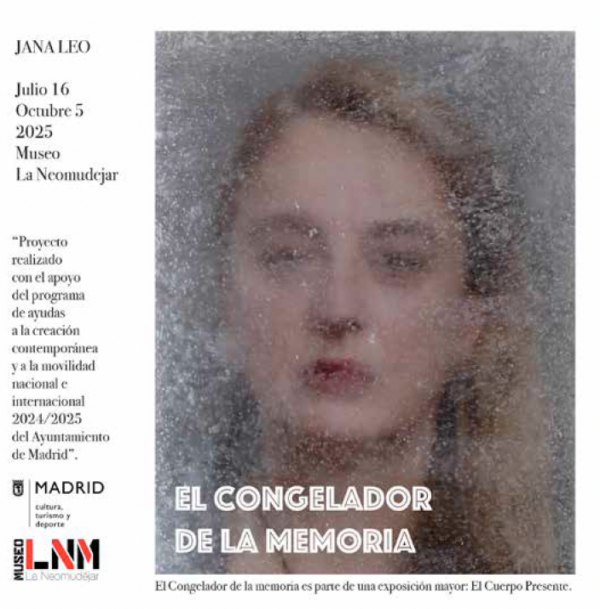
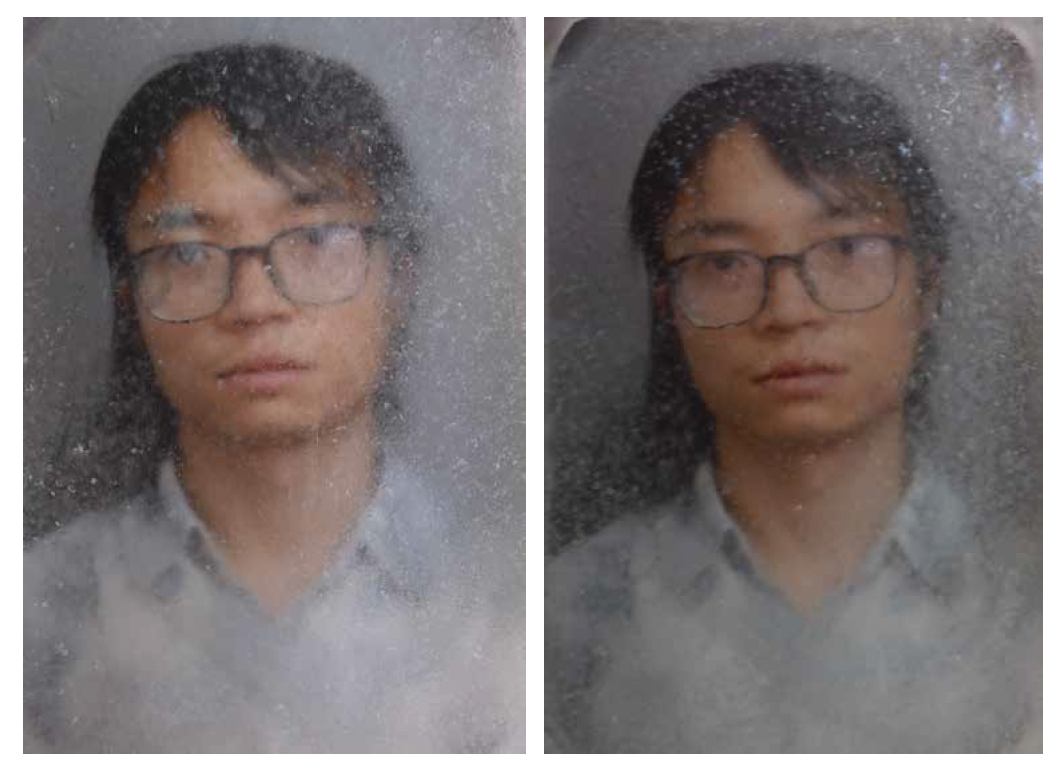
Participatory action carried out between June 11 and 25, 2025, in the very room where it is now on display at El Museo La Neomudéjar:
Artist Jana Leo returns to documenting emotions, exploring the effects that violence or life events produce on the psyche, and invites you to be a part of her installation:
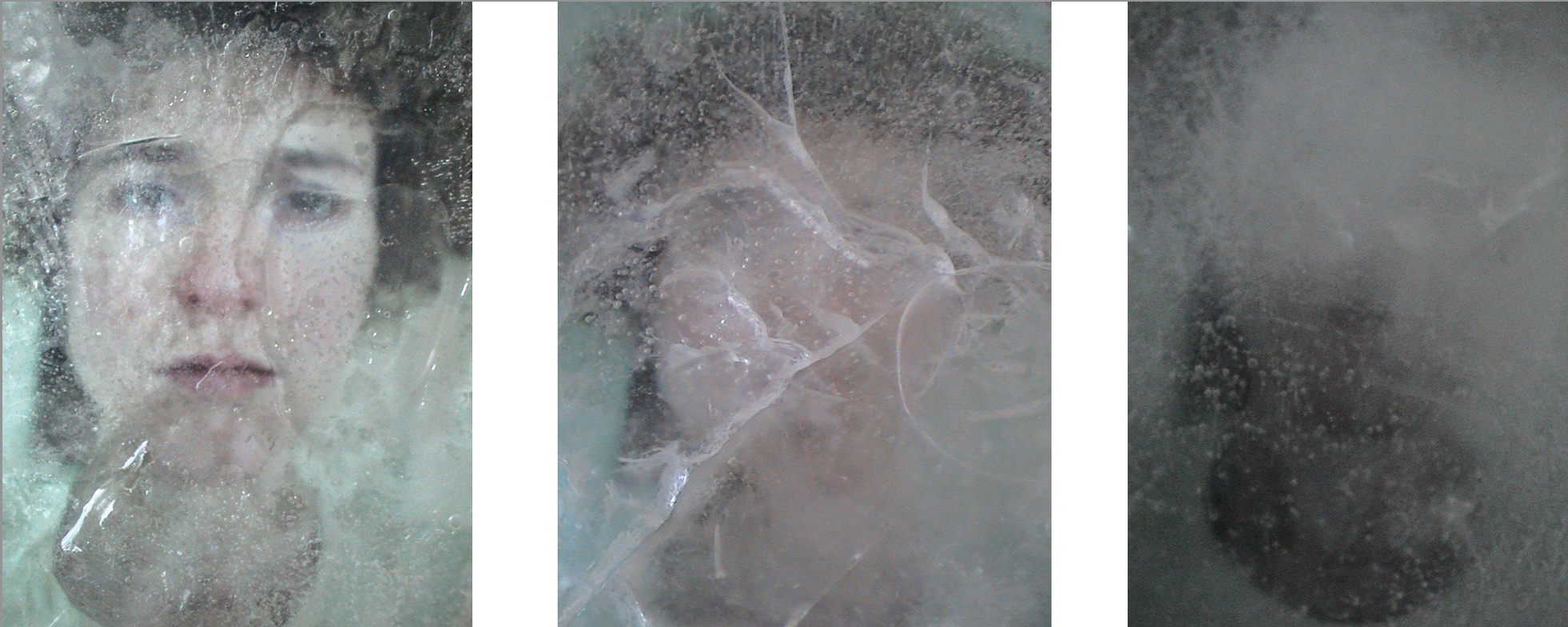
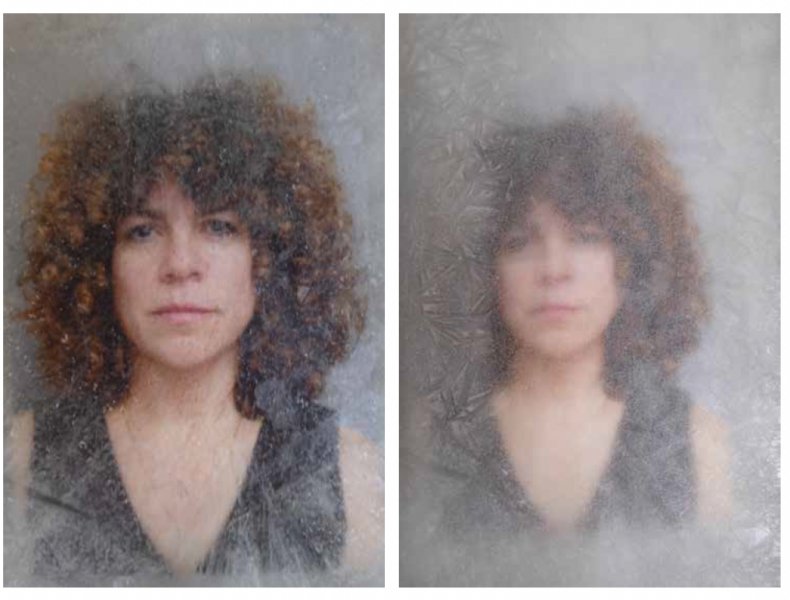
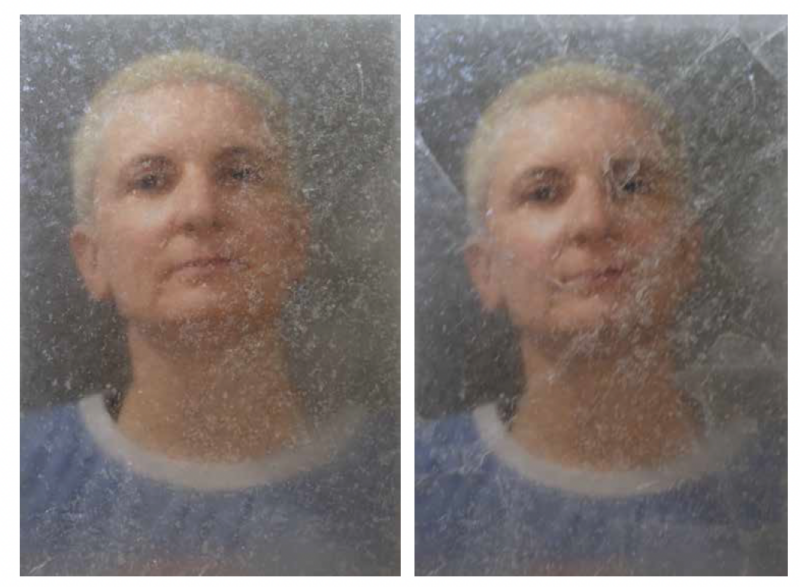
“Frozen Memory,” a unique artistic experience where your portrait becomes a manifestation of your state of mind regarding an experienced trauma. During your participation in a guided session to explore your emotional state, you will write a record of your trauma, and Jana Leo will take your portrait. Later, in the same room where you are photographed, she places it in an ice tray inside a freezer also set up in the room. Over the following days, she photographs the portrait, capturing the process of freezing and the subsequent disappearance of the image. The action opens to the public as an exhibition on July 16, 2025.
Participation ceases once the number reaches 20. The duration of each session is between 10 and 30 minutes. The space for registering a trauma is a form, featuring your name, the date, and the essence of what occurred, as well as the moment you realized the significance of the event. This creates a moment of introspection that is reflected in your state of mind and the image you project. Afterward, the participant sits in a chair perpendicular to a gray background and is invited to return to the moment they have just described, but this time from a position of control, as they are outside the setting where it took place. The intention is to let go of the moment of pain (which was so necessary for survival and for remembering that it happened, which is why one finds themselves as they are and possesses the character they have) and to encourage being able to abandon it rather than clinging to the pain. Then the artist takes your portrait. Later on, the portrait is frozen in a freezer located in the room, and the artist photographs it throughout its freezing process.
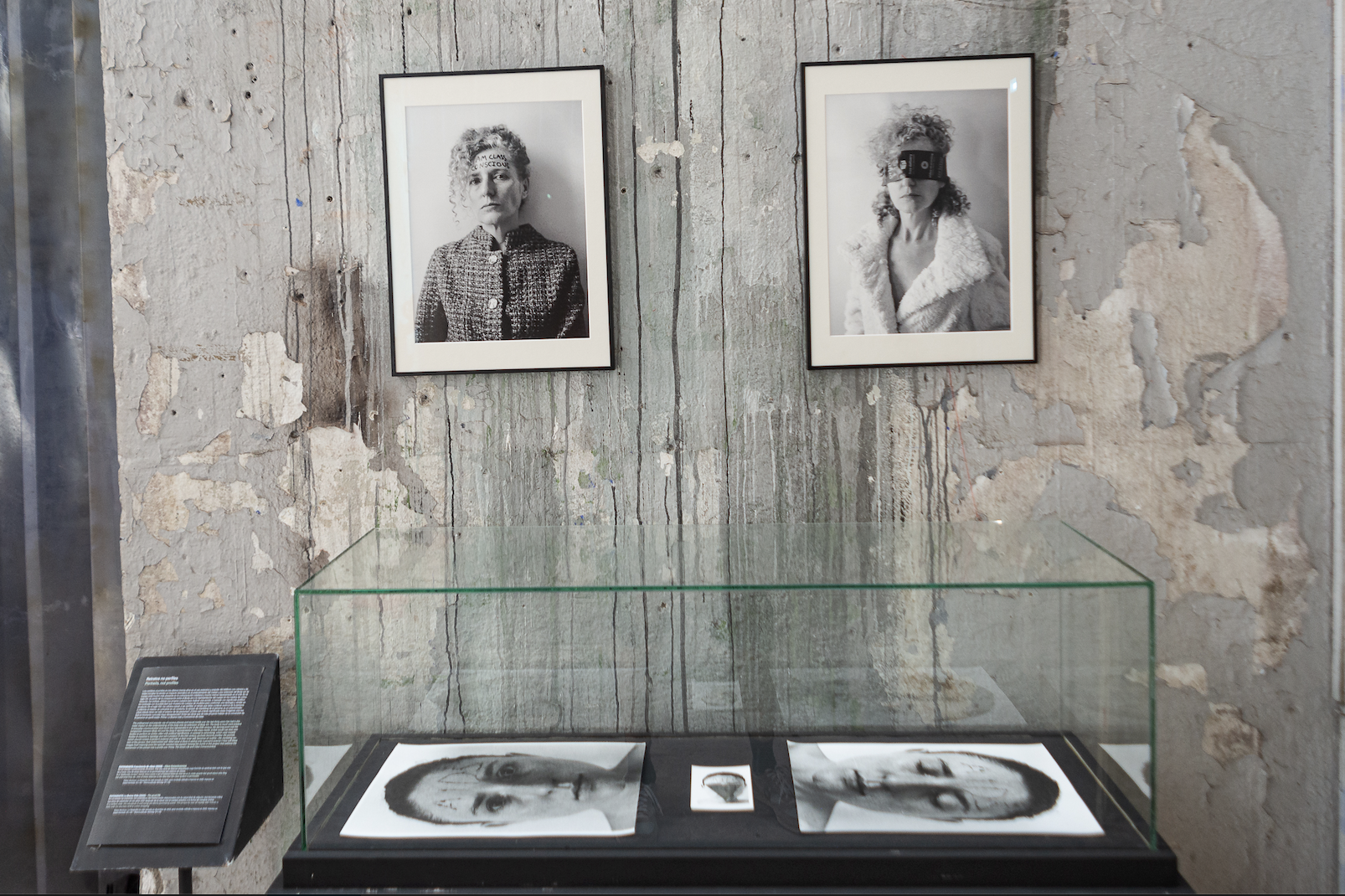
The presentation to the public contains four elements: the photograph taken in 10 x 15 format; the “trauma registration form” (which was filled out by hand on a white surface to leave an impression on the paper) placed facing backward, so that it cannot be read but the relief of the handwriting is visible; and two photos of the freezing process. The recorded accounts range from the story of an abusive father, the loss of a daughter shortly after birth, sexual abuse by a caregiver in early childhood, events of domestic violence by former partners, abandonment by a companion upon learning of a pregnancy, fear of heights, the sudden loss of a mother during childhood, discovering that your father has a different family from yours, an act of bullying, unfortunate encounters with the healthcare system, and the trauma itself of being alive, of being born. With this project, a space has been created—minuscule and insufficient, yet indispensable—to begin laying to rest the part of memory that causes harm and obstructs the present.
Jana Leo is not a therapist or a psychologist, but an artist and philosopher who, through her own experience with trauma, has delved into its functioning and ideology, which she continues to share and explore with this piece of art. The idea is to reevaluate what trauma means through this simple exercise that seeks to “freeze” it, transforming it from an intimate experience into something that can be observed with a certain distance, as an external object, in a photograph—something that takes on a life of its own. The intention is not to forget, but to turn the wound into something independent. The action holds no curative intent, but rather a reflective one regarding its effects on life in the present time. On a political level, this action also seeks to share the trauma, as part of it involves the repression of silence imposed upon the damaged person. Finally, it is about identifying traumatizing patterns that may indicate this is not a private matter but the result of a culture and a way of life, which logically must then be considered a collective experience. More on this topic can be read in the book: “Arte, memoria y trauma” by Marián López Fernández Cao, Madrid 2020, Editorial Fundamentos.
From the perspective of photographic language, this participatory action seeks to reclaim the portrait as a repository, a document of emotions, and not a mere recognition file (as it is used in photography for identity purposes), nor an act of affirmation (as seen in family album or social media photographs). Certain insights relevant to this piece can be found in Jana Leo’s treatise on photography published by CENDEAC in 2004 and reissued in 2014, El Viaje Sin Distancia.