Rape Nueva York

Description

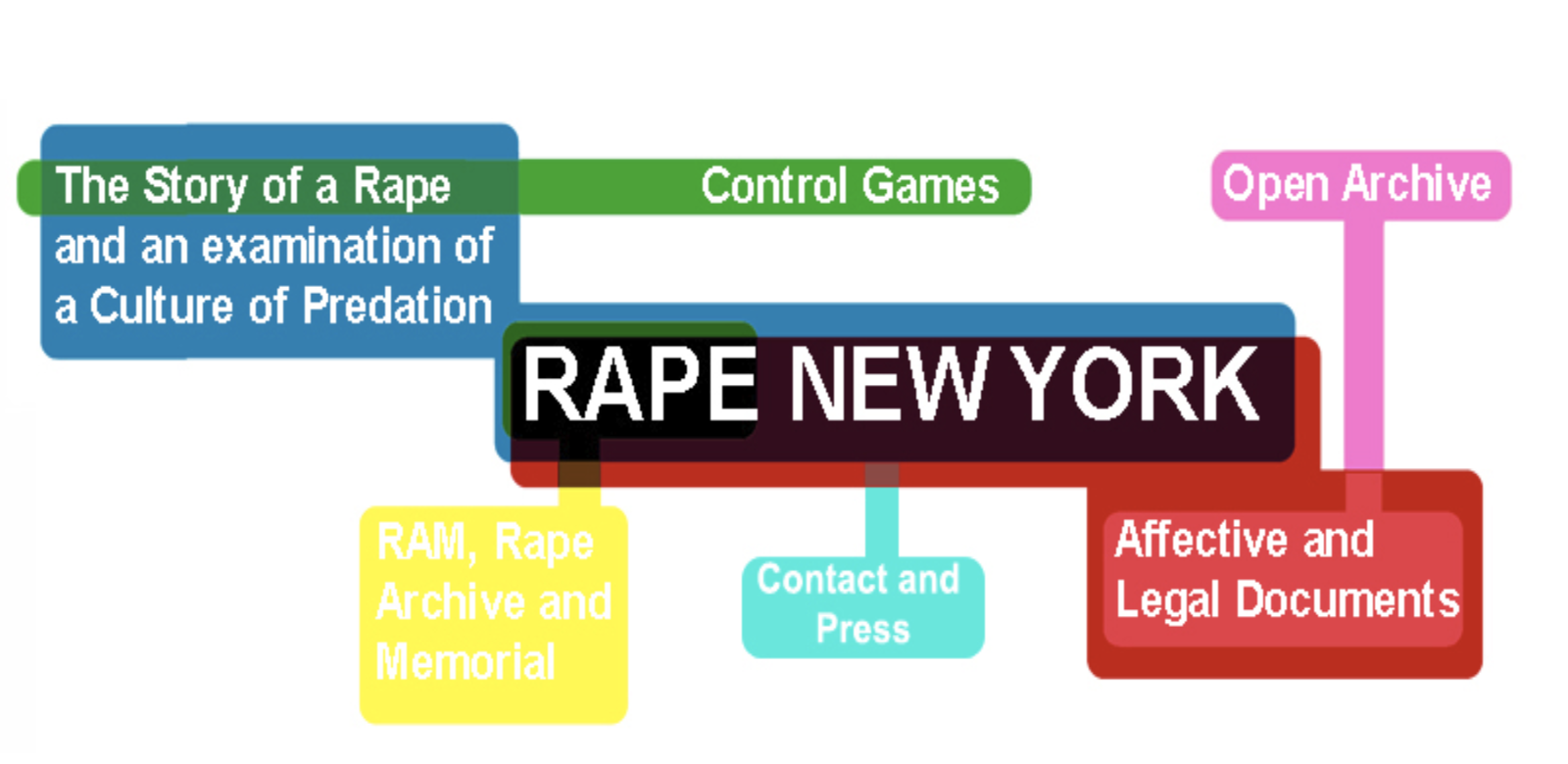
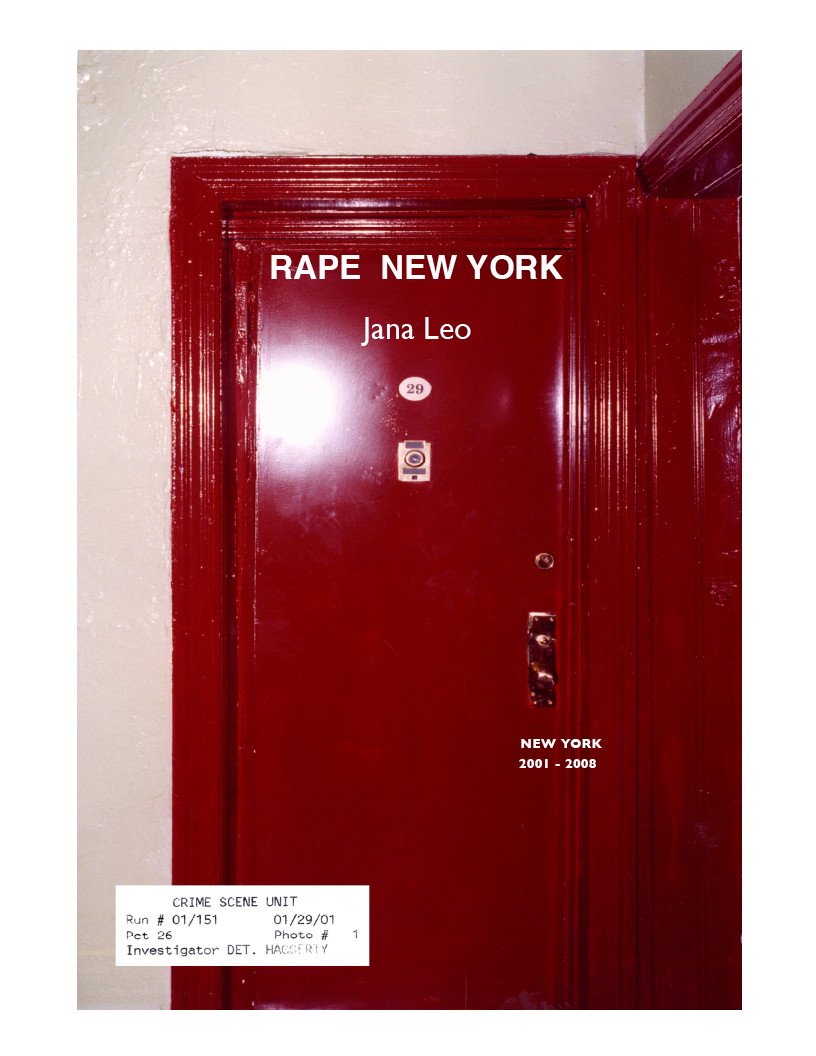
BOOK: “Rape—New York” The story of a rape and an examination of a culture of predation
First edition. Rape New York. Book Works. London 2008
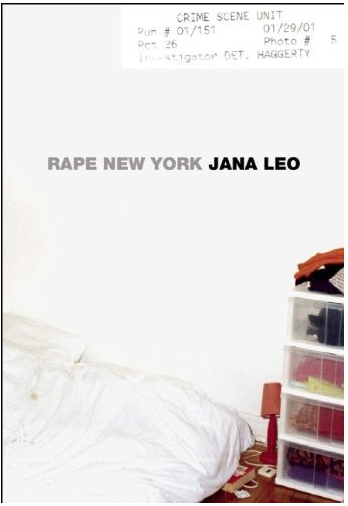
Second edition. Rape New York. Feminist Press. New York 2011.
Third edition. Lince, ahora Malpaso, Barcelona 2007
Prensa de los libros
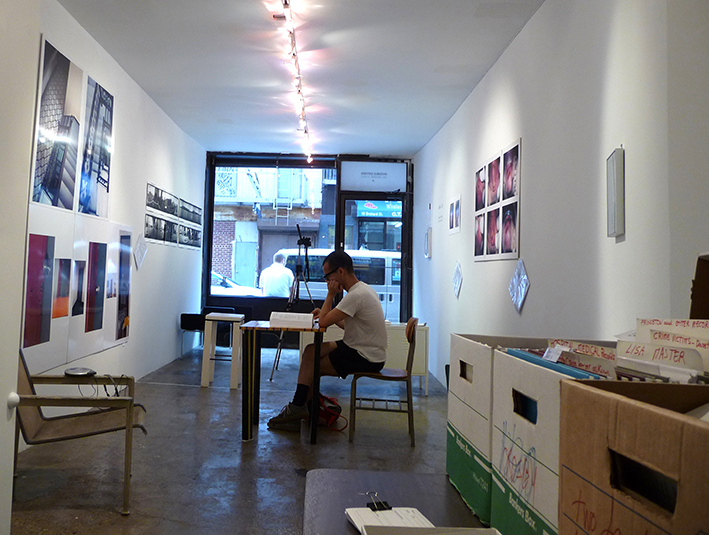
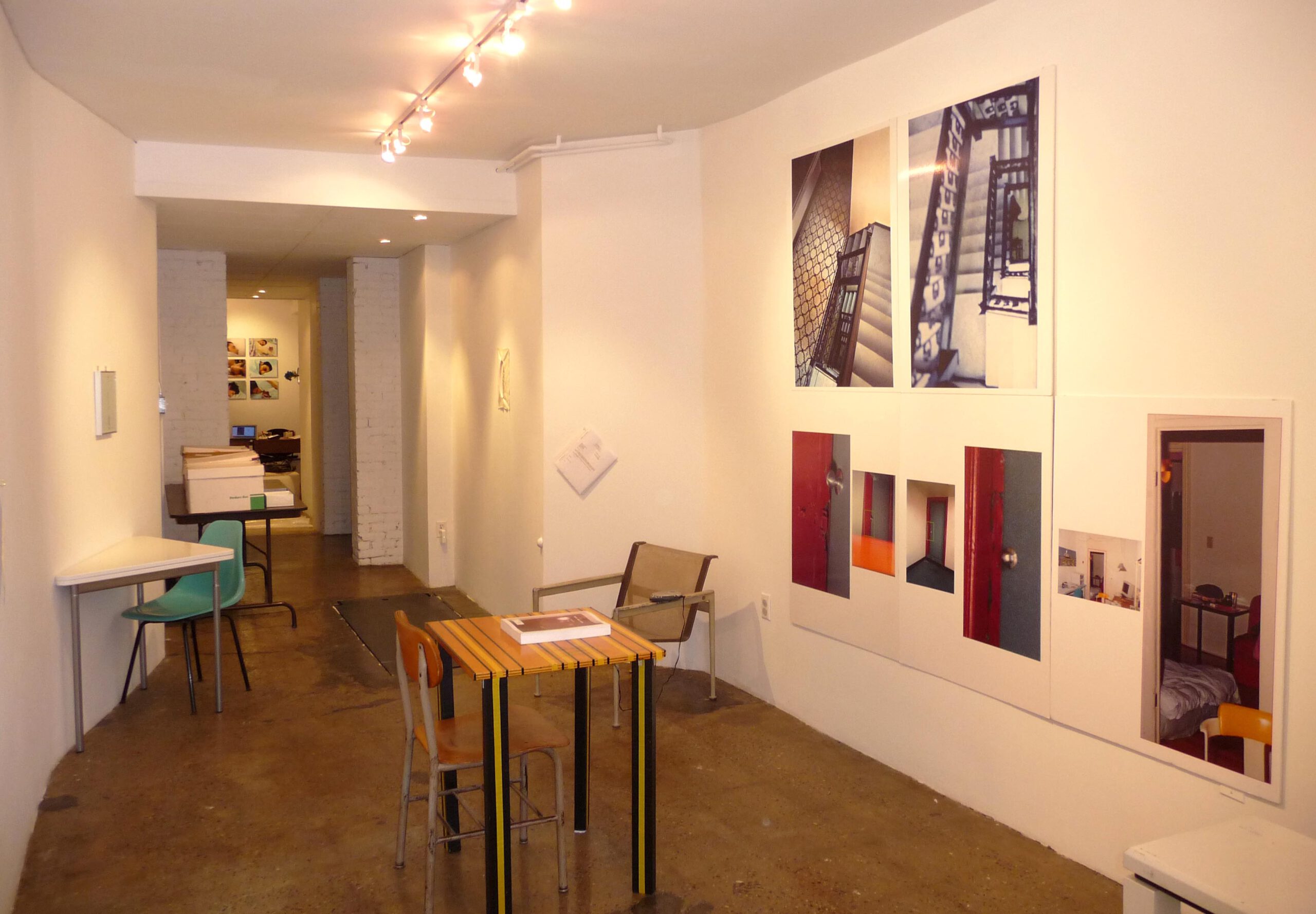
EXPOSICIóN: Violación Nueva York, archivo abierto
Descripción
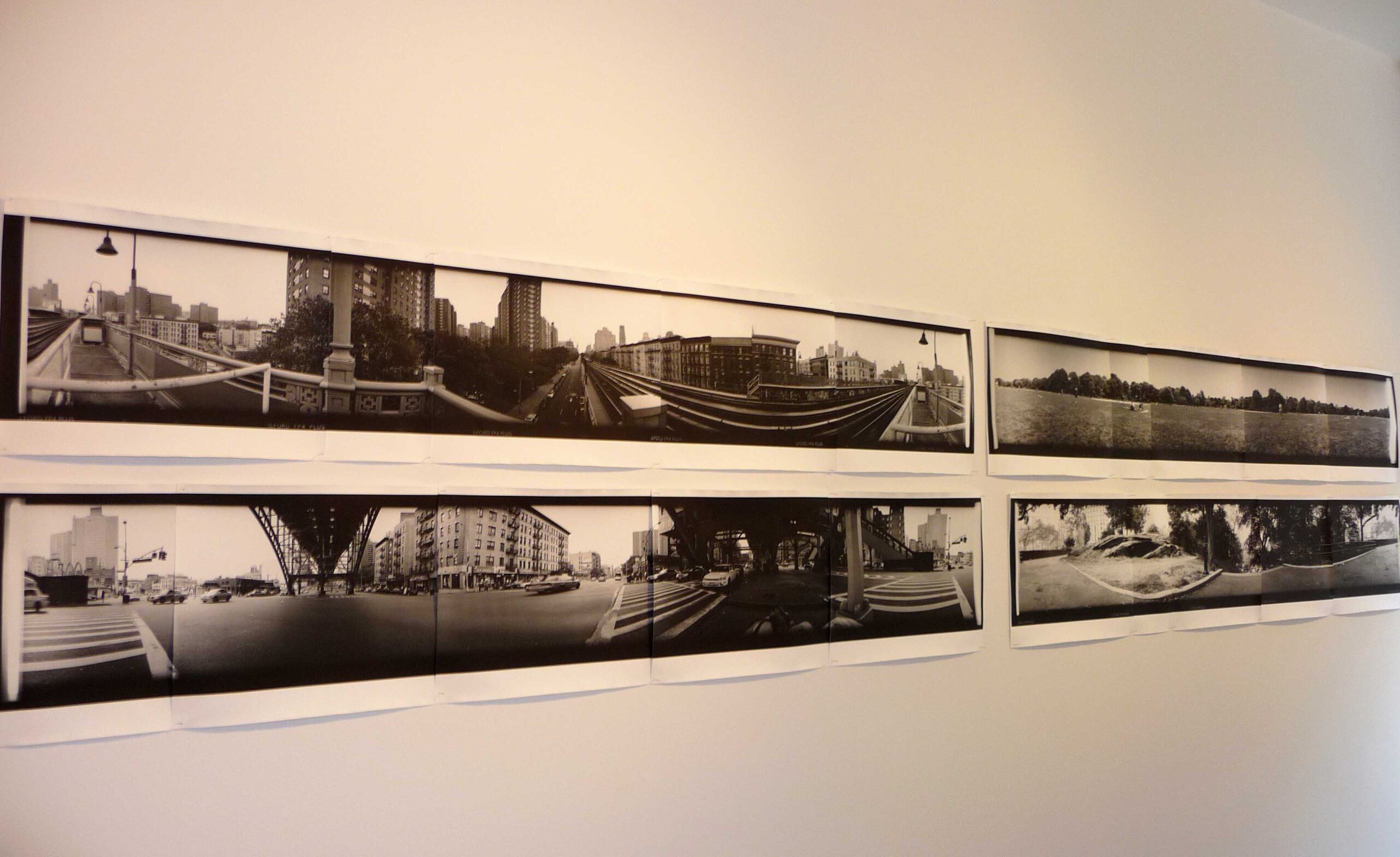
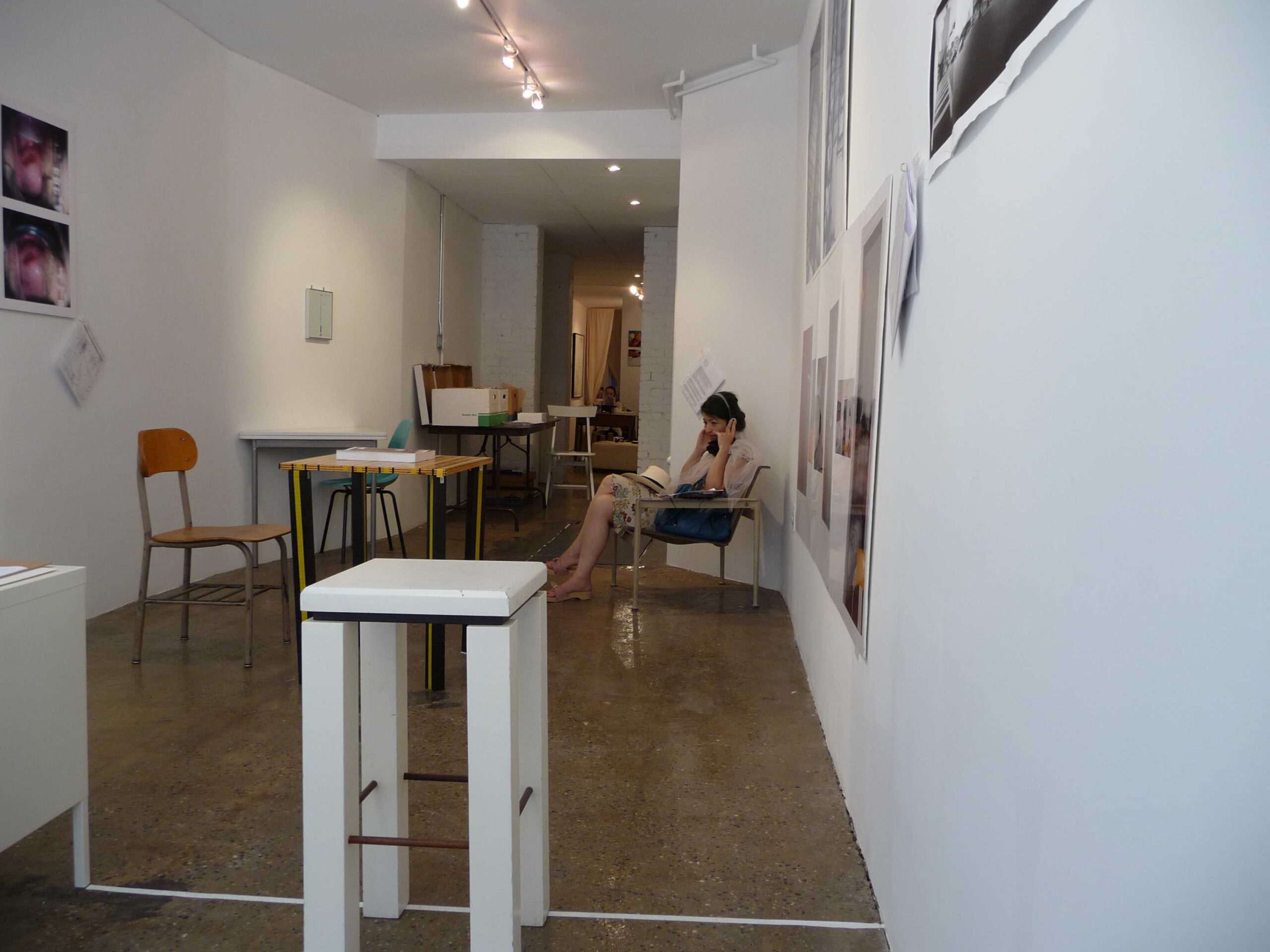
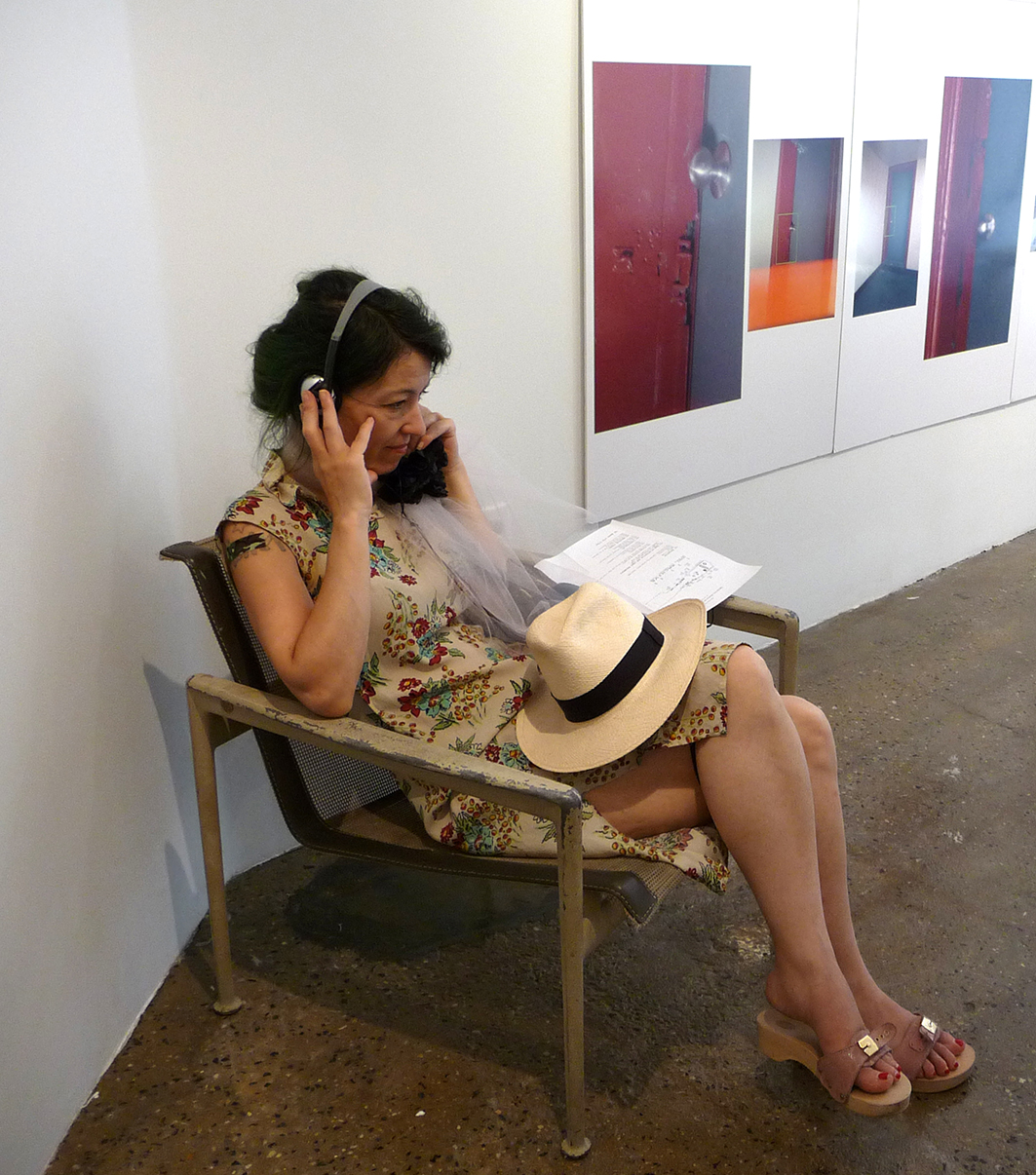
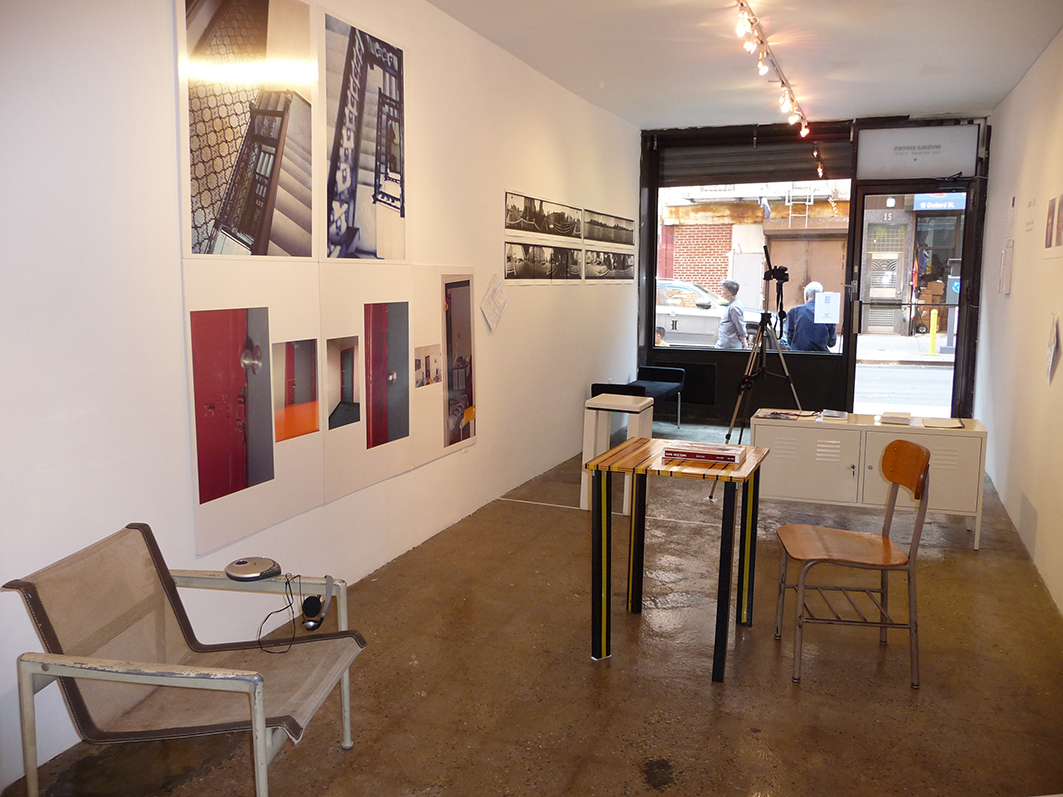
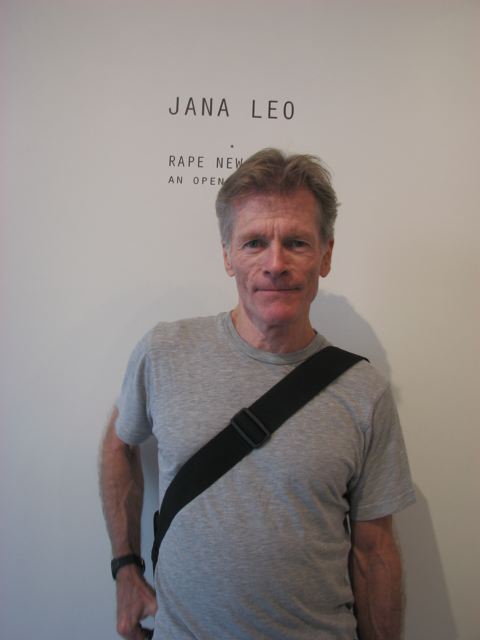
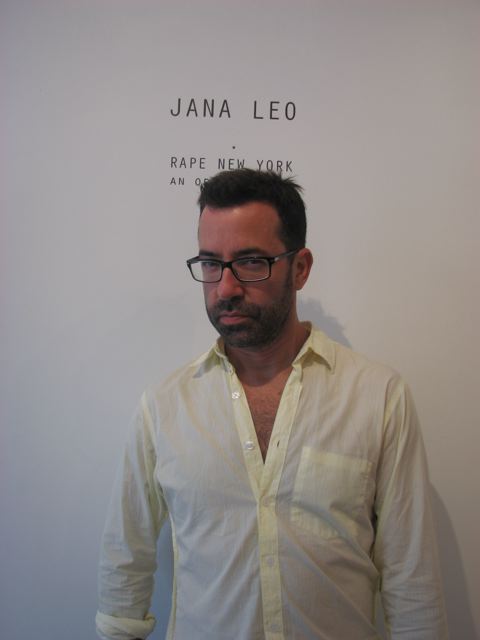
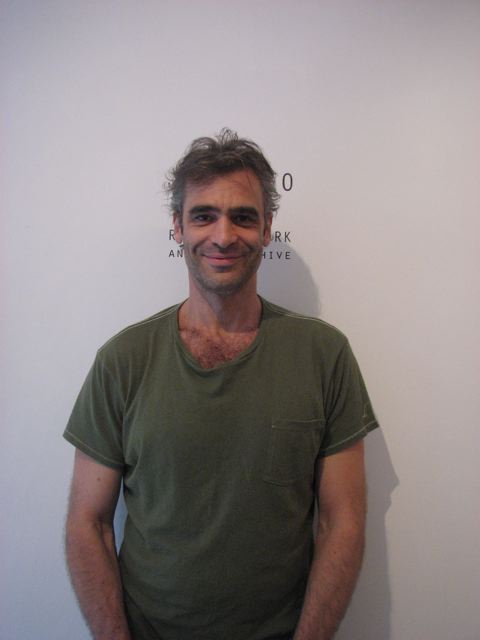
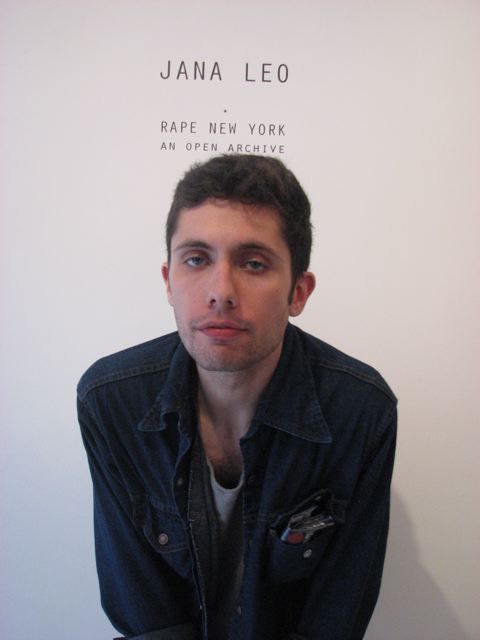
Fotografías de la exposición
Prensa
To show or to Adquire the Archive
Testimonial
I went to the Rape New York, Open Archive
Rape New York- Affective and Legal Documents
Description
RAM, The Museumof Rape
Descripción
CONTROL GAMES, performance
Descripción

Rape Nueva York

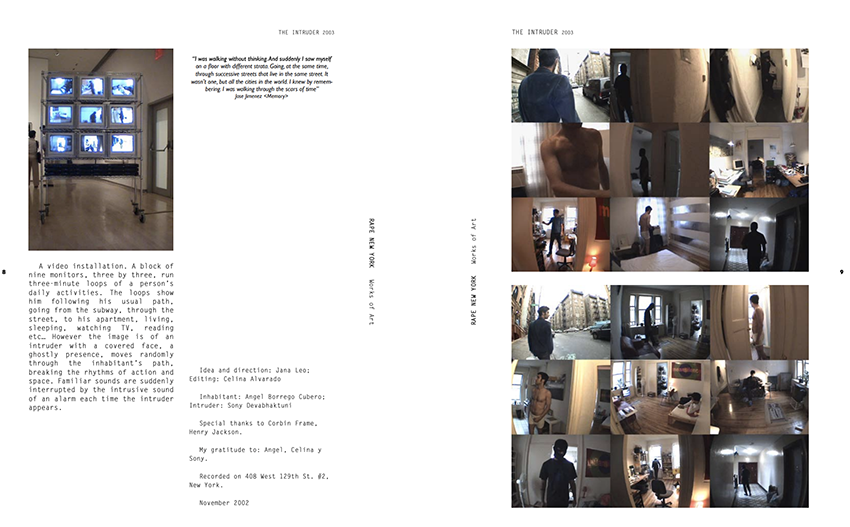
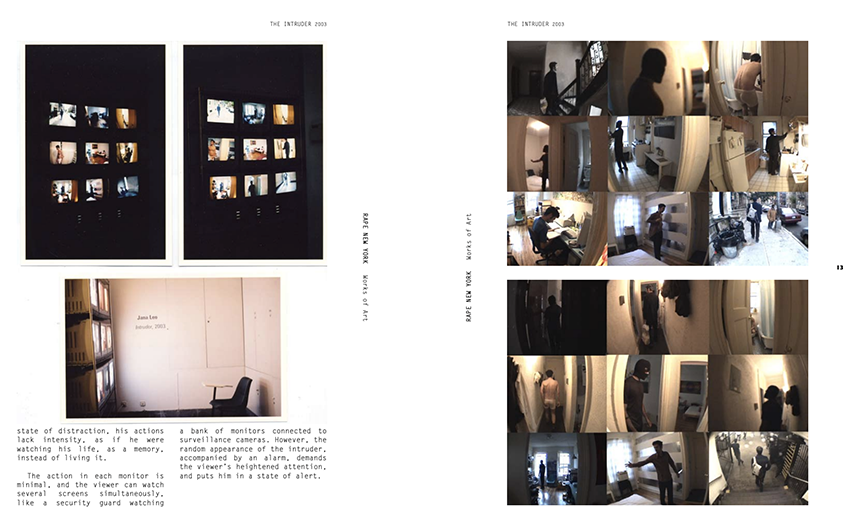
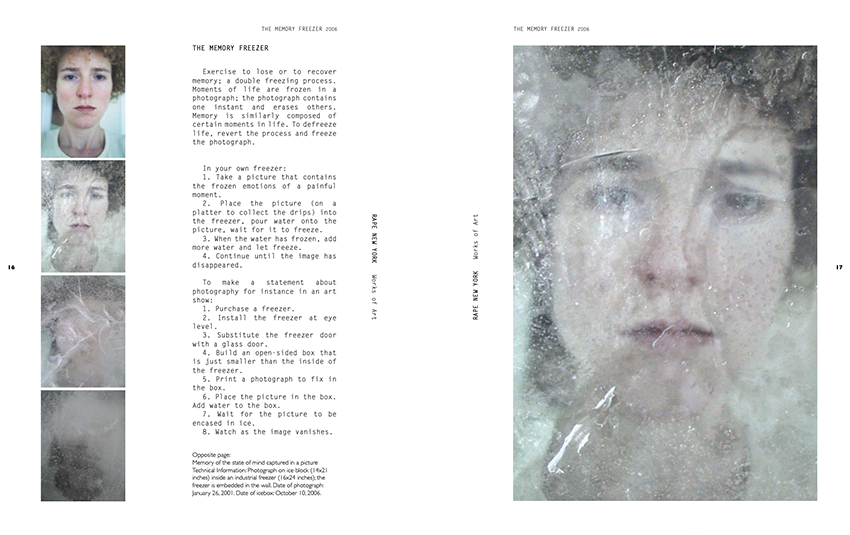
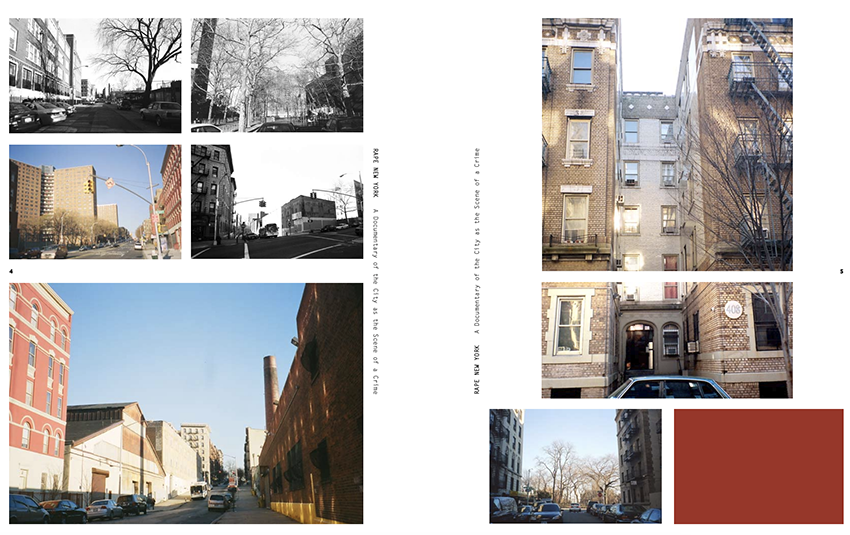
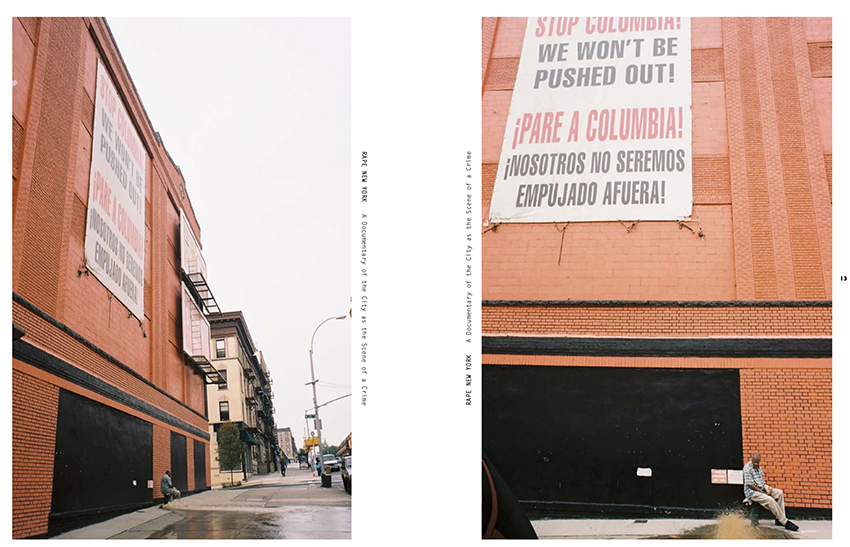
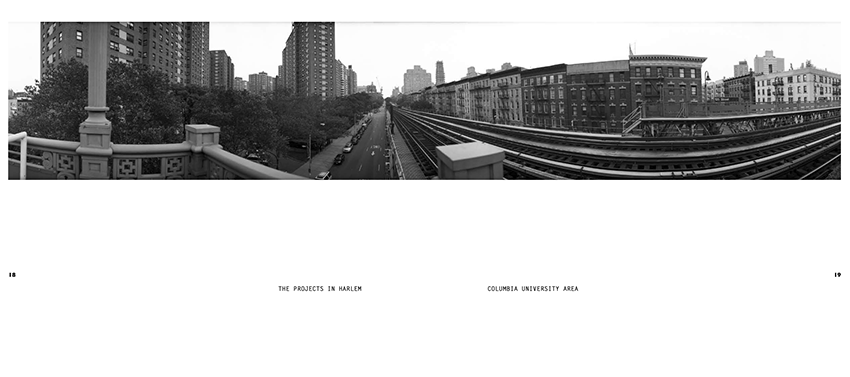
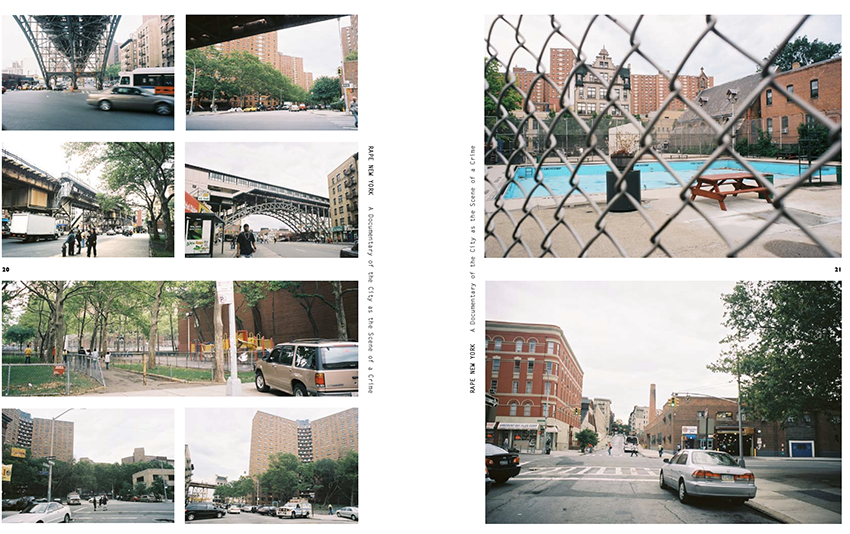
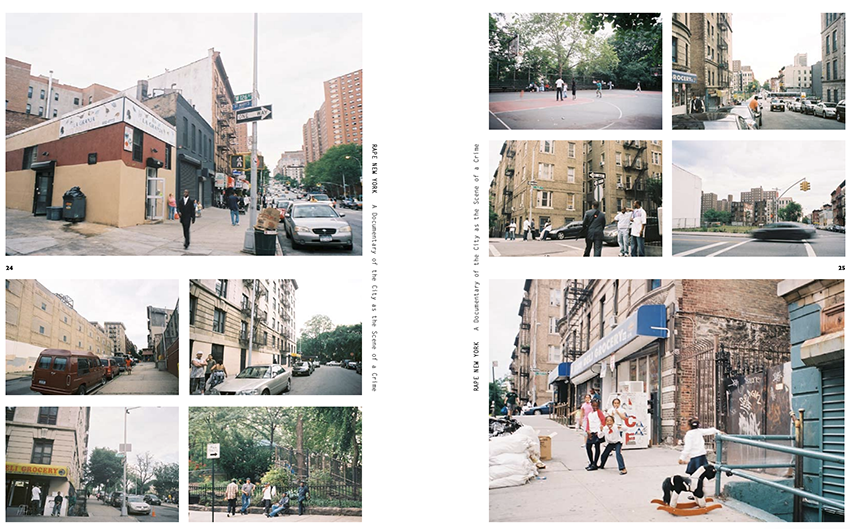
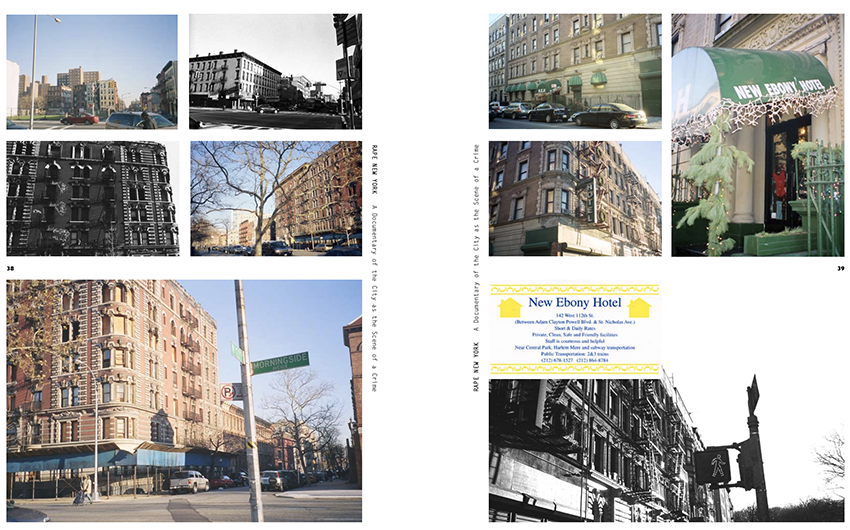
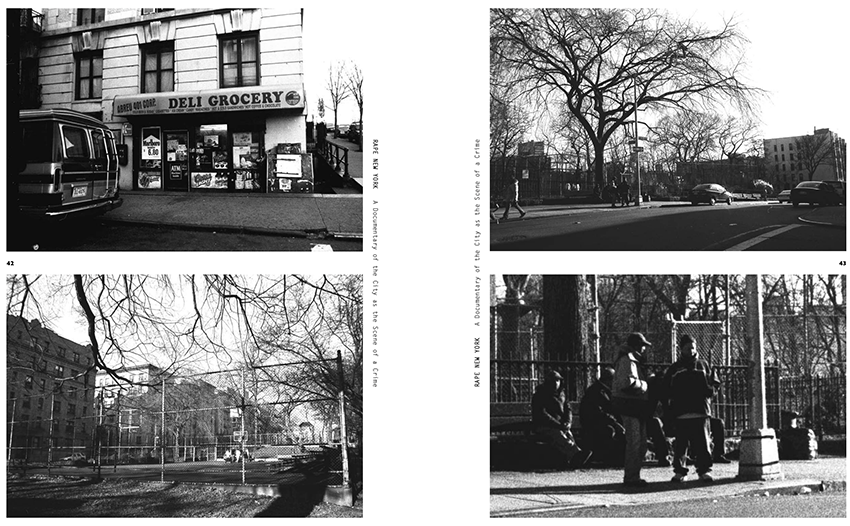
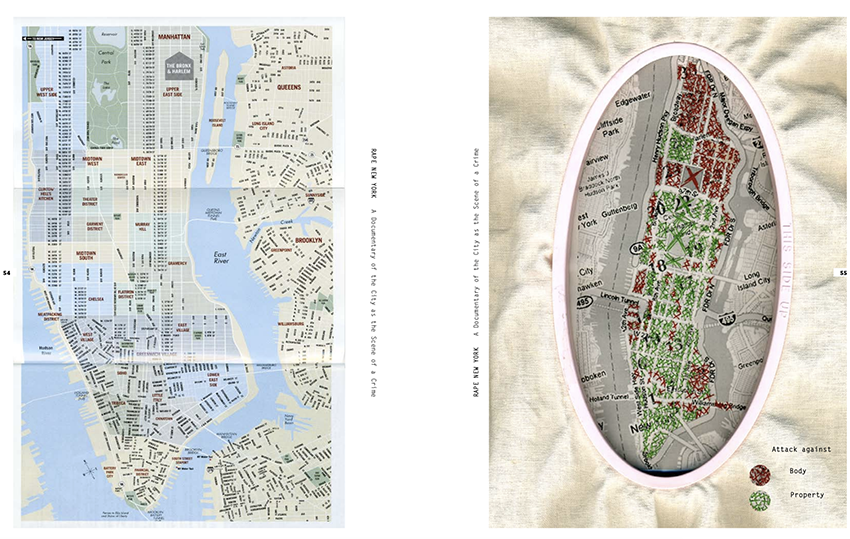
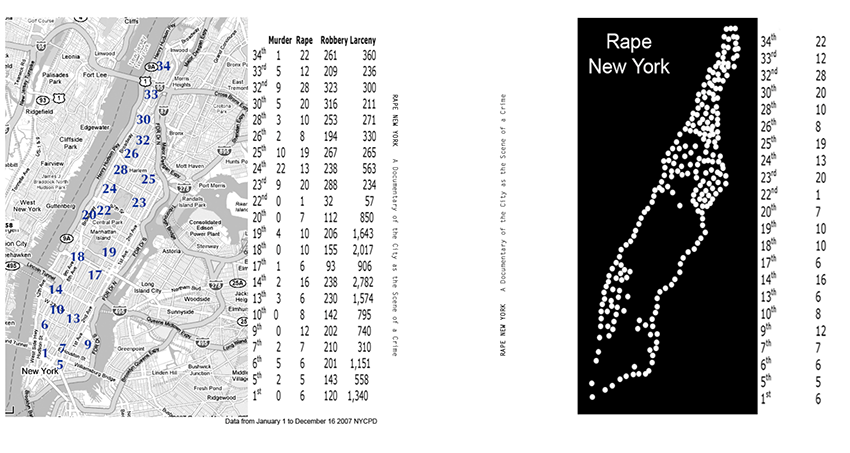
This project is a rape diary that does a transversal analysis of rape touching on race and class. The work link rape, usually understand as something private with gentrificación and real state development in city areas, in this case, Harlem; it also exposes the pattern used at the time by agents and landlord on rent stabilized buildings,  to push tenants out to benefit for a 20% rent increase, by welcoming crimes (including rape) into their properties; this policy is not longer in effect in New York. From the point of view of the psychology of rape, it examine the myths that help rape to works and the strategies that the rapist built to pass rape as an act of consensual sex. This project  is a clear example of the multilayer methodology used by Jana Leo, that produces extraordinary pieces on its language and format, introducing art together with the traditional technics of investigation creating the following objects and link activities:
-BOOK: “Rape—New York” The story of a rape and an examination of a culture of predation
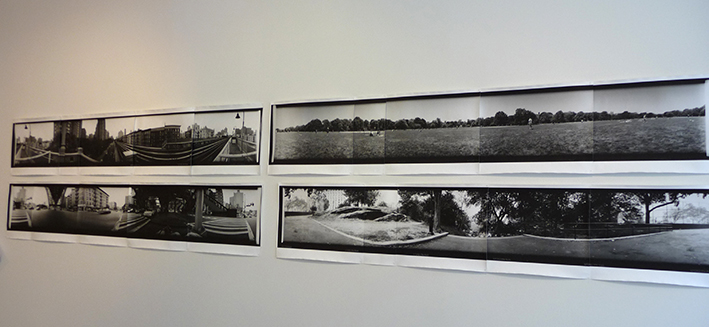
-EXHIBITION: Open Archive
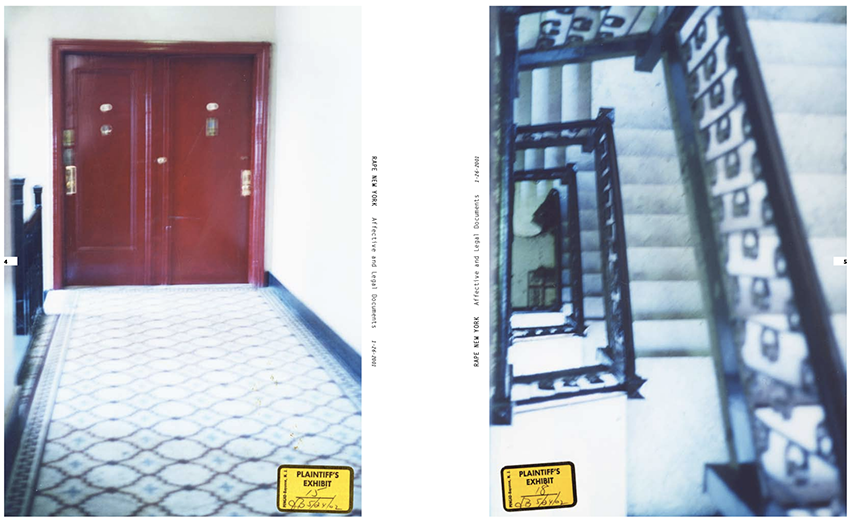
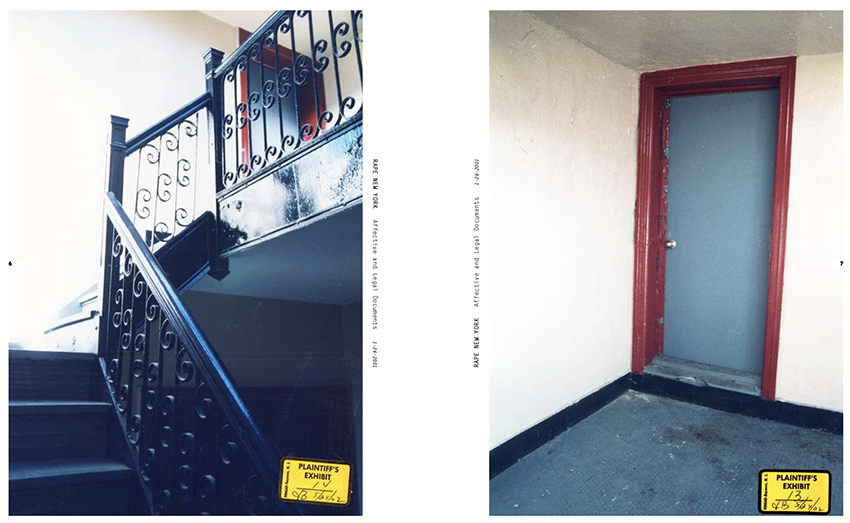
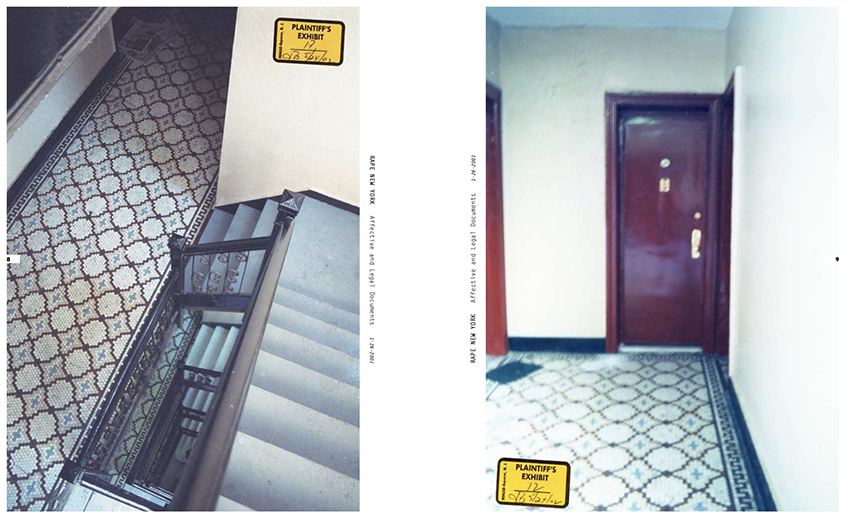
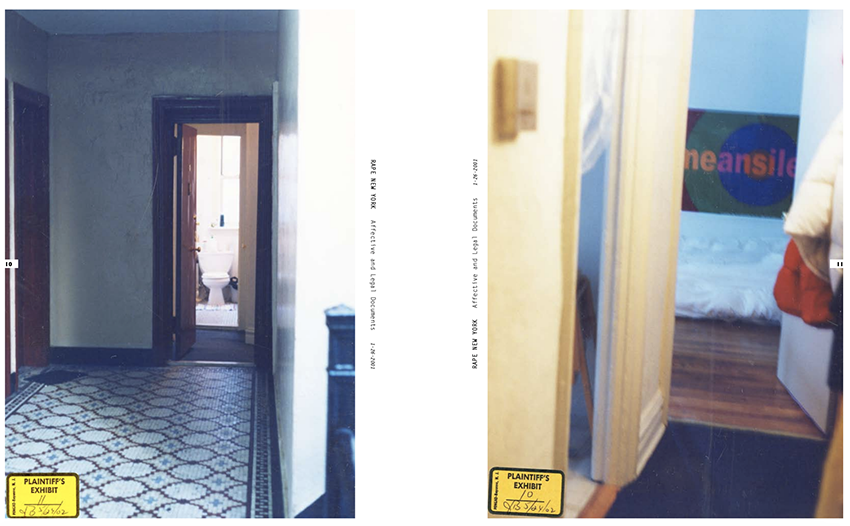
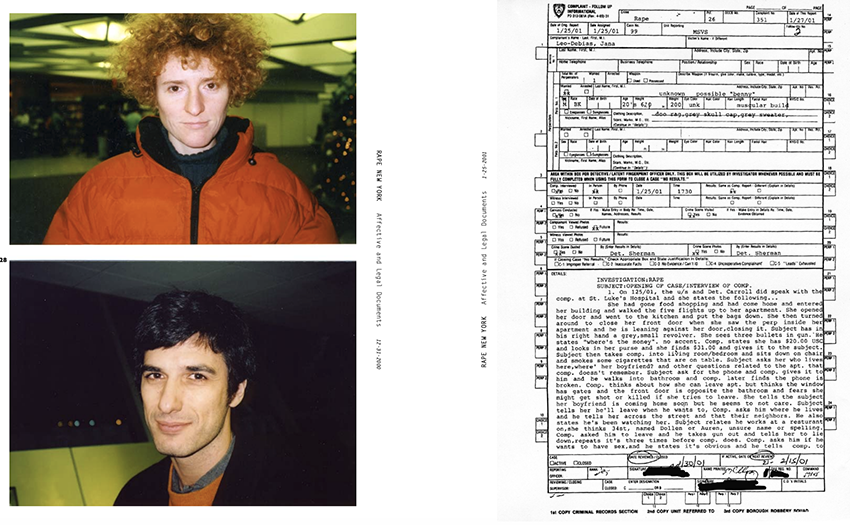
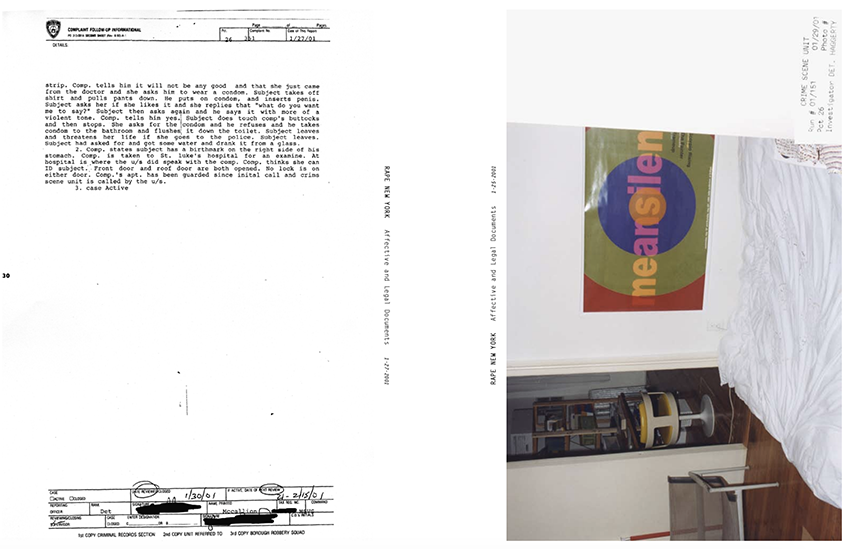
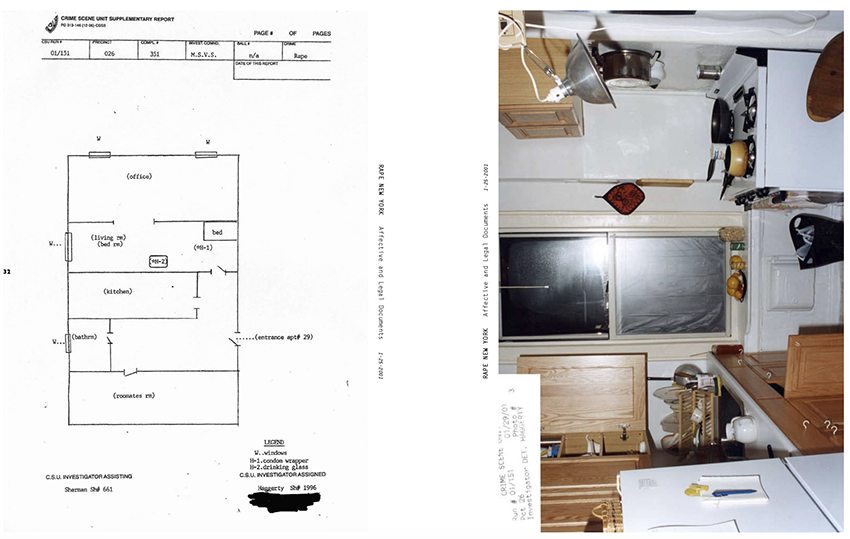
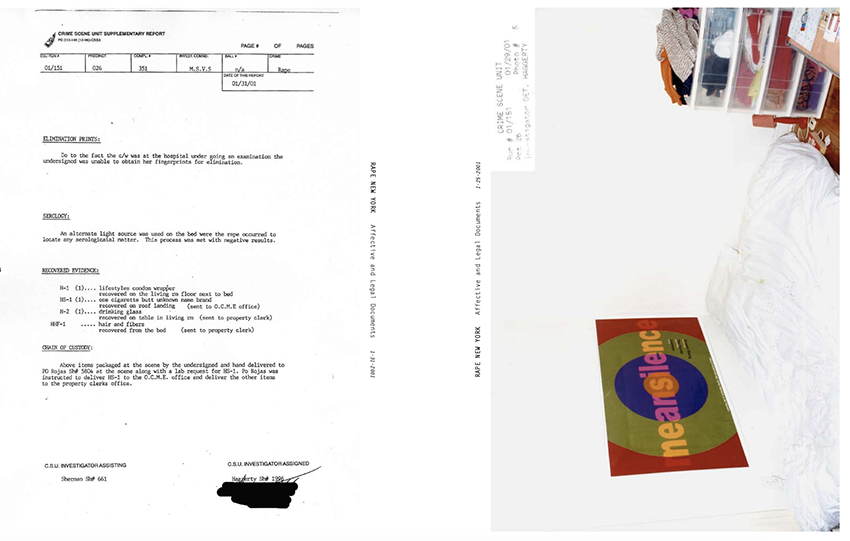
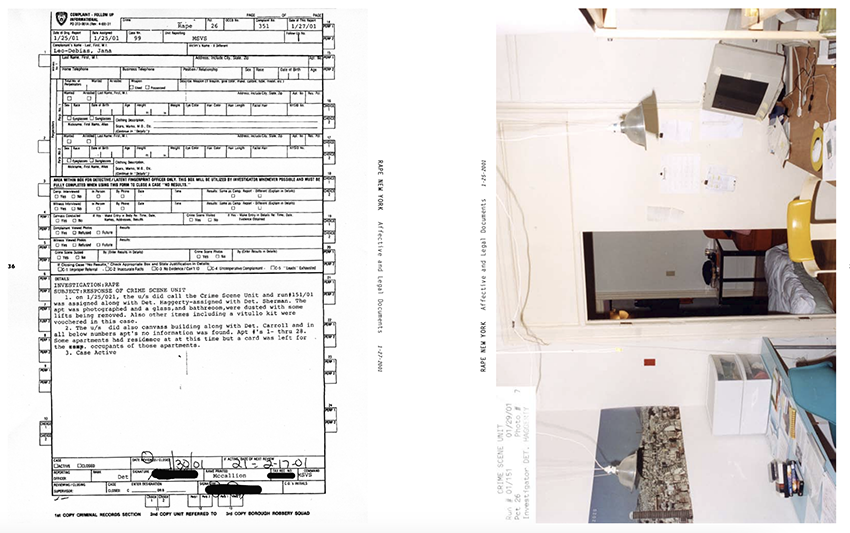
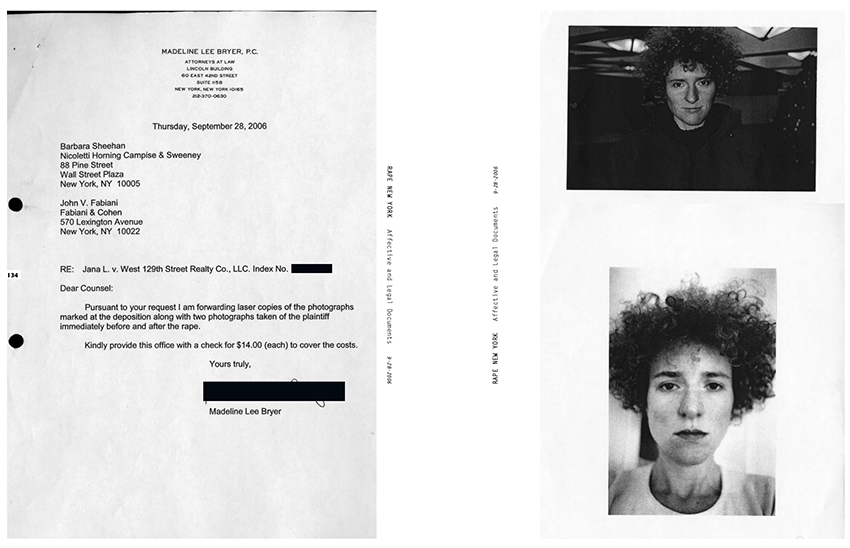
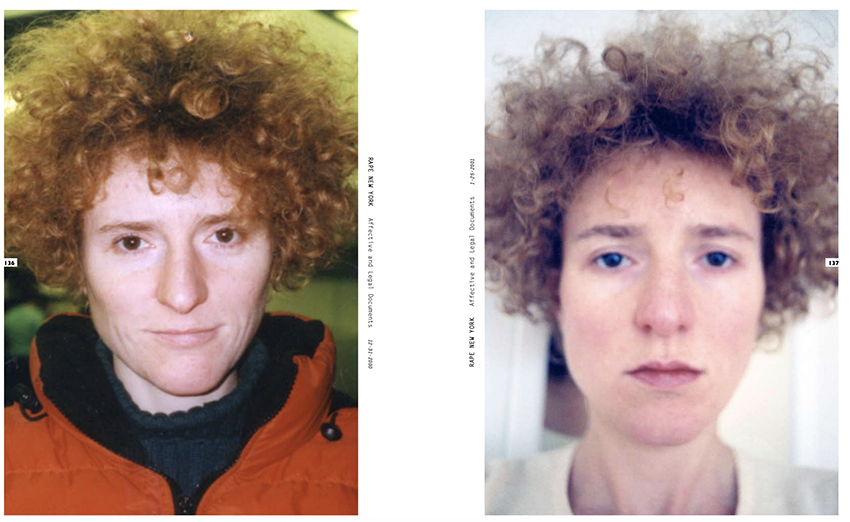
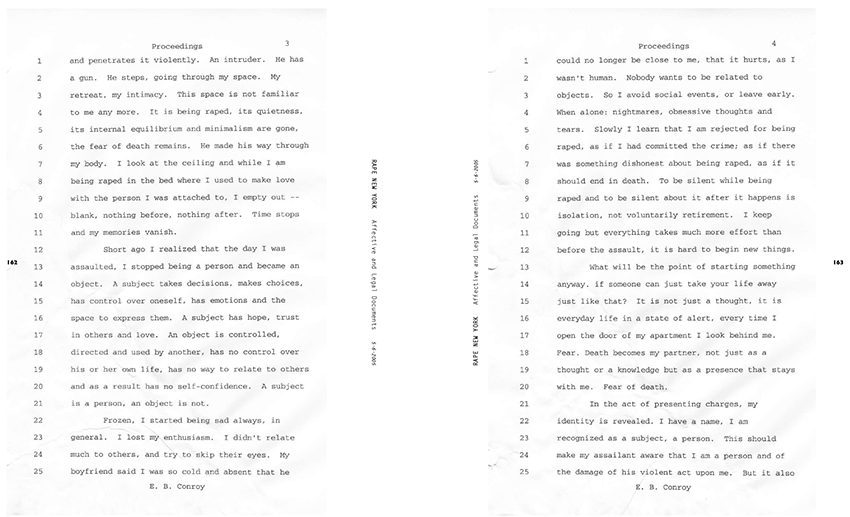
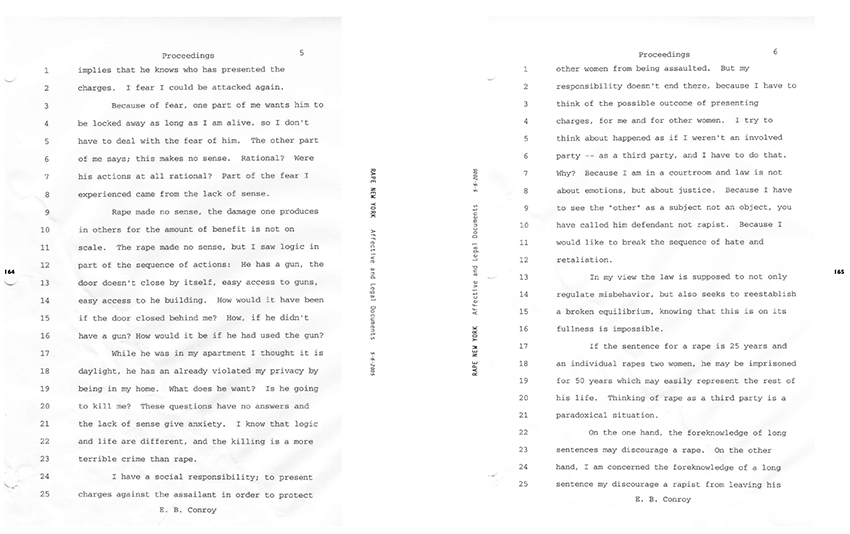
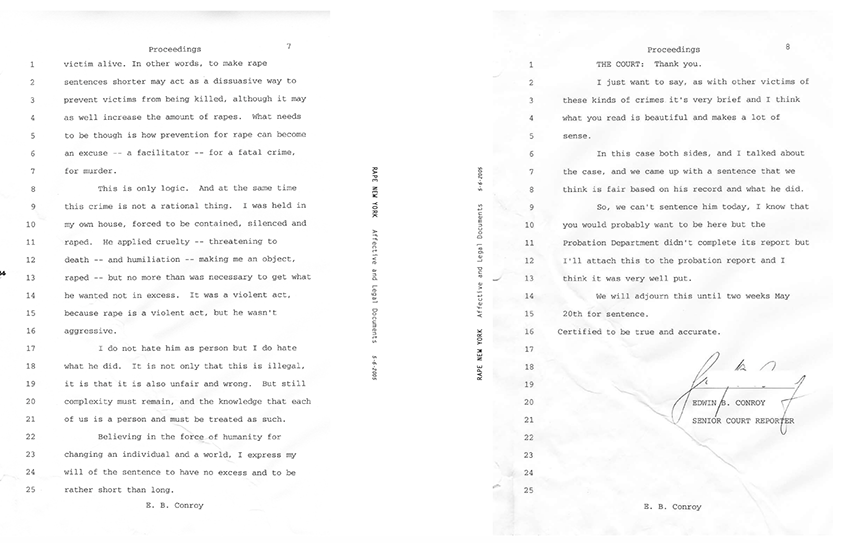
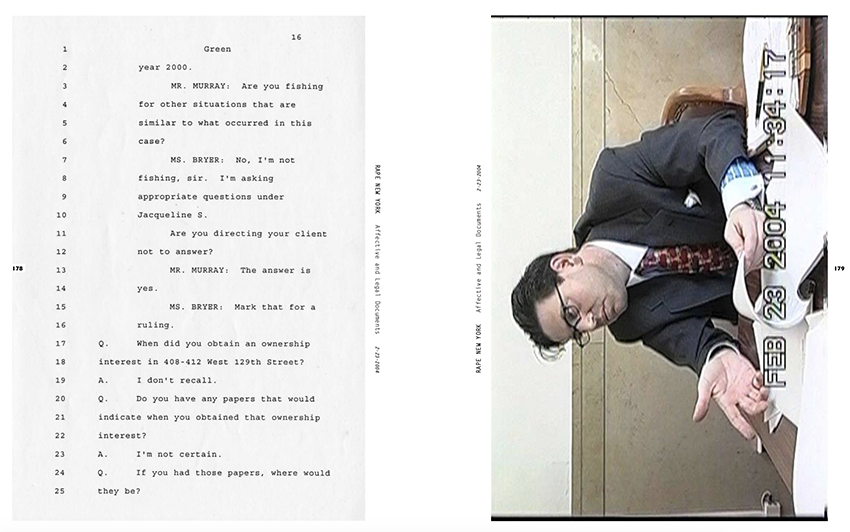
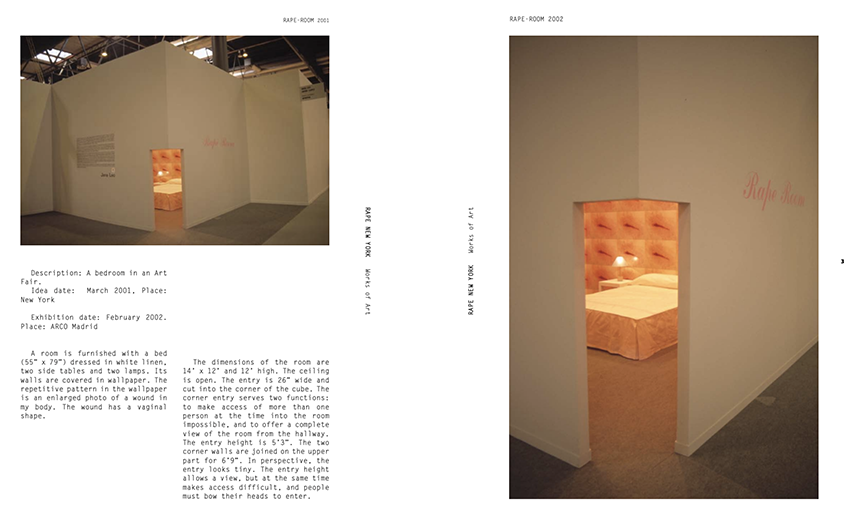
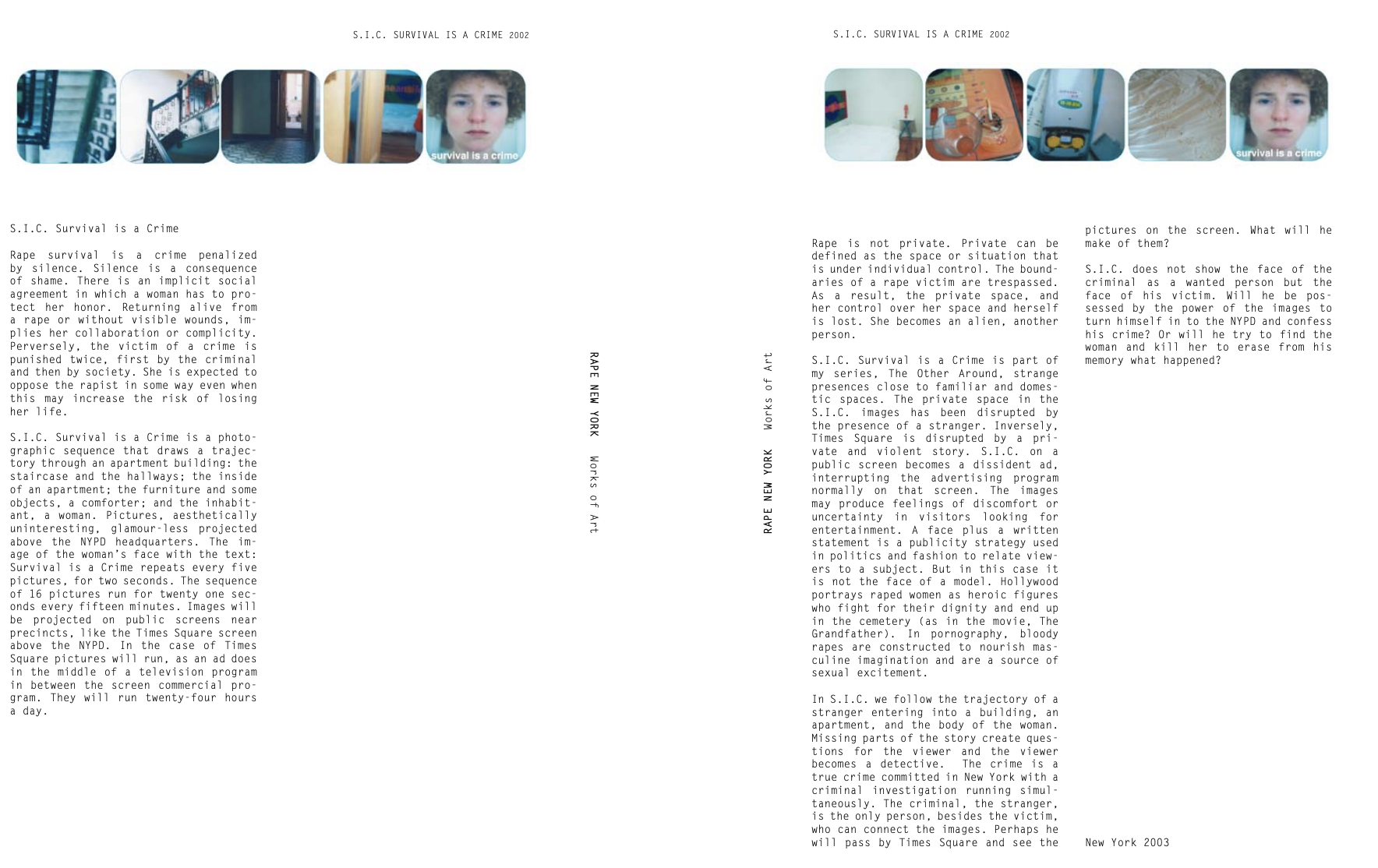
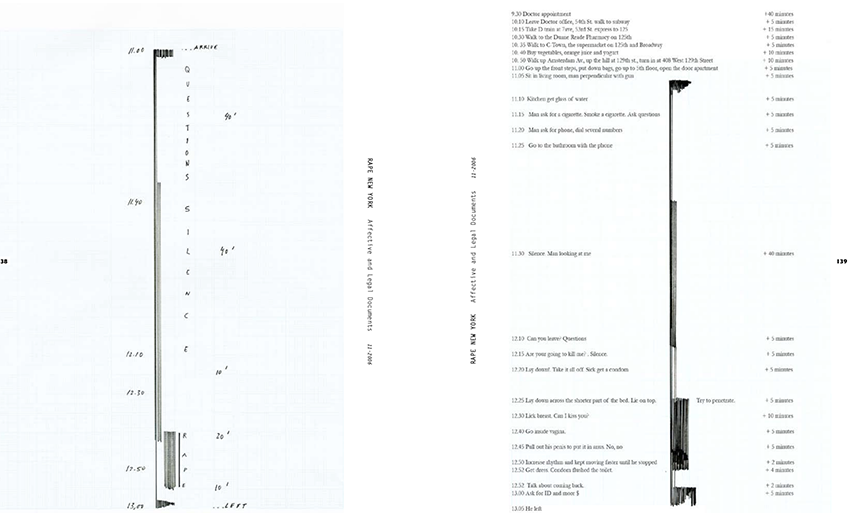
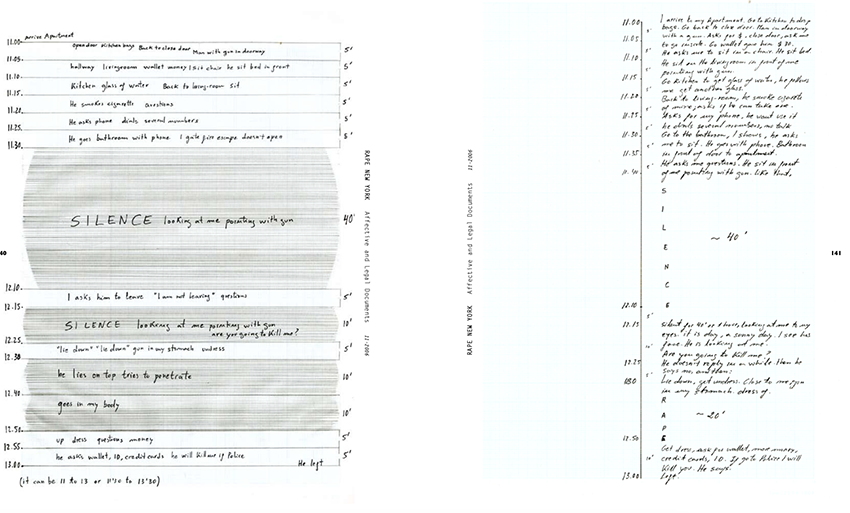
-ILLUSTRATED BOOK: Rape New York, an archive of emotional and legal documents
-PROPOSAL: THE MUSEUM OF RAPE.

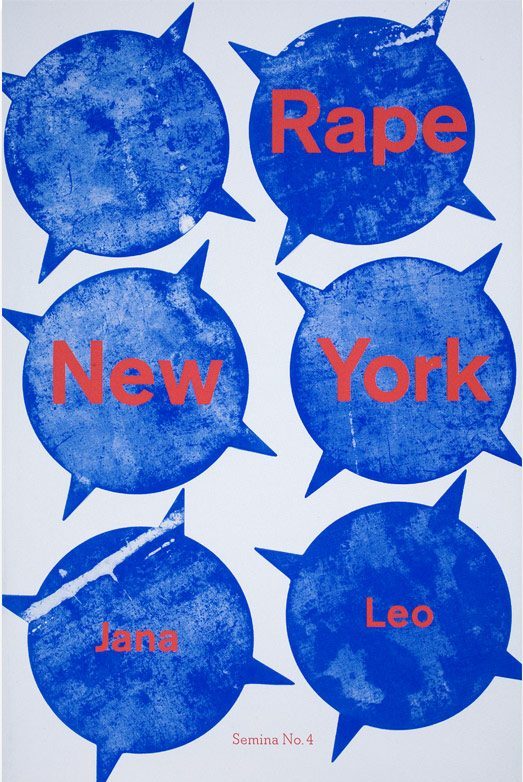
Book Works (Londres) en 2009

Starting with a rape in the author’s own apartment, this experimental autobiographic novel defies traditional rape narratives by exploring the complex relationship between domestic violence, urban planning and a corrupt property market. Moving from police disinterest and landlord culpability, via way of a Robocop narrative, prison statistics and a B-movie hit-and-run ending, Jana Leo maps the fault lines of capitalist property speculation and the intersection of sexual crime, class vulnerability and the US justice system.

Rape New York is published as part of Book Works’ Semina series (No.4). Edited by Stewart Home.

ISBN 978 1906012 14 4—Price £8.00

Rape NewYork Feminist Press

https://www.feministpress.org/books-n-z/rape-new-york

In the gripping first pages of this true story, Jana Leo relives the moment-by-moment experience of a home invasion and rape in her own apartment in Harlem. After she reports the crime, she waits. Between police disinterest and squabbles from the health insurance company over who’s going to pay for the rape kit, she realizes that the violence of such an experience does not stop with the crime. Increasingly concerned that the rapist will return, she seeks help from her landlord, who refuses to address security issues on the property. She comes to understand that it is precisely these conditions of newly gentrified lower-income areas which lead to vulnerable living spaces, high turnover rates, and ultimately higher profits for slumlords. In this most singular memoir, Leo weaves a psychological journey into an analysis that becomes equally personal: the fault lines of property mismanagement, class vulnerabilities, and a deeply flawed criminal justice system. In a stunning conclusion, Leo has her day in court.


Reviews

Praise for Rape New York

“At times recalling Joan Didion’s Sentimental Journeys, Leo’s book is an intensely vulnerable and honest attempt to correct many of the false perceptions associated with rape. ” —Publishers Weekly

“With writing that is both contained and effusive, Leo seamlessly transitions between a visceral, experiential understanding of rape to the probing intellectual analysis of an academic. . . . It is the juxtaposition of the personal and the political—and the notion that they are really one and the same—that gives Leo’s story incredible impact. . . . Ultimately, she forces readers to confront uncomfortable truths, and recognize their own complicity. Though traumatic, we still can’t look away.” —Bookslut

“Jana Leo’s Rape New York refractures and reconstructs the story of her rape and its aftermath; in re-presenting the constellation of events that lead to and from that attack, Leo represents life in all its random brutality and orchestrated dignity – in other words, the best that can be said about this book is that it is true, which is the only real measure of real art, and honest existence.” —Vanessa Place, author of The Guilt Project

“Your front door lock is broken and your landlord doesn’t give a damn. Jana Leo’s exploration of the public and private spaces in Rape New York effectively merges the vulnerability of the city with that of the body itself. A powerful and engrossing work.” —Arthur Nersesian, author of The Fuck-Up

“In this harrowing and exhilarating narrative, Jana Leo blasts open all the comforting fictions that we take for truths. Raped in Harlem, she turns the tables on New York and instructs her own case, drawing in landlords, police, lawyers, therapists—the entire environment which conspires to normalize complex and singular experiences. A real eye-opener.” —Sylvère Lotringer, publisher of Semiotext(e)

“Absorbing, tender, insightful, terrifying, this book will change the way you think. In an extraordinary eloquent refusal of the line between the personal and the public, it takes us from the slow-motion details of a traumatic violation to a multidimensional reflection on the institutions and spaces of contemporary life. Memoir becomes urban manifesto.” —Beatriz Colomina, Professor of Architecture and Founding Director of the Program in Media and Modernity at Princeton University

“So much more than an extraordinary memoir, Rape New York is crucial analysis, screed, and feminist theory. Jana Leo’s story will impact every cell in your body.” —Jennifer Baumgardner, author of Manifesta

“At times recalling Joan Didion’s Sentimental Journeys, Leo’s book is an intensely vulnerable and honest attempt to correct many of the false perceptions associated with rape. ” —Publishers Weekly

“With writing that is both contained and effusive, Leo seamlessly transitions between a visceral, experiential understanding of rape to the probing intellectual analysis of an academic. . . . It is the juxtaposition of the personal and the political—and the notion that they are really one and the same—that gives Leo’s story incredible impact. . . . Ultimately, she forces readers to confront uncomfortable truths, and recognize their own complicity. Though traumatic, we still can’t look away.” —Bookslut

“Jana Leo’s Rape New York refractures and reconstructs the story of her rape and its aftermath; in re-presenting the constellation of events that lead to and from that attack, Leo represents life in all its random brutality and orchestrated dignity – in other words, the best that can be said about this book is that it is true, which is the only real measure of real art, and honest existence.” —Vanessa Place, author of The Guilt Project

“Your front door lock is broken and your landlord doesn’t give a damn. Jana Leo’s exploration of the public and private spaces in Rape New York effectively merges the vulnerability of the city with that of the body itself. A powerful and engrossing work.” —Arthur Nersesian, author of The Fuck-Up

“In this harrowing and exhilarating narrative, Jana Leo blasts open all the comforting fictions that we take for truths. Raped in Harlem, she turns the tables on New York and instructs her own case, drawing in landlords, police, lawyers, therapists—the entire environment which conspires to normalize complex and singular experiences. A real eye-opener.” —Sylvère Lotringer, publisher of Semiotext(e)

“Absorbing, tender, insightful, terrifying, this book will change the way you think. In an extraordinary eloquent refusal of the line between the personal and the public, it takes us from the slow-motion details of a traumatic violation to a multidimensional reflection on the institutions and spaces of contemporary life. Memoir becomes urban manifesto.” —Beatriz Colomina, Professor of Architecture and Founding Director of the Program in Media and Modernity at Princeton University

“So much more than an extraordinary memoir, Rape New York is crucial analysis, screed, and feminist theory. Jana Leo’s story will impact every cell in your body.” —Jennifer Baumgardner, author of Manifesta
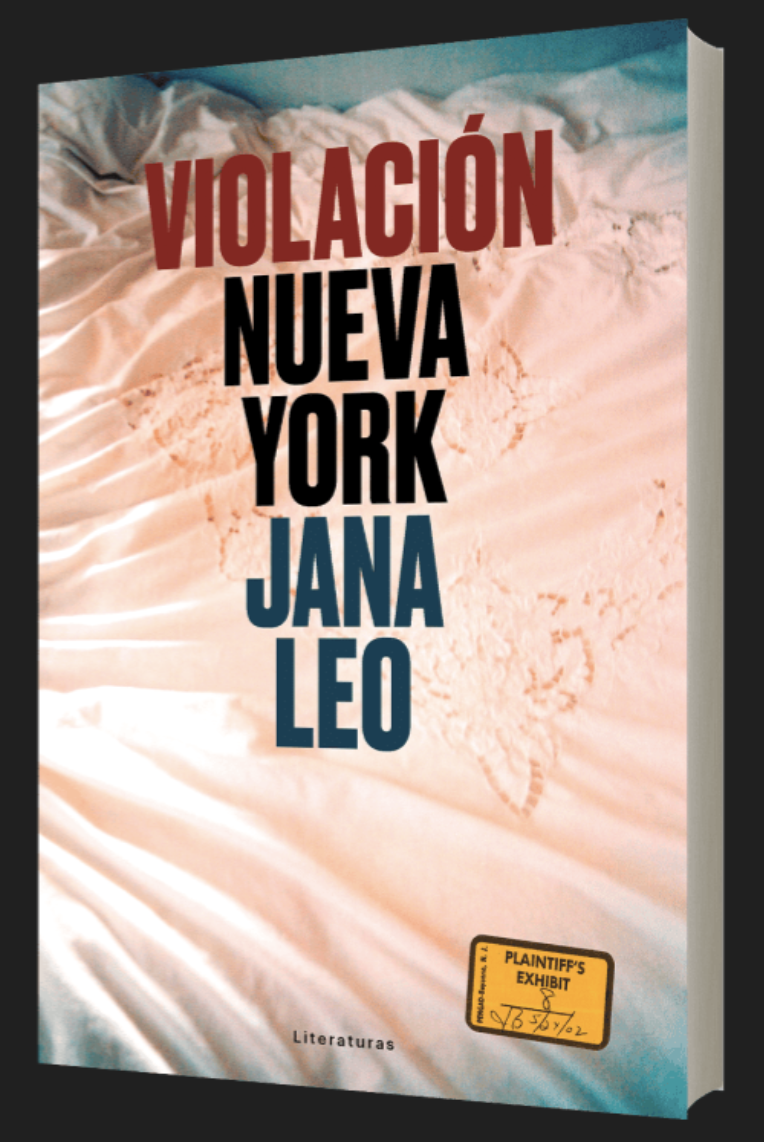
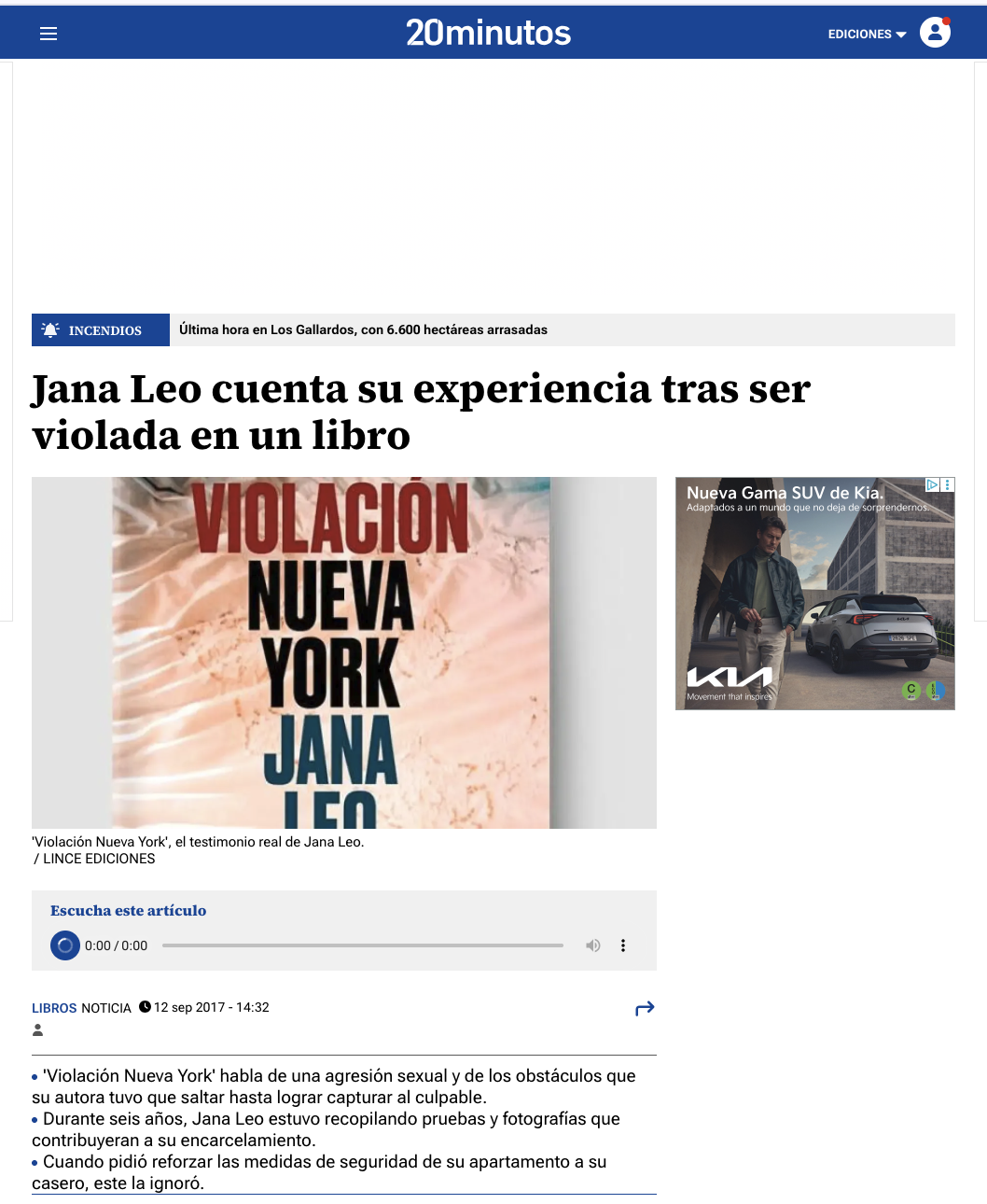
Violación Nueva York, Libros del Lince, Barcelona: 2017

Violación Nueva York de Jana Leo

In the opening, gripping pages of this story, Jana Leo recalls every moment of the time a man broke into her Harlem apartment and raped her. After calling the police—who showed a complete lack of interest in the incident—and contacting her health insurance provider, who scolded her for what had happened, the artist realized that the violence didn’t end with the rape. The author recounts this traumatic experience—shared by thousands of women—in the first person, and describes how she confronts it: she doesn’t stop until the rapist ends up in court. In this unique story, the multifaceted artist transforms her psychological journey into a sharp analysis of the vulnerability of the working class, unjust laws, and a perverse criminal justice system.

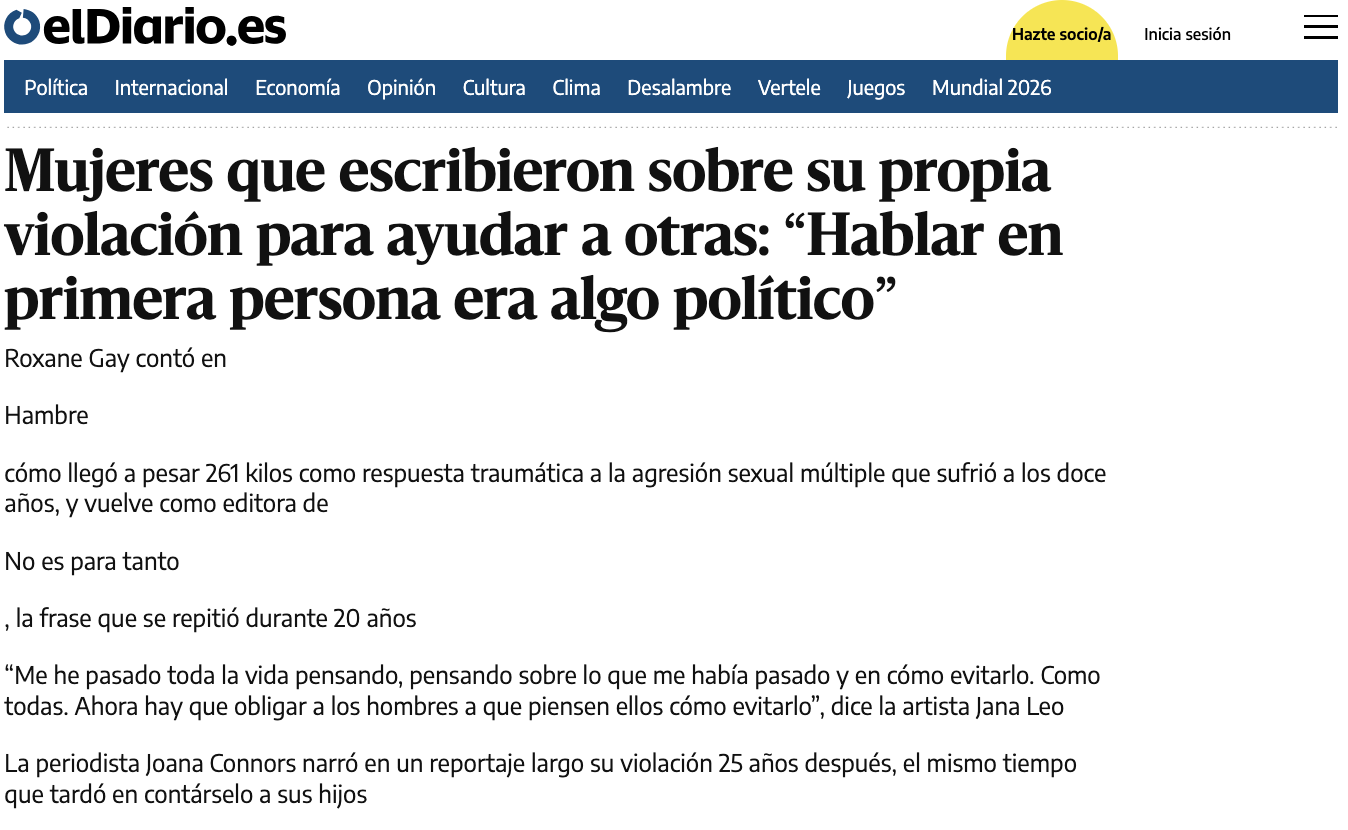
“Mujeres que escribieron sobre su propia violación para ayudar a otras: “Hablar en primera persona era algo político”

El diario.es Belén Remacha December 26 2018

https://www.eldiario.es/cultura/Roxane-Gay-violencia-sexual_0_843766022.html

“El arte que denuncia la violencia sexual”

Huffpost Semíramis González  Diciembre 27 2018

https://www.huffingtonpost.es/semiramis-gonzalez/el-arte-que-denuncia-la-violencia-sexual_a_23627489/?fbclid=IwAR1TyhE50Zk9E_C0zGrNS0hnKw9Tfony8bx-whe5kLcwngTYHjcceFhwwJwhttps://www.google.com


“Para acabar con la ‘cultura de la violación’ hay que contarlo todo”
The objective Pepe Monforte, Januray 07 2019

https://capitanswing.com/prensa/para-acabar-con-la-cultura-de-la-violacion-hay-que-contarlo-todo/


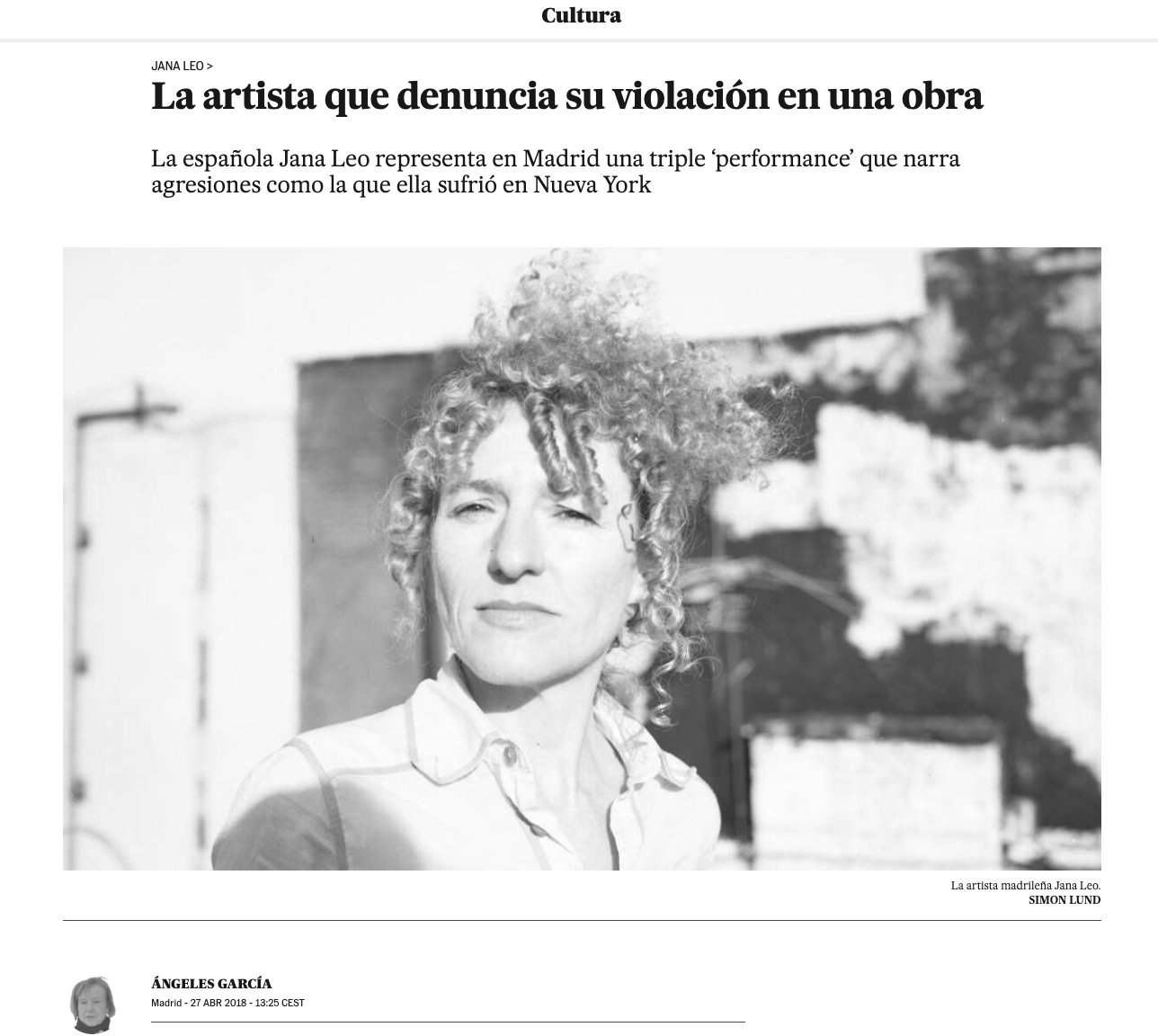
“La artista que denuncia su violación en una obra. La española Jana Leo representa en Madrid una triple ‘performance’ que narra agresiones como la que ella sufrió en Nueva York”
El país, Ángeles Garcia, Madrid  Abril 26 2018

https://elpais.com/cultura/2018/04/26/actualidad/1524763353_854434.html


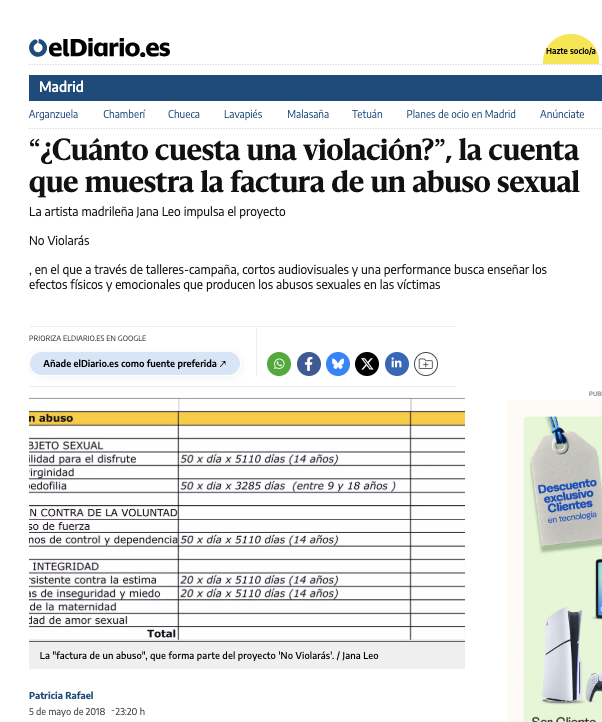
“¿Cuánto cuesta una violación?”, la cuenta que muestra la factura de un abuso sexual El diario.es  Patricia Rafael  Mayo 5 2018
https://m.eldiario.es/madrid/cuesta-violacion-presupuesto-muestra-factura_0_767824172.html


“Jana Leo: “Me han pasado cosas, pero no dejo de meterme donde me sale de los cojones” La Circular, May 23 2018

““No violarás”, la forma en que una artista denunció un abuso sobre el escenario”
CC news Lau Almaraz Friday April 27 2018 https://news.culturacolectiva.com/mundo/jana-leo-la-artista-que-denuncia-su-violacion-en-una-obra/


Hora 25, web de la Ser  Marta Garcia,  May 15 2018
http://play.cadenaser.com/programa/hora_25/


TV Espejo Público in Antena 3 tv   Abril 30 2018
http://www.antena3.com/programas/espejo-publico/noticias/jana-leo-violada-en-su-propia-casa-una-de-las-posibilidades-de-la-victima-de-la-manada-era-la-muerte_201804305ae6fe120cf25c643c2d0af7.html


Cadena Ser- Vivir para ver  Abril 28 2018

http://play.cadenaser.com/audio/001RD010000005011485/

Fluido Rosa, May 14 2018
http://www.rtve.es/alacarta/audios/fluido-rosa/fluido-rosa-festivales-ivahm18-lev18-14-05-18/4600631/
Minute 03825


“La Ciudad también viola” PlaygroundDo September /08/2017

https://www.facebook.com/PlayGroundDO/videos/756105634586001/


“Me violaron en mi propia casa y comprendí que la ciudad es un cuerpo” by Alba Muñoz in Playground September /08/2017

http://www.playgroundmag.net/do/jana-leo_0_2043395667.html


Radio Nacional, Programa “De lo más natural” September /16/2017

http://mvod.lvlt.rtve.es/resources/TE_SDLMNAT/mp3/7/5/1505625985457.mp3

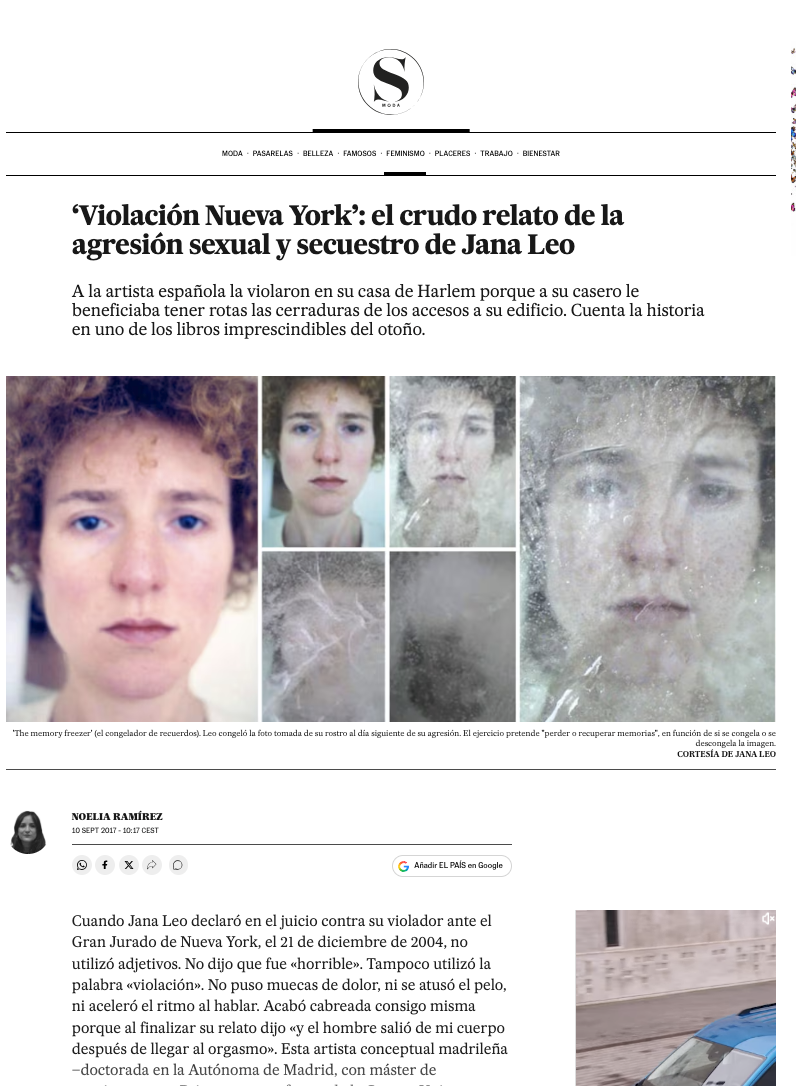
‘Violación Nueva York’: el crudo relato de la agresión sexual y secuestro de Jana Leo” by Noelia Ramírez in El Pais SModa | September /10/10/2017

https://smoda.elpais.com/feminismo/violacion-nueva-york-crudo-relato-la-agresion-sexual-secuestro-jana-leo/


“Et violen per fer-te fora de casa teva” by Núria Juanico in ARA August/28/2017

http://www.ara.cat/cultura/violen-fer-te-fora-casa-teva_0_1859214079.html

“Jana Leo cuenta su experiencia tras ser violada en un libro” 20MINUTOS.ES September/12/2017

http://www.20minutos.es/noticia/3132517/0/jana-leo-la-mujer-que-cuenta-experiencia-de-su-violacion-en-un-libro/

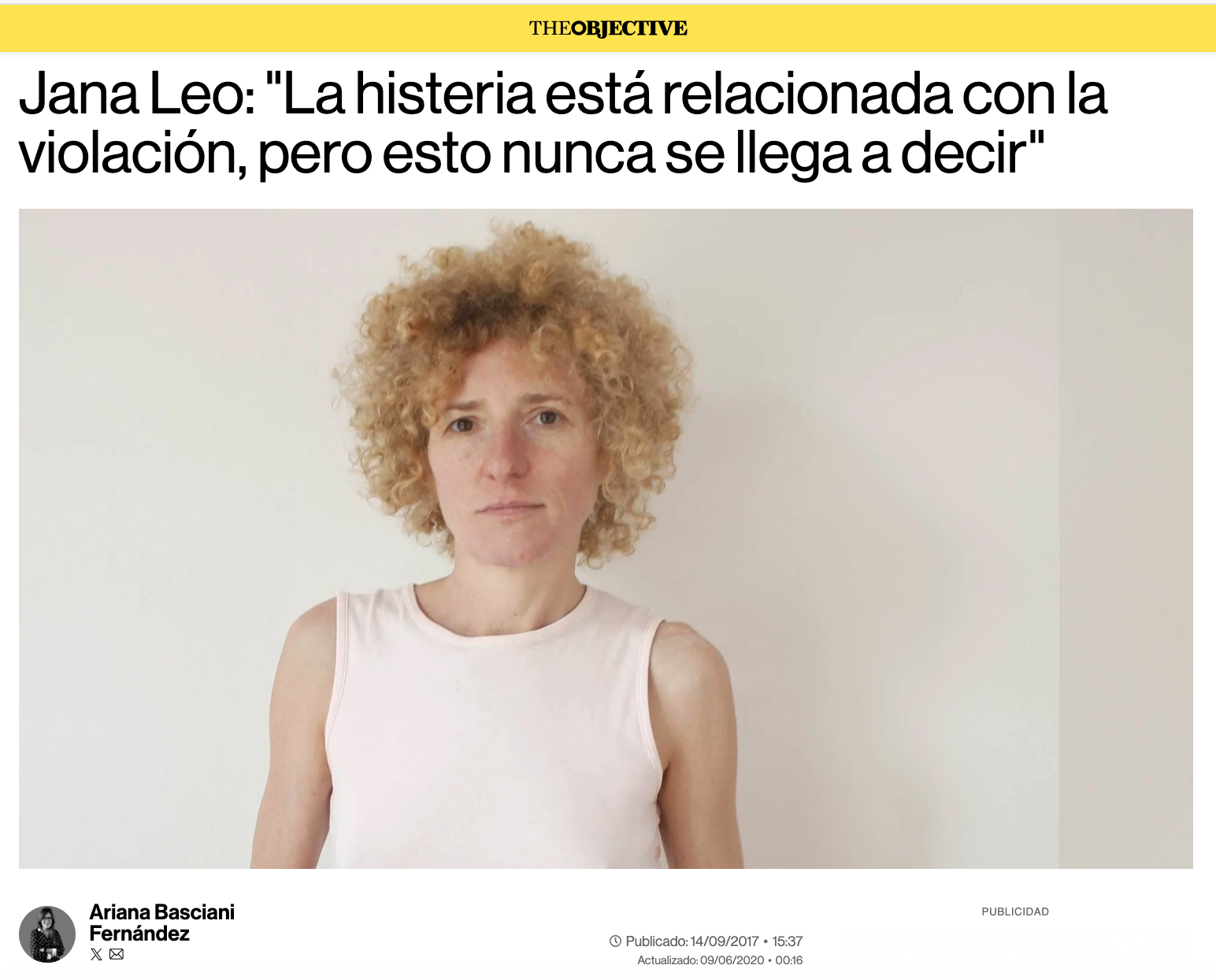
“Jana Leo: “La histeria está relacionada con la violación, pero esto nunca se llega a decir.”

The Objective by Ariana Basciani September/14/10/2017
http://theobjective.com/further/jana-leo-la-histeria-esta-relacionada-con-la-violacion-pero-esto-nunca-se-llega-a-decir/


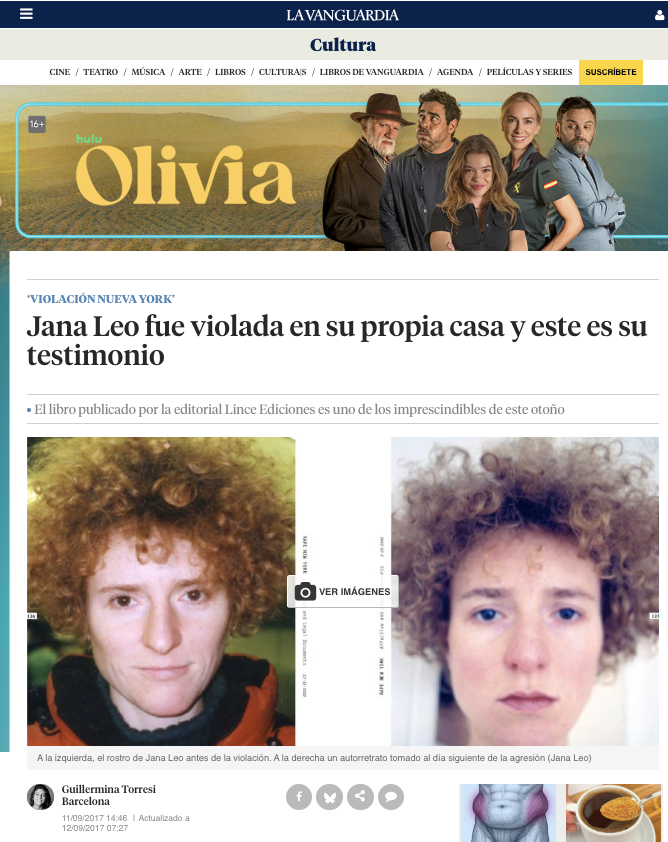
“Violación Nueva York. Jana Leo fue violada en su propia casa y este es su testimonio” in La vanguardia by Guillermina Torresi, September/11/10/2017

http://www.lavanguardia.com/cultura/20170911/431205722570/jana-leo-violacion-nueva-york-lince-ediciones-agresion-sexual.html


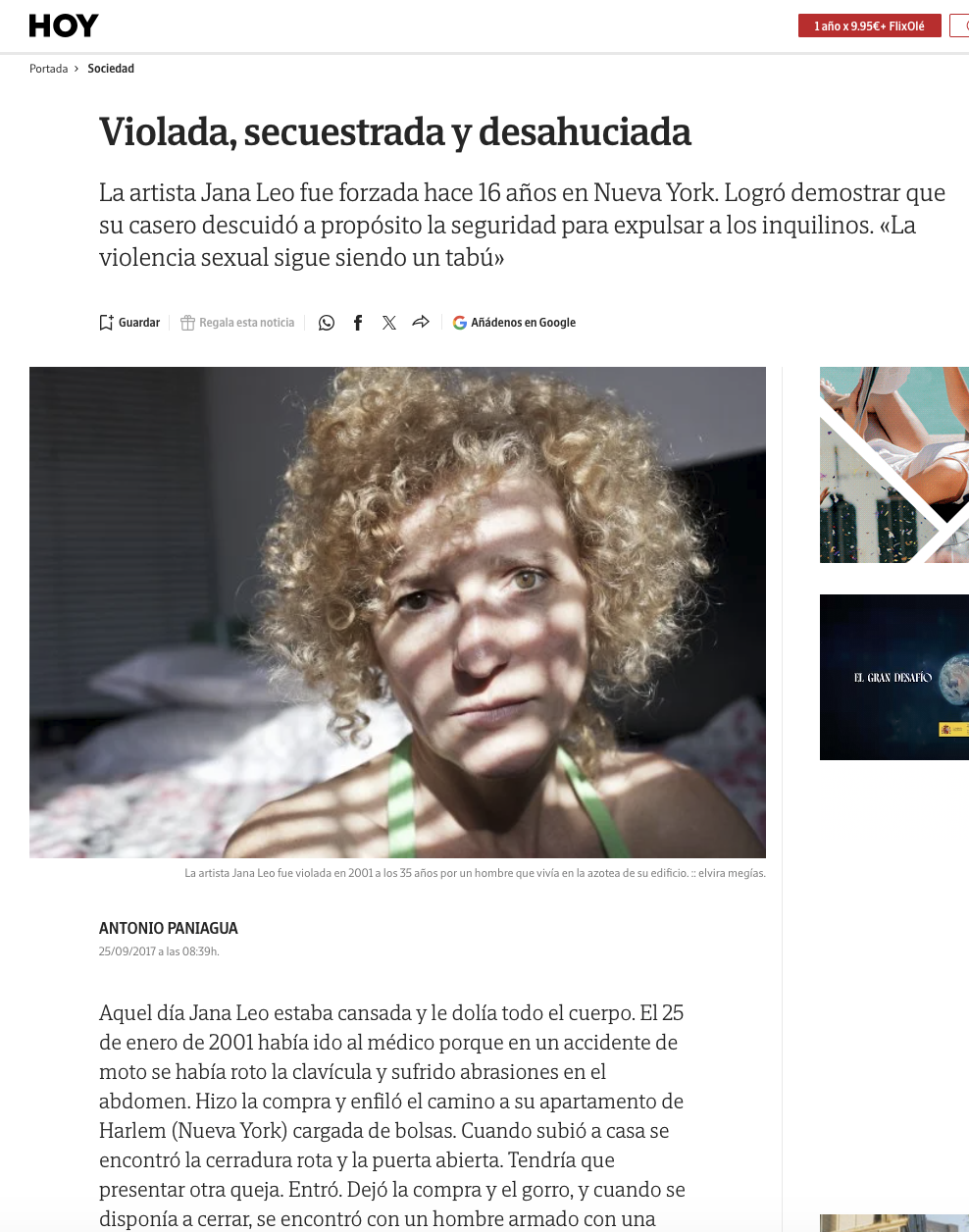
“Violada, secuestrada y desahuciada” in HOY by Antonio Paninagua September/25/2017 http://www.hoy.es/sociedad/violada-secuestrada-desahuciada-20170925003050-ntvo.html


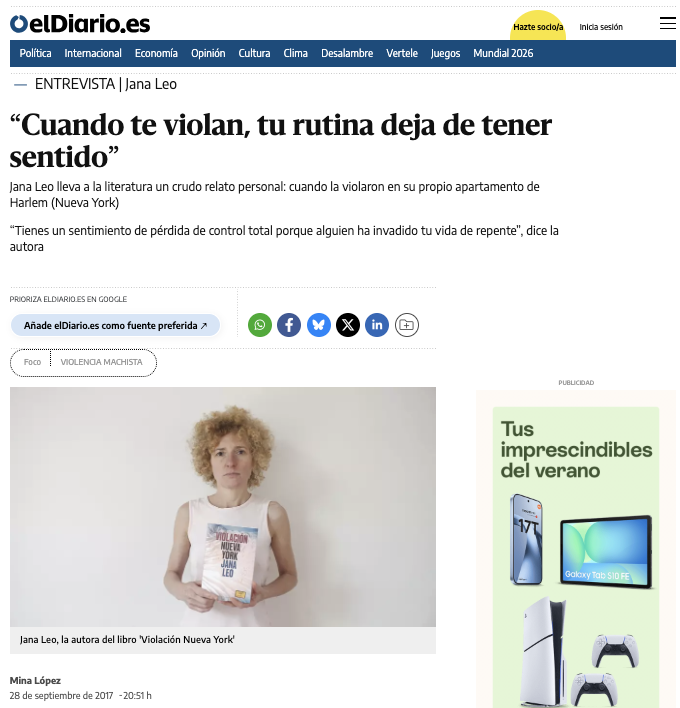
“Cuando te violan, tu rutina deja de tener sentido” in El diario by Mina López September/28/2017

http://www.eldiario.es/cultura/libros/Jana-Leo-violan-rutina-sentido_0_690831201.html


“Violación Nueva York de Jana Leo” in Canal 22 (corresponsal)  Francina Islas Villanueva Octubre/2/2017

https://www.youtube.com/watch?v=J1FbeE1pP8s&feature=youtu.be

RTVE , Radio Todos somos sospechosos by Ruben Luengo September/20/2017

http://www.rtve.es/alacarta/audios/todos-somos-sospechosos/todos-somos-sospechosos-violacion-nueva-york-20-09-17/4233500/

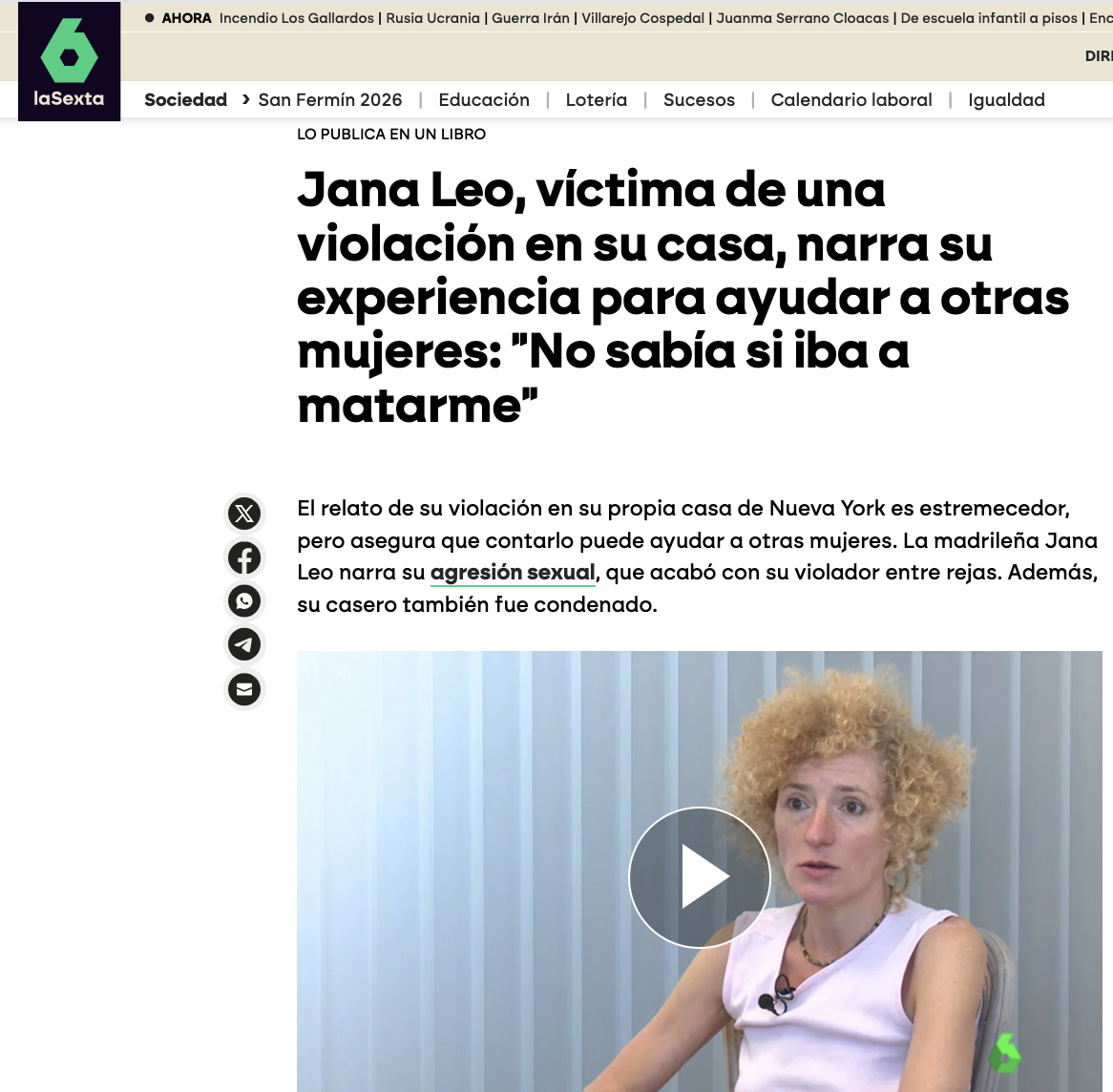
“Jana Leo, víctima de una violación en su casa, narra su experiencia para ayudar a otras mujeres: “No sabía si iba a matarme” TV laSexta.com  Septembe/24/2017

http://www.lasexta.com/noticias/sociedad/jana-leo-victima-de-una-violacion-en-su-casa-narra-su-experiencia-para-ayudar-a-otras-mujeres-no-sabia-si-iba-a-matarme_2017092459c804ff0cf27caff6407357.html

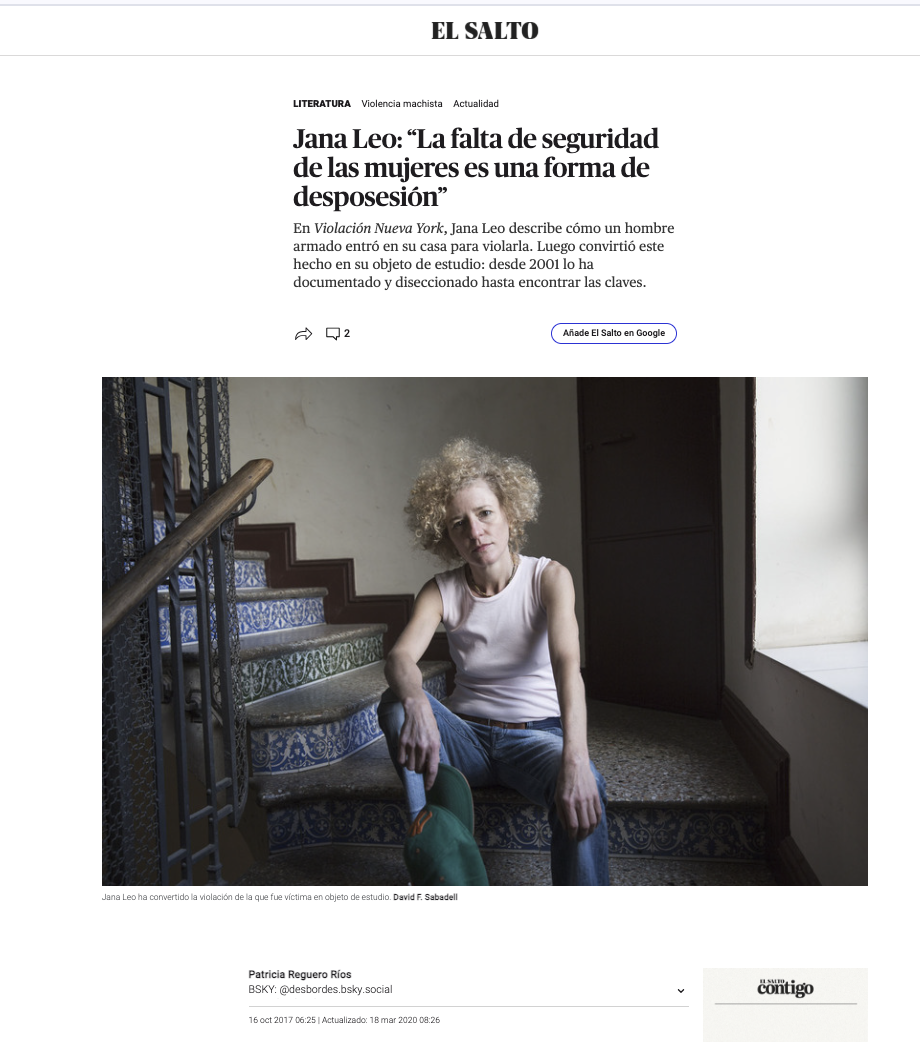
“Jana Leo, La falta de seguridad de las mujeres es una forma de posesión” By Patricia Reguero Rios in El Salto, October/2017 https://elsaltodiario.com/literatura/jana-leo-falta-seguridad-mujeres-forma-desposesion

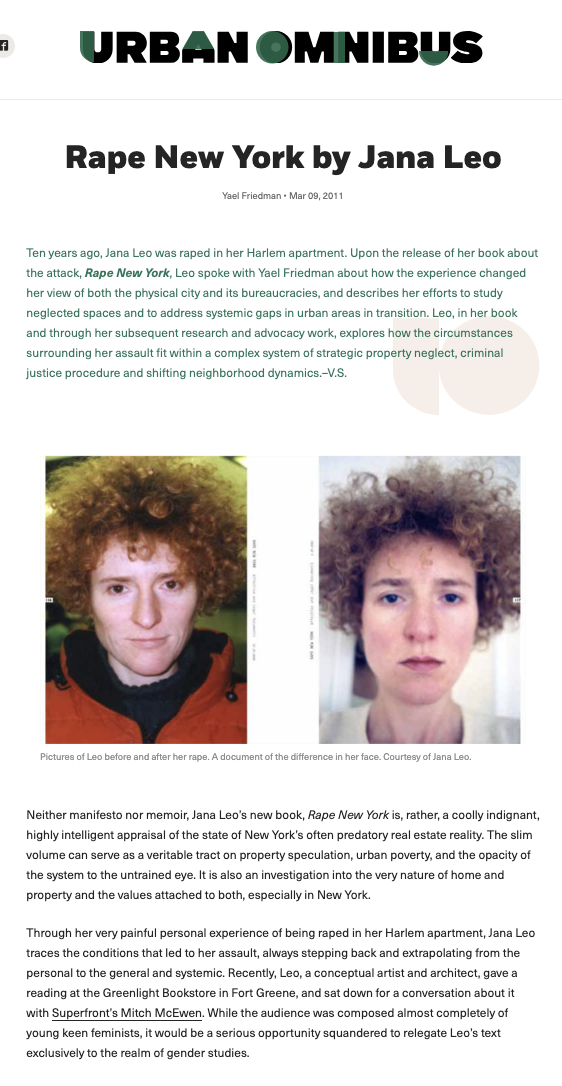
“Writing the City, Rape New York by Jana Leo” by Yael Friedman at Urban Omnibus, 3/9/2011

http://urbanomnibus.net/2011/03/rape-new-york-by-jana-leo/


“Rape New York” by Sam McBean, in Elevate Difference, 3/30/ 2011

http://elevatedifference.com/review/rape-new-york?utm_source=twitterfeed&utm_medium=twitter

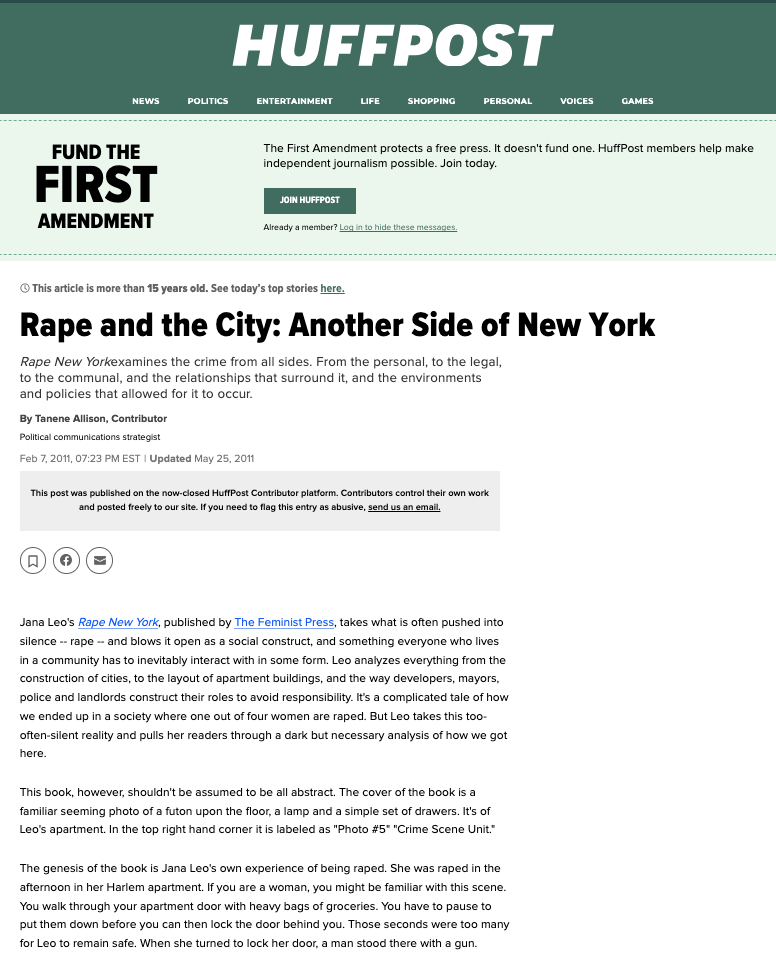
“Rape and the City, Another Side of  New York” by Tanene Allison in Huffpost Books,  2/7/2011
http://www.huffingtonpost.com/tanene-allison/rape-and-the-city-another_b_819345.html?view=print


“Jana Leo’s Rape New York: Scary tale about what happens when a bad landlord won’t fix your front door” by Elizabeth Dowskin in Village Voice, New York, 2/3/2011http://blogs.villagevoice.com/runninscared/2011/02/jana_leos_rape.php http://www.villagevoice.com/news/jana-leos-rape-new-york-scary-tale-about-what-happens-when-a-bad-landlord-wont-fix-your-front-door-lock-6726567


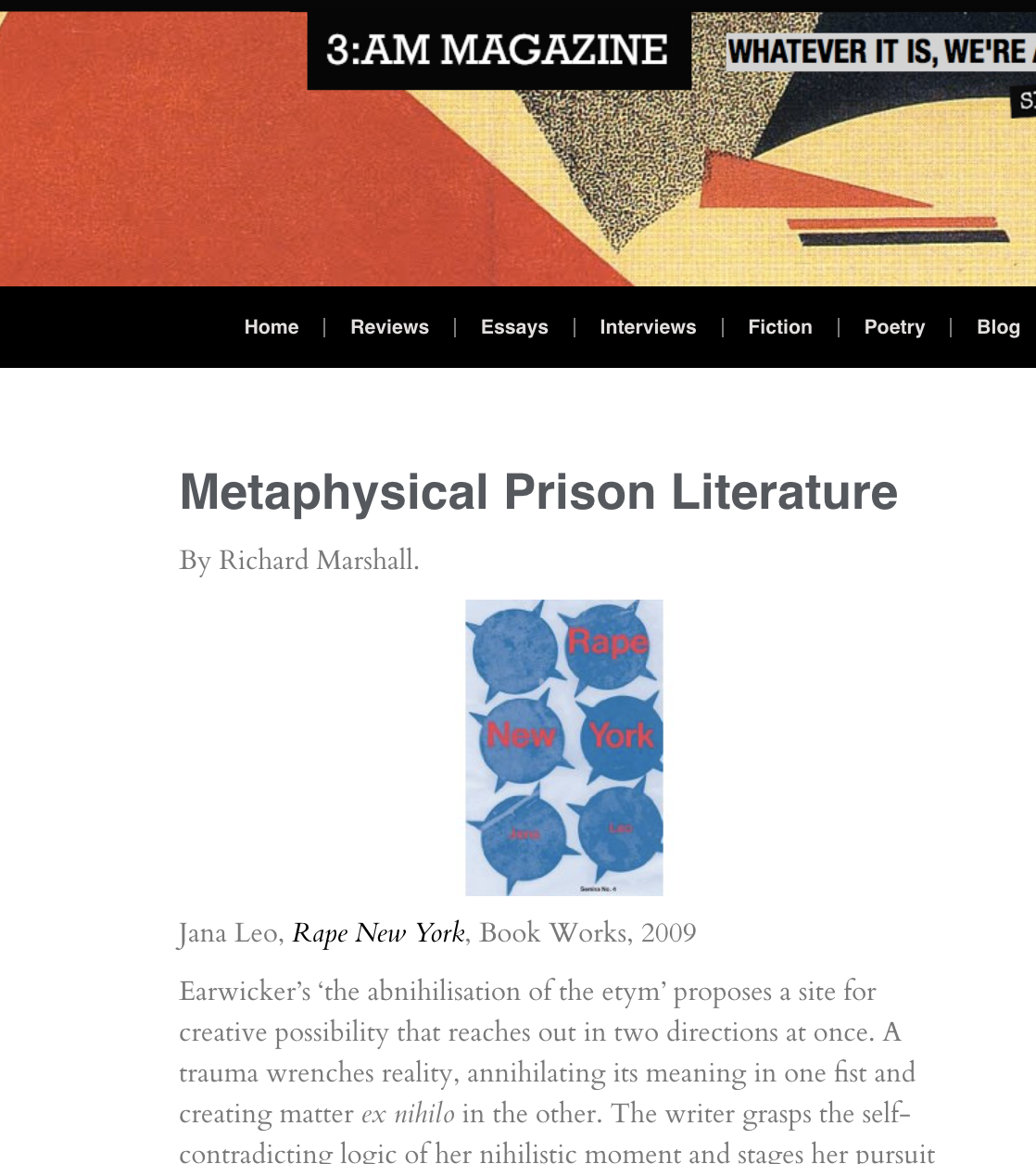
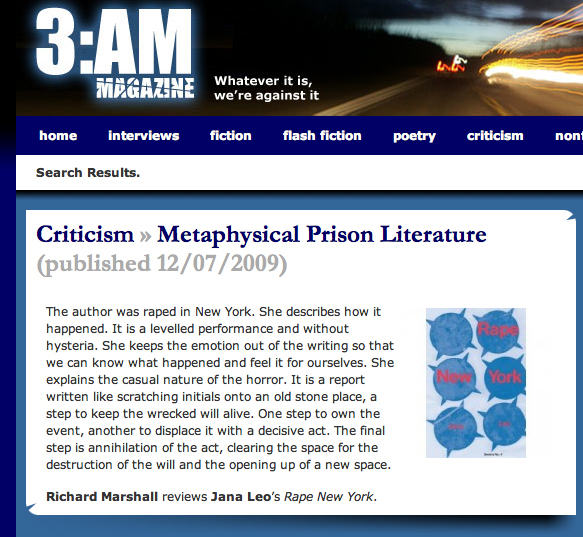
“Metaphysical Prison Literature” by Richard Marshall in 3am magazine, London, 7/12/2009 http://www.3ammagazine.com/3am/metaphysical-prison-literature/

“Jana Leo by Richard Marshall”  in 3am magazine, London, 7/27/2009

http://www.3ammagazine.com/3am/rape-new-york-jana-leo/

INVISIBLE-EXPORTS 14A Orchard Street, New York NY 10002  invisible-exports.com

FOR IMMEDIATE RELEASE:

EXHIBITION:

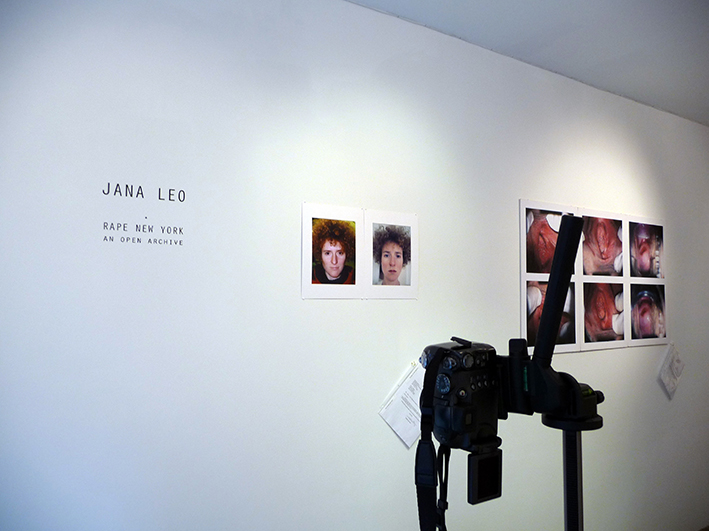
JANA LEO | RAPENY

DATES:

June 26 – July 3, 2009

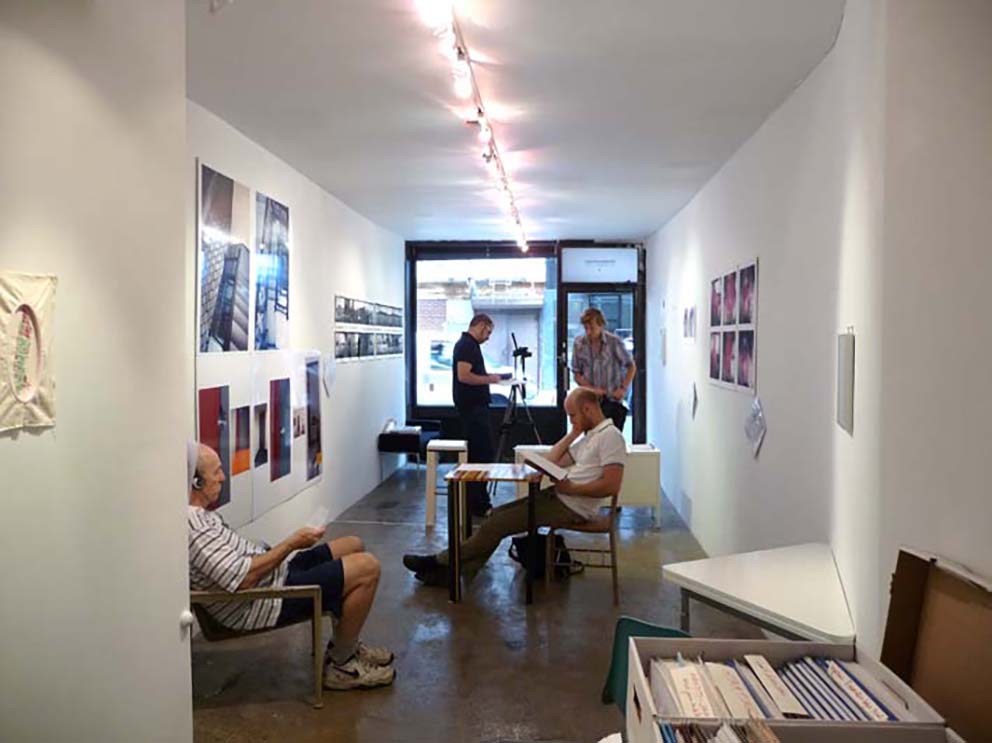
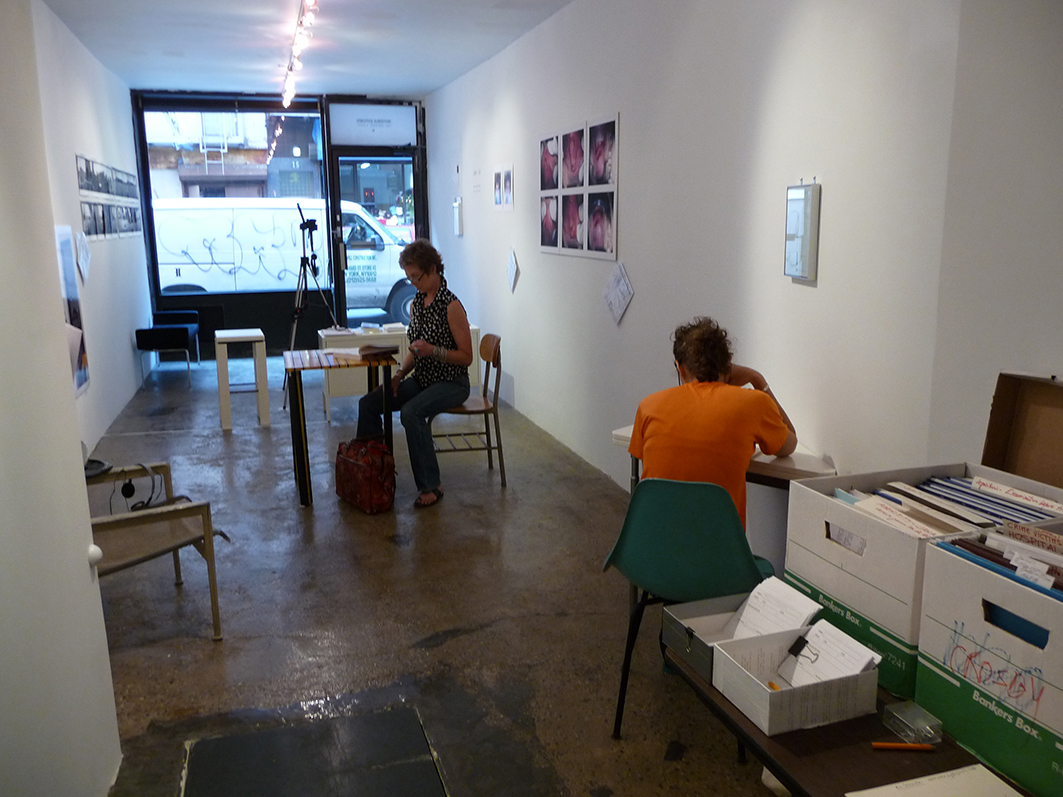
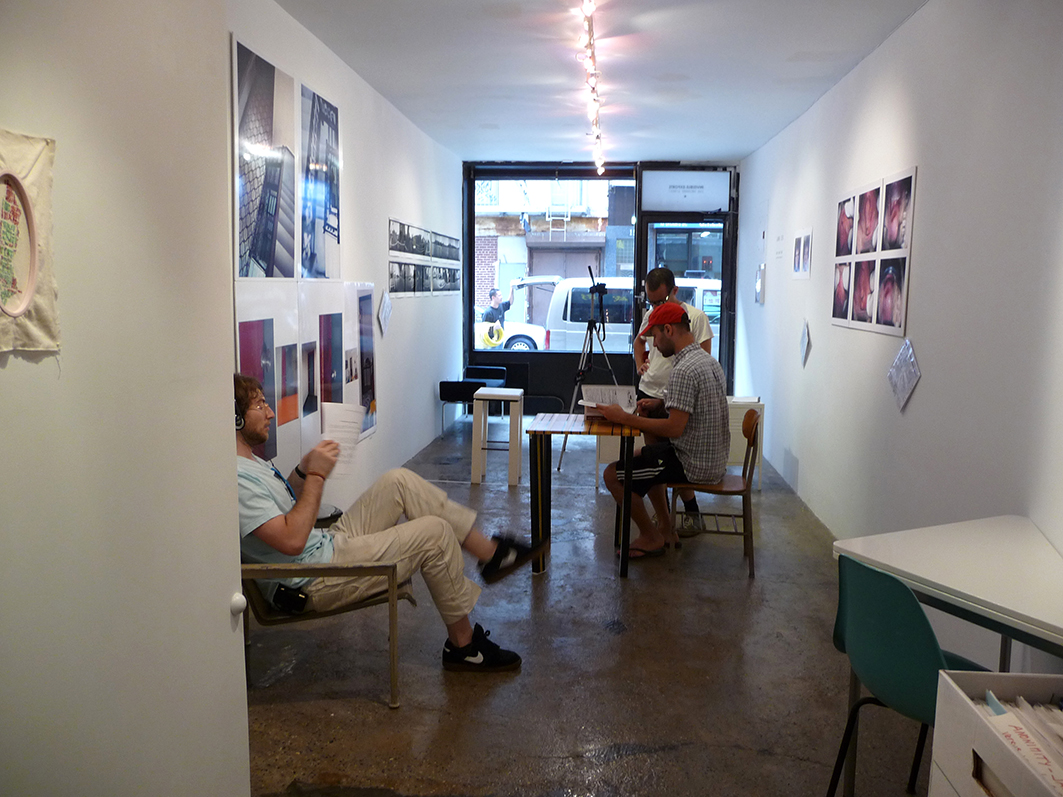
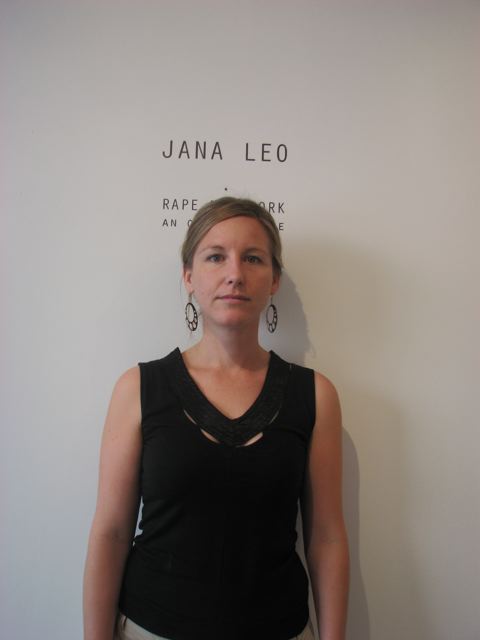
INVISIBLE-EXPORTS is pleased to announce RAPENY – An Open Archive, presented by Jana Leo.

In January 2001, soon after moving to New York, Jana Leo was held hostage and raped during the course of an afternoon in her apartment.


The documents assembled here, seven years in the making, accompany the release of her book

RAPENY. The archive consists of photographs from her emergency visit to the hospital, police

reports, scene of the crime photos, notes from her therapist, none of which can be reproduced, or

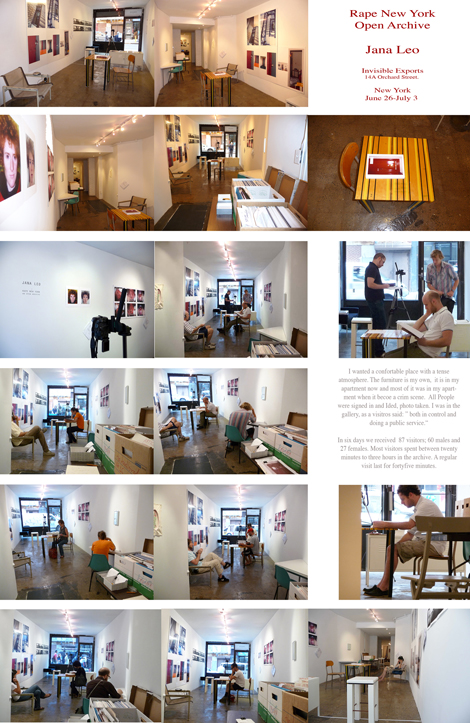
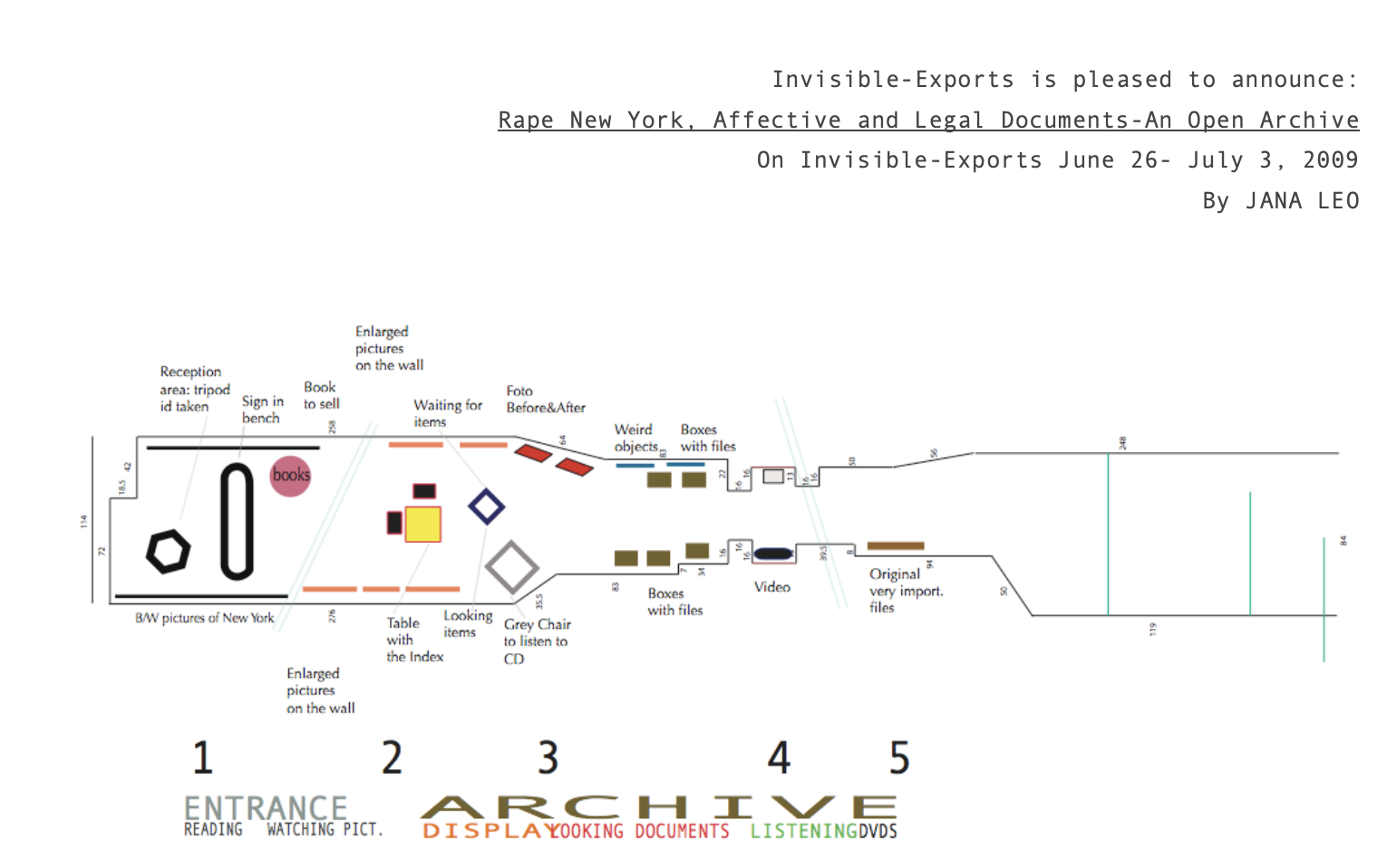
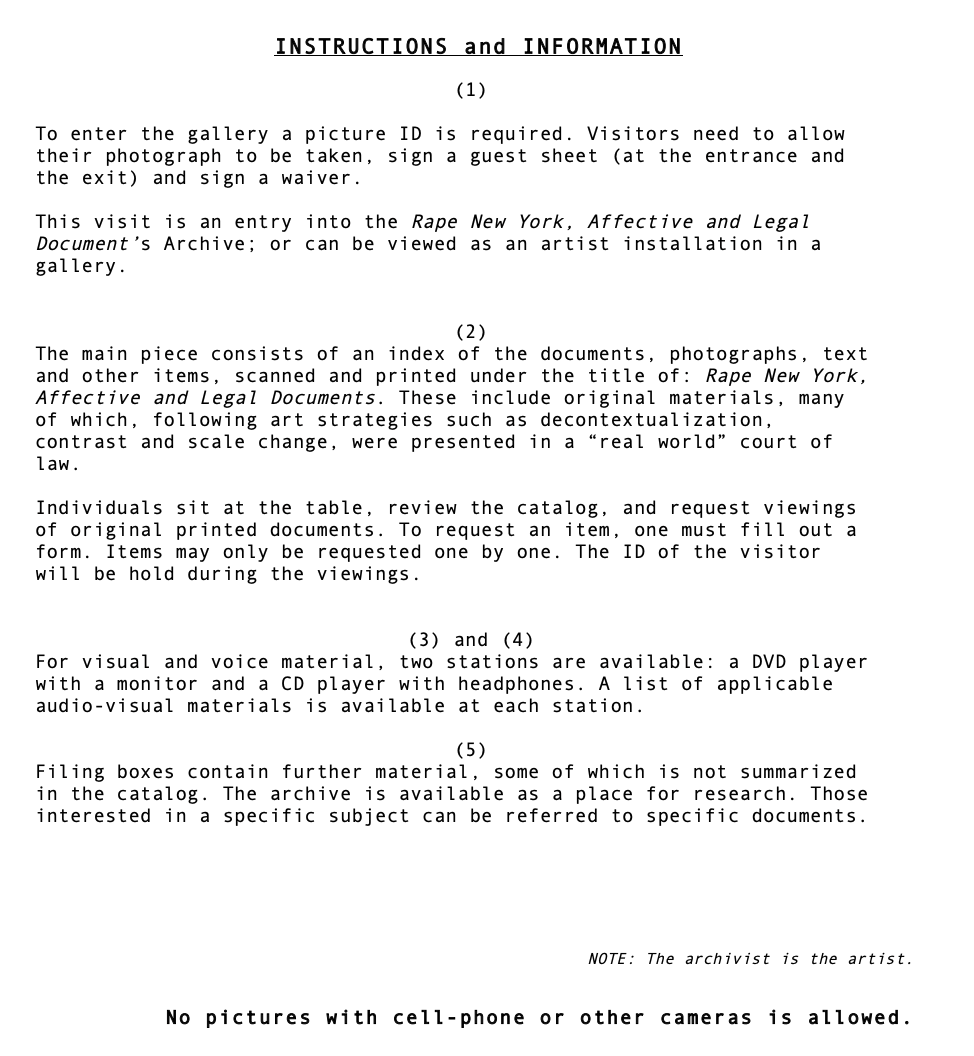
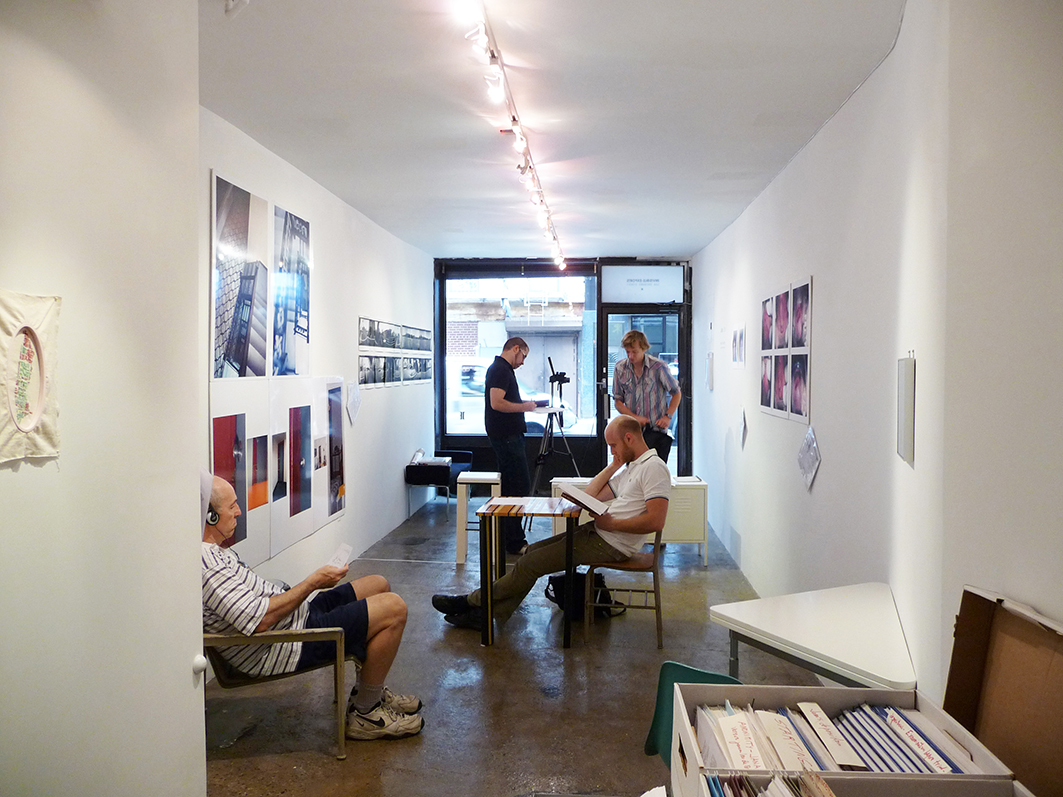
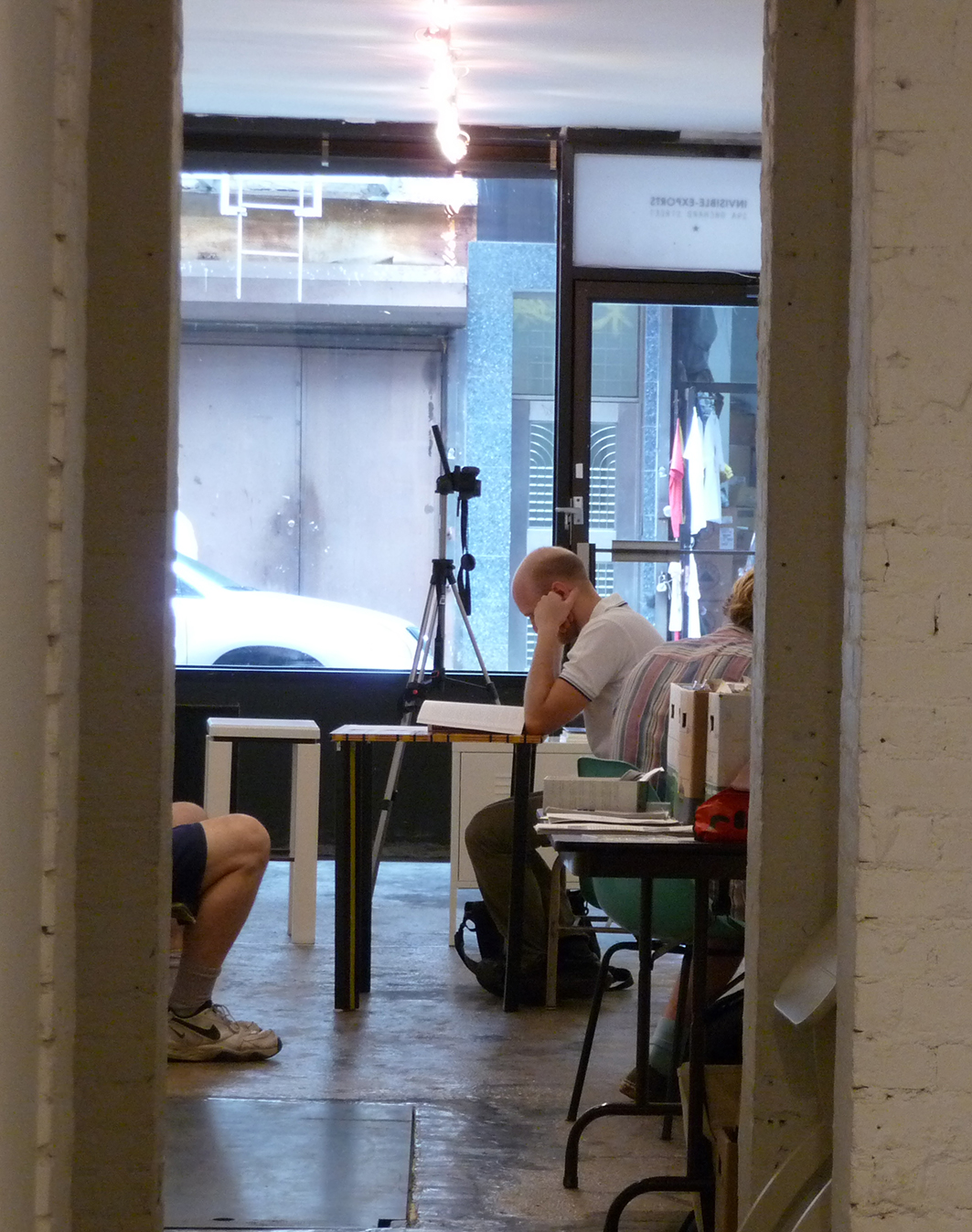
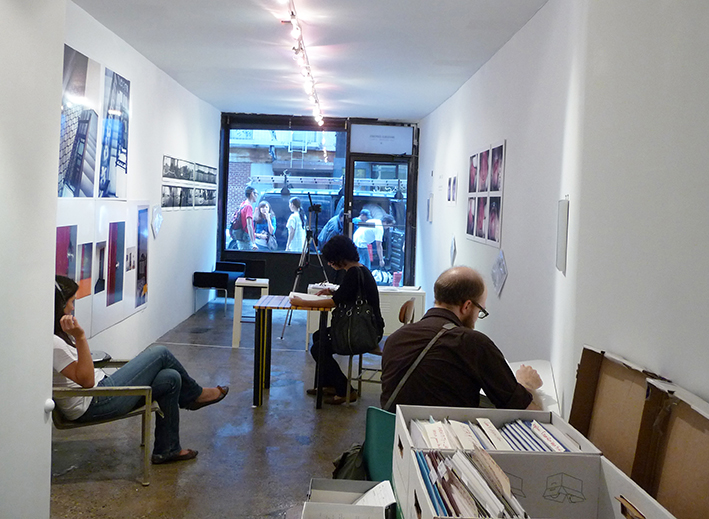
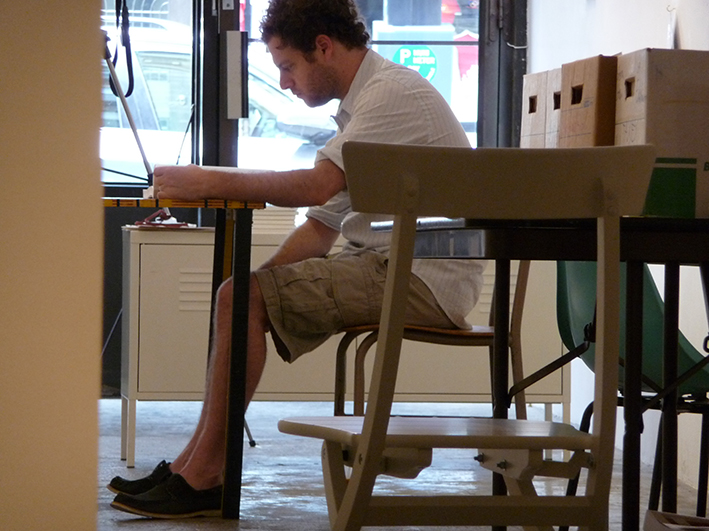
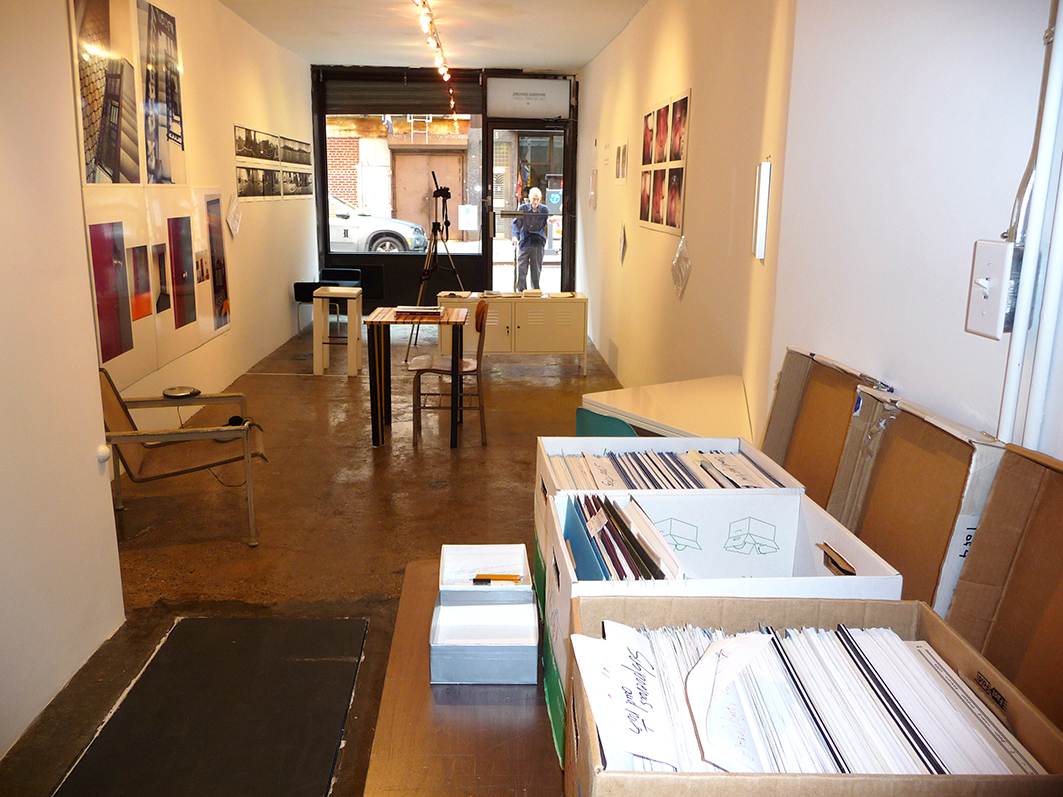
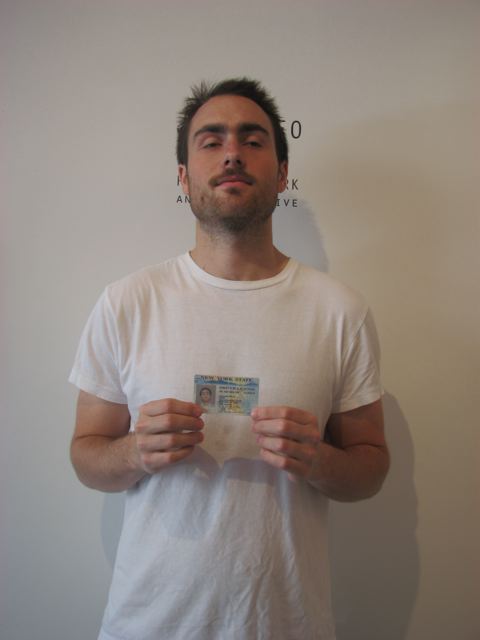
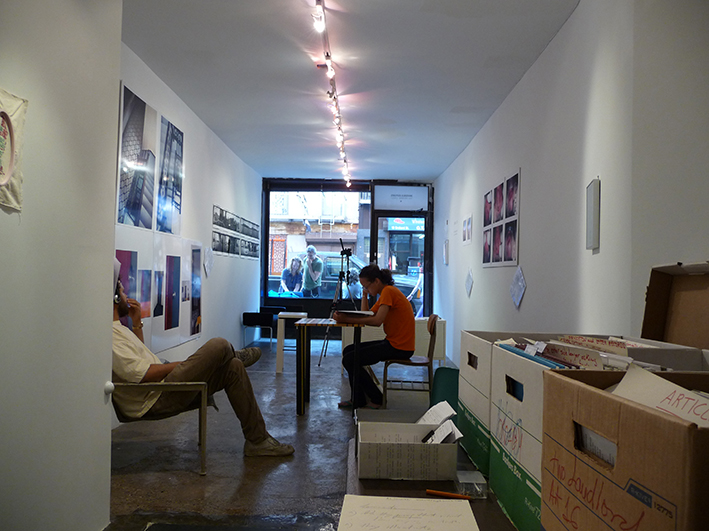
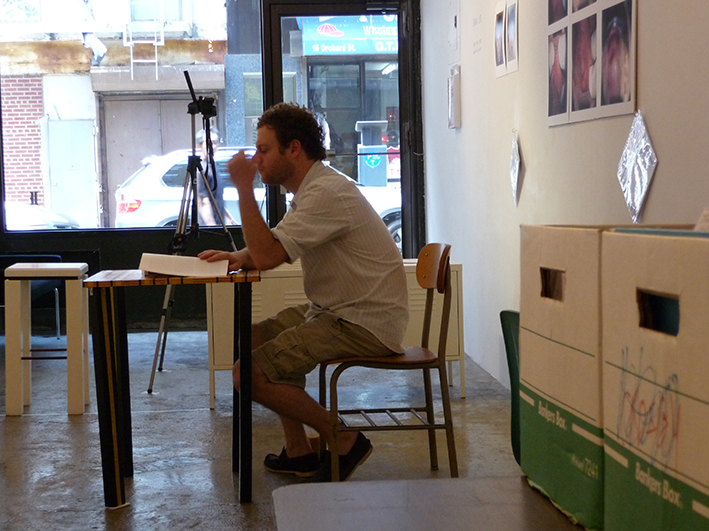
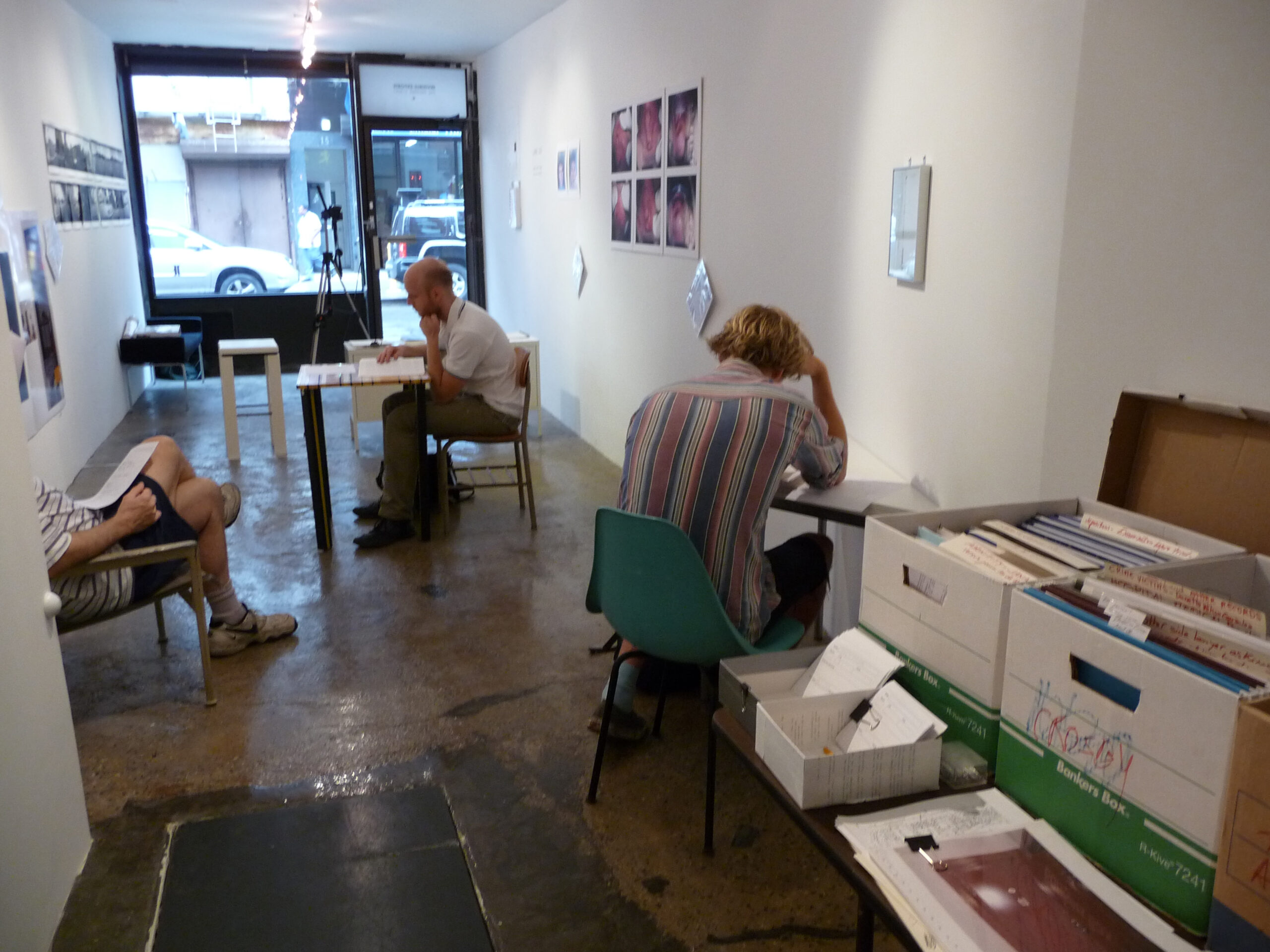
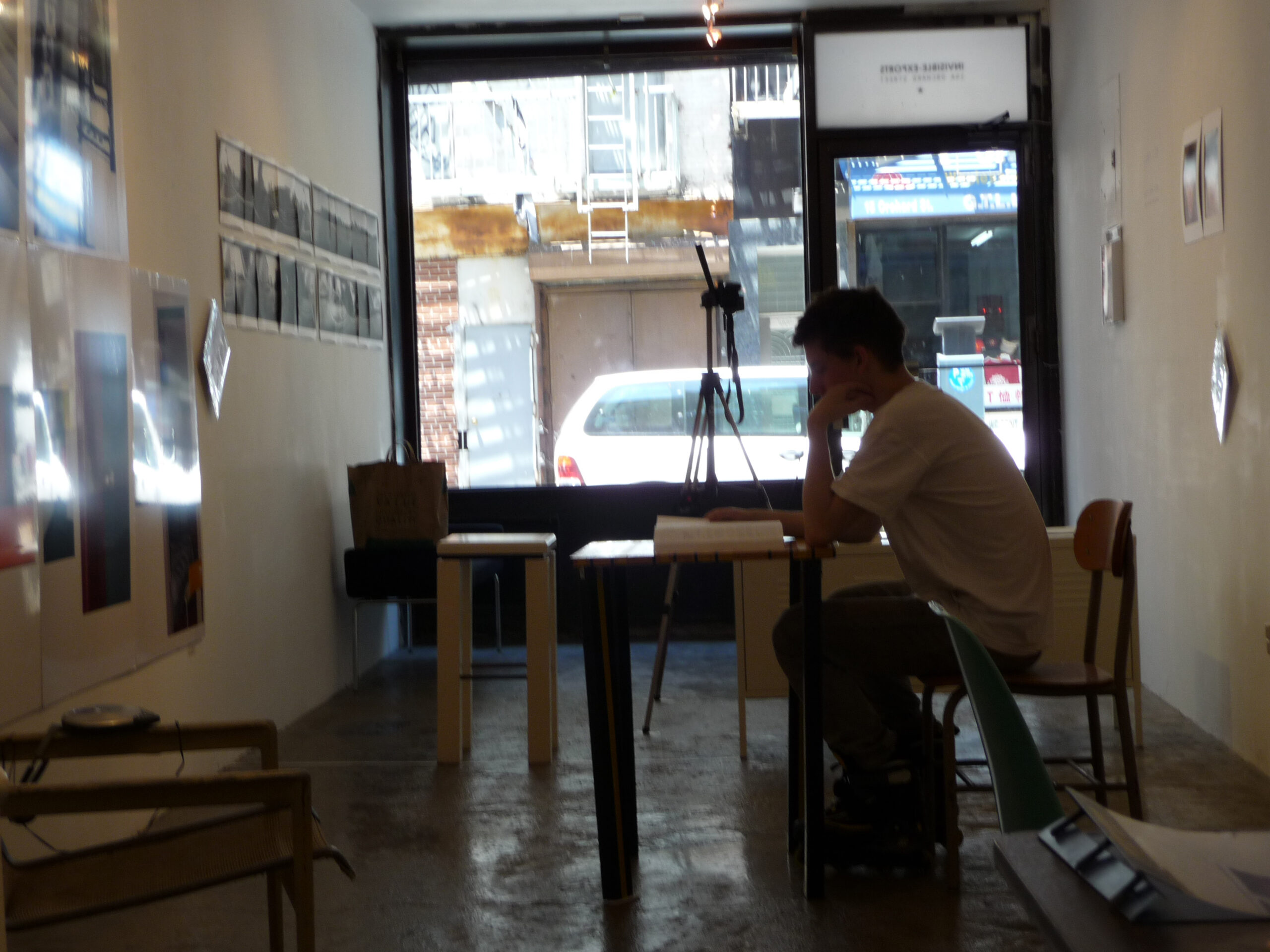
even reviewed without the victims’ consent, as well as records from the civil suit and other assorted items and documents related to the rape and the legal case that followed. The documents are kept in organized boxes to be retrieved by the archivist, not displayed on the gallery walls. The archive is not presented to the visitor; instead, each guest must fully identify oneself (photo ID is required),and request materials from the archivist. This way, the visitor takes responsibility for what’s requested, making private again what was made public by Leo—the latest revolution in a cycle of public and private that began with the rape itself.


It’s difficult to talk about rape, and even more so to allow strangers to sift through the private and often disturbing materials. But to Leo, the archive is a necessary investigation into the “disruption of [her] close memories.” RAPENY is a raw, deeply personal work, but also a fully public endeavor, in which the artist asks the viewing public to reexamine in clinical detail her own harrowing experience. Leo has censored nothing, and asks the same clear-eyed focus of all archive visitors.


Jana Leo has an MA in Architecture and a PhD in Philosophy from the Universidad Autonoma de Madrid. Previously, she was a professor at Cooper Union in New York and is now the director of MOSIS Foundation-Models and System: Art and City. Her first show was a series of self-portraits depicting herself as a woman who has been attacked in her own bed – unknowingly opening her career with a subject that will resurface almost fifteen years later. Her videos and interactive installations have been shown in galleries and institutions for over a decade. She currently divides her time between New York and Madrid.


* * *

INVISIBLE-EXPORTS is a gallery dedicated to superior conceptual work. IE is located in the Lower East Side, at 14A Orchard Street, just north of Canal. The hours are Wednesday through Sunday, 11- 6:30pm, and by appointment. For more information, call 212 226 5447 or email: info@invisible- exports.com.


“Jana Leo by Caitlin Roper”  Interview in Bomblog New York, 6/23/2009

http://bombmagazine.org/article/4698/jana-leo


“Rape New York at Invisible Exports” by S.C. Squibb in Artcat, New York,  6/23/2009

http://zine.artcat.com/2009/06/rape-new-york-at-invisibleexpo.php


“Reading, writing and Jana Leo’s Rape New York” by John Haber at Bad Sports, 6/24/2009

http://badatsports.com/2009/reading-writing-and-jana-leos-rape-new-york


“Body As Charged Canvas” by Patricia in Velvet Park, New York, 9/21/2010

http://www.velvetparkmedia.com/blogs/body-charged-canvas

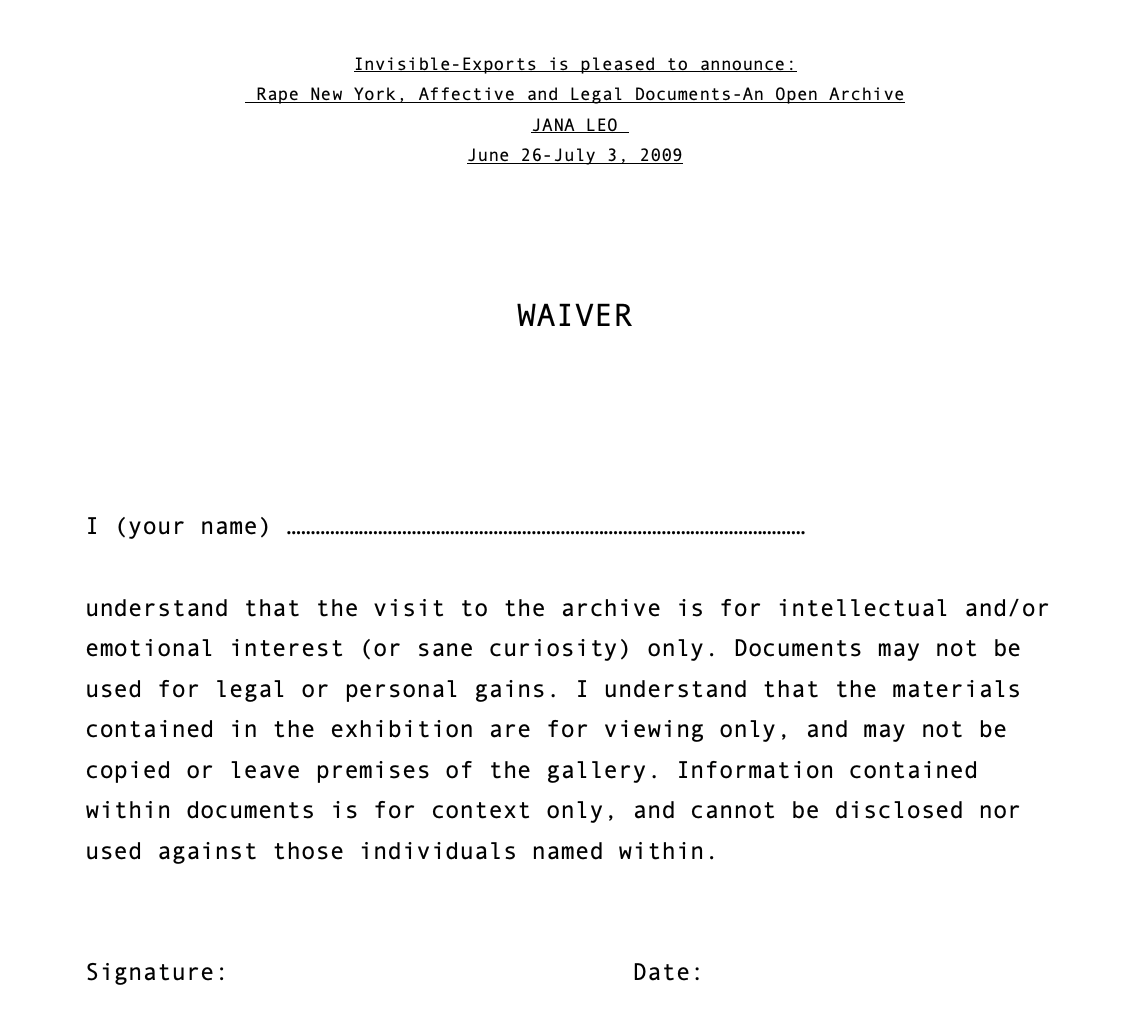
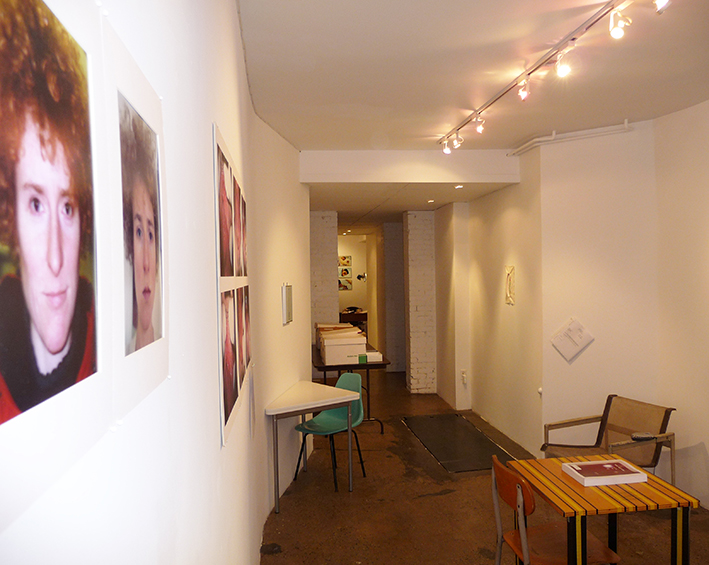
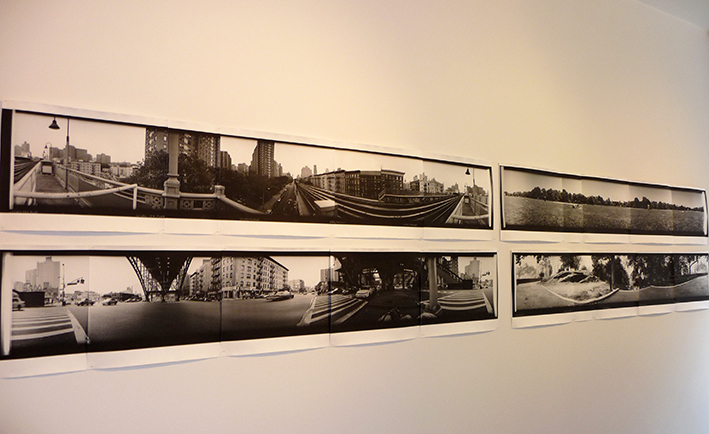
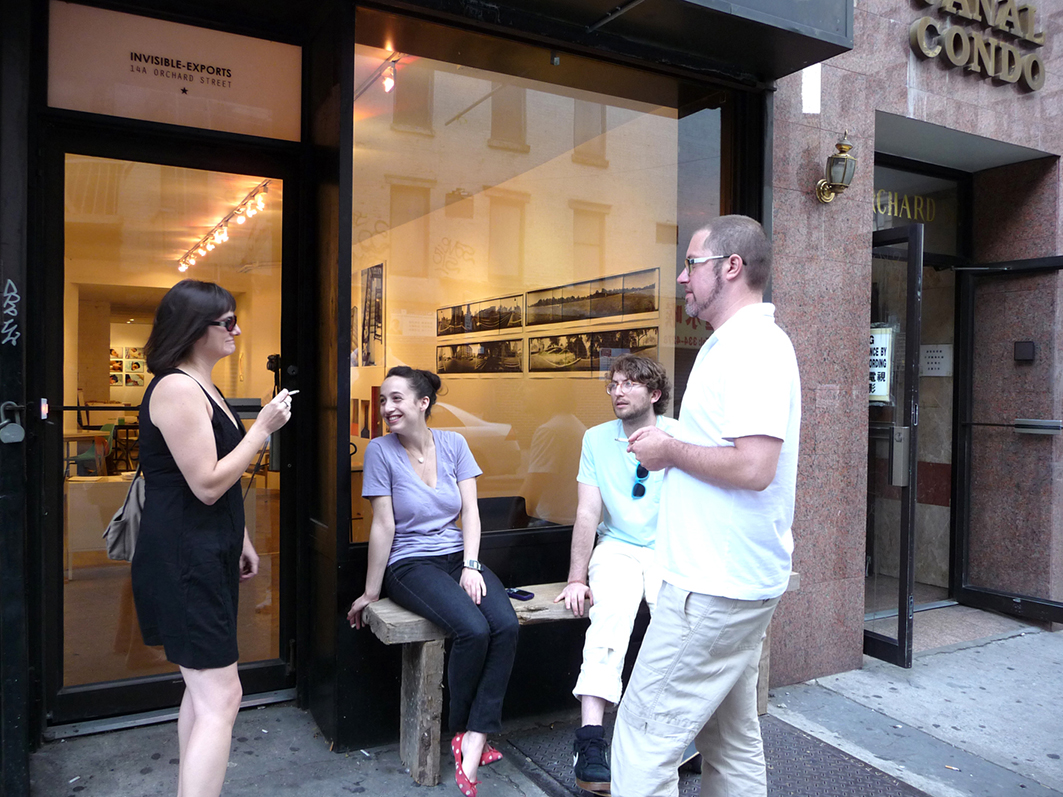
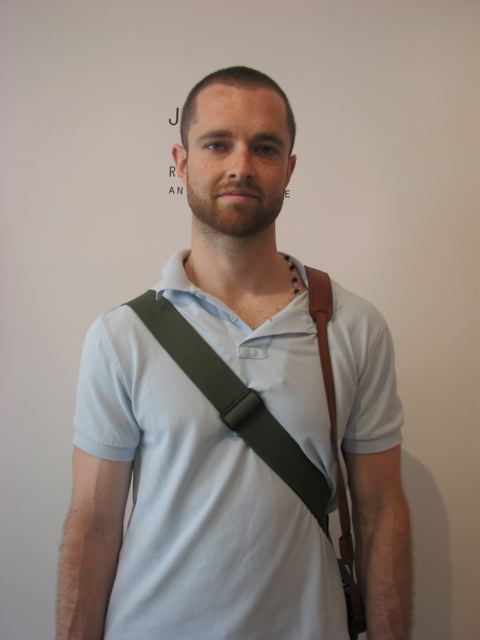
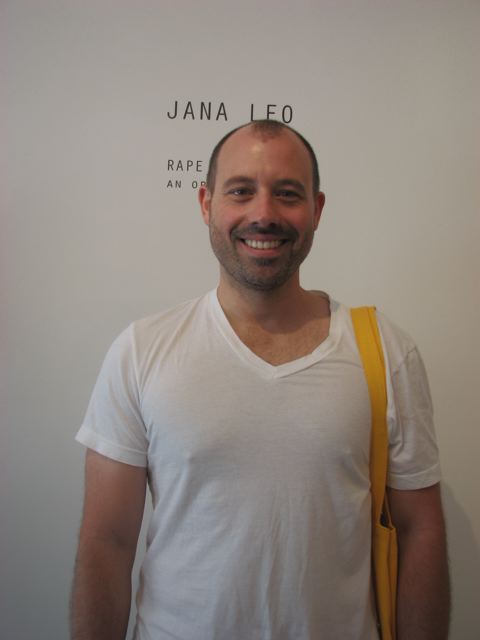
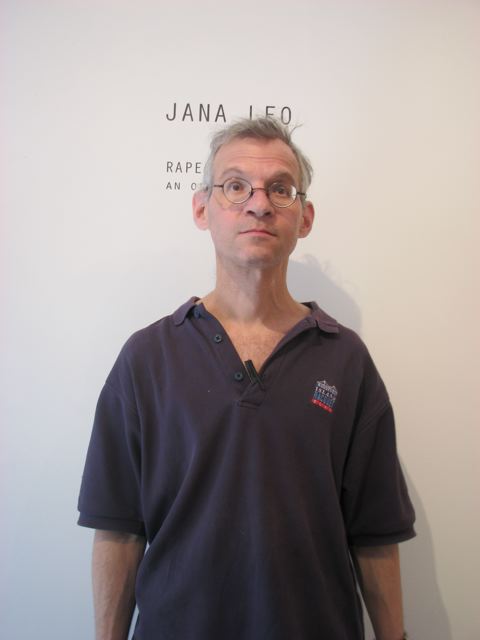
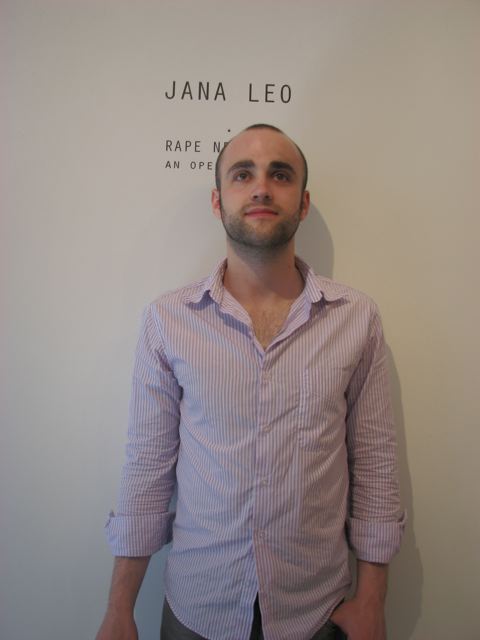
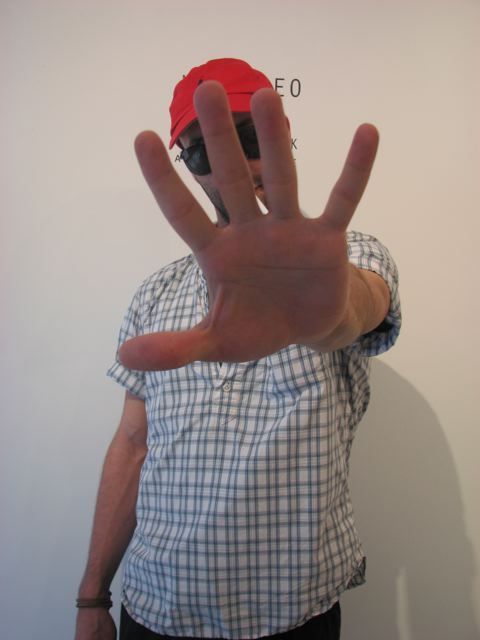
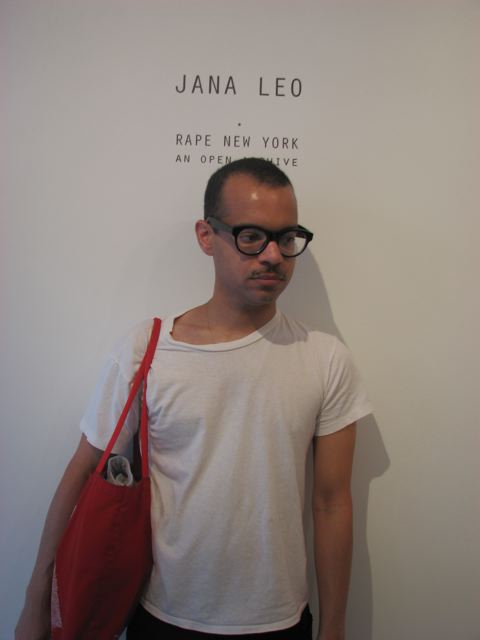
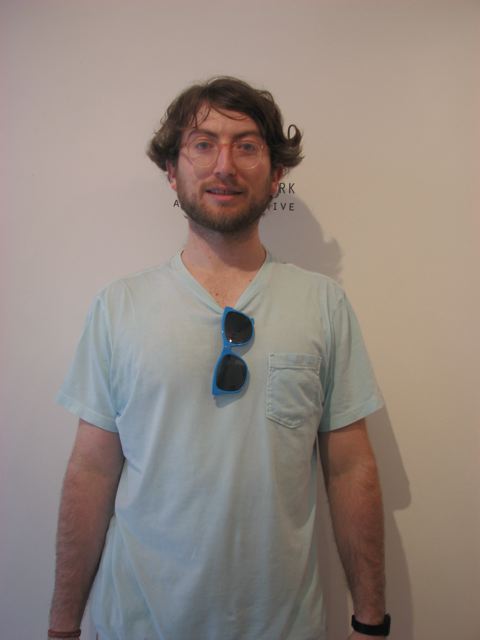
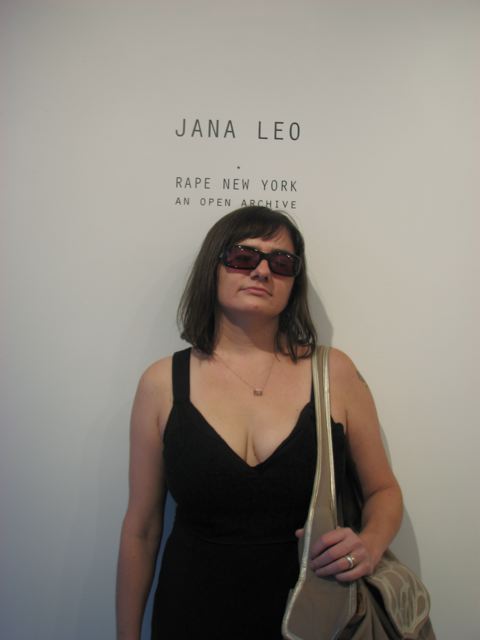
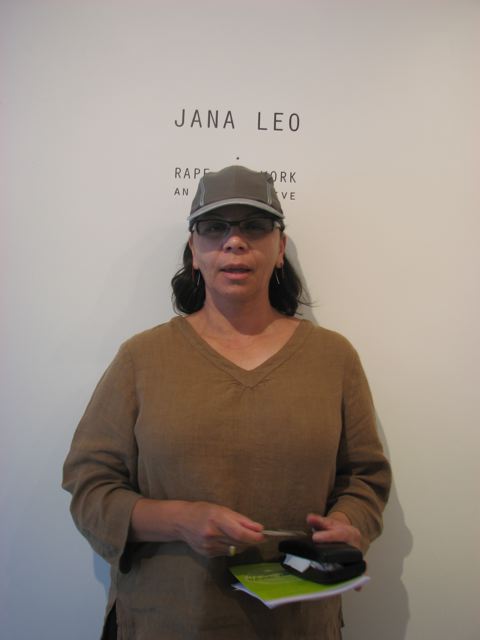
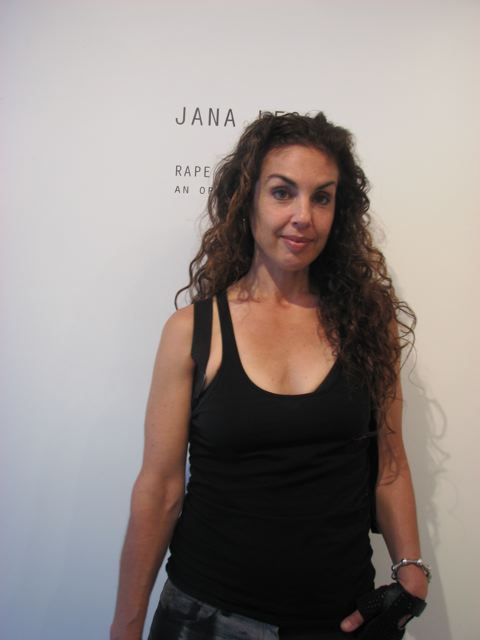
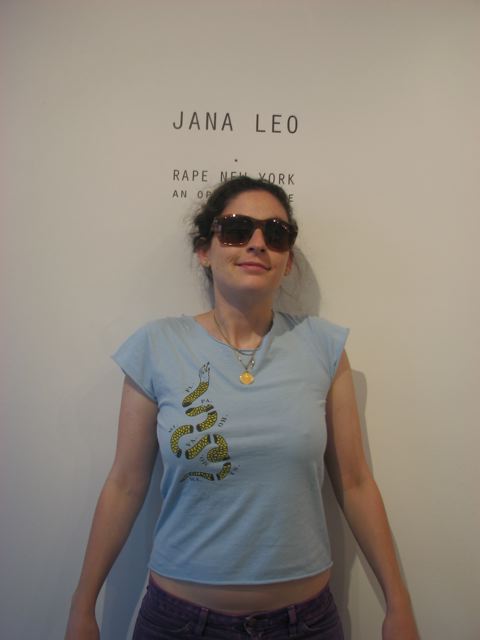
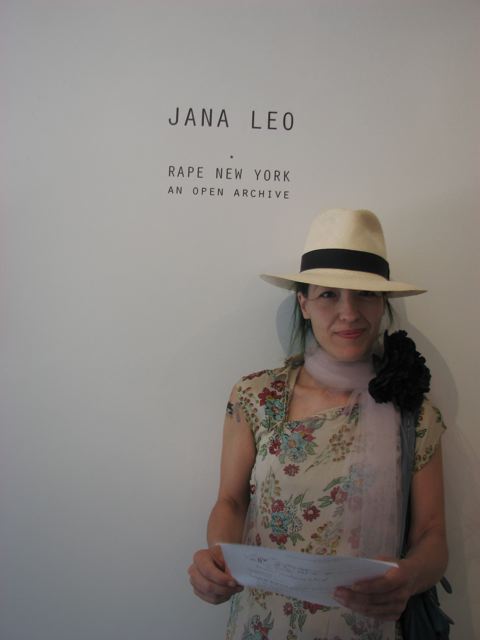
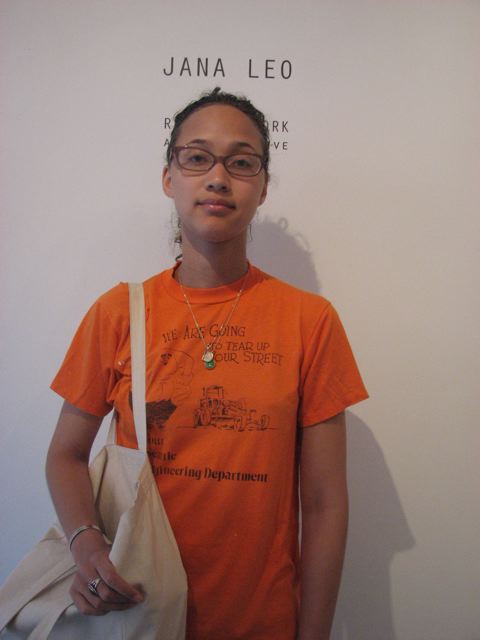
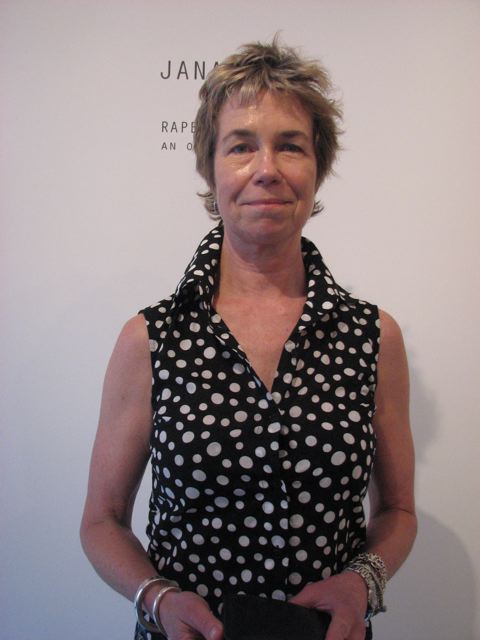
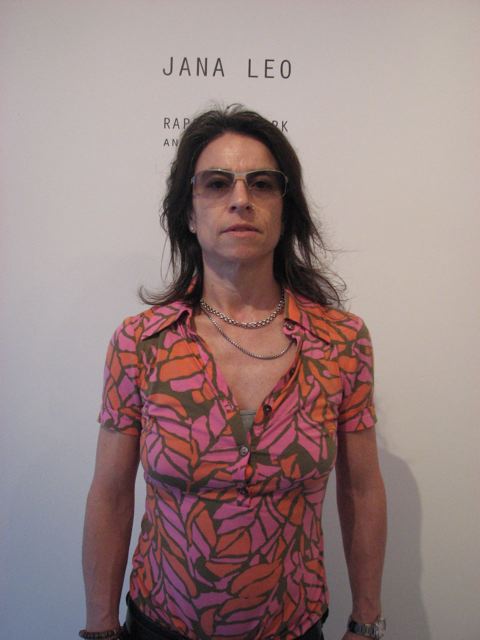
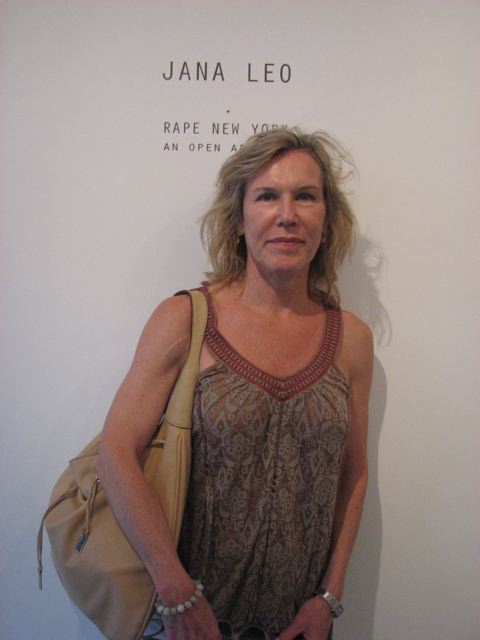
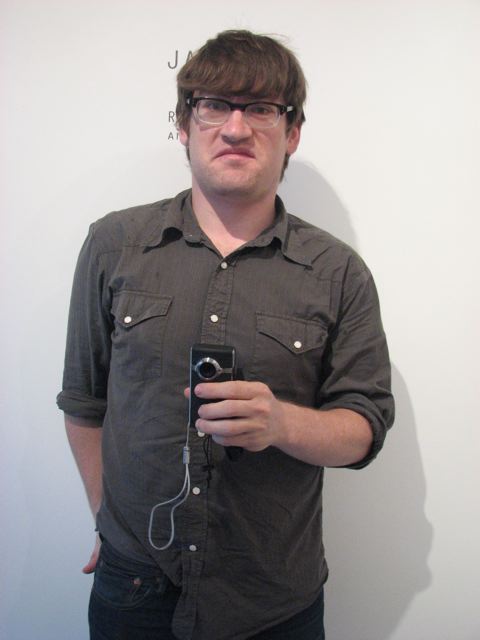
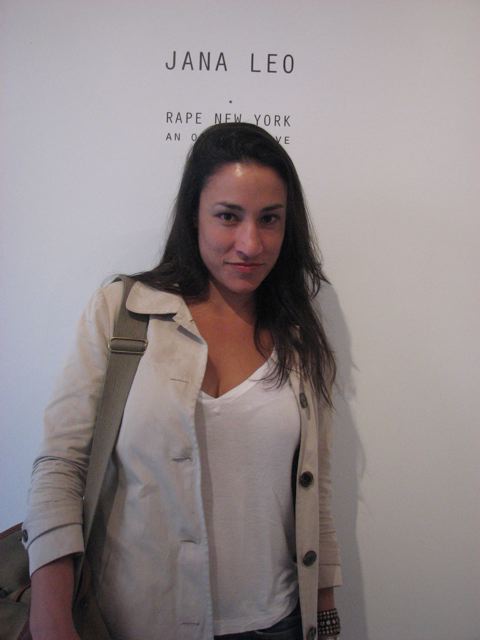
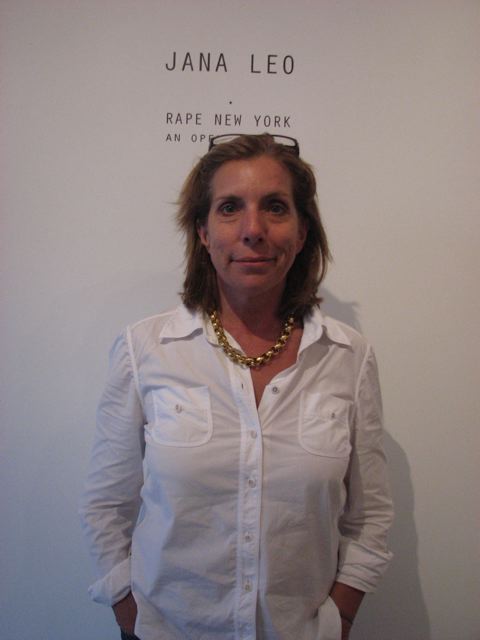
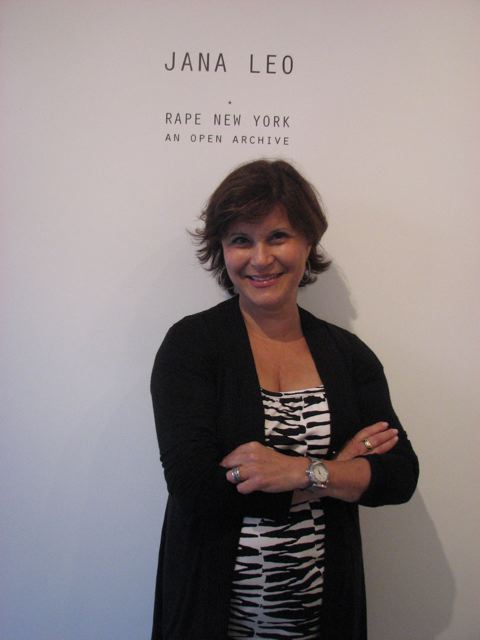
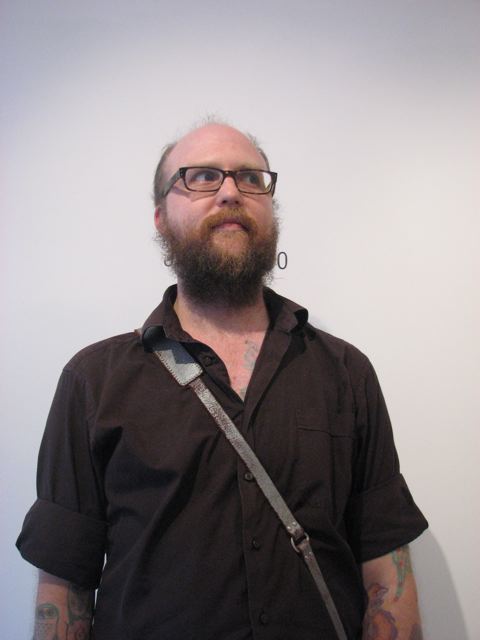
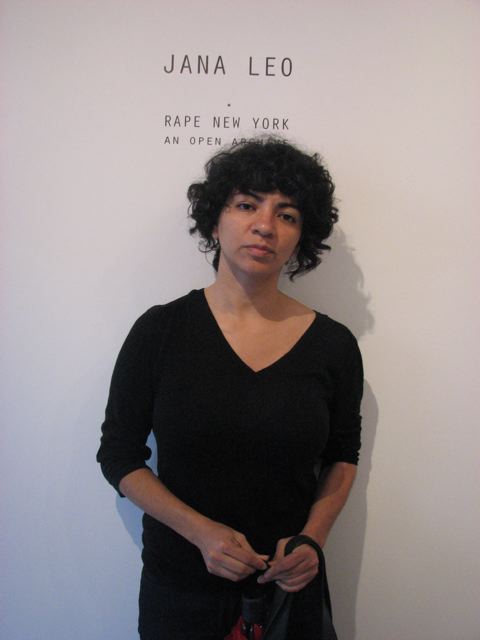
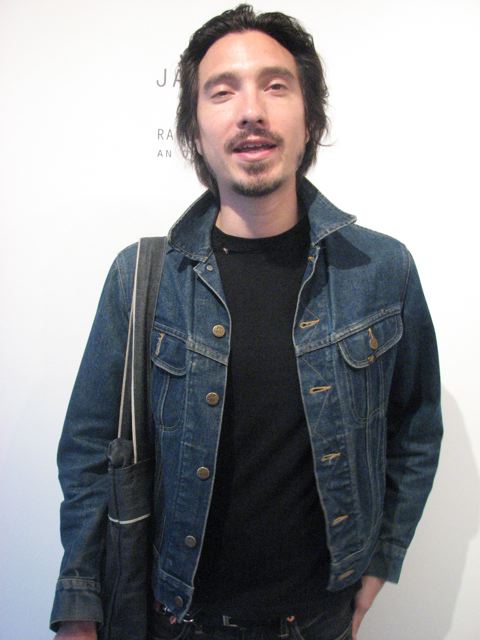
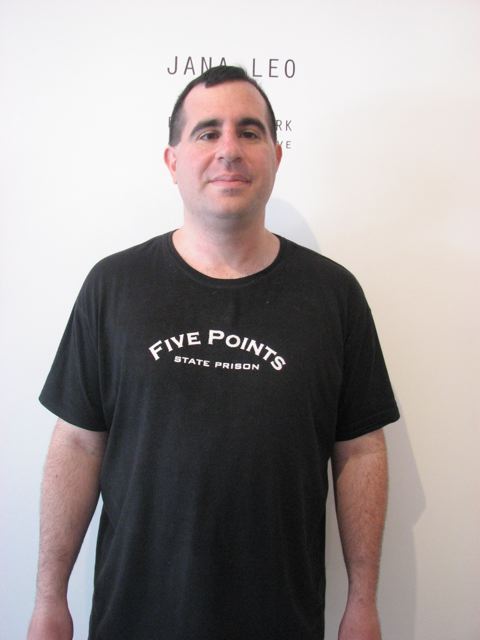
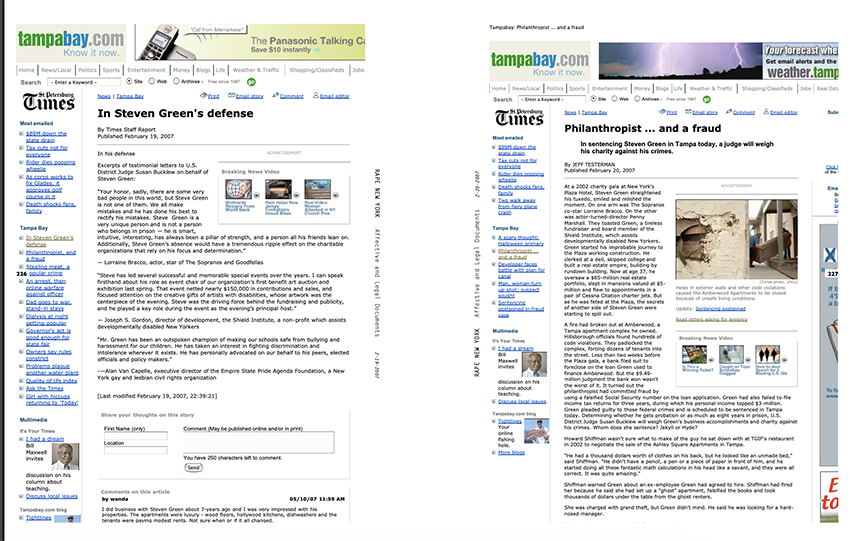
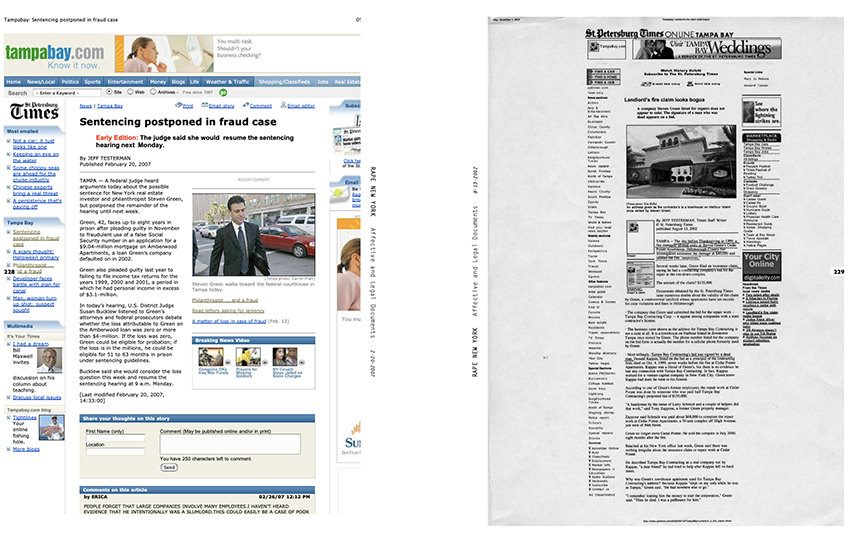
The exhibition, Rape New York, Affective and Legal Documents-An Open Archive, took place at Invisible-Exports from June 26-July 3, 2009 in New York’s Lower East Side.


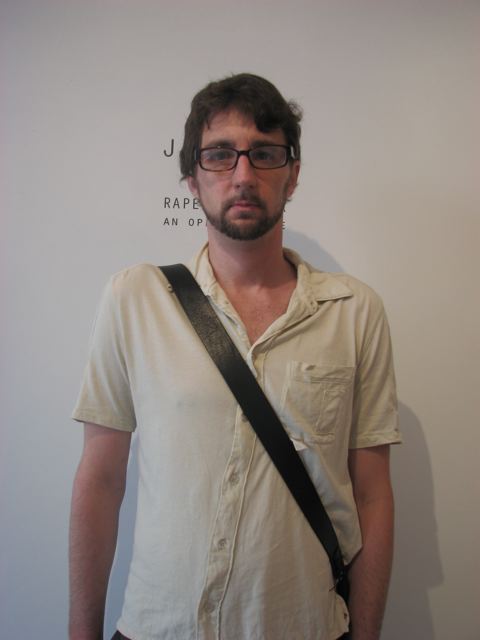
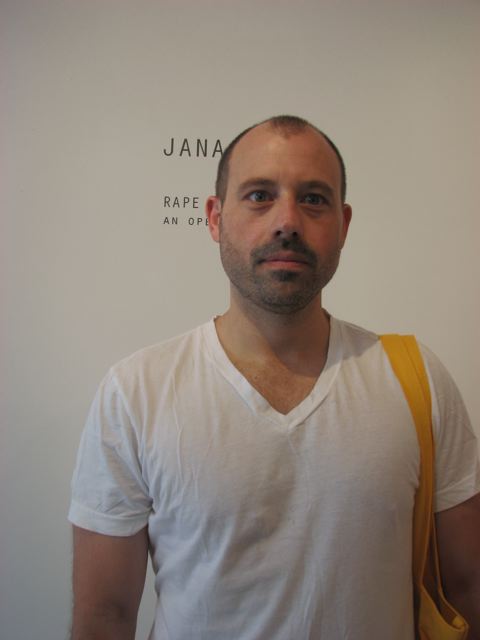
Visitors were extremely eager to have access to the archive, as well as the documents within, and many were disappointed that it was accessible only for such a short time. During the show, and because of the sentiments expressed by the visitors for a desire to continue the experience, the idea of finding an institution to house this archive on a more permanent basis arose. From this, I thought to expand the exhibition to cities and institutions where people who might not normally visit art spaces might come and see the archive. Furthermore, placing the archive in a public forum, as opposed to a more private setting, allows for visitors to experience it in a more focused way.

I’m particularly interested in finding an institution to permanently place the archive. To have a “Rape Archive” is to recognize both that rape exists in our culture, and the need to see it in a social context. For instance, the number of rapes on college campuses has not decreased in 30 years. Rape, it seems, is not acknowledged in the masculine world on an everyday basis neither in the family unit nor in the schools. To educate women against being raped is useless. Instead, we need to educate men, enlightening them on the consequences and repercussions of the act.

This archive could be the first such work dedicated specifically to rape. Much like the Holocaust Museum and the Vietnam War Memorial in Washington, D.C., this archive seeks to reflect on the possibility to similarly memorialize the victims of another war, the (WAR) War Against Women: rape. For me, a principle element in presenting the archive is to illustrate the idea that violent acts through private records can be made a “public concern.”

I’m hoping, to present you with an opportunity to either host the exhibition, or acquire the archives in its most complete and original form. Below please find an inventory of the documents and elements that make up the archive and the process of experiencing the show.

Jana Leo, New York 2009

We are supposed to consider rape a discrete incident—a targeted, even private assault, a violation of one person by one other, a legal and moral trespass processed by the state in an adversarial courtroom during a trial conducted in clinical language and focused on medical data presented with the coldness of nonhuman science which renders a judgment in the curiously reductive binary language of guilt and innocence. This is how we deal with rape; we make sense of it by punishing it, and by punishing we mean to diminish it, enclose it.

But Jana Leo shows us in her stunning exhibition that to treat rape as a discrete trespass — one that might be essentially undone by a criminal sentence — is to dismiss the experience of the victim and adopt instead something much closer to the rapist’s perspective. Her thrilling and expansive open-archive plants the visitor — thrillingly, harrowingly — in the role of the post-assault victim, scrambling to make some kind of narrative sense out of a kaleidscopically complex event. After her own rape, Leo was confronted with a string of counselors and putative supporters—the police investigating the crime, the lawyers prosecuting it and those representing her in a civil suit, the psychologists she sought for therapy, the landlord in whose building she was attacked, her boyfriend and her close family. Among them, some of the individuals provided satisfactory support; other were devoted instead to a set of provincial professional or personal concerns, focused less on the expansive and demanding task of reckoning with the full experience of the assault than on coming to some kind of neat and narrow conclusion about the event.

The show is the result of a nearly-decade long effort to resist those impulses towards reductive and comforting simplicity and instead show the rape itself in all its narrative complexity. The materials that make up the archive — depositions, interview transcripts, therapy notes, medical files, and much much more — constitute a fascinating and completely immersive story-telling and story-finding experience, but they also represent a profound and important protest against the tyranny of white lies and false comforts in our therapeutic culture. Leo is refuting head-on the universal advice that to survive after trauma one has to move beyond it. The show, both blindingly bold and heartrendingly intimate, insists instead that most important imperative when living with suffering is not to deny it but to know it, as best we can.


From: David Wallace-Wells <dwallacewells@theparisreview.org>

Date: August 21, 2009 12:13:49 PM EDT

To: risa@invisible-exports.com

Subject: rape new York open archive-testimonial


Two months after the show, Risa at the gallery -Invisible Exports forwarded me this e-mail


This unpublished manuscript is a compilation of events surrounding a rape and the seven years that followed.

The archive consists of photographs from the emergency room visit, police reports, crime scene photographs, notes from her therapist, as well as civil lawsuit files and various other items and documents related to the rape and the subsequent legal proceedings, none of which may be reproduced—or even consulted—without the victims’ consent. She, the artist, is the victim. The documents are stored in organized boxes so that the archivist can retrieve them; they are not displayed on the gallery walls. The archive is not displayed to visitors; instead, each visitor must provide full identification (a photo ID is required) and request the materials from the archivist. In this way, the visitor assumes responsibility for what they request, returning to the private sphere what Leo had made public: the final revolution in a cycle of the public and the private that began with the rape itself.


Rape Archive and Memorial, or rape in a socio-cultural context

Hypothesis: Rape has not decreased in twenty-one centuries of civil life. Treated as a women’s issue, what ultimately increase the rapes and stigmatize the victims, discussed among professionals or in the media, rape is an open secret not addressed in a cultural or social context. There is a gap here.

How the idea of the RAM started

During the show, Rape New York-An Open Archive, at Invisible-Exports from June 26-July 3, 2009 in New York’s Lower East Side and because of the sentiments expressed by the visitors for a desire to continue the experience, the idea of finding an institution to permanently house this archive on a more permanent basis arose and from then the idea of an Archive of Rape.

Michael White from St Roosevelt hospital crime victims center, misunderstood my idea of finding and institution to house the archive and said: an archive of private archives, a place where people can donate their own “rapes archives”. Uhmmm …my main idea in presenting the archive was to illustrate the idea that violent acts through private records can be made a “public concern”, following the same logic, it made sense to have a public space to archive rape. I have waited ten years to transcend my own experience. This archive could be the first archive dedicated specifically to rape.

The days that followed the show in the summer of 2009 I meet with people whose work related to rape. I met with Jennifer Baumgardner. She did a project about abortion “ T-shirts: I have had an abortion”. She tried to help me to published Rape New York in 2008. I told her about the archive… The response of the people, once they entered they were really into it…She is about to get birth couldn’t go…. I told her about how I was looking for a permanent place, a museum…. A museum of Rape Jennifer said, A museum of rape, I am sure is going to be controversial. Not a way to celebrate rape but to keep a record of it, I said. Later on I share the idea with Merle Hoffman, through who I met Jennifer, she is the principal of an abortion clinic and edit the “on the issues magazine” she said: Museum of Rape is an interesting idea–perhaps there should be a War Against Women Museum in Washington next to the Holocaust Museum-rape is only one theater of war….

If archives are forms of control, in the institutional level, -keep the records, this archive can work as a collective rather than institutional way to keep control (in the durkheim way, whether society work as an equilibrium of forces rather than from imposition. Also an archive of private records, might act as a way to pass control to the victims –what a victim can do is remembering; transmission of memory, an open archive, a threat for the rapists…their character and description will be on public, collective records, acting as a threat for them. This private archive can potentially also is a danger for the victims who can be victimized twice; so this need to be carry on with care.

The show Rape New York-Open Archive, wasn’t a metaphor of an archive it was an archive for real (my own documents open up to the public); often now the archive in art is merely a metaphor. “A monument while being built is related to something that happened. The reason for the monument is that this significant “something” actually happened. Here is a paradox: what “happened” wasn’t made up; the monument is made. Regardless of the way it was experienced, recorded or remembered, what “happened” has a unique existence. The monument cannot be built as a “rebuilt” since it is related to something that wasn’t built. The monument is something made: fictional. What happened was real, factual. I wrote in 1995, The Monument as a Paradox: “ In the monument, the only thing that can be recreated is the structure of what happened. The recreation of the totality in a symbolic manner is a reduction of the reality to its image, a souvenir, a sacrifice of the individual in name of the universal. The recreation of the experience in a referential way, as if suffering for the other (while helping identification) is perverse, since it not only takes away the meaning of the other’s suffering but offers the occasion to dramatize innocuous suffering, to monumentalize to the scale of pain what has become trivial discomfort. “

…. An archive different from a memorial, or a monument doesn’t have a form, or its force is not on its form, but on its content. Documents in an archive don’t re-create what happened (police officers in Japan made the victim re-enact their rapes; but careful the fictionalization of rape make it non real and non important). Documents are not built, in the sense that they took place for another purpose different than to archive them, they have a life on themselves.

Pretty much in the same way that Virilio Museum of the Accident shows not only science advances but its failures, a museum of rape will show the failures of a culture. Every body visits museums these days. If people who are not art specialists are interested in art because is a manifestation of our culture, a museum of rape, will take rape to its place: the culture that produce it.

Jana Leo de Blas – 2010


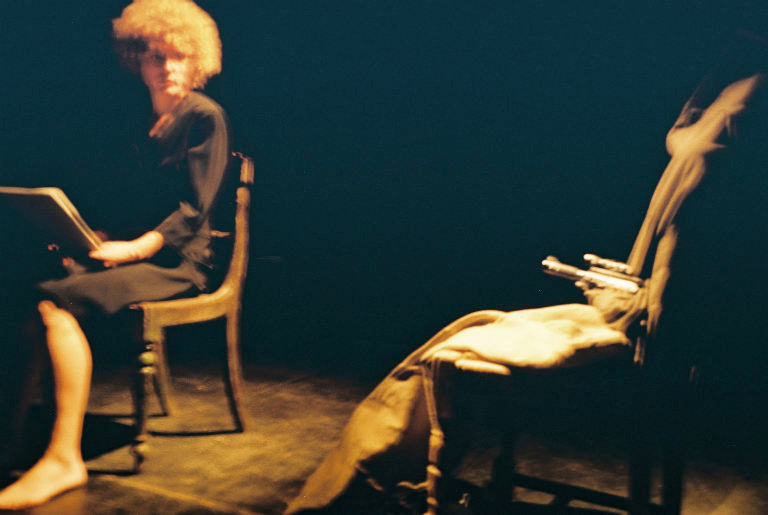
«Control Games», performance de 20 minutos de duración, Jana Leo, Nueva York, 2007

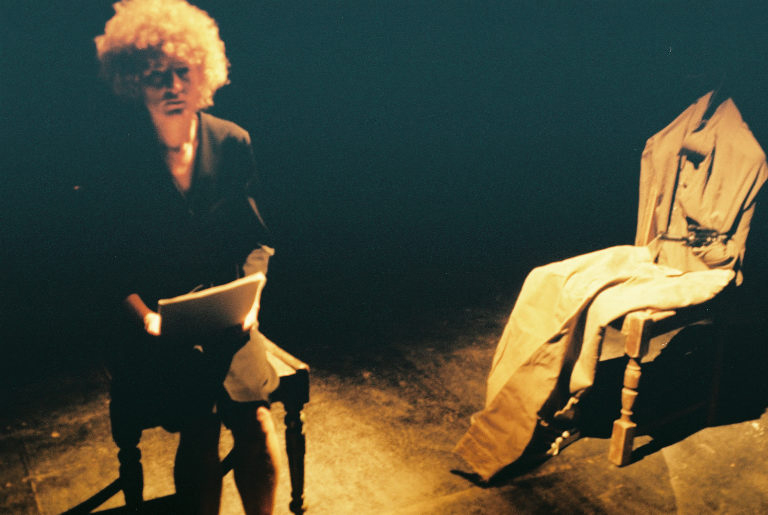
«Control Games NY» evoca una situación de control: dos personas en una habitación, una de ellas con una pistola. El personaje es secuestrado en su piso de Nueva York. La performance desentraña la realidad mental de ser víctima; establece un puente entre los pensamientos y las emociones y las acciones que tienen lugar; narra con detalle los hechos sin separarlos de los afectos que provocaron.

En la puesta en escena, se pasa el aggressor es reducido a su ropa, una camisa y un pantalón sobre una silla y una grabación del diálogo reducido de la agresión. Ella, la autora dice el texto de la secuencia que duro en la realidad una hora aproximadamente.
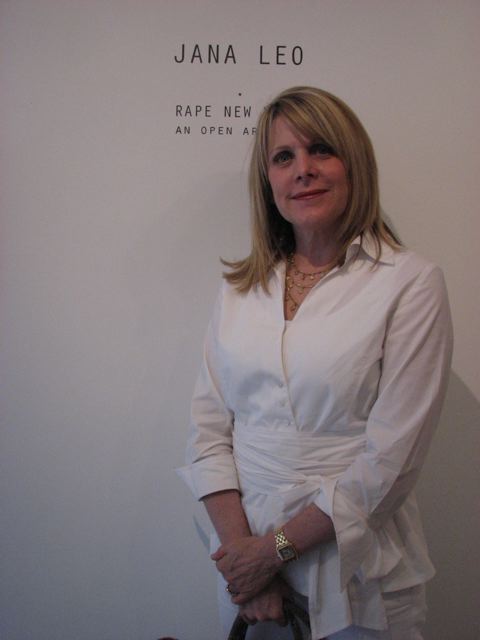

Rape Nueva York