Production of Jana Leo’s photography exhibition: THE PRESENT BODY

Description

Description
Descripción
Photos
Card
Memory's Freezer
Description
Card
Photos

Production of Jana Leo’s photography exhibition: THE PRESENT BODY

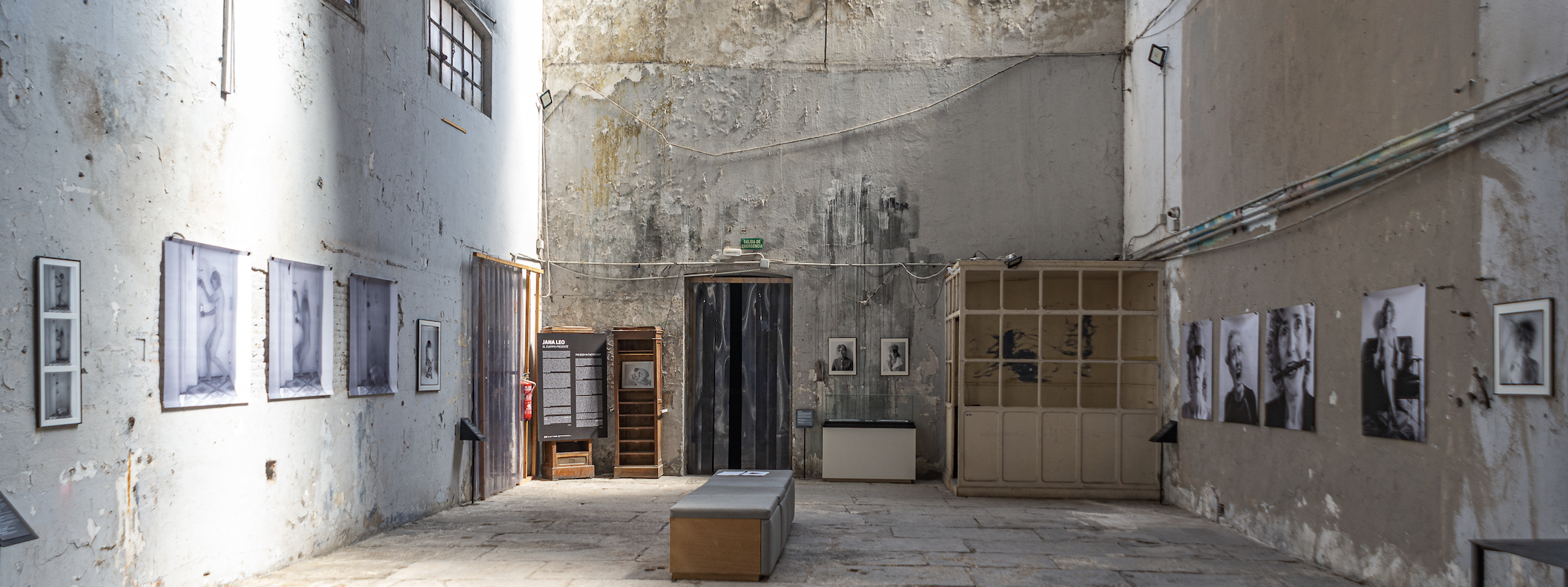
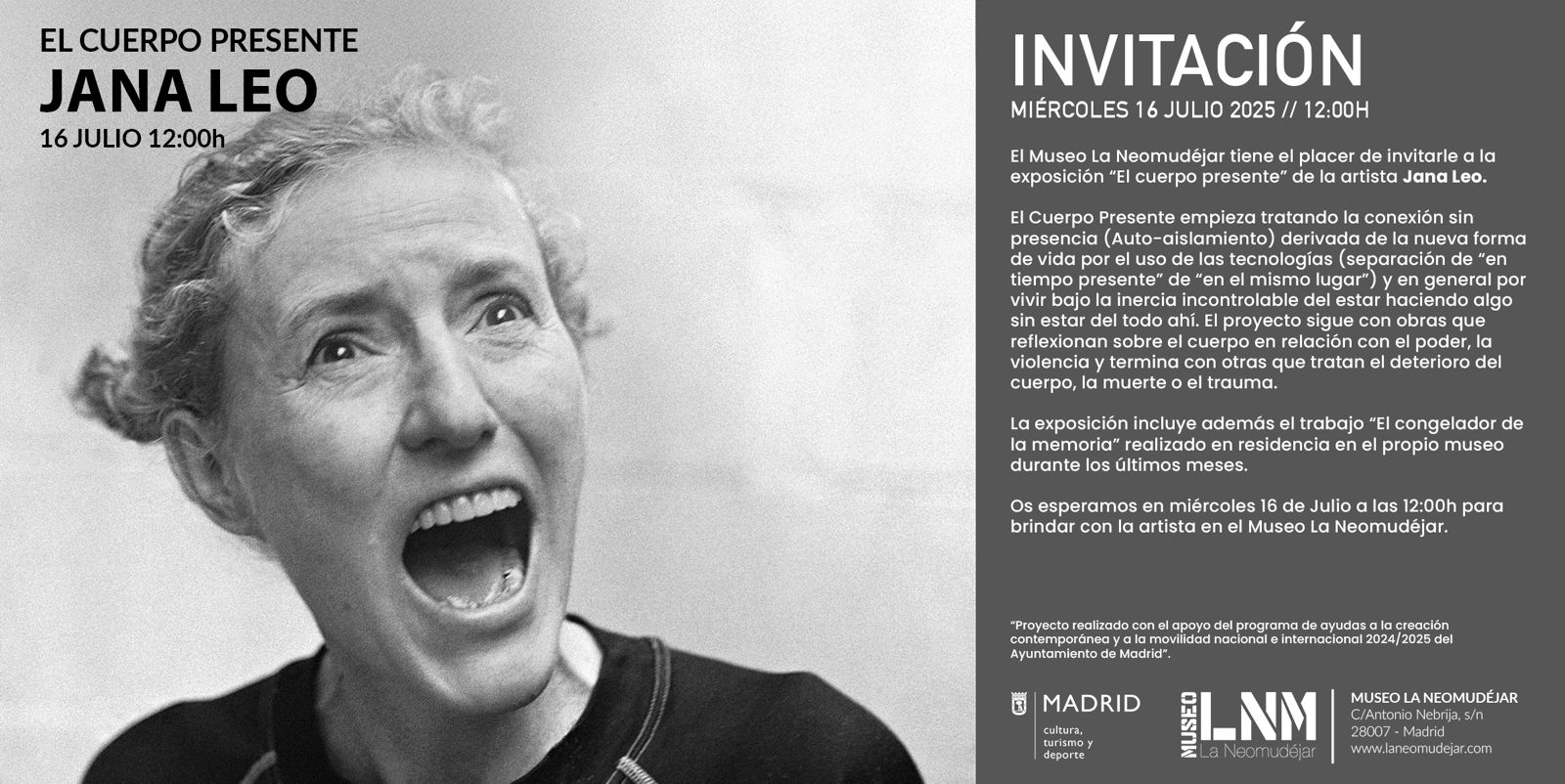
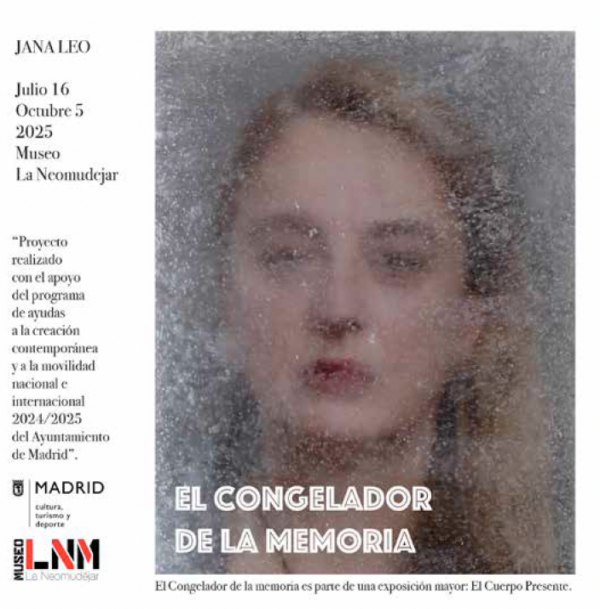
Production of Jana Leo’s exhibition: The Present Body (El Cuerpo Presente) and Memory’s Freezer (El Congelador de la Memoria) for its presentation at the Museo LaNeomudejar in Madrid in the summer of 2025.

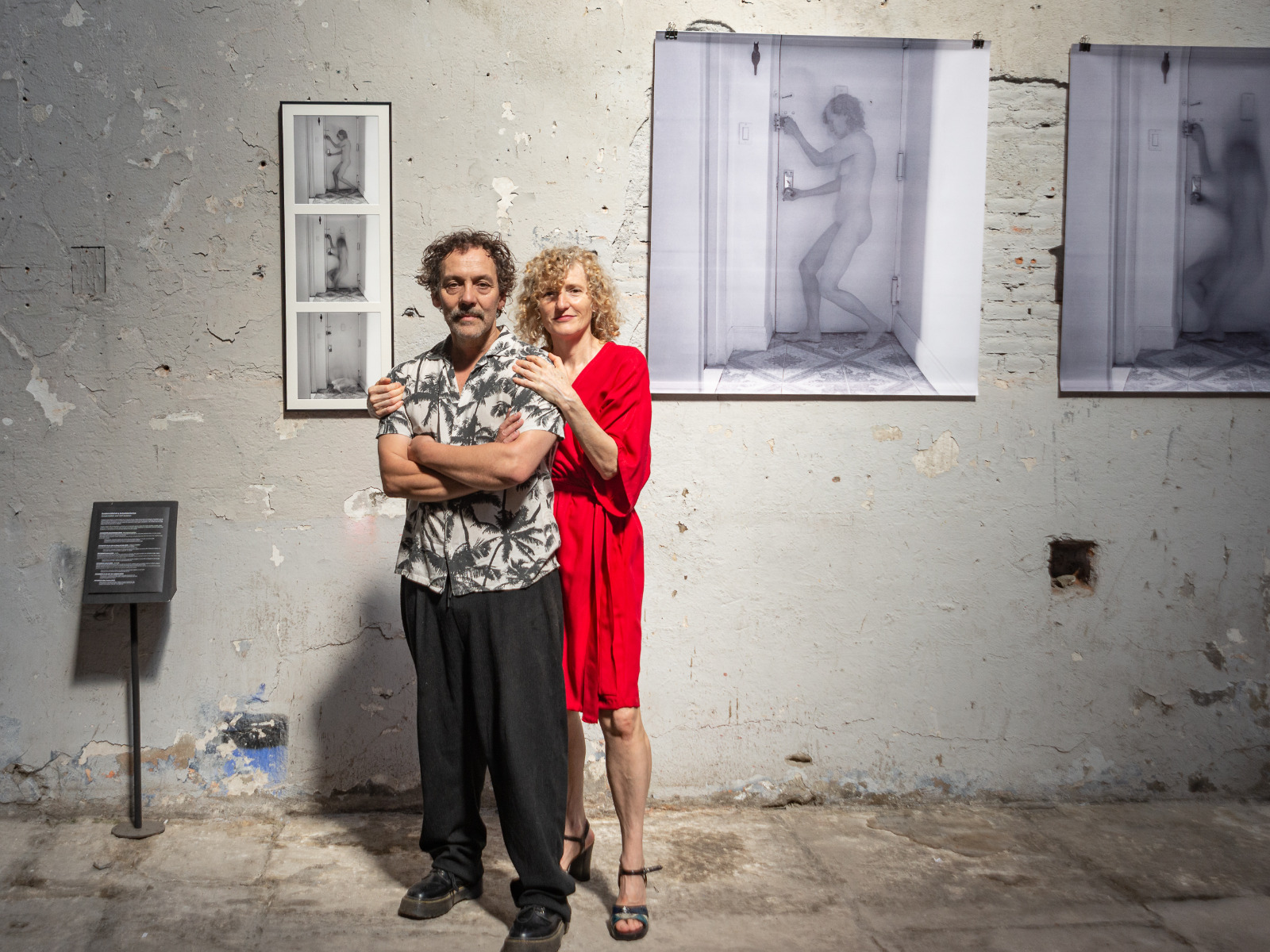
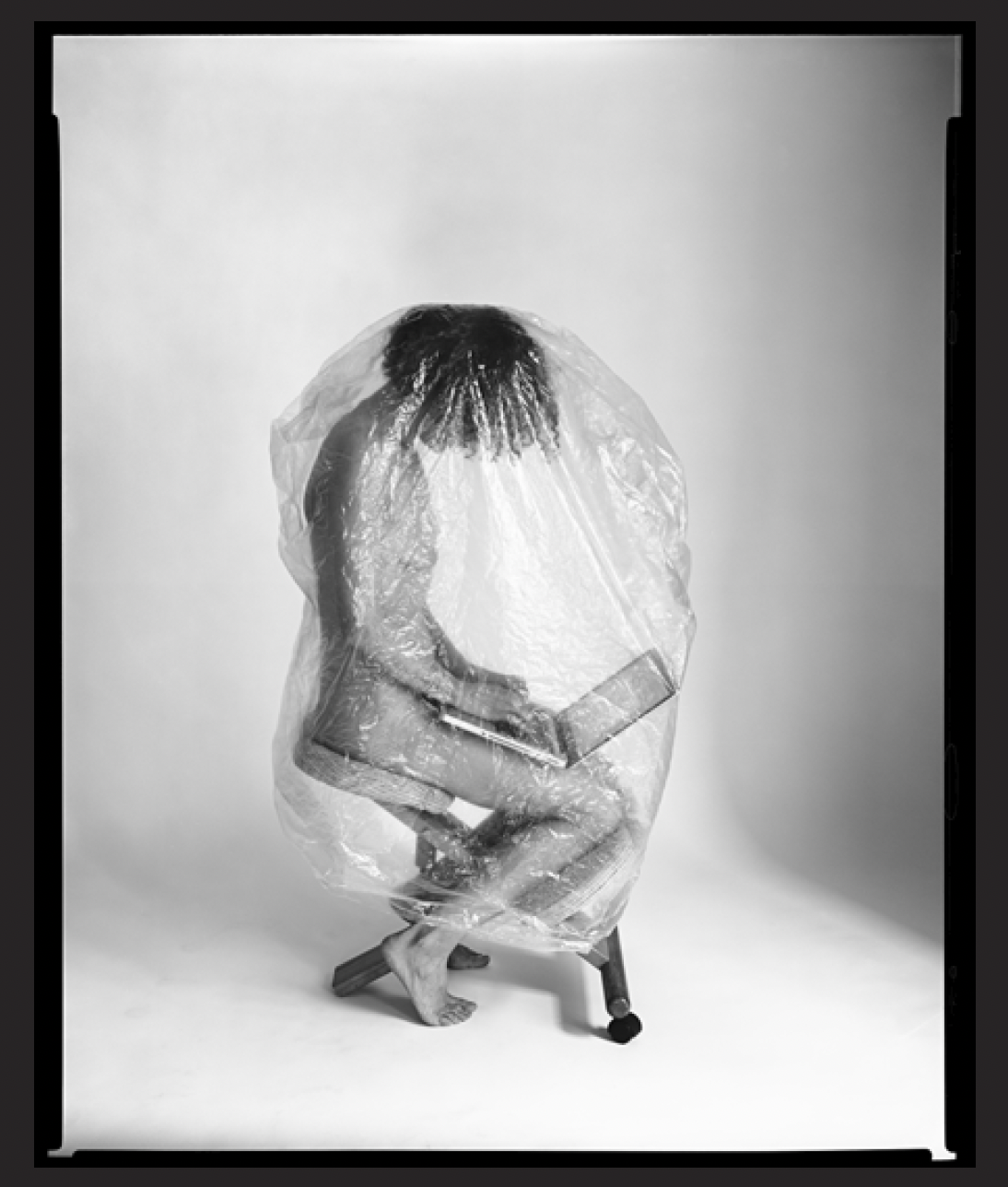
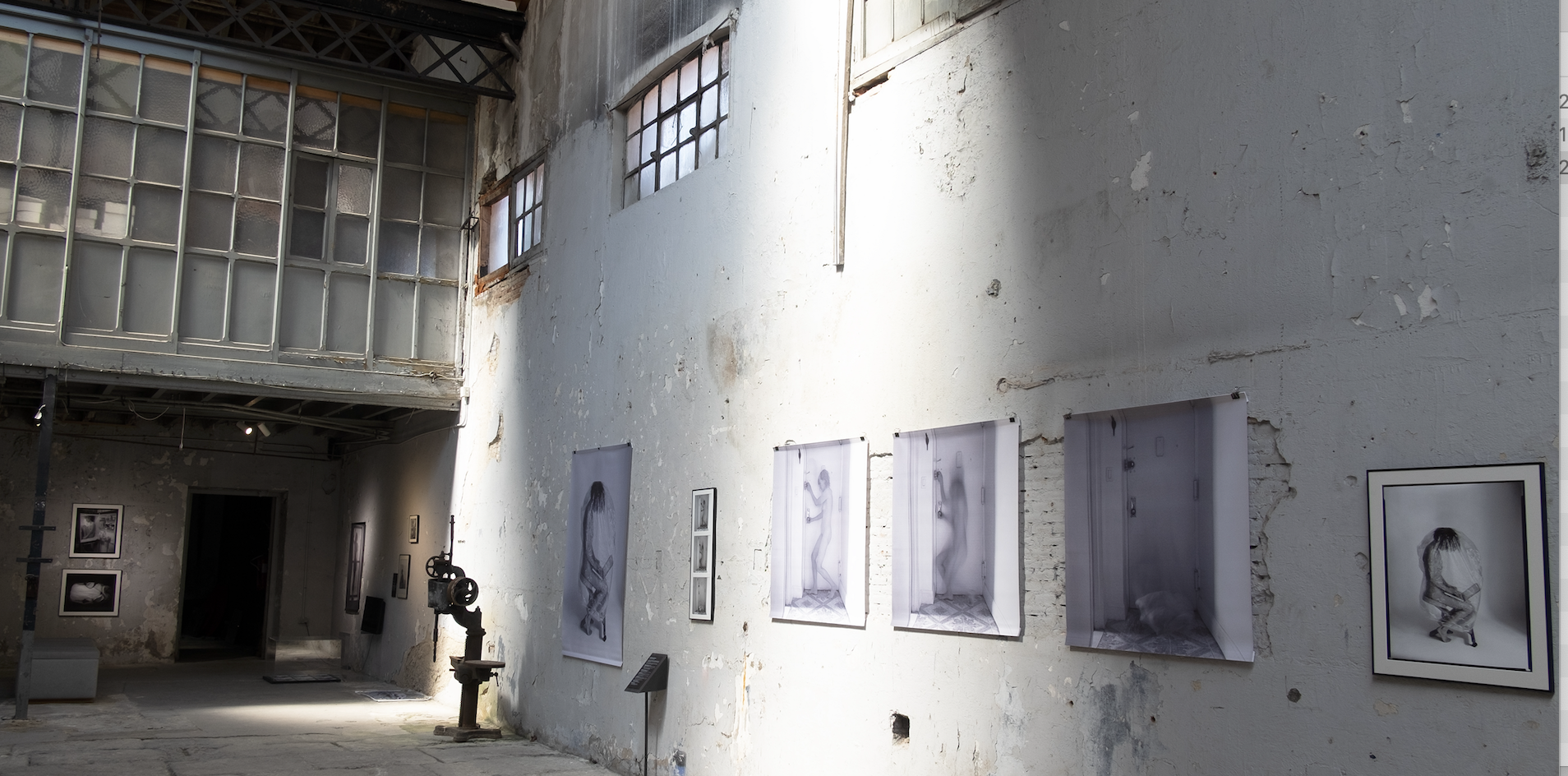
The Present Body begins by addressing connection without presence (self-isolation) arising from the new lifestyle shaped by technology (separating “in the present time” from “in the same place”) and, more broadly, from living under the uncontrollable inertia of doing something without fully being there. The project continues with pieces that reflect on the body in relation to power and violence, and concludes with others dealing with the deterioration of the body, death, or trauma. This classification is non-linear, and the categories overlap within the artworks.

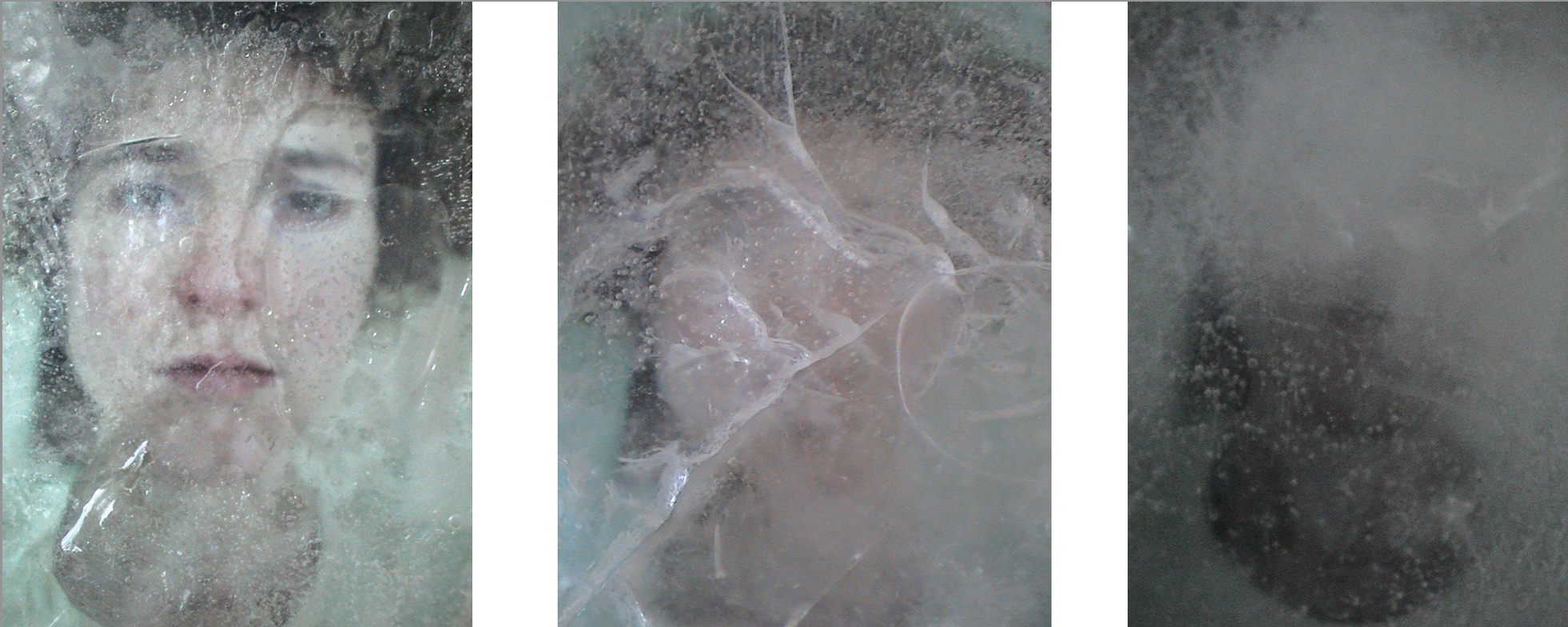
The exhibition includes a live, three-month collaboration with the LaNeomudejar artist community titled Memory’s Freezer (El Congelador de la memoria). The artist Jana Leo returns to documenting emotions, exploring how violence or life events affect the human psyche. Consequently, a collective of artists, mostly women with a significant LGBT presence, had the opportunity to investigate through art the effects that traumas or micro-violences leave on the face, and how to freeze their consequences.

First line. 2025 is a turning point of technological transition that will have a major social impact. In addition to the “virtual era” (the separation between place and time), the “fictional era” begins (a realistic appearance without a real reference point). While the virtual still maintains a physical reference point—be it its image, words, or voice—the fictional has no reference point in reality. It is pure invention. Photography is a discipline rooted in the reference point, a reality, even if it is a constructed one. My work Autoaislamiento, which is the origin of this exhibition, represents the bubble of self-isolation in the new way of life where the body is not fully present. Within this project, there are images with an existential undertone, most of which take place in domestic spaces, where the body fades away or lacks a firm presence—much like that life slipping through one’s fingers each day, leaving evidence of this state of separation between place and presence, or of the inertia of a life stripped of part of its reality.

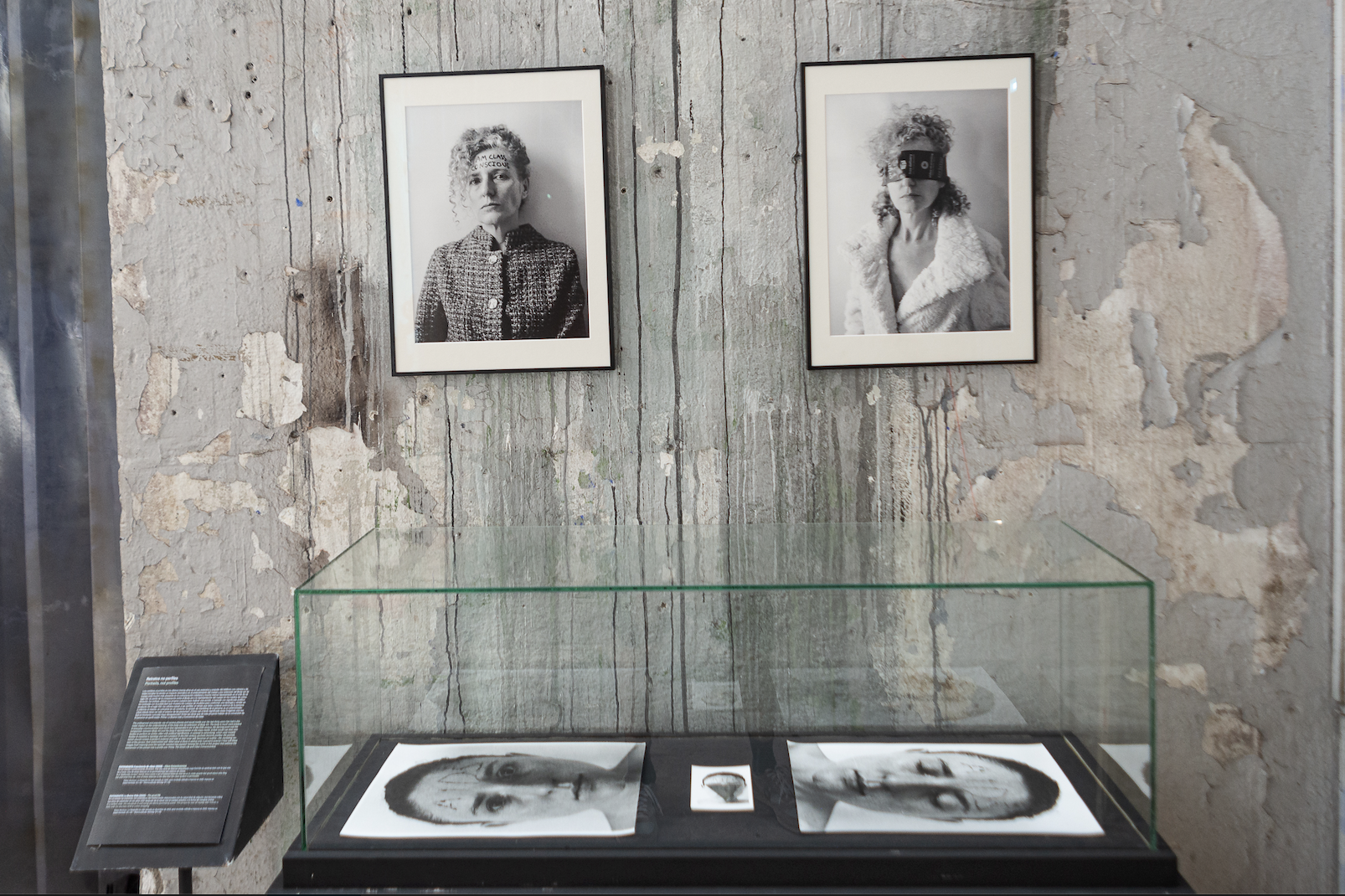
Second line. The changes that have occurred over the last thirty years in the extensive and popular use of camera phones and social media have had a dramatic impact on our understanding of the body and, by extension, Body Art. The body is much more present in daily communication and far less represented in art. In the 20th century, the starting point was the comparison between Body Art and the representation of the body in the media; artists used their own bodies to perform an action, often with political meaning, in contrast to advertising, which showcases models’ bodies to shape a typology and sell a product. In the 21st century, portraits become profiles: the portrait, which ought to contain the essence of the person and refer to the inner self, turns into a contour—the marketing version of the individual, their externalized self. What is the interest in seeing only the exterior of people? How will these images hold meaning once the specific moment has disappeared? Among the works in this project that address the conversion of the person into a profile are: Prime, La Buena vida, and Conciencia de clase.

Third line. This shift toward the virtual and toward the profile manifests itself in popular politics based on identity rather than ideology. The profile is also the simplified part of a person. Here, there is an observation of power, both the mechanism of the institution and the process as well as state power. The body is the last residue of the capacity to act, the first element to be altered when that power is lost. El cuerpo presente addresses the lack of control capacity where action upon one’s own body is the only option left due to being positioned in circumstances beyond control, whether these are metaphorical (as occurs in democratic regimes) or literal (in autocratic regimes). The close antecedent to these works is “154 Bofetadas (2020),” created within the context of thinking about bureaucracy as a form of frustration, as part of the work completed during the residency at the Academia de Roma with the project: Retratos de la Post-ideología, the relationship of trust between the individual and the state. In 2025, this line has gained significance in this exhibition, as we have moved to live in a society where being “without the capacity to act” is not a residual occurrence as it is with bureaucracy, but rather a determining factor, since life, liberty, and property can come under the power of the state and outside of my control.

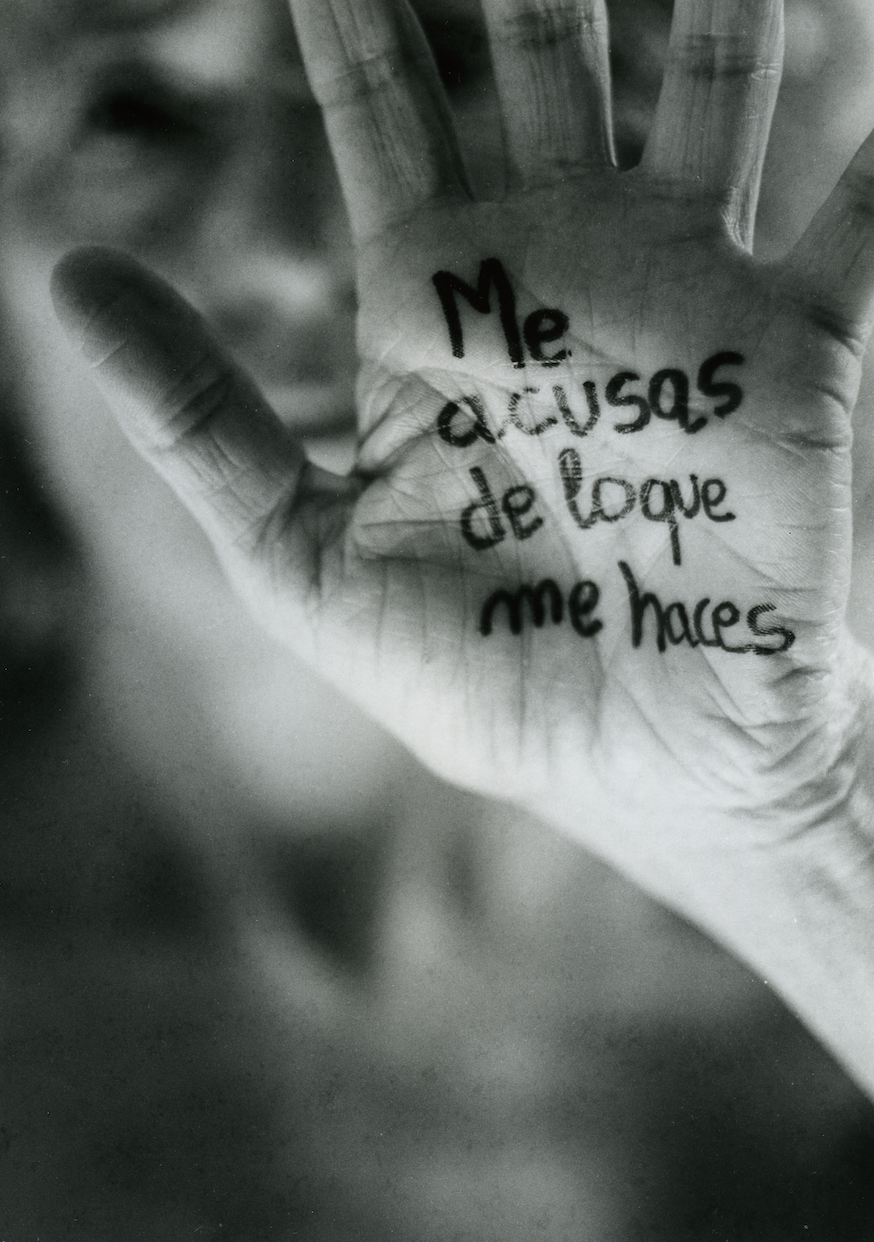
Fourth line. After many years of working on sexual and gender-based violence, the natural consequence is a series of works that speak to this interpersonal violence. Some of these works are inspired by rape diaries that I reread when historian Marta Fernández-Morales asked me to write the foreword for her book on rape diaries: The Crack on the Wall. Rape Narratives that Paved the Way for #MeToo (La grieta en el muro. Narrativas de violaciones que allanaron el camino al #MeToo.) These diaries serve as the inspiration for the artworks.

Fifth line. Lastly, to contrast this trend of separation between being “in space” and “in time” present, I offer an action (El Congelador de la memoria) that stimulates being there with all the senses and treats trauma as an emotional state that carries vulnerability. With each participant, I conduct a meditation exercise that I anchor to an object (to a photograph). It is a way to remember the need for reflection as an artistic practice, in which the studio/exhibition hall functions as a laboratory in the present time, because the process is the artwork.

Jana Leo,

July 3 2025

Participatory action carried out between June 11 and 25, 2025, in the very room where it is now on display at El Museo La Neomudéjar:

Artist Jana Leo returns to documenting emotions, exploring the effects that violence or life events produce on the psyche, and invites you to be a part of her installation:

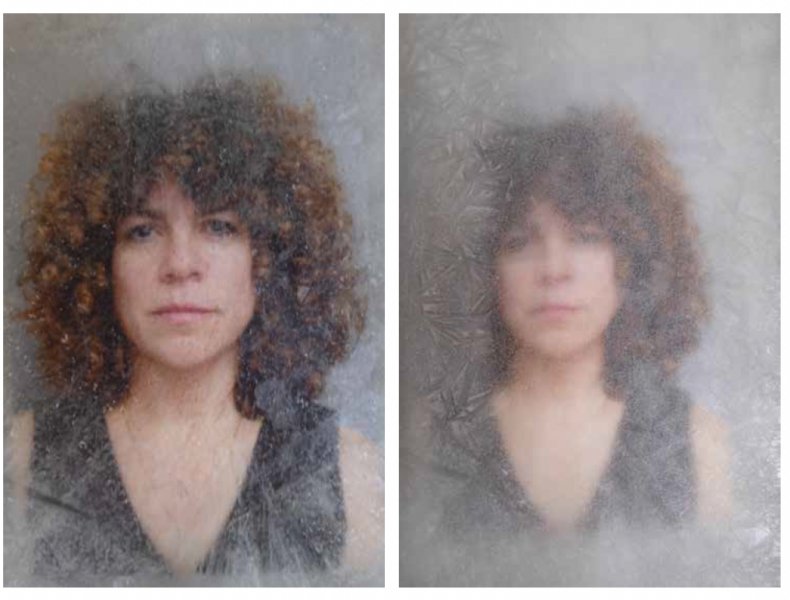
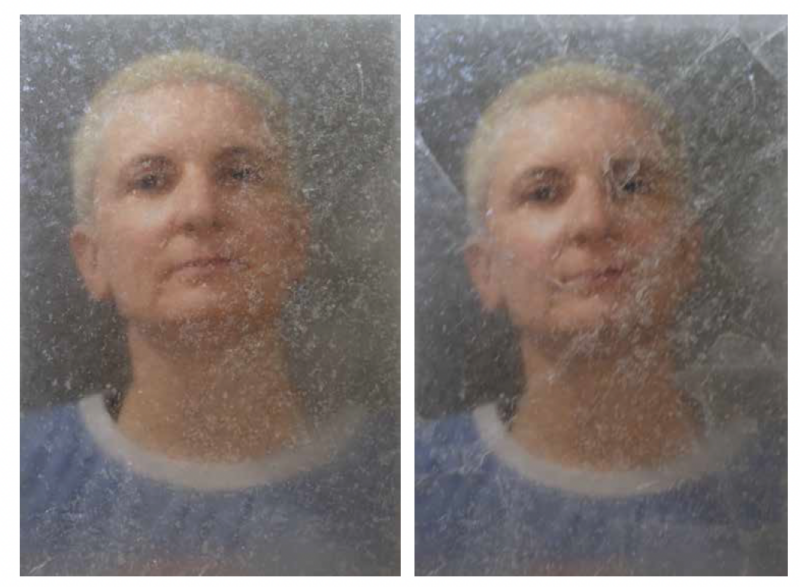
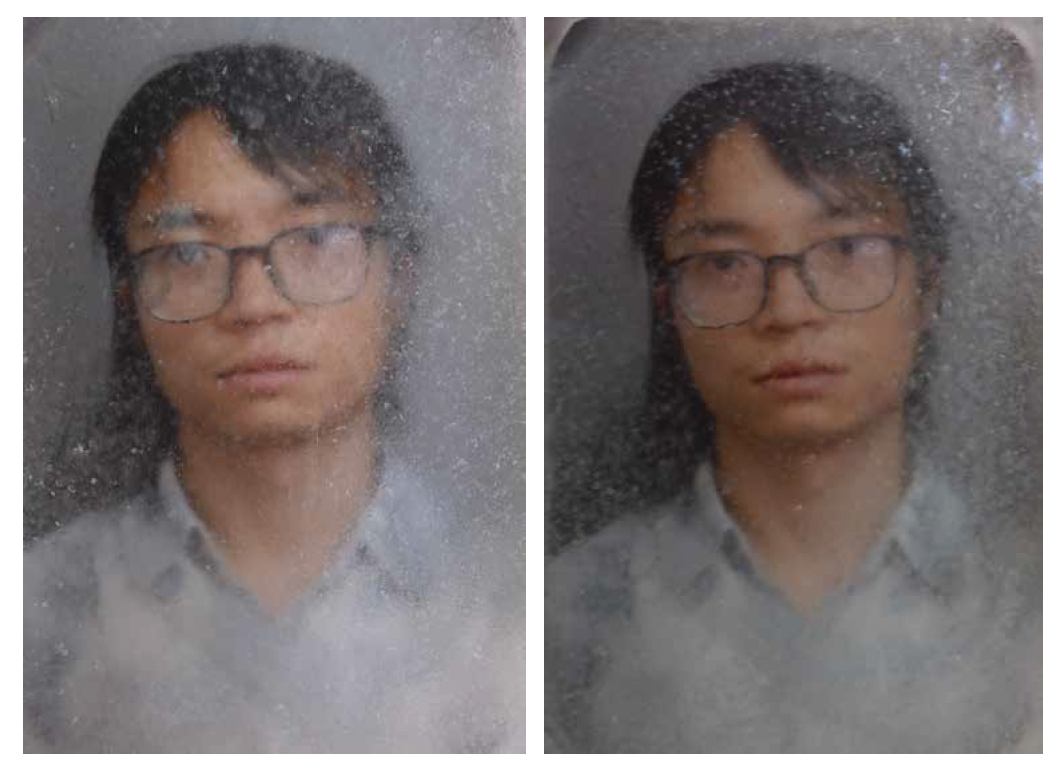
“Frozen Memory,” a unique artistic experience where your portrait becomes a manifestation of your state of mind regarding an experienced trauma. During your participation in a guided session to explore your emotional state, you will write a record of your trauma, and Jana Leo will take your portrait. Later, in the same room where you are photographed, she places it in an ice tray inside a freezer also set up in the room. Over the following days, she photographs the portrait, capturing the process of freezing and the subsequent disappearance of the image. The action opens to the public as an exhibition on July 16, 2025.

Participation ceases once the number reaches 20. The duration of each session is between 10 and 30 minutes. The space for registering a trauma is a form, featuring your name, the date, and the essence of what occurred, as well as the moment you realized the significance of the event. This creates a moment of introspection that is reflected in your state of mind and the image you project. Afterward, the participant sits in a chair perpendicular to a gray background and is invited to return to the moment they have just described, but this time from a position of control, as they are outside the setting where it took place. The intention is to let go of the moment of pain (which was so necessary for survival and for remembering that it happened, which is why one finds themselves as they are and possesses the character they have) and to encourage being able to abandon it rather than clinging to the pain. Then the artist takes your portrait. Later on, the portrait is frozen in a freezer located in the room, and the artist photographs it throughout its freezing process.

The presentation to the public contains four elements: the photograph taken in 10 x 15 format; the “trauma registration form” (which was filled out by hand on a white surface to leave an impression on the paper) placed facing backward, so that it cannot be read but the relief of the handwriting is visible; and two photos of the freezing process. The recorded accounts range from the story of an abusive father, the loss of a daughter shortly after birth, sexual abuse by a caregiver in early childhood, events of domestic violence by former partners, abandonment by a companion upon learning of a pregnancy, fear of heights, the sudden loss of a mother during childhood, discovering that your father has a different family from yours, an act of bullying, unfortunate encounters with the healthcare system, and the trauma itself of being alive, of being born. With this project, a space has been created—minuscule and insufficient, yet indispensable—to begin laying to rest the part of memory that causes harm and obstructs the present.

Jana Leo is not a therapist or a psychologist, but an artist and philosopher who, through her own experience with trauma, has delved into its functioning and ideology, which she continues to share and explore with this piece of art. The idea is to reevaluate what trauma means through this simple exercise that seeks to “freeze” it, transforming it from an intimate experience into something that can be observed with a certain distance, as an external object, in a photograph—something that takes on a life of its own. The intention is not to forget, but to turn the wound into something independent. The action holds no curative intent, but rather a reflective one regarding its effects on life in the present time. On a political level, this action also seeks to share the trauma, as part of it involves the repression of silence imposed upon the damaged person. Finally, it is about identifying traumatizing patterns that may indicate this is not a private matter but the result of a culture and a way of life, which logically must then be considered a collective experience. More on this topic can be read in the book: “Arte, memoria y trauma” by Marián López Fernández Cao, Madrid 2020, Editorial Fundamentos.

From the perspective of photographic language, this participatory action seeks to reclaim the portrait as a repository, a document of emotions, and not a mere recognition file (as it is used in photography for identity purposes), nor an act of affirmation (as seen in family album or social media photographs). Certain insights relevant to this piece can be found in Jana Leo’s treatise on photography published by CENDEAC in 2004 and reissued in 2014, El Viaje Sin Distancia.

Production of Jana Leo’s photography exhibition: THE PRESENT BODY