Micro-Workshops using art materials based on the book: Mamá está muerta, pero la vamos a curar in community centers, high schools, and university campuses
Description
We bring our research—based on the 132 cases of women murdered by their partners—into a visual format through the book, and an investigative format through the display of tables. The session, which lasts between 90 and 120 minutes, is divided into the following parts:
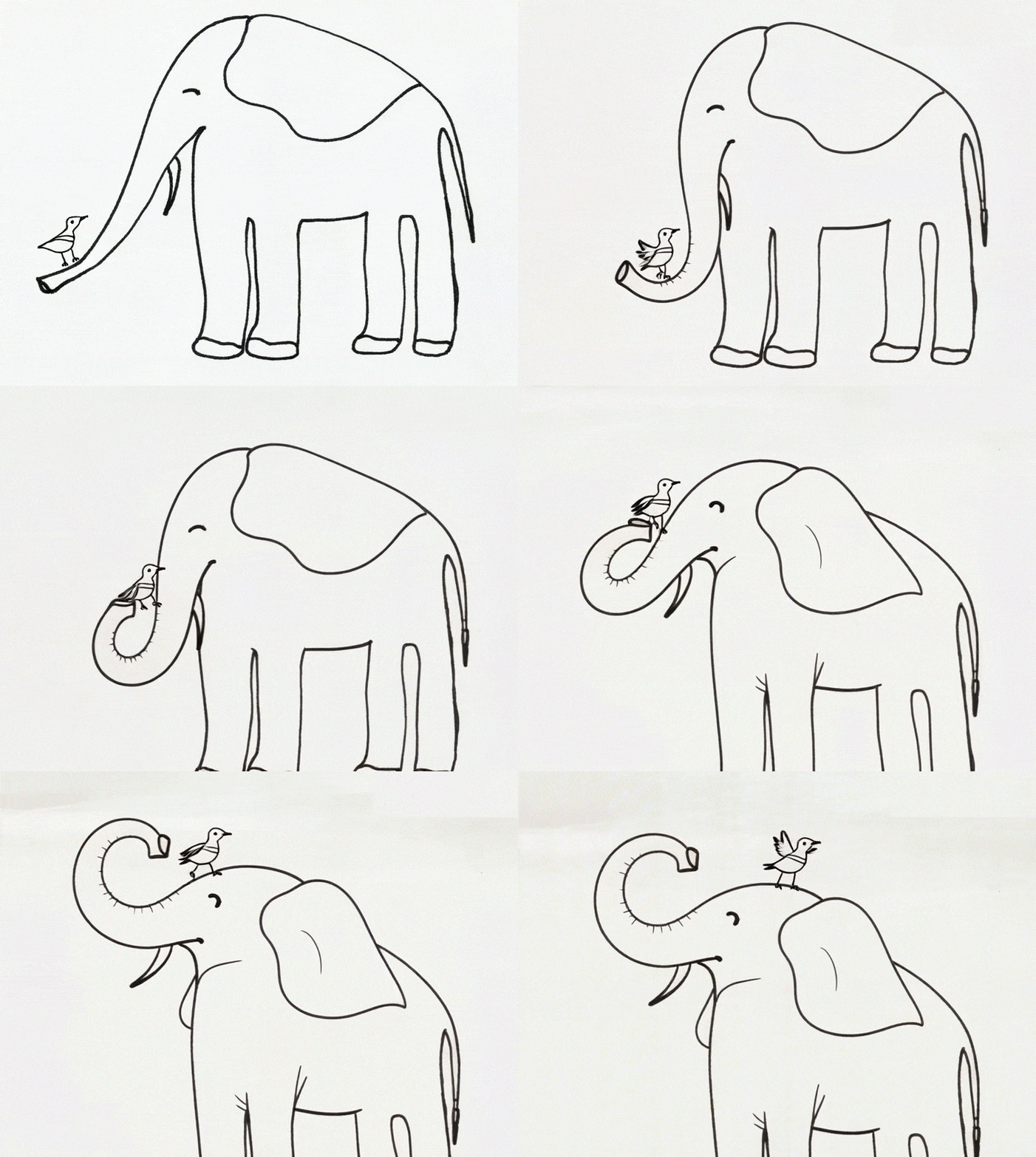
- Free drawing exercises to connect with the intuitive side of the brain. Introduction to the VIDAS-UXORICIDIOS archive, an illustrated record of the 132 women murdered by their male partners in the Comunidad de Madrid between 1999 and 2020.
- A shared reading of several cases from the book helps domestic violence cease to be perceived as a mere phenomenon, ensuring that when thinking of a victim, instead of seeing a number, a person is visualized.
- It concludes with an explanation of the findings learned after conducting the research: patterns, warning signs, and myths.
- The specific format of each workshop depends on the venue.
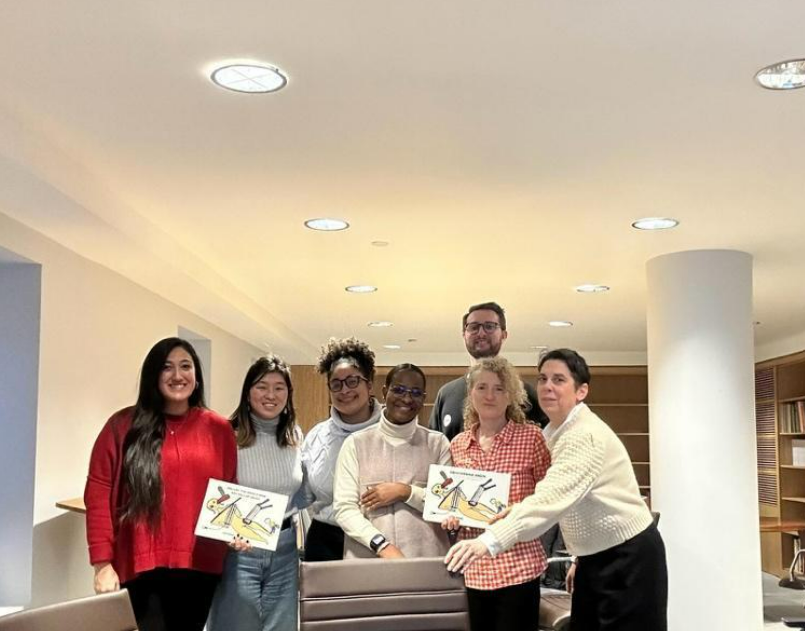
As a guideline, we show photos of how the workshops were conducted in very different locations: Espacio de Culturas at NYU (New York University) in New York, USA.
Objectives
The micro-workshop provides a playful approach to difficult content, building empathy within the group and serving to connect with one’s inner self, producing a cathartic effect that works through trauma. It helps domestic violence cease to be perceived as a mere phenomenon, ensuring that when thinking of a victim, instead of seeing a number, a person is visualized. It successfully destabilizes myths surrounding it and helps reveal a different reality.
Target
General public of a cultural center with a focus on social awareness and self-care, as well as high school and university students interested in the arts
What is included
Presence of a member of the Mosis team.
Budget
The base price of the workshop is 400 euros, although it is adapted to each circumstance and center.